

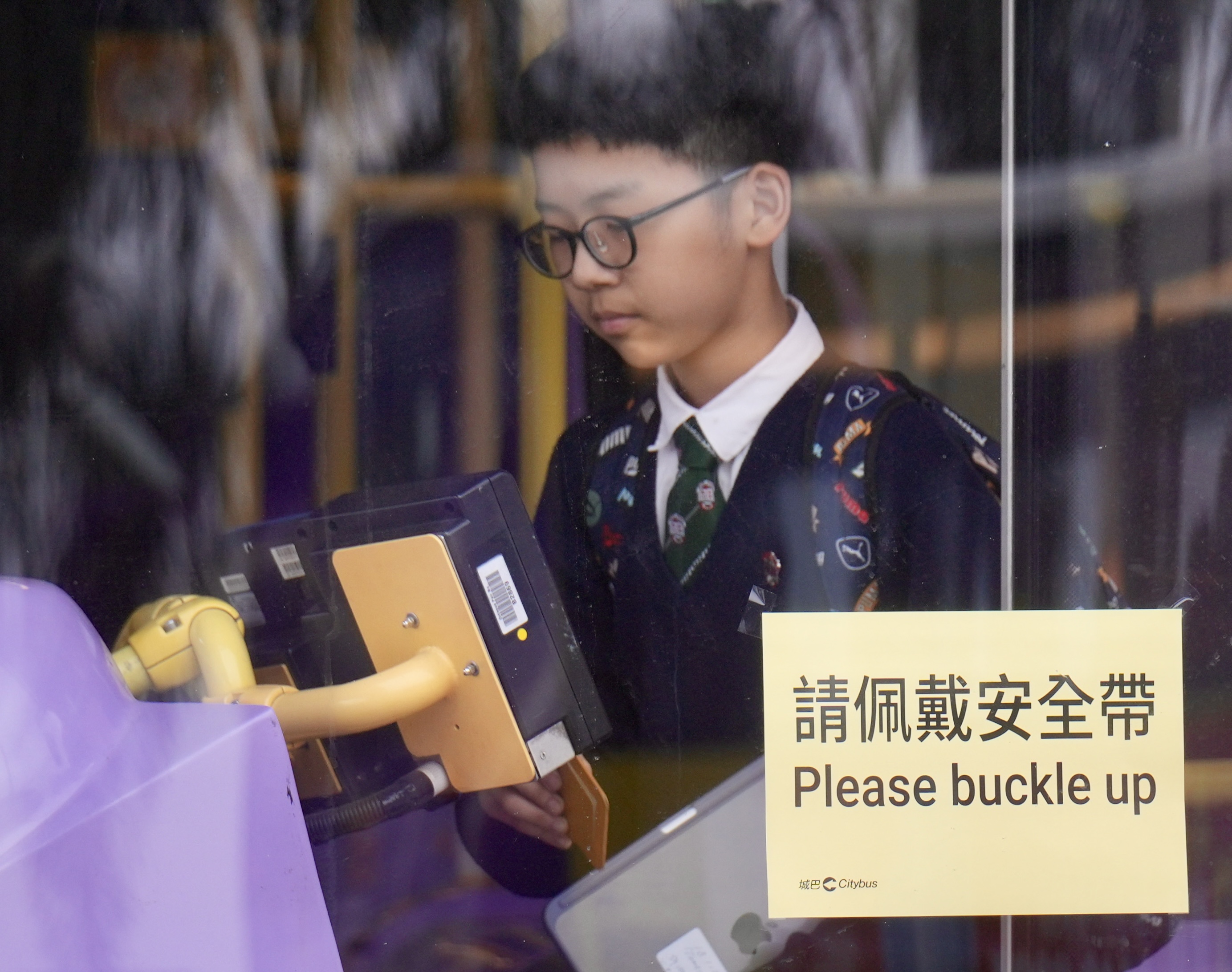
The Hong Kong Special Administrative Region government on Friday published a gazette notification officially repealing a new provision in the law that mandated passengers on public and private buses to wear seatbelts.
The official notification came a week after the authorities suspended the new regulation amid strong public criticism.
Taking effect on Jan 25 this year, the regulation caused widespread controversy after a former Legislative Council member, Doreen Kong Yuk-foon, who also served on the subcommittee reviewing the proposed amendment last year, suggested that the rule only apply to vehicles first registered on or after Jan 25, 2026.
Acknowledging the shortcomings of the provision, Secretary for Transport and Logistics Mable Chan said the legislation will be suspended and revised before being submitted to the Legislative Council for review.
RELATED ARTICLES
- Buckle up, HK: New seat belt rule takes effect Sunday
- Mandatory seat belt usage in HK to expand starting Jan 25
- Private cars in HK must have child safety seats from Nov
The seat belt regulation is included in the latest amendment to the Road Traffic (Safety Equipment) Regulation, which was gazetted by the government on Sep 5 and tabled to the legislature five days later for the negative vetting procedure.
According to a SAR government press release published on Jan 8, seated passengers had to wear seat belts on “all public transport and commercial vehicles” starting Sunday. Anyone convicted of breaching the law faced a maximum fine of HK$5,000 ($640) and up to three months’ imprisonment.
While announcing the suspension of the mandatory seat belt provision on Jan 30, the transport chief said that the government has received extensive feedback from the public, media, and legislators over the past few days, adding that the fundamental purpose of the law is to provide safeguards for passengers, and the government will prioritize education and publicity at this stage.
“The primary task now is to explore ways to enhance the implementation of the relevant regulation, gather broad public feedback, and refine the arrangements before consulting the Legislative Council,” she added.
