

The annual Hong Kong Fringe Festival is back, riding the crest of a successful relaunch in 2025. Rob Garratt looks back on the legacy of an event that shaped the Western-music sensibilities of a generation and finds out about the highlights of its ongoing edition.
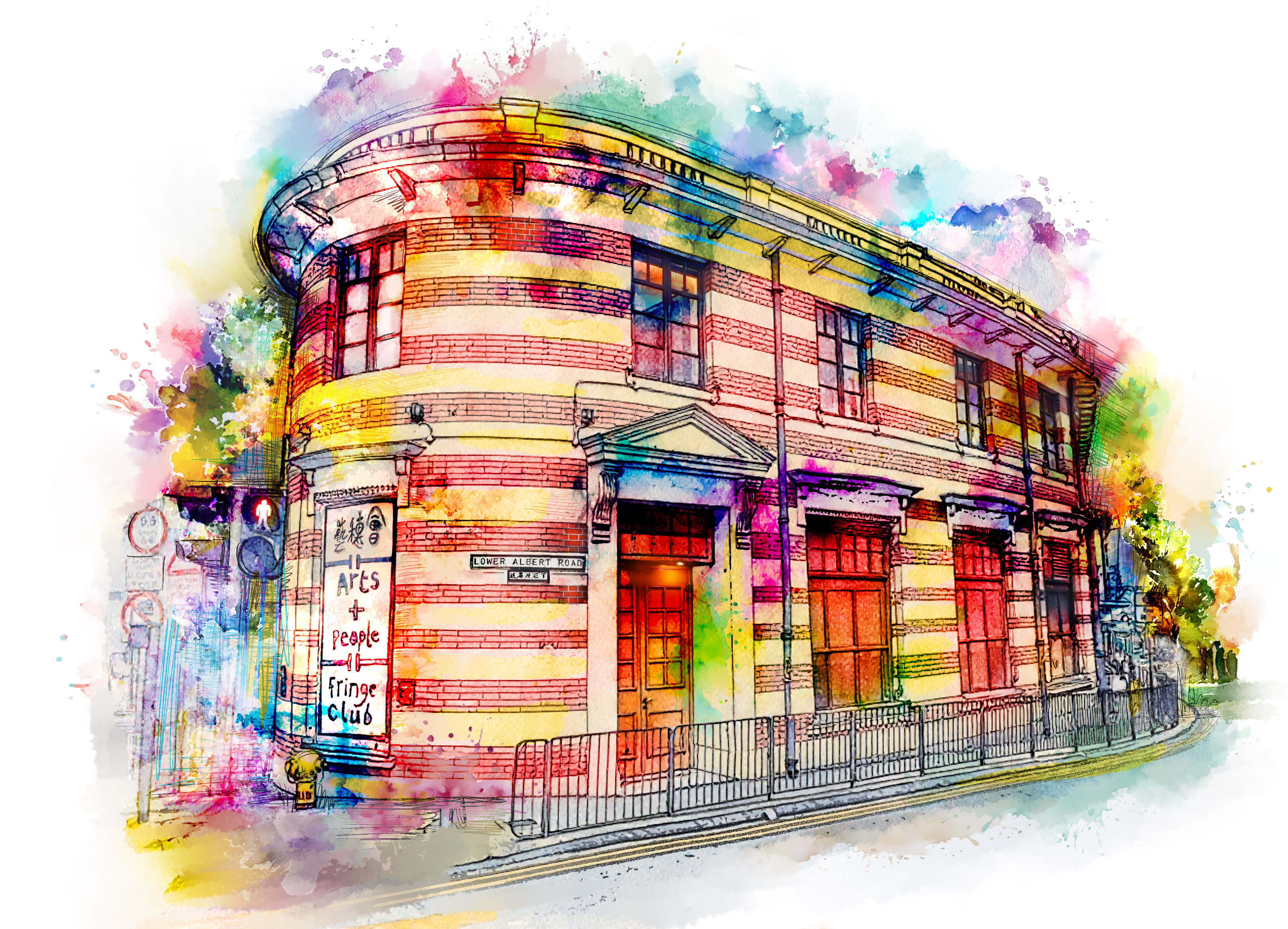
Unlike the countless “fringe” festivals scattered across the globe — artistic upstarts originally established on the sidelines of more-legitimate happenings, to give edgier, progressive performers a spotlight not afforded by the mainstream — the Hong Kong Fringe Festival (HKFF) is named for the Hong Kong Fringe Club (HKFC). Founded in 1983, a year after the venue’s opening, HKFF was rebranded as the City Festival in 1999, and continued to be staged annually until 2011. In 2025, the festival made a surprise return to the city after 14 years. Following the travails of the pandemic, and the establishment of a “totally new team”, the board decided to revive the festival to “really showcase the new image of the Fringe Club,” says guest festival curator Sheeta Ng, who has previously presented work for Tai Kwun and the West Kowloon Cultural District (WestK).
The festival is back this week. Over the next six weeks, the city’s culturally inclined people can look forward to more than 100 performances, from over 300 artists, across eight different disciplines — from music and dance to family entertainment and art tech.
READ MORE: Play is the thing at Clockenflap
The Fringe Club harbors four distinct event spaces at a single address at the intersection of Lower Albert Road and Wyndham Street. “It’s really unusual to have such a specific venue right at the center of a city,” Ng says.
Happy memories
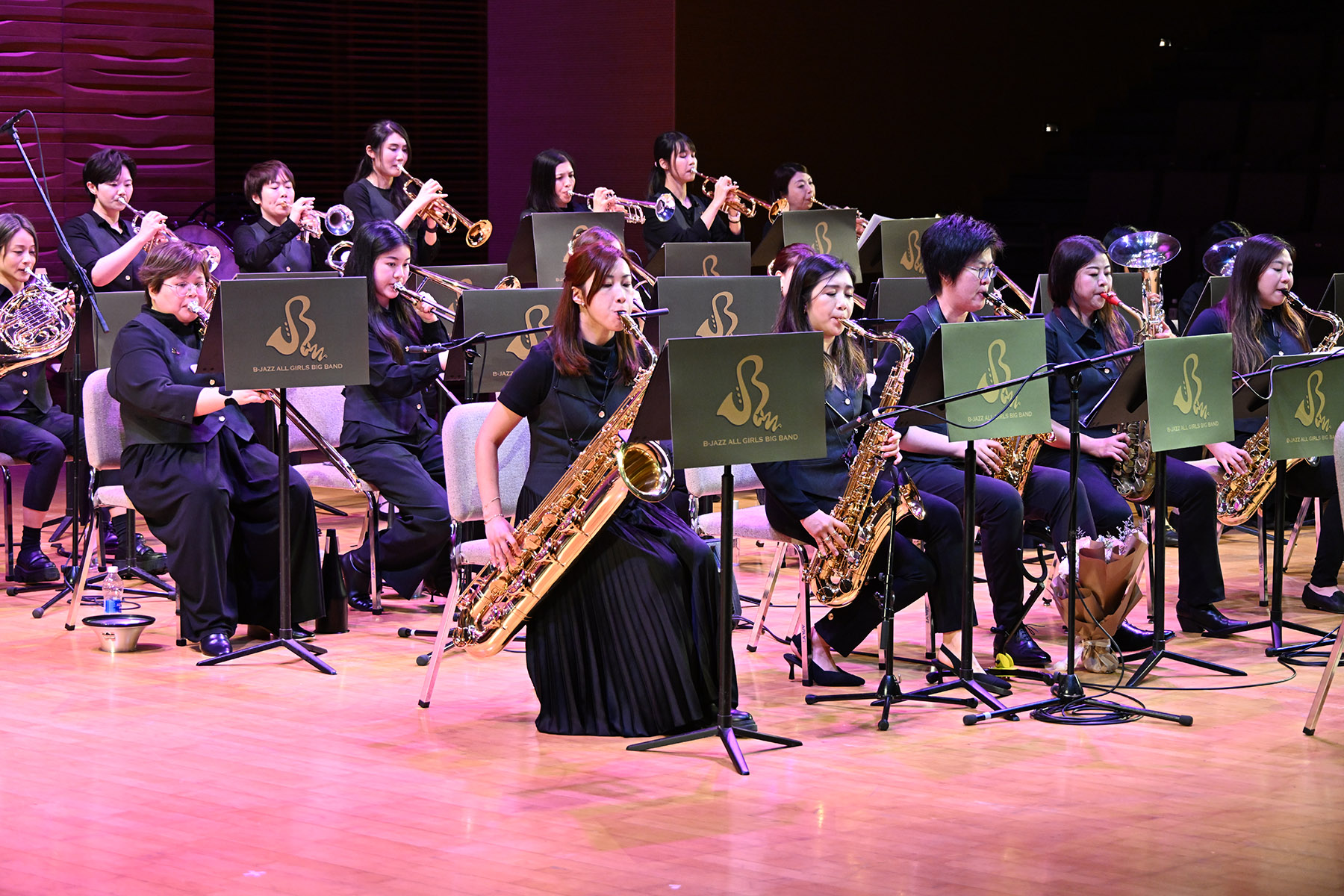
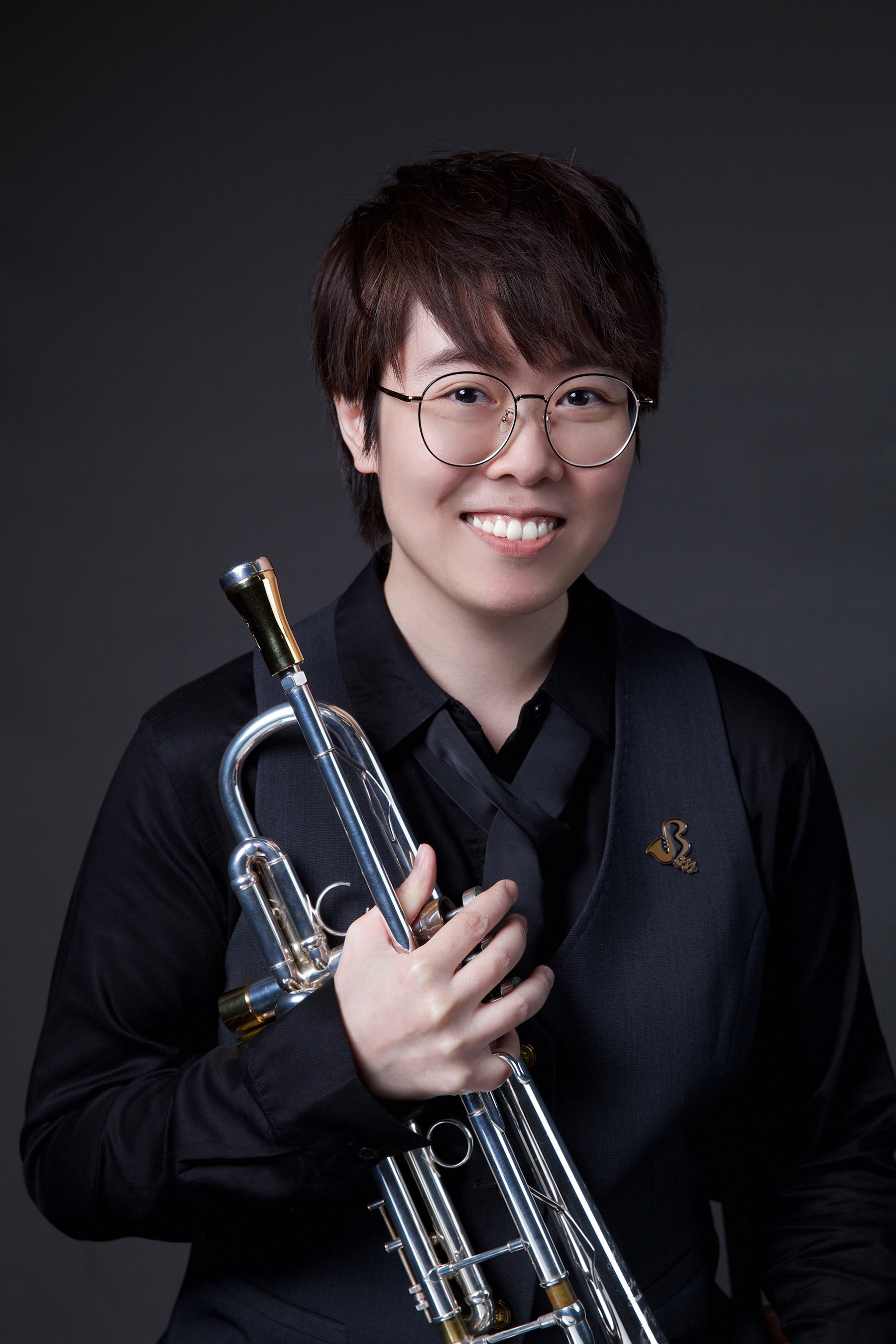
She has fond memories of discovery at HKFC over the years, especially while watching live jazz and blues music as a student. This is one of the reasons why Ng booked B-Jazz, described as Hong Kong’s first all-girl big-band. Founded in 2024, the 16-piece outfit will present two distinct programs: a collaboration with swing dancers called Fringe Maze: Swing & Laugh Night, on Jan 2; and Lady Jazzy Night, a bopping set of jazz standards, on Jan 25.
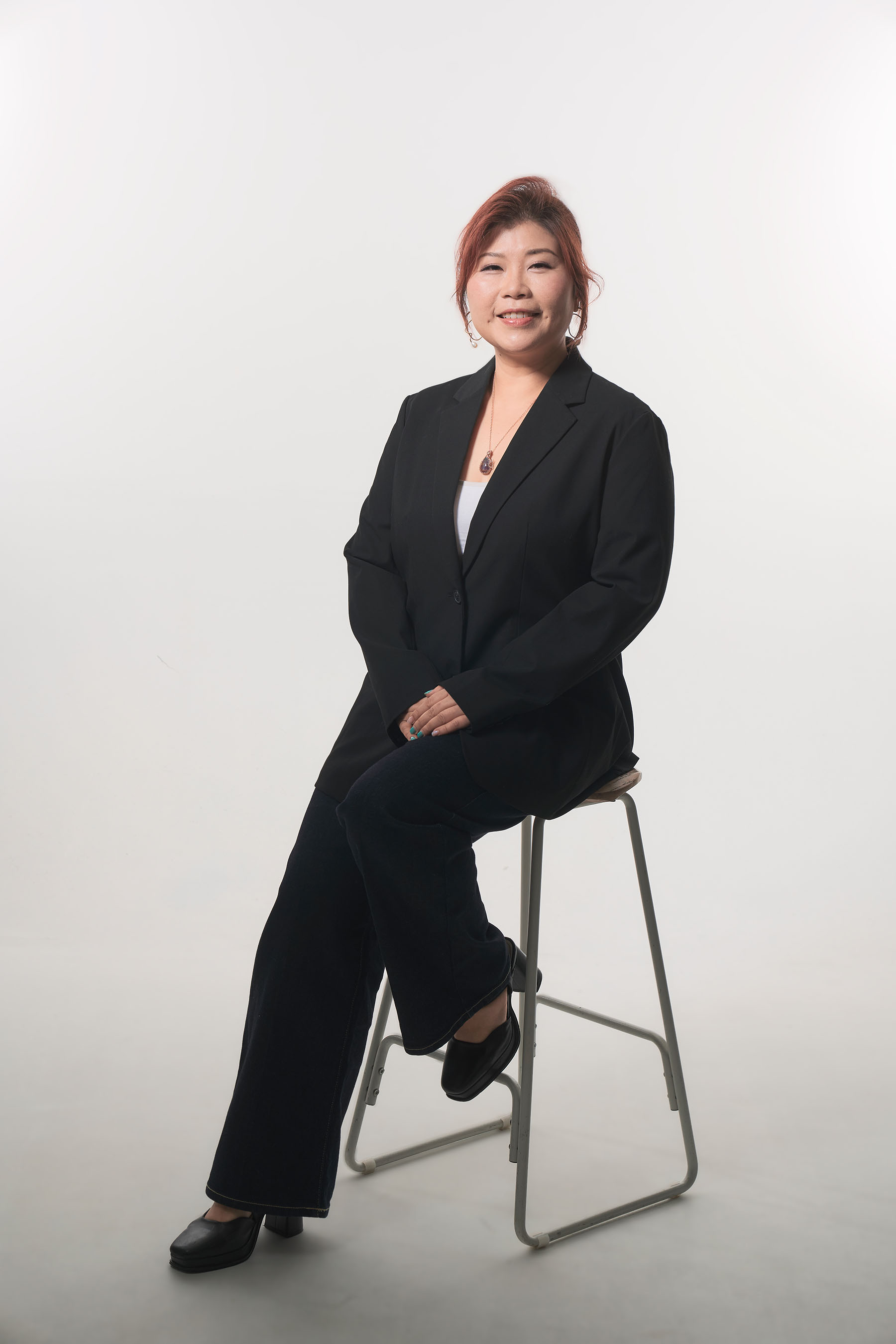
Band leader Becky Liu promises “bold brass with swinging rhythms” at the latter show. The venue’s “legacy of nurturing bold acts” makes performing a special occasion, she adds. “The Fringe Club’s intimate heritage space amplifies our big band sound perfectly, fostering close artist-audience connections that fuel our classical-to-jazz transition.”
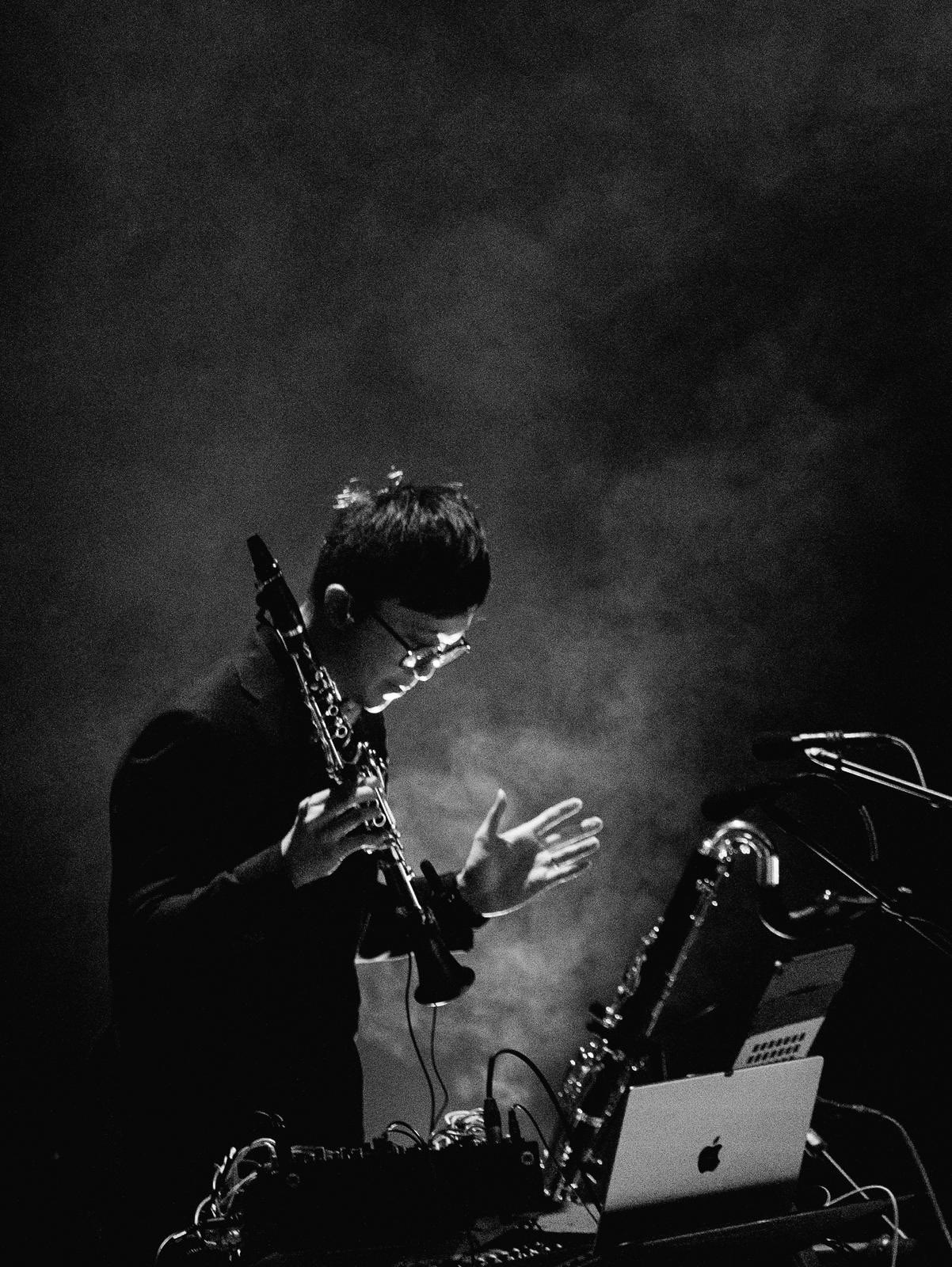
New-music clarinetist Linus Fung recalls the club’s formative role in supporting his classical chamber group The Timecrafters, by hosting a series of themed concerts that offered “unique venues with a vintage and intimate vibe,” he remembers.
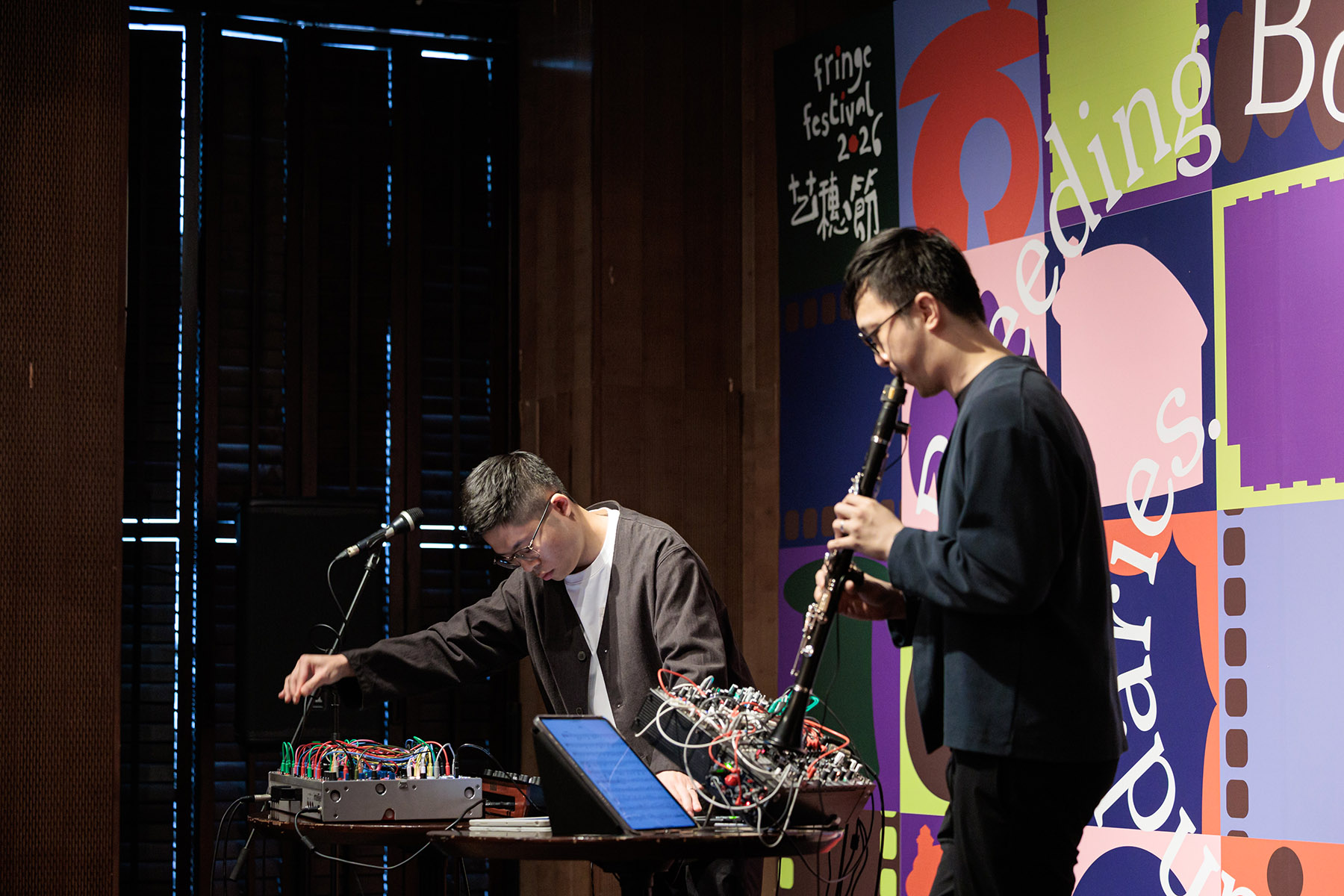
On Tuesday, Fung opened the festival’s ongoing edition with Volte, a brand-new five-section electroacoustic-duo recital alongside Chris Cheung, utilizing modular synthesizers to reinterpret classical repertoire by Bach, Schubert and Rachmaninov, as well as 20th-century composers Arvo Pärt and Salvatore Sciarrino. The piece is named for repeat brackets in musical scores, which “bring us back into loops and eventually pull us out of them,” he explains, inviting listeners to consider the circularity of life — from daily routines to the maxim that “history always repeats itself”. A fitting work, then, to open a festival in a Grade I-listed building once used as a dairy farm depot!
Laughter in the darkness
The theme of healing runs through strands of the 2026 festival. In the aftermath of the Tai Po fire tragedy, which rocked the city in November, the Hong Kong Music Therapy Association was invited to present three workshops integrating mindfulness and music.
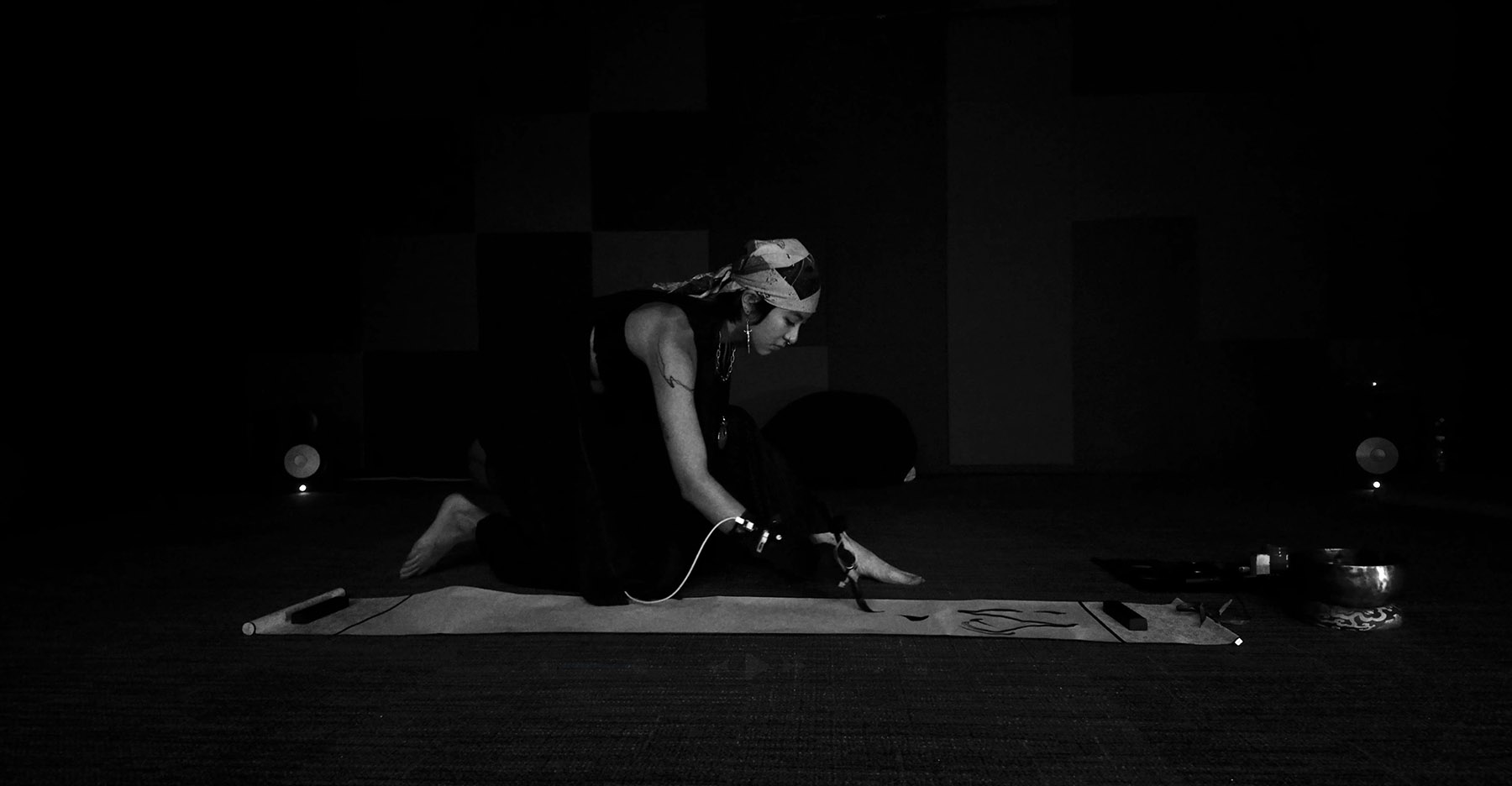
Closing the festival on Feb 15, Chinese Canadian artist Senaida’s Like Water, Like Clouds promises an improvised audiovisual ritual inspired by the qigong. The piece makes use of Tibetan singing bowls and a custom-designed paintbrush instrument to translate calligraphy into sound, inviting audiences to “experience softness as a radical act”, according to the program notes.
Meanwhile on Feb 8, celebrated soprano Yuki Ip is joined by Fung and pianist Nancy Loo for a musical program of “healing songs” titled Embracing Brokenness. Ng says that the show invites audience members to find hope amid “broken pieces”.
At HKFF’s press launch, comedians Vivek Mahbubani and Mohammed Magdi led a talk titled The Healing Power of Laughter, exploring the power of humor as a source of resilience and strength. “Laughter is basically something every human being enjoys and is able to do,” says Mahbubani. “At the end of the day, if I’m able to make you laugh, it doesn’t matter what our skin color is, what our language is, what we look like or what our gender is. We just connected — that’s the power of laughter.”
In that spirit of inclusivity, on Feb 13 both comics perform in Backstage Comedy’s The Big Beautiful Lineup Stand-up Comedy Show, a multi-headliner spectacle that Mahbubani describes as a “comedy buffet”, deliberately concocted to help newbies discover their preferred flavor of humor.
“It’s just like music — some people like jazz, some people like classical, you can’t say which is right or better,” he says. As such, they handpicked a diverse bill of performers. “So hopefully one of them will ring a bell with you and make you go, ‘Oh, turns out I like that comedy after all!’”

Open call, open arms
B-Jazz, Fung and Backstage Comedy are just three in more than 100 successful pitches to perform at the festival. The artistic breadth speaks for itself: from a mind-reading experience led by Zenneth Kok — titled The Memory Wall and due on Jan 4 — to a rock-music double bill pairing Mexican industrial band Deer MX with comedy-punk outfit Junk! playing on Jan 16.
Such diversity is nothing new. Over the past four decades, HKFC has historically “nourished local artists by providing a stage for experimentation,” Liu says. This noble goal was woven into its fabric, at its founding as a nonprofit charity in 1982. Since then the club has participated in 68 cultural exchanges across 15 cities, hosted over 1,600 exhibitions and 9,000 stage performances.
For Mahbubani, being invited to perform alongside three visiting international comedians at HKFC was an early career milestone. “Growing up in Hong Kong, anybody and everybody would know the Fringe Club as being the place for arts,” he remembers. “Performing here has made me feel that I’m established enough to call myself an artist.”
HKFF doubles down on this ethos. Its final program is drawn from over 260 applications; of which more than 160 came from Hong Kong-based artists. Artists who made their debuts at HKFC have often been encouraged by the response to pitch to overseas festivals. Notably, HKFC has represented Hong Kong at recent editions of the China Shanghai International Arts Festival and Performing Arts Fair.
ALSO READ: Arty gateway to the Global South
“The thing artists in Hong Kong most lack is a platform to develop new work, to create ‘works in progress’,” adds Ng. “Artists need an established program to act as an incubator. At the Fringe Festival, they can start creating in this really comfortable, small venue. It’s a stepping platform for young and emerging artists to find out what they want to do and how — before going out into the world.”
If you go
Fringe Festival 2026
Dates: Through Feb 15
Venue: Fringe Club, 2 Lower Albert Rd, Central
www.hkfringeclub.com/en/whatson/ index/7-Fringe+Festival+2026.html
