

Human-elephant conflict takes deadly toll in Sri Lanka
Editor's note: In this weekly feature China Daily gives voice to Asia and its people. The stories presented come mainly from the Asia News Network (ANN), of which China Daily is among its 20 leading titles.
Clad in his khaki wildlife officer's uniform, Dewagiri Mudiyanselage Thilakaratne Bandara rides his motorbike a short distance from his home to the electric fence that is the main line of defense against the dozens of wild elephants that live in the rapidly shrinking forest nearby.
The fence stretches 14 kilometers along the Usgala Siyambalangamuwa tank, a reservoir in the island's northwest, to protect the more than 2,000 families who live nearby.
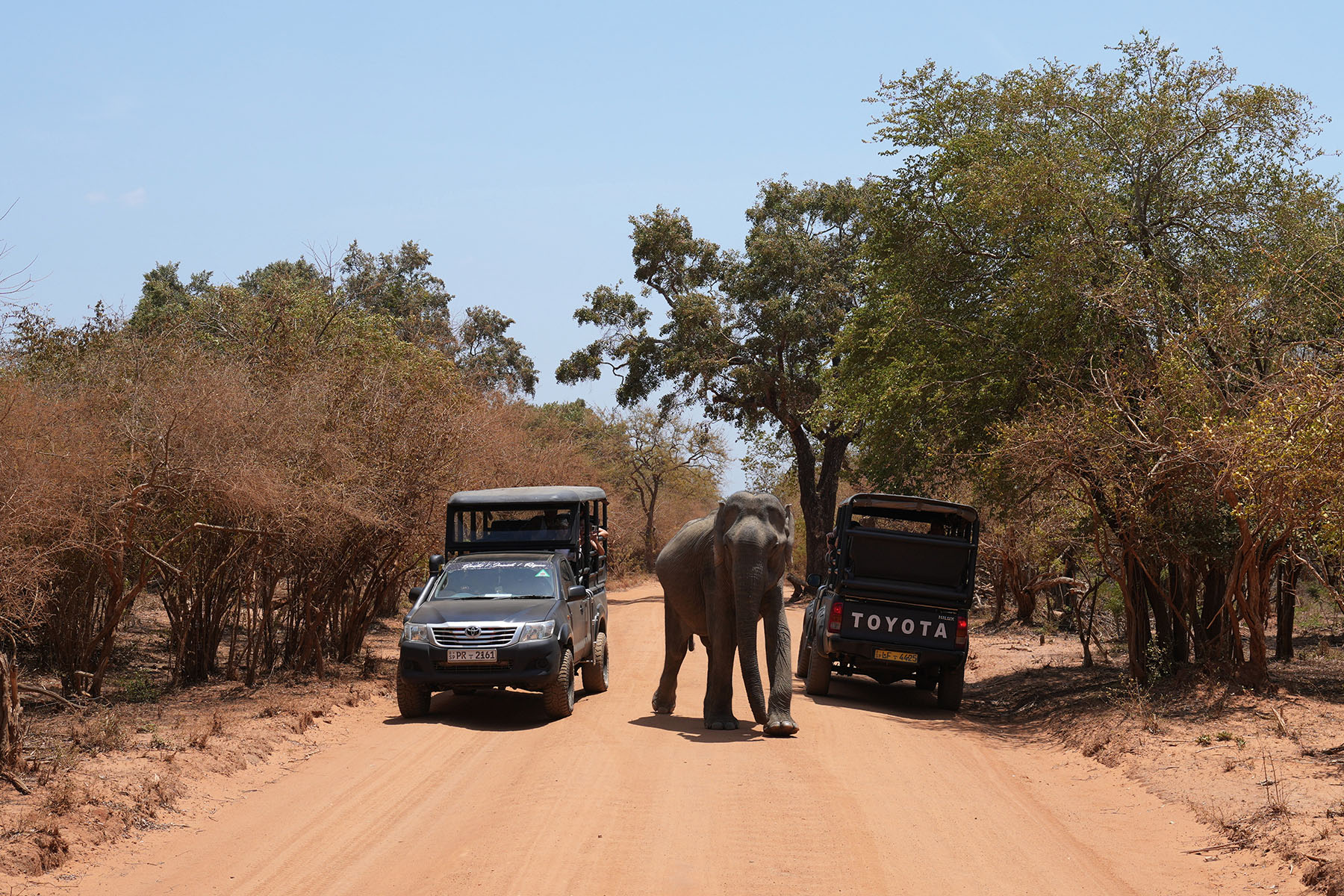
Galgamuwa is on the front line of one of the world's most serious human-elephant conflicts. An average of 138 people have been killed in encounters with the animals each year in Sri Lanka since 2019, the second-highest death toll in the world.
READ MORE: Sri Lanka deploys 4,700 personnel to tackle human-elephant conflict
The death toll for elephants, forced into villages for food as their habitat shrinks, climbed to an average of 402 a year during the same period, the world's highest.
Twenty years ago, there were large forests but eventually cleared and then the elephants started moving closer, Bandara said, as he worked to repair the fence with his team.
"When we were little, we had to go to a corner of the tank to see elephants. Now, in the nights, the elephants come to see us."
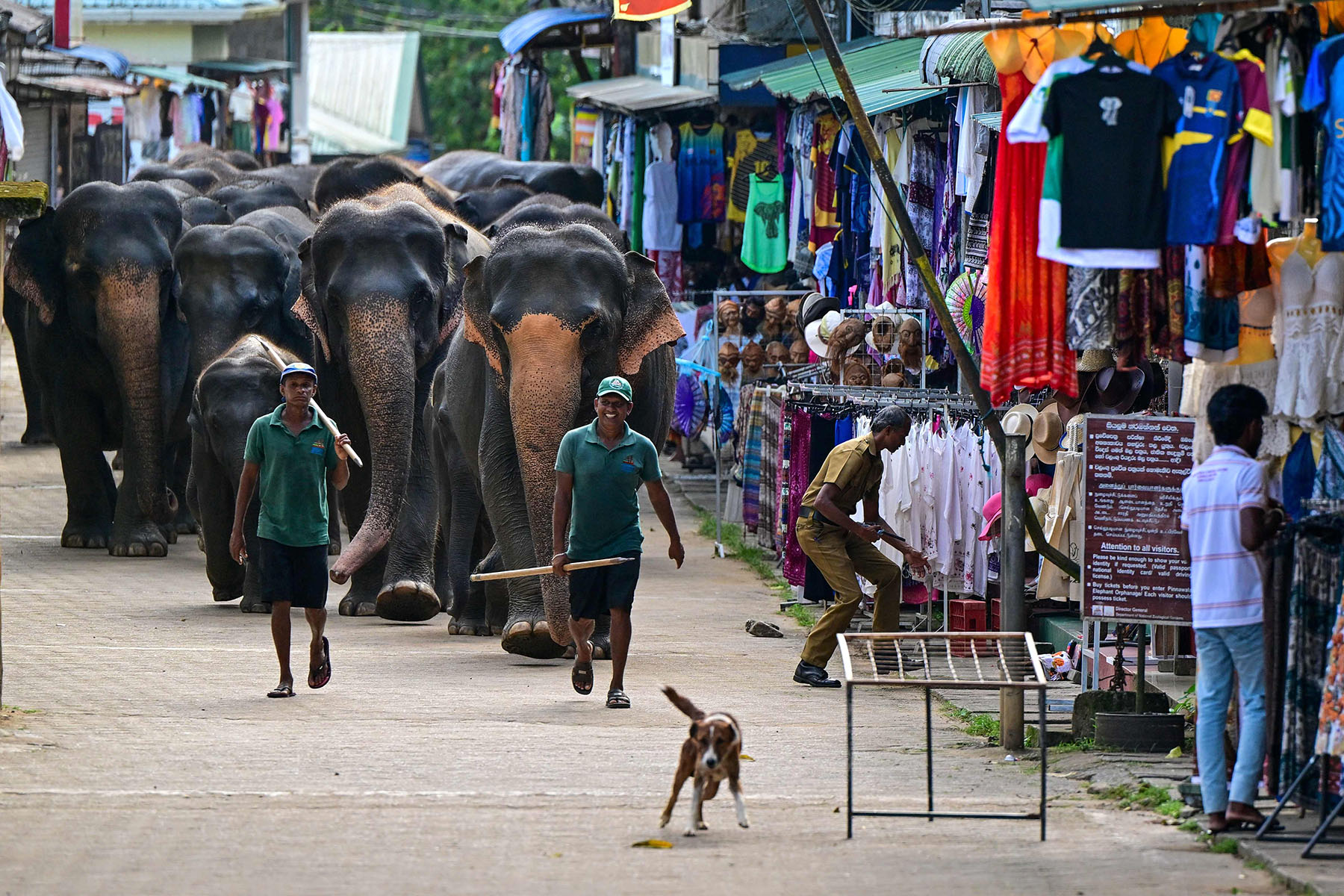
Sri Lankans have deep cultural ties with elephants. The animals feature in colorful temple pageants, and owning one is a status symbol. Elephants are also a mainstay of the island's $4 billion tourism industry.
But elephant deaths reached a record high of 488 in 2023, according to the Department of Wildlife Conservation. Data show dozens were shot as they encroached on villages, while others died from poisoning, electrocution, in train accidents or after falling into wells.
Tragic experience
Bandara, 48, has firsthand experience of how devastating the human-elephant conflict can be.
Last December, an elephant wandered into Bandara's backyard to snack on mangoes.
He attacked Bandara and his wife, Rathnayake Mudiyanselage Shirani Rathnayake, after she rushed to help him.
Bandara was left with a broken leg and dislocated shoulder. Rathnayake, also 48, was trampled and had to have her right leg amputated. She now uses a wheelchair.
"Our lives are now completely different from before the elephant attack. We used to farm together. But 200 percent of those activities have been disrupted. Now we must look after her and the mental strain of that is something we both feel," Bandara said, standing outside his home.
Villagers have been forced to adapt their daily lives to reduce the risk of confrontations.
The nearby school starts lessons 30 minutes after the nationally mandated time of 7:30 am to avoid the early morning when elephants might be around. Villagers also finish work earlier so they can get home before dark, while funerals and weddings are scheduled to minimize the chance of an elephant encounter.
ALSO READ: Action taken to reduce conflict with elephants
Bandara and his neighbors have a WhatsApp group dedicated to tracking elephant movements. Neighbors often come together to try and chase away any elephant that attempts a raid, yelling and lighting firecrackers, and also take people to hospital in the event of an attack.
Bandara hopes for an end to forest clearing, usually done for farming, and wants to see a commitment to reforestation.
Sri Lanka's forest cover has plummeted from roughly 70 percent in the 1920s to about 34 percent today, World Bank data show.
To complicate matters, as many as 70 percent of Sri Lanka's estimated 7,451 wild elephants live outside protected areas. The elephant population is also growing, recording a 27 percent increase from a decade ago, according to the latest census data.
All this has pushed elephants and people closer physically.
"I do not feel any hatred toward the animal or any animal. He was hungry because of the activities of us humans," Bandara said.
"I see this situation more as karma that my wife and I must endure. What will I get by hating that animal? He is innocent."
