

Tourists are spending extra time experiencing rural China through regional food, culture and nature, reports Yang Feiyue.
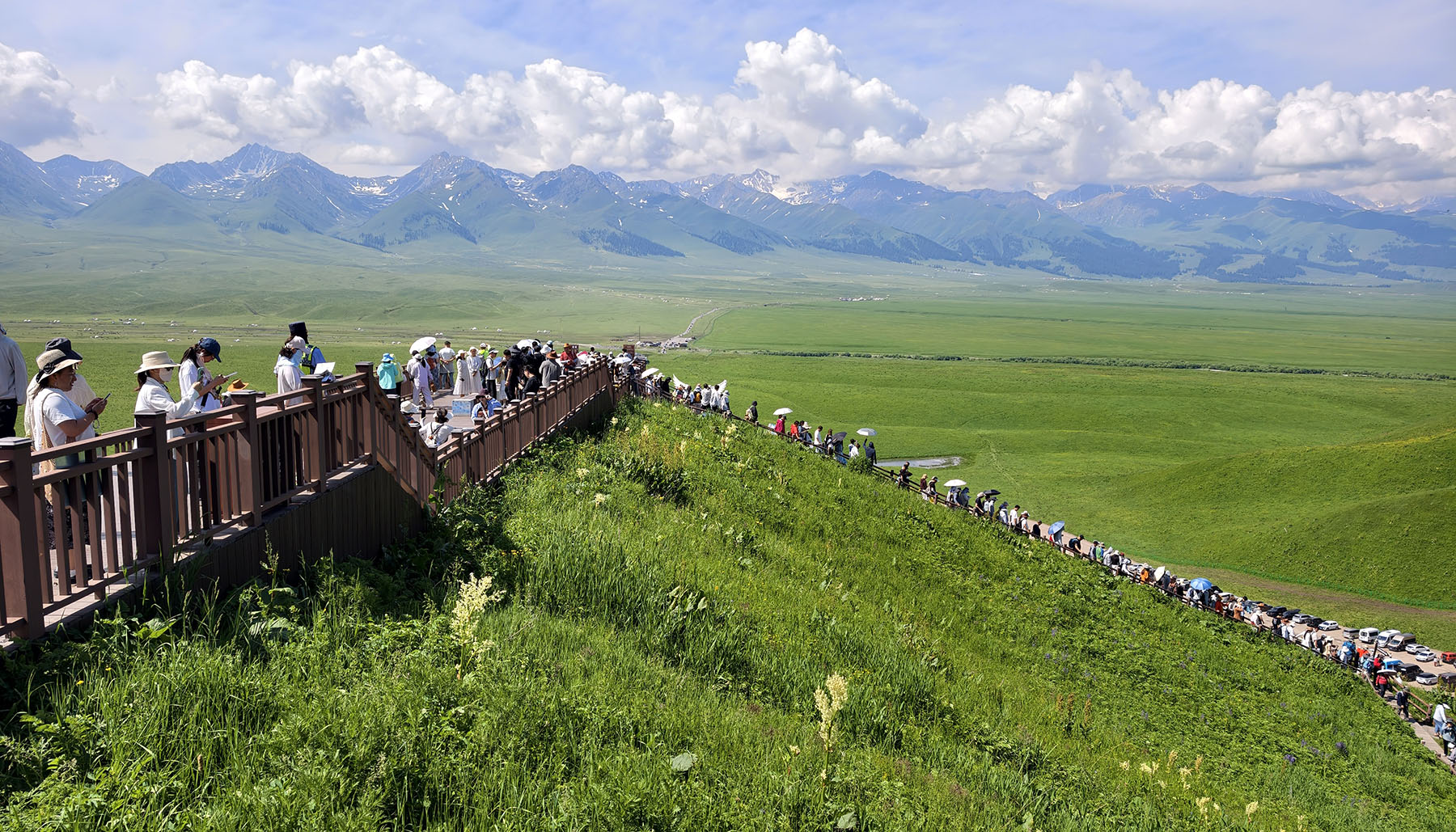
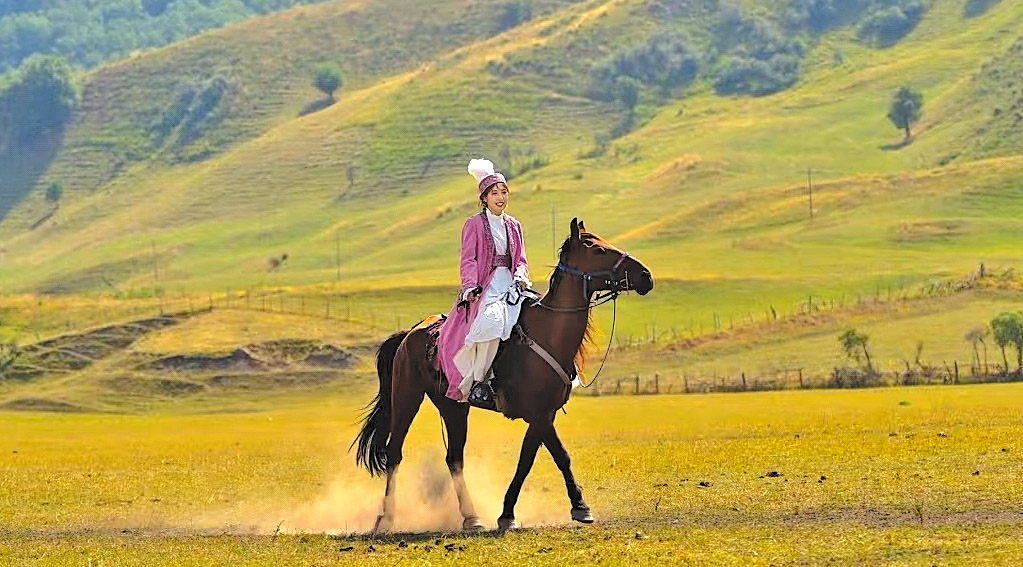
For many visitors staying at a resort near the Nalati Grassland in Northwest China's Xinjiang Uygur autonomous region, the first surprise came with a cup of milk tea served in a traditional yurt.
"They expected a sweet drink only to find it salty and served with foods such as baursak, a type of fried dough," says Subinur Abdumaimaiti, a service supervisor at the resort.
Although the guests were initially unfamiliar with the taste, they often asked for more the next day, she says.
"The tea and local snacks grow on them, and they usually tell me later that the tea tasted 'like the grassland'," she says.
For Subinur Abdumaimaiti, a young woman from Hotan in southern Xinjiang, the encounter is part of a job that made her want to return to the place she first experienced as a university student.
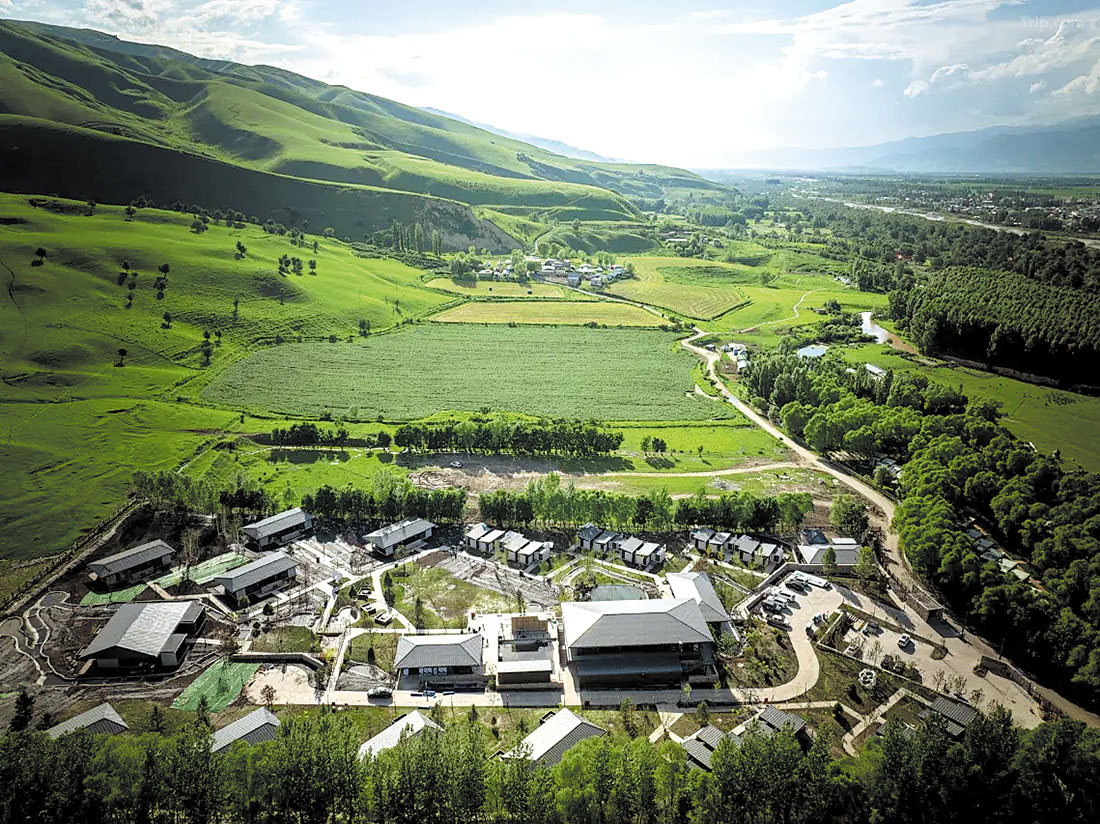
She studied tourism management at Yili Normal University and first came to Nalati for an internship during her junior year. The vast grassland made a strong impression on her, and she returned after graduating in 2024.
"It just fit what I had learned at school," she says.
As a front office supervisor, Subinur Abdumaimaiti checks guests in, handles complaints, and coordinates front office services. Increasingly, however, her work has involved explaining the food, language and customs of the Kazak people who have long lived on the grassland.
"I've come to regard this area as my second hometown," she says.
Many of her colleagues are also young members of the Kazak ethnic group. They recommend restaurants and lesser-known places to visit, introduce local customs, and sometimes teach visitors simple Kazak words and expressions.
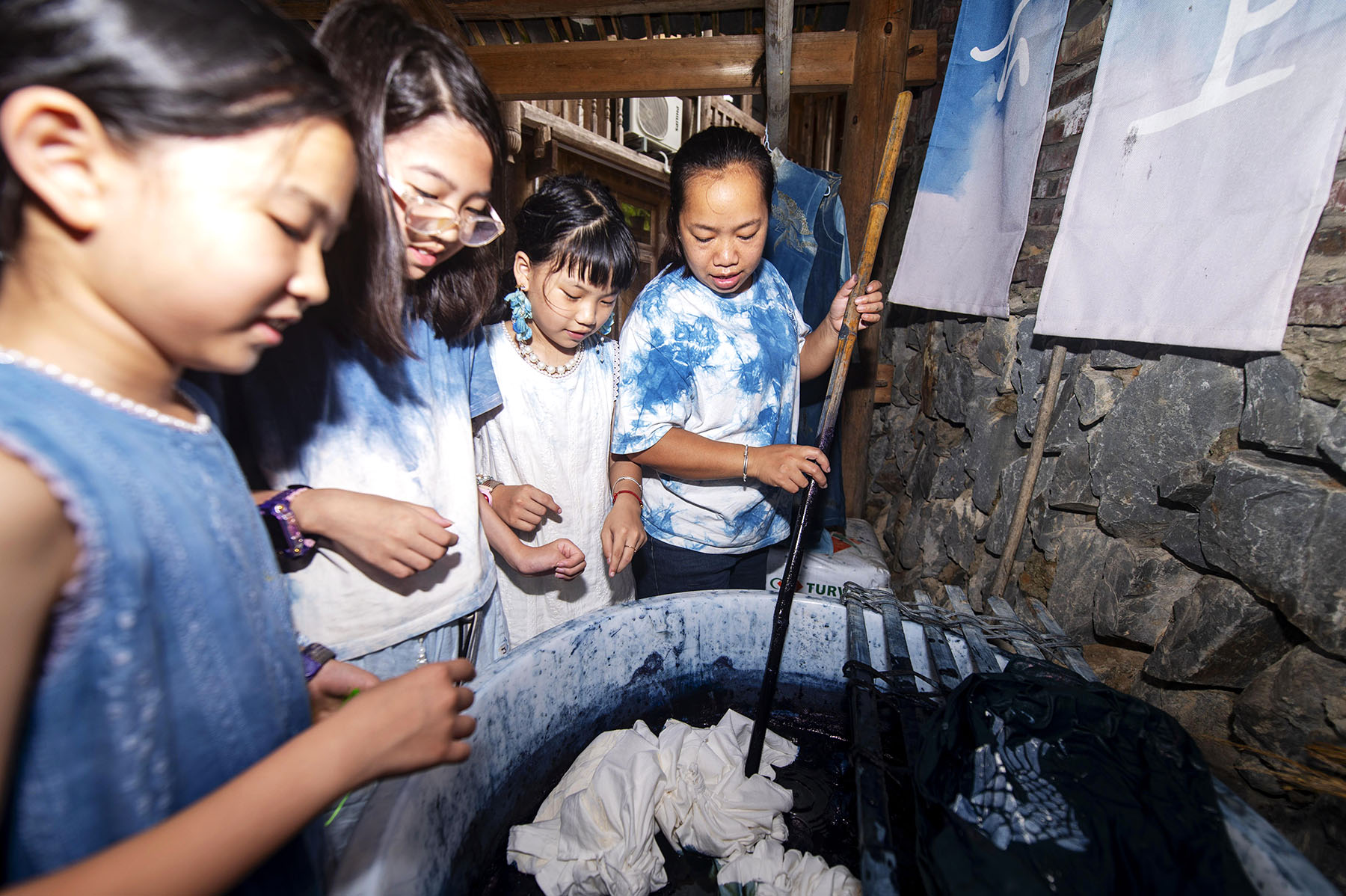
Such locally rooted experiences are becoming part of the wider rural tourism landscape. Major online travel platform Trip.com Group reports that rural retreats are collaborating with other businesses and intangible cultural heritage practitioners to spice up travel experiences.
Subinur Abdumaimaiti has also noticed that visitors are changing how they spend their time in Nalati.
Longer stays
When she started working in Nalati, many hotel guests arrived by shuttle bus and followed the classic "high-altitude grasslands" route. They took photographs, and stayed one night before leaving early the next morning.
Over the past two years, she has noticed more visitors driving themselves and staying longer.
Nalati has three main sightseeing routes. Its self-driving tickets are valid for 48 hours, and more visitors use the extra time by staying at least two nights.
"Instead of treating the hotel as a place to sleep between scenic-area visits, some spend more time relaxing near their accommodation and look to experience local life," she says.
An afternoon tea project inside a yurt, introduced this year, allows visitors to try freshly made salty milk tea, baursak, and other local foods. Some guests also receive coupons for free horseback riding.
"They ask questions about local customs, food and language more now, rather than only asking where the next scenic spot is," she says.
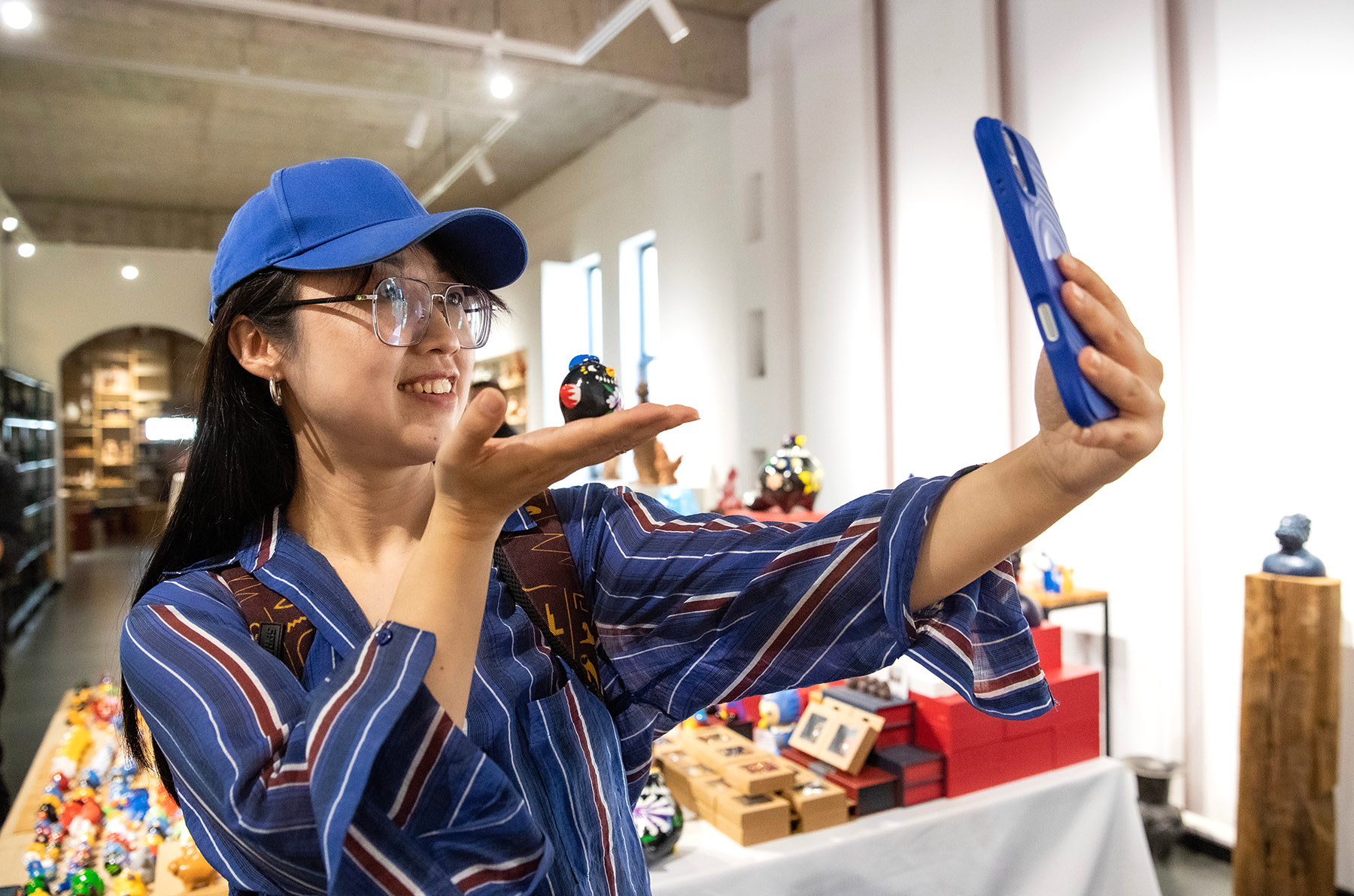
Her observations come amid continued growth in domestic tourism, as travelers spend more time and money exploring destinations beyond conventional sightseeing.
In 2025, domestic travelers made 6.52 billion trips, up 16.2 percent year-on-year, while domestic tourism spending reached 6.3 trillion yuan ($940.7 billion), up 9.5 percent, according to the National Bureau of Statistics.
The changing tourism landscape is also reflected in the country's plans for the next five years. On Sept 16, the Ministry of Culture and Tourism issued its culture and tourism development plan for the 15th Five-Year Plan (2026-30) period, which calls for improving tourism products and services, developing new tourism formats, and promoting closer integration of culture and tourism, including more coordinated development between urban and rural areas.
The change is also visible in Foping county, Shaanxi province, where nature educator He Xinyue has found that visitors are looking beyond the destination's best-known attraction.
More than pandas
He, who was born in 1998, arrived in Foping in April 2025 after several years working in rural tourism in Zhejiang province.
She had worked in Moganshan and Anji, where rural tourism was already relatively well developed, with a range of bed-and-breakfast accommodations, cafes and popular photo spots, plus activities such as picking tea, gathering bamboo shoots, and other local cultural experiences.
Foping feels very different.
Set in the Qinling Mountains, the county is quieter and less developed, with fewer artificial attractions. To He, it is "a piece of unpolished jade".
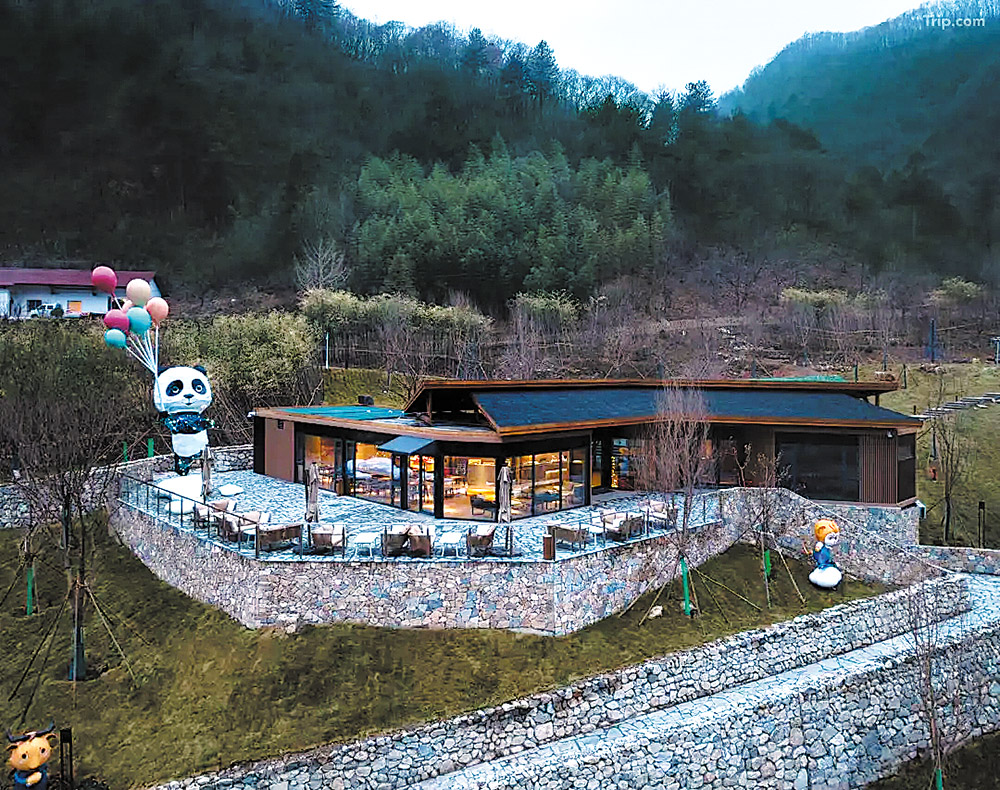
About 80 percent of the guests at the resort where she works come mainly because of the giant pandas. The panda base is about a five-minute drive away, while the golden snub-nosed monkey base is only 100 meters from the resort.
When guests stay here, He often invites them to visit the monkey base the following morning.
She begins by introducing Foping as the "home of giant pandas" and the "home of dogwood". During the short walk from the resort to the monkey base, she points out plants, fruit trees, birds, and small animals before explaining the monkeys' habits.
"Many visitors arrive in Foping having already searched for giant pandas and the Qinling Mountains," He says.
But once she starts walking with them, their attention often shifts to the things they hadn't noticed.
"I would point out plum, dogwood, walnut, and chestnut trees along the way, and help guests identify birds they may have heard about but never seen," she says.
When the names begin to match the things in front of them, some guests tell He that "the world seems clearer".
He has also learned from the questions visitors ask her.
Her interest in birds started while taking photographs around the resort. Soon after arriving in Foping, she photographed a magpie and realized that she could not identify the bird confidently.
"It came as a shock since I had always known the bird as a symbol of good fortune."
As her photo collection grew, she put together a simple birding guide for resort guests.
The guide is still being updated.
When guests ask her about a bird she cannot identify, she researches it and adds what she learns. Their questions have, in turn, pushed her to learn more about the wildlife around her.
The walks also give He a chance to explain how visitors should behave in the mountains.
She tells guests to keep their distance from wild animals and not to feed them. Golden snub-nosed monkeys naturally eat plants rather than high-sugar foods such as bananas and grapes, she explains.
"Feeding them can interfere with their natural diet, while getting too close to wild animals can put people at risk," she adds.
Visitors are also reminded not to litter or enter restricted areas in the Qinling Mountains.
The shift toward more immersive rural tourism is also creating job opportunities for people in and around the destinations they help visitors discover.
Trip.com reports that its resort-farm operations and related industry partnerships created 11,000 jobs last year.
He began working in rural tourism in June 2020. Before that, she had interned at a five-star hotel in a city.
"Urban hotel work was fasterpaced and often took place indoors. In the mountains, I can watch the weather, hear birds, and see the seasons change around me," she says.
She has seen rural tourism give young workers firsthand experiences of living and working in different places.
In Foping, where He works, there are several young resort managers, including five Foping county natives.
Subinur Abdumaimaiti says her work in Nalati has given her more formal training in hospitality and customer service and helped her become more confident in dealing with visitors.
"It has been a great opportunity, since I had little systematic training at the time and limited experience dealing with different scenarios," she says.
She wants to continue working in Nalati and introduce what she calls the "real, warm, and vivid" side of the grassland.
Contact the writer at yangfeiyue@chinadaily.com.cn
