

For nearly 40 years, Fang Beisong has conserved waterlogged bamboo slips, turning fragile pieces into historical treasures, Deng Zhangyu reports.
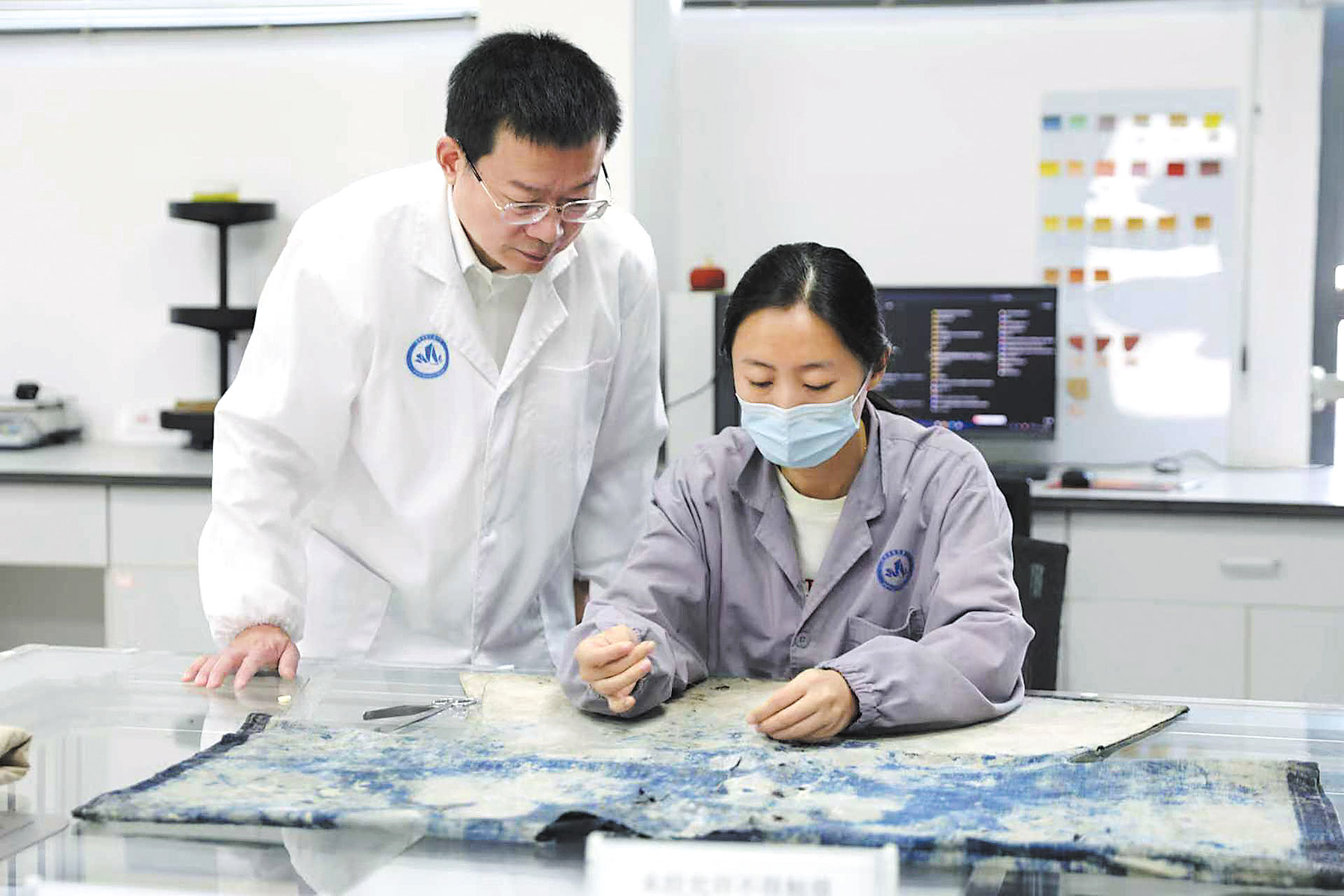
If cultural relics had a hospital, Fang Beisong would be the attending physician for "critically ill" bamboo and wooden slips. Many of his "patients" have spent 2,000 years underground. They are as soft as noodles and crumble at a touch. In his hands, mud is washed away, fragile fibers are stabilized, and rotting bamboo once again reveals words written centuries ago.
Cleaning and decolorizing. Dehydration and reinforcement. Drying and shaping. Bonding and repair. To bring one decayed, millennia-old slip back to life takes more than 20 steps. The work is repetitive, intricate and demands extraordinary patience. Fang, director of the Jingzhou Cultural Relics Protection Center, has done it for 38 years.
READ MORE: Unearthing ancient voices
Before paper was invented, bamboo and wooden slips, known in Chinese as jiandu, were a primary writing medium in China. They recorded detailed laws, official documents, military and economic systems, and daily life. Their value is twofold: they are physical relics and carriers of text, and they are also key evidence for understanding ancient history before papermaking.
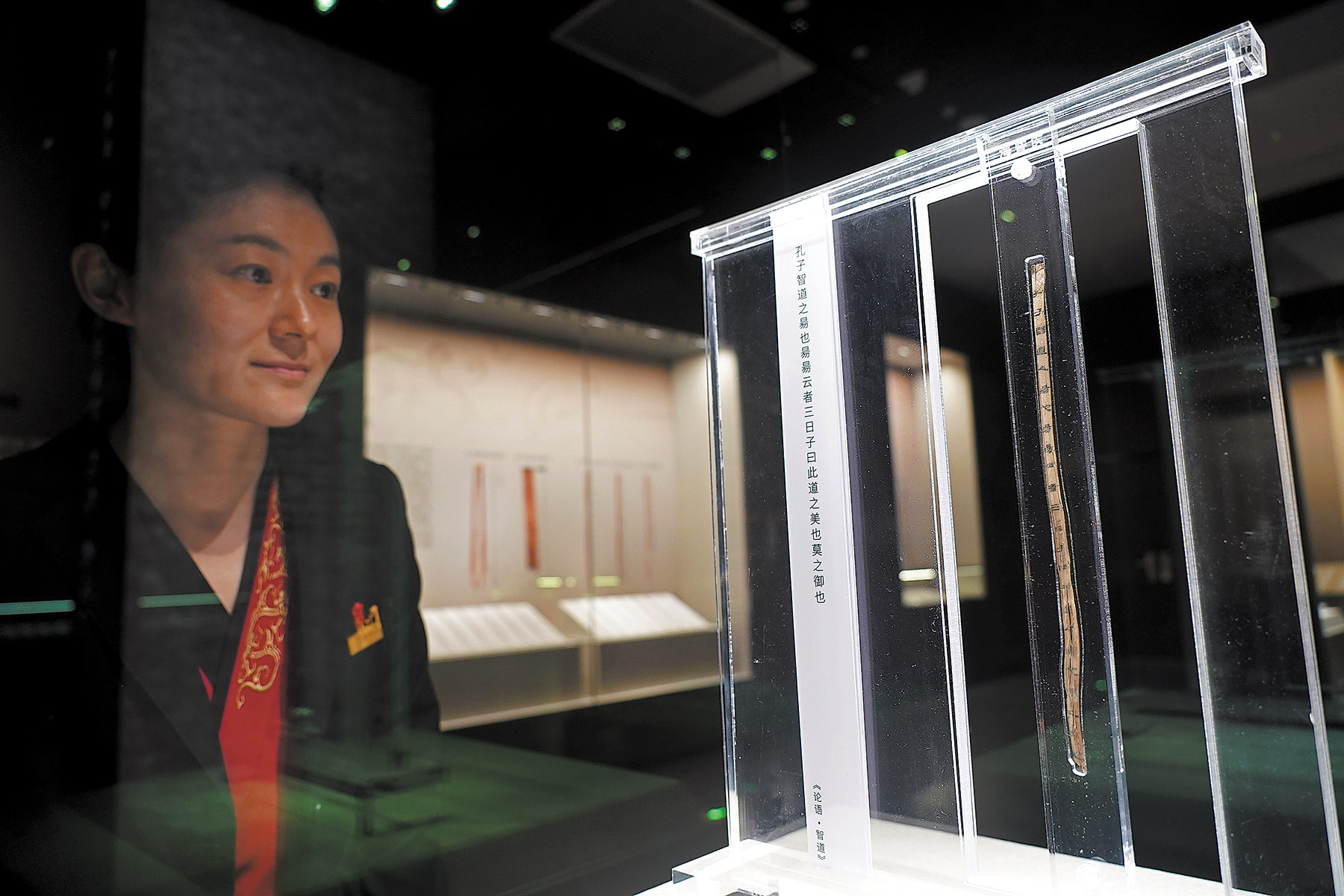
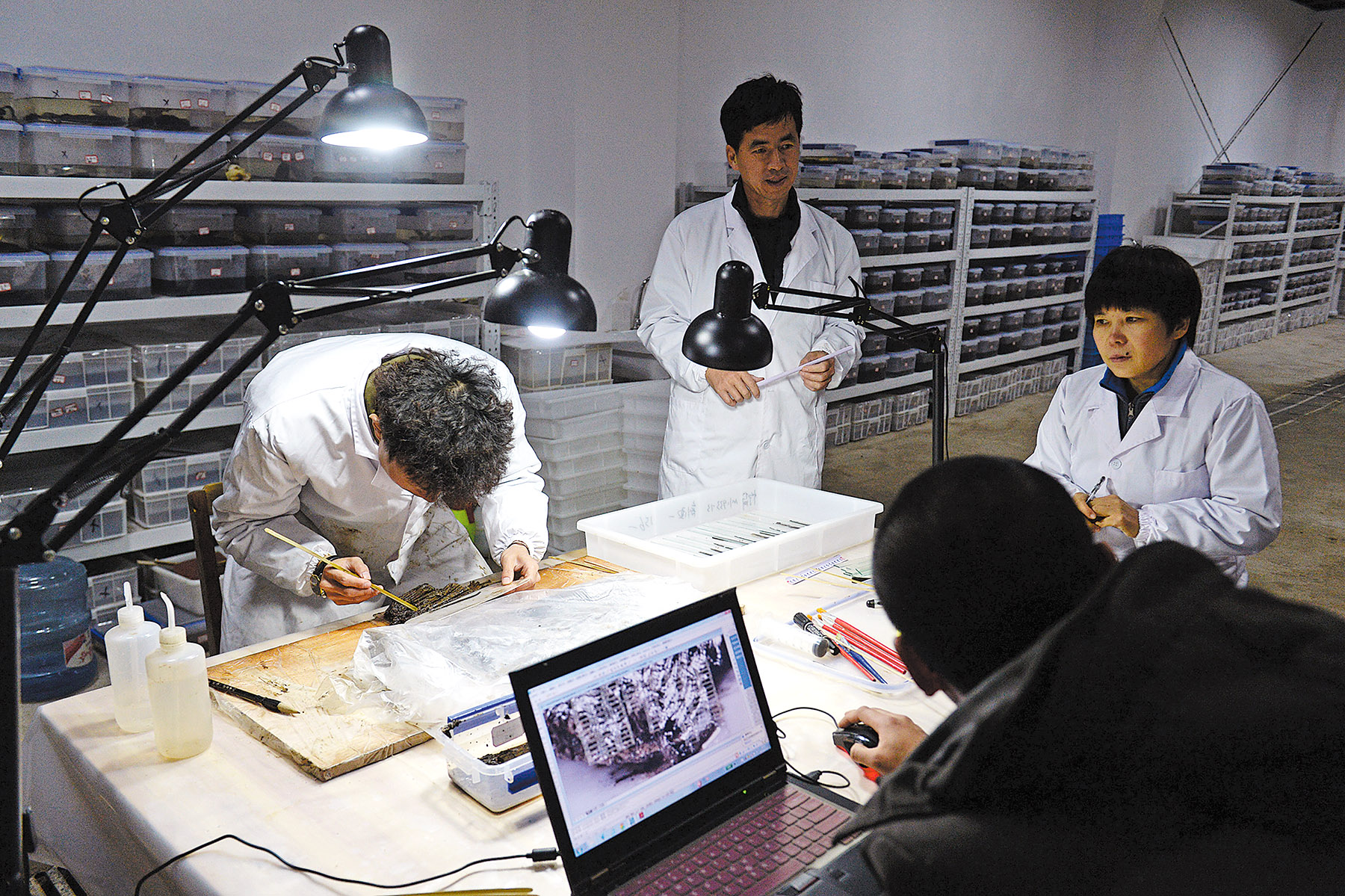
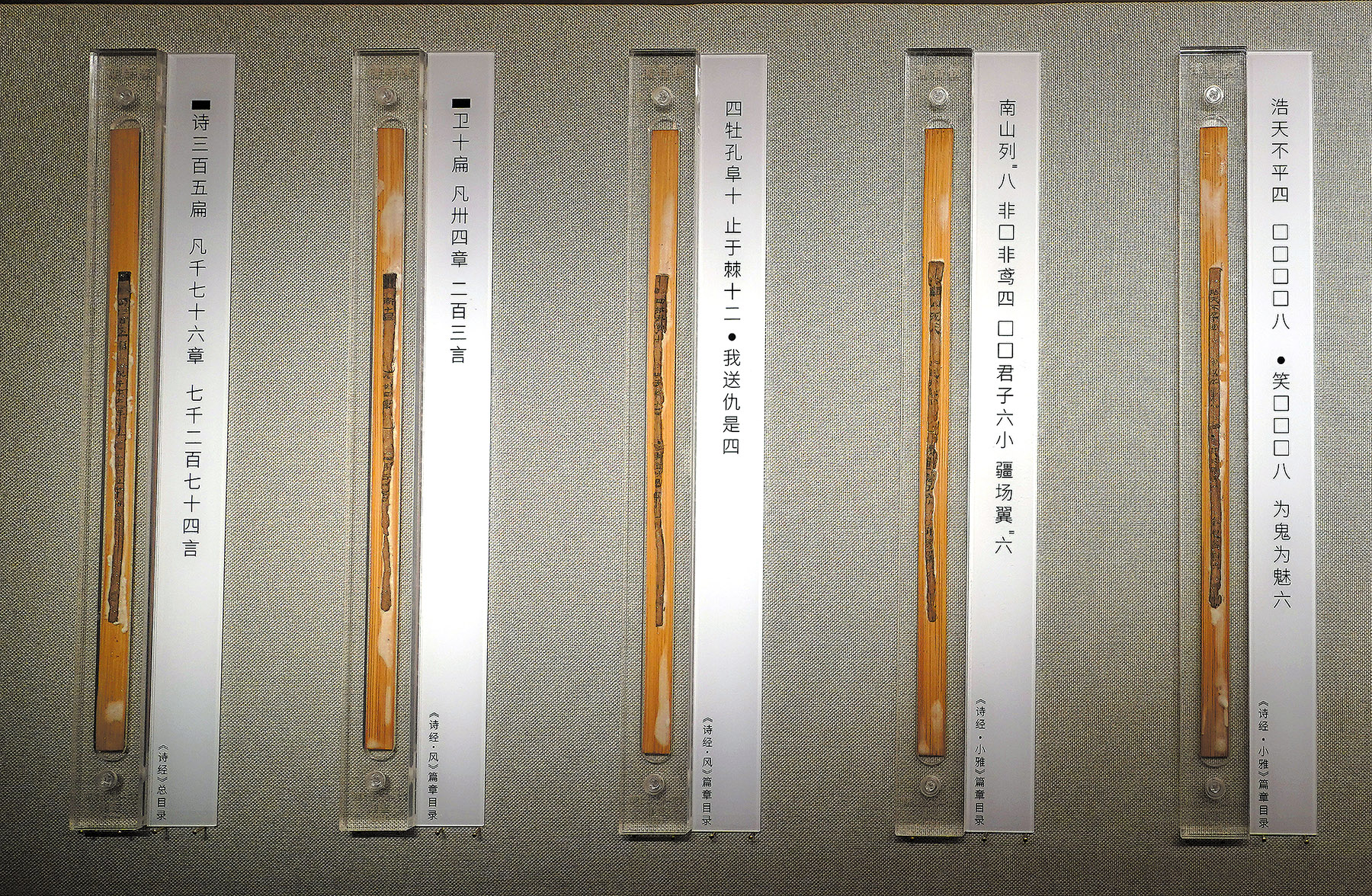
The exhibition on jiandu culture now on display at the Nanchang Relic Museum for Haihun Principality of Han Dynasty is the result of more than a decade of careful treatment by Fang and his team.
In 2015, more than 5,000 bamboo and wooden slips dating back 2,000 years were unearthed from the tomb of Liu He, Marquis of Haihun, in Nanchang, Jiangxi province. When they were found, they were damaged, deformed and severely decayed. Restoration was extremely difficult, and nearly every slip had to be handled individually, says Fang. These slips took his team 10 years to conserve — the longest and most challenging project of his career.
Bamboo slips from the tomb of Liu are far from the only case. Major bamboo and wooden slip projects across China have involved Fang's team in Jingzhou, Hubei province. The team has grown from two people to more than 20 professional conservators. Over the past decades, it has provided technical support to more than 120 museums and cultural institutions, handling over 80 percent of the conservation efforts for waterlogged bamboo and wooden slips in Southern China.
"Slip conservation is a race against time. Bamboo and wooden slips are organic relics. Every minute of delay increases the risk that the writing will disappear or be destroyed," says the 60-year-old.
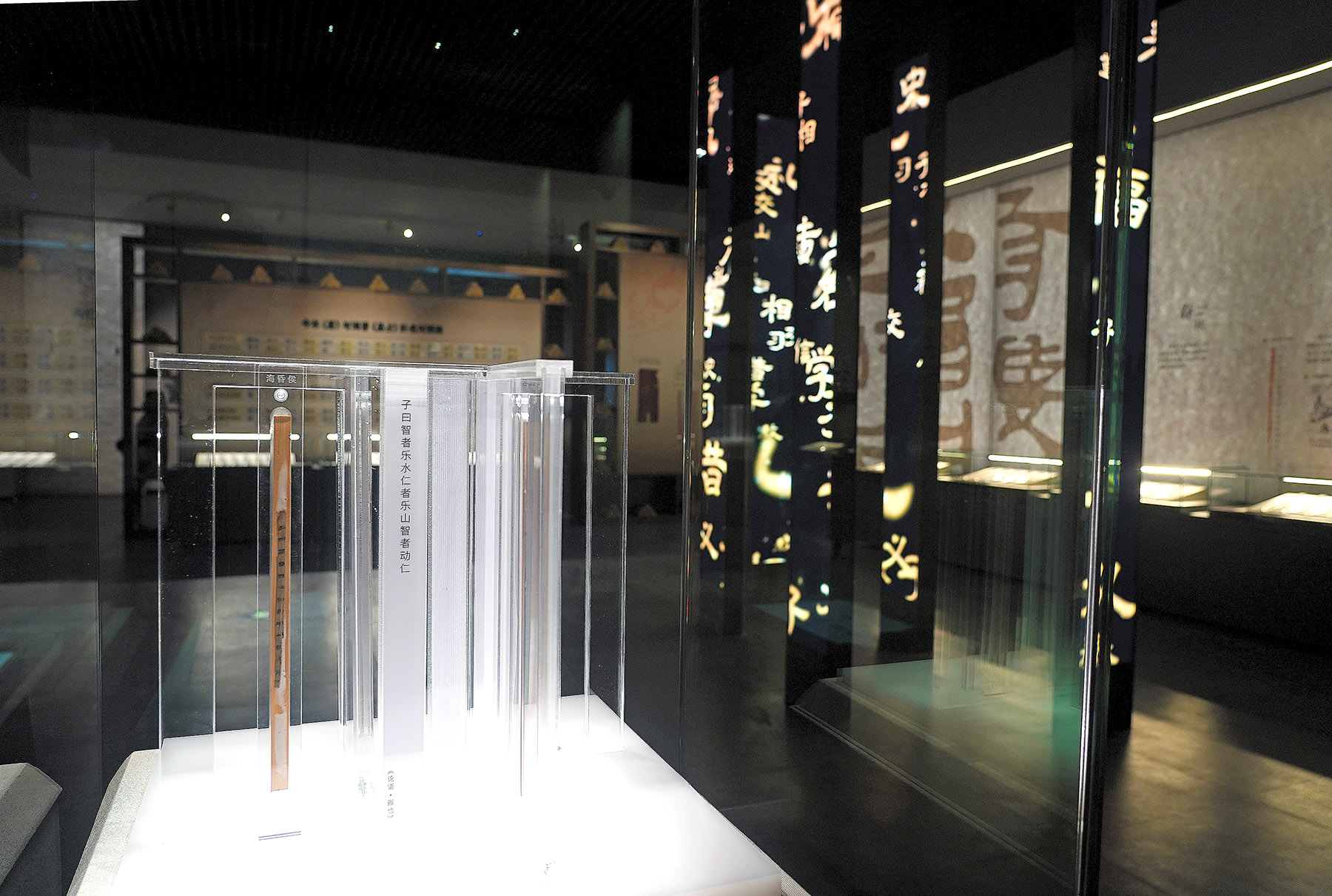
Love for the work drives him, he says, but what weighs on him more is responsibility.
In 1988, Fang graduated from Wuhan University with a degree in chemistry. Interested in history, he joined the Jingzhou Museum. At the time, large numbers of slips, lacquerware and silk textiles were being unearthed in and around the city. South China's damp underground environment had created many waterlogged slips. Once exposed to air, they oxidized quickly, turned black, and their writing faded. Conserving waterlogged slips was once a nationwide challenge.
Fang remembers that only he and his mentor, Wu Shunqing, were doing conservation work at the museum. In 1992, he saw unearthed slips for the first time. "They were black and covered in mud. Soon after they were unearthed, they darkened quickly, and the characters gradually became blurry," says Fang. Seeing that, he resolved to find a way to restore them to their original appearance.
Decolorization and dehydration are the keys to slip conservation. Around the year 2000, after countless experiments and trials, Fang and his team found chemical substances that could restore blackened, oxidized slips without damaging the bamboo fibers or the ink on them. He then solved the problem of dehydration and shaping, finding chemical materials that could replace water molecules inside the slips and fill them with a stable structure. Those solutions are still used in China today for conserving waterlogged slips.
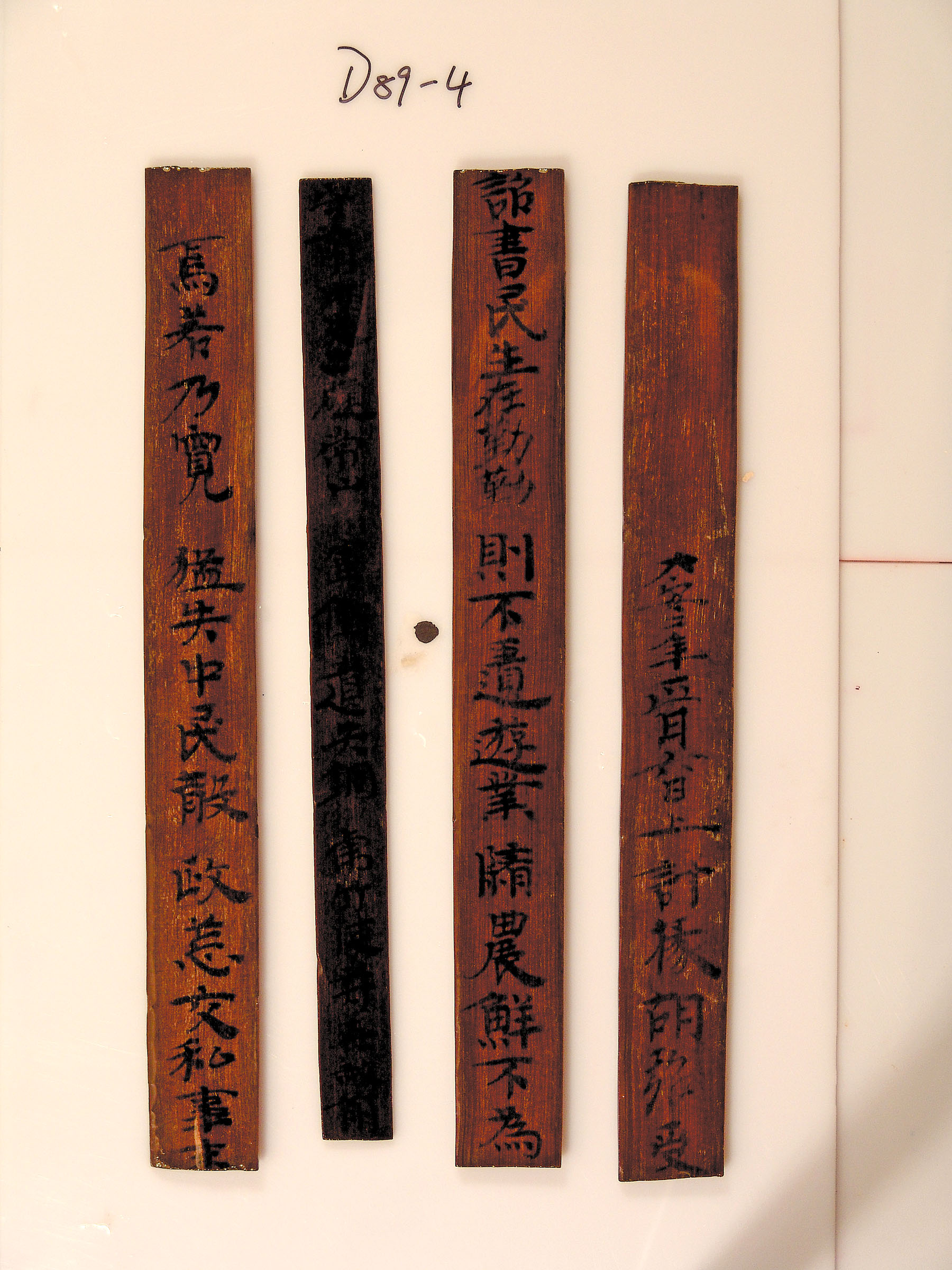
The dehydration and drying process is often full of risk. The oven must run continuously for days and nights. To guard against the danger of temperature abnormalities, Fang often slept in the studio, getting up every half hour to check the oven's status.
The sleepless nights in his studio, Fang says, were all worth it the moment the writing on a slip appeared clearly.
He still remembers repairing bamboo slips unearthed from a tomb at Qinjiazui in Jingzhou dating to the Warring States Period (475-221 BC). One slip records a multiplication table, almost identical to the version used today. It is the earliest known physical multiplication table in the world, dating back more than 2,300 years. When the text became clear after his restoration, he felt a huge sense of achievement.
Good slip restoration requires more than talent. "Restorers must be able to settle down and endure day after day of repetitive work," Fang says. "They must also be meticulous, deft with their fingers and sensitive to subtle changes in the relics."
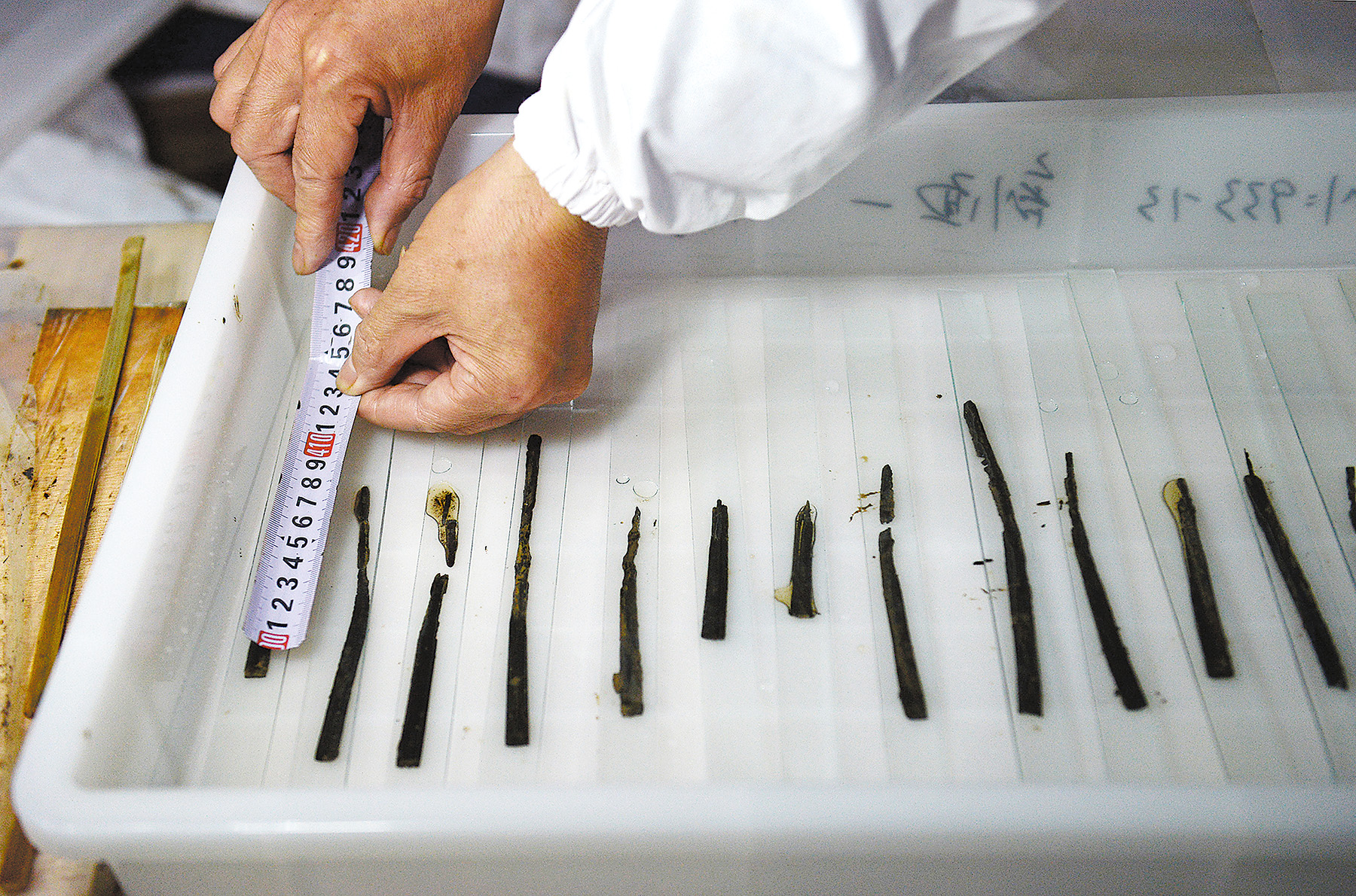
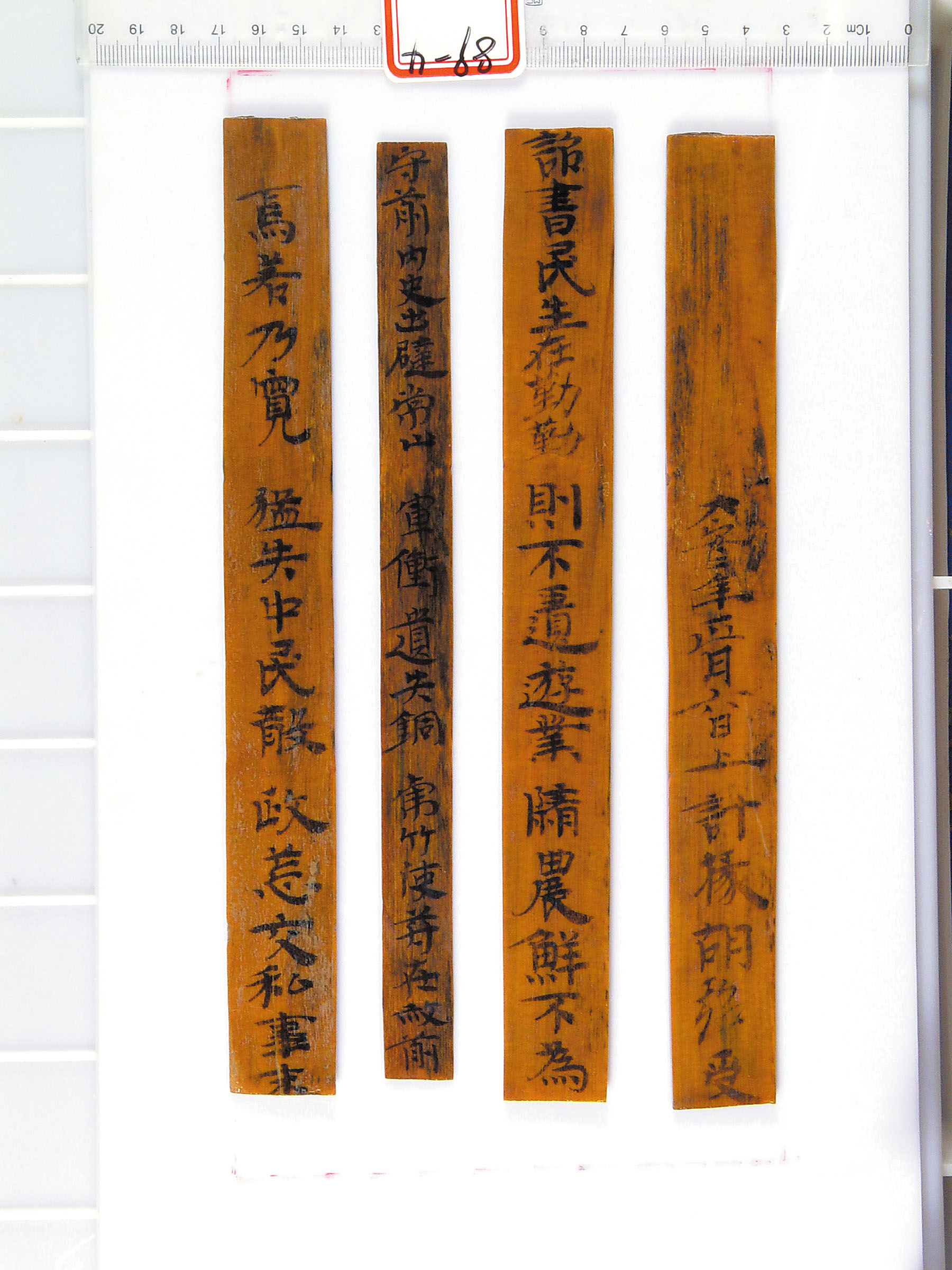
He adds that cultural relic restoration is never simply a matter of assembling and patching things back together. Every slip has decayed in its own way. No universal formula can be applied. Treatment must target the specific damage to each individual piece, adhere to the principle of minimal intervention, and preserve the authenticity and integrity of the historical information it carries. In Fang's eyes, a conservator is nothing less than a "doctor".
When cleaning slips, he usually does not wear gloves, so he can directly feel tiny changes in their softness and hardness and judge how decayed they are. For slips only a few centimeters long, he holds a fine brush, sometimes using a magnifying glass. The pressure must be exact; a little too much could wash away ink that has survived for 1,000 years.
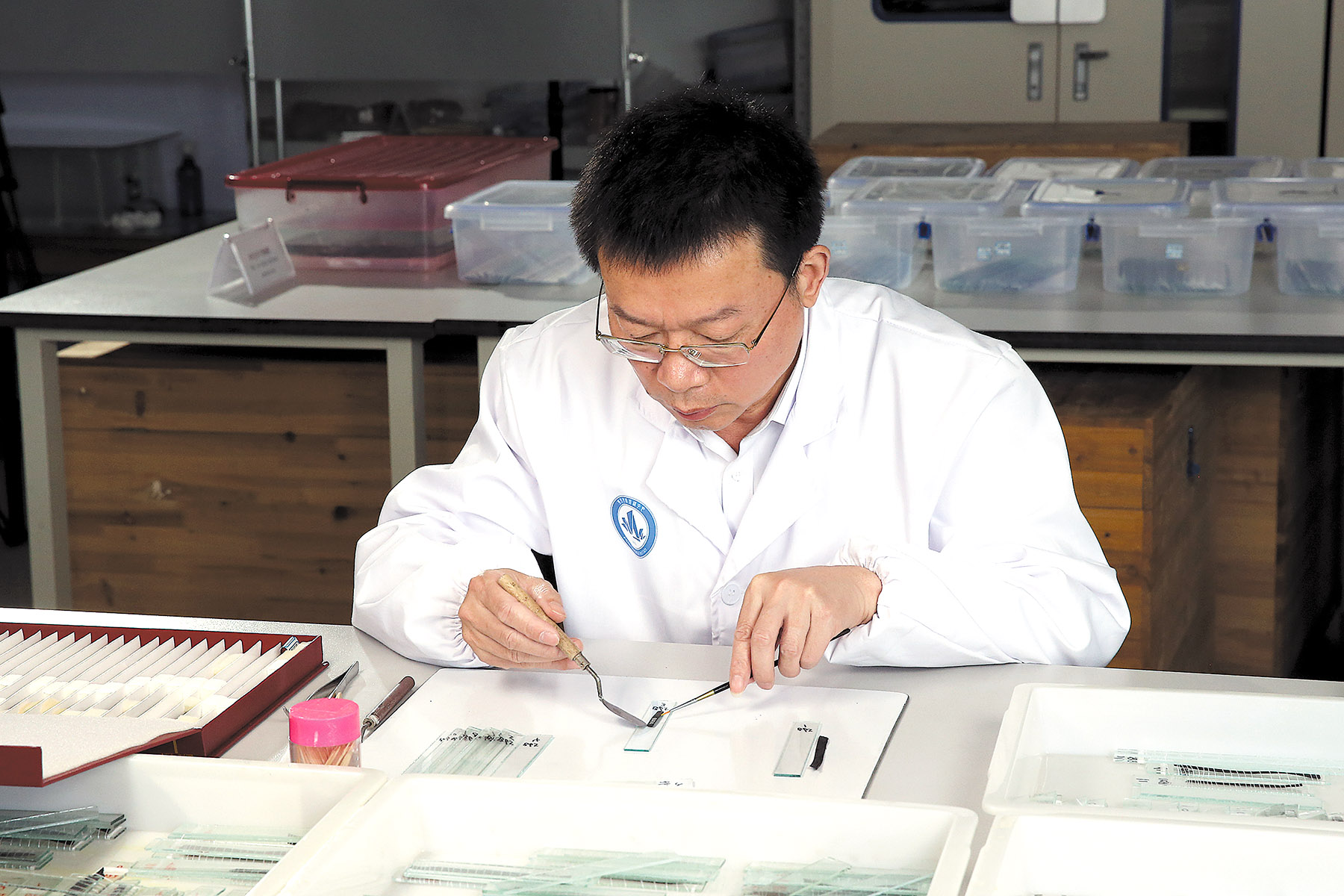
Fang is now working with his team on Chu state slips uncovered from the Qinjiazui tomb. An experienced restorer can clean only one or two slips a day, he says. Six thousand relatively well-preserved slips will require three or four people working simultaneously for three or four years. To date, Fang and his team have restored more than 180,000 slips.
ALSO READ: Voices from the Han frontier
In his spare time, Fang's greatest pleasure is reading history and archaeology books. The words sleeping on the slips are the spiritual wealth he has devoted his life to protecting.
Now approaching retirement, Fang has not stopped. He believes technology will keep advancing and that decolorization and dehydration techniques can still be improved. Even after he steps back from the front line, he hopes to continue guiding younger conservators and pass on his knowledge and experience.
For him, every restored slip is a small victory in a long race against time — and a message from the past, saved before it vanishes.
Contact the writer at dengzhangyu@chinadaily.com.cn
