

Exchange program gathers artists who see China's structures with fresh eyes, using various media to capture their own perspectives, Bai Shuhao reports in Taiyuan.
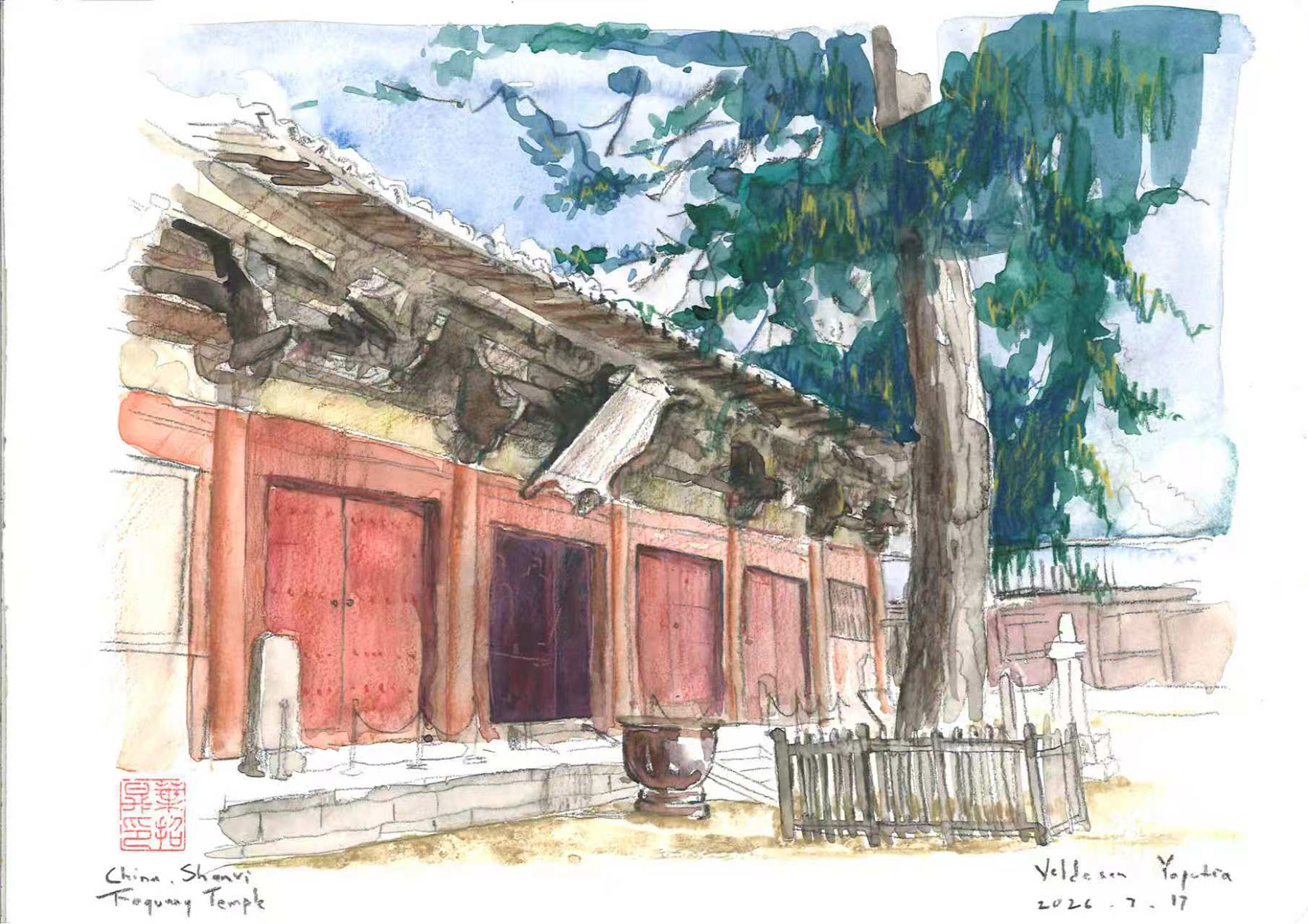
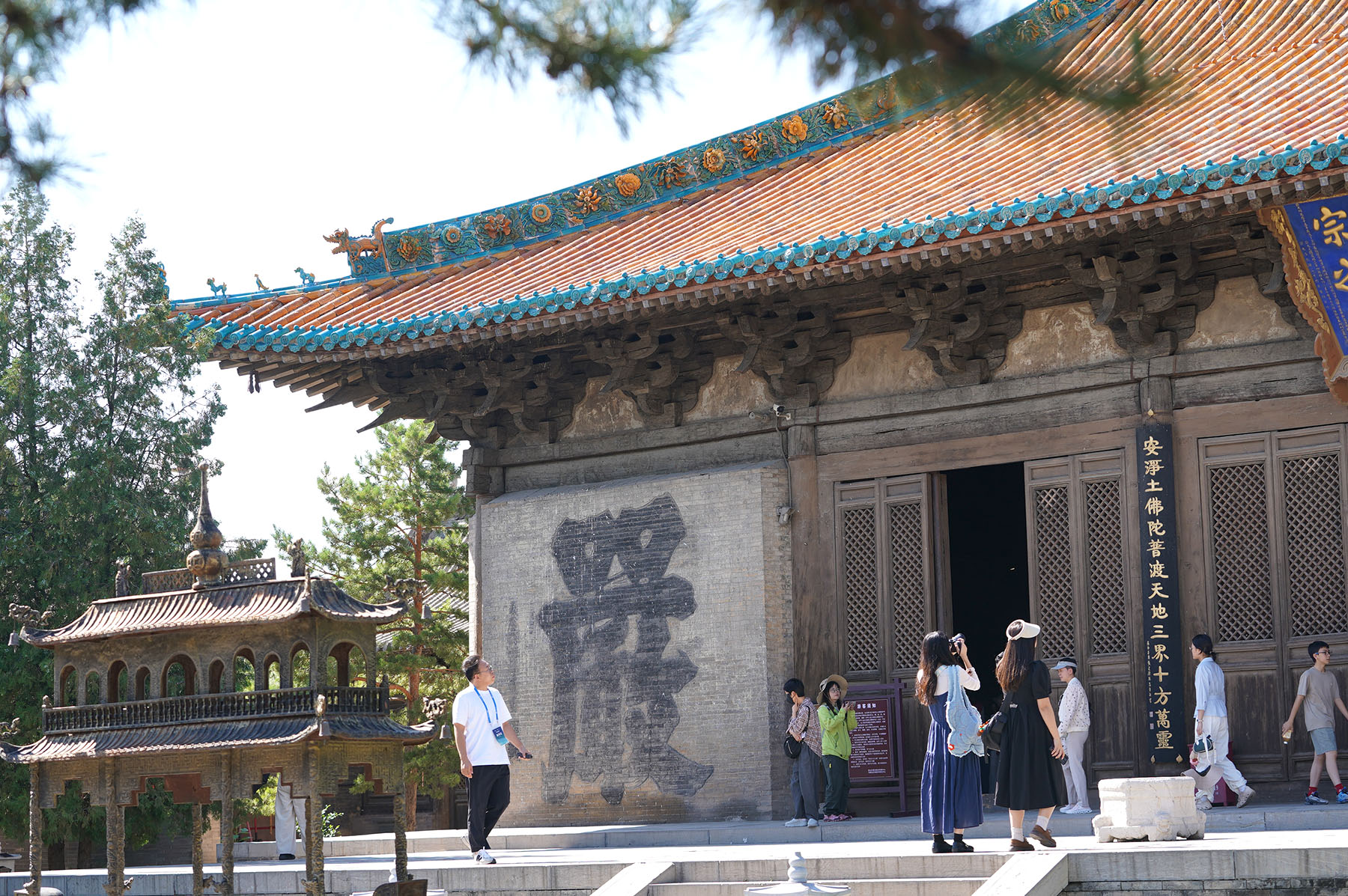
Beneath the shade of a towering tree, Veldesen Yaputra paused over his sketchbook. The Indonesian architecture student at Tsinghua University had come to Foguang Temple in Xinzhou, Shanxi province, determined to paint its Tang Dynasty (618-907) main hall, one of China's oldest surviving wooden structures. Instead, the tree became his biggest obstacle.
The hall sits halfway up a hillside, with only a narrow courtyard in front. No matter where he stood, the perspective never felt quite right. Branches obscured parts of the roofline, making it nearly impossible to capture the building in a balanced composition.
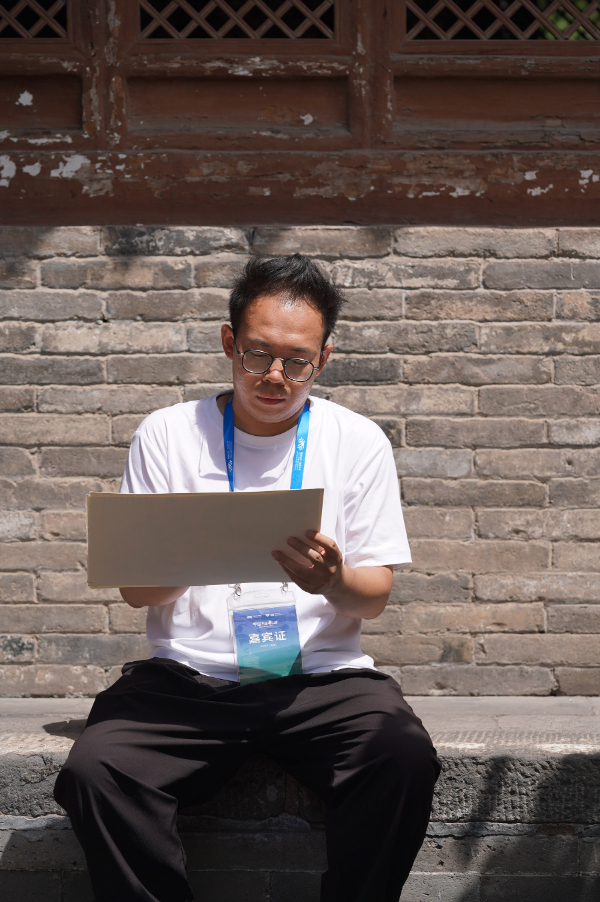
Nearby, Qin Zhizhen, a Shanxi-based illustrator who has spent the past four years documenting the province's historic architecture, watched quietly.
ALSO READ: Ancient craftsmanship meets modern creators
"Forget drawing every branch exactly as it appears," he told Yaputra. "Loosen the tree. Let it breathe."
Yaputra followed the advice, then added an idea of his own. While painting the ground in front of the temple, he scooped up a handful of soil and mixed it into his watercolor, using the earth itself as pigment.
By the end of his seven-day journey across Shanxi, he realized something had changed.
"My drawings became much more relaxed," Yaputra says. "I could clearly feel myself letting go."
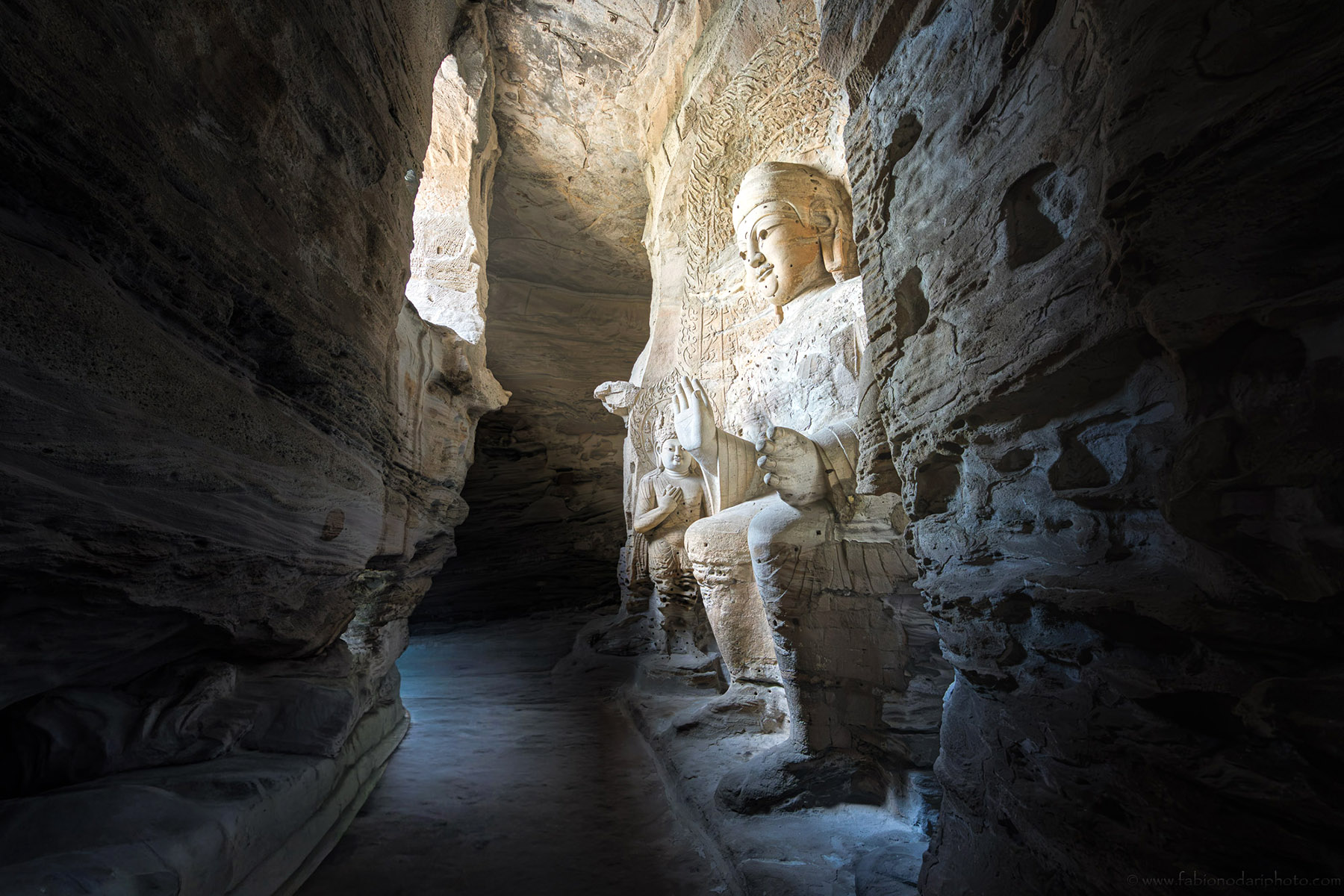
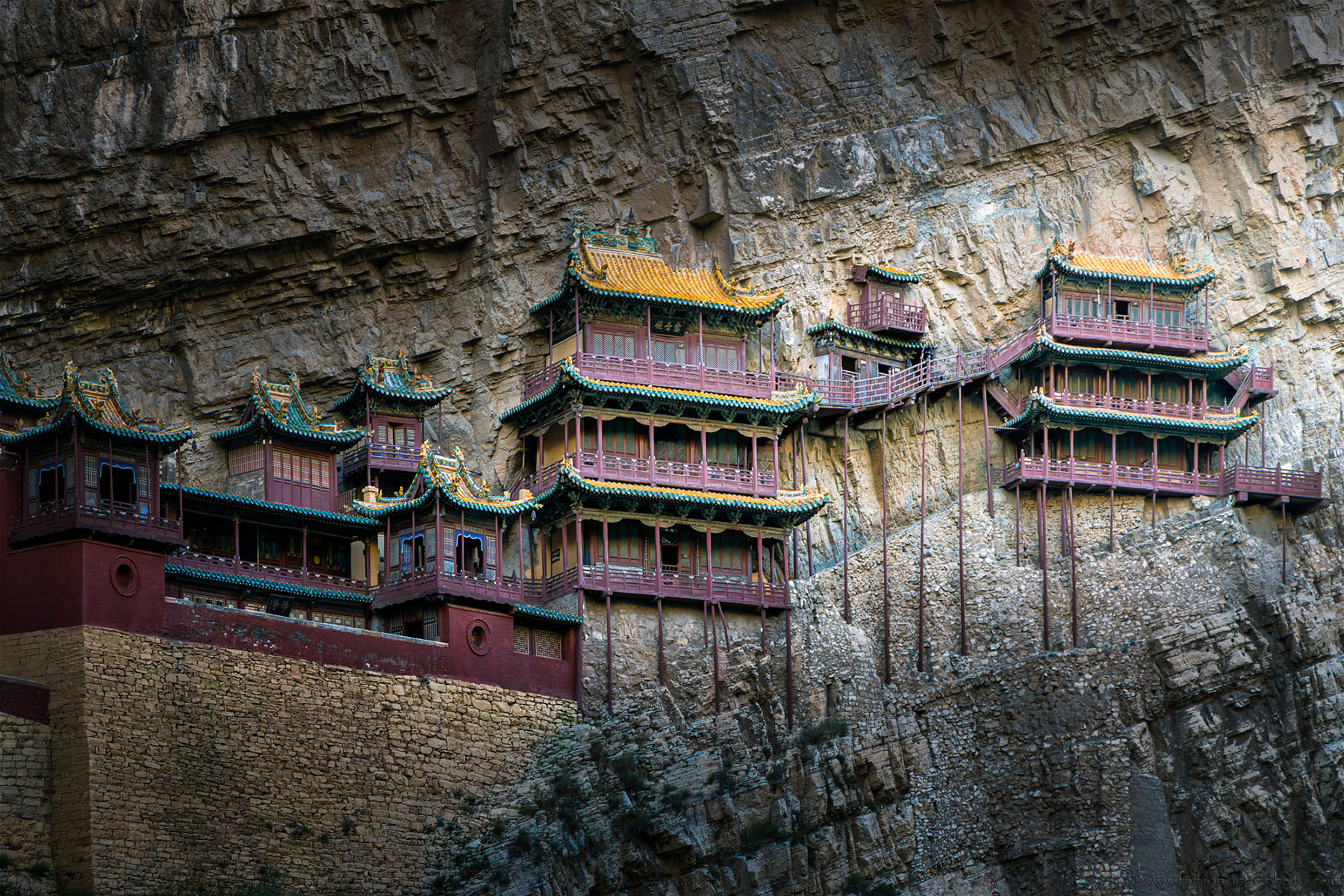
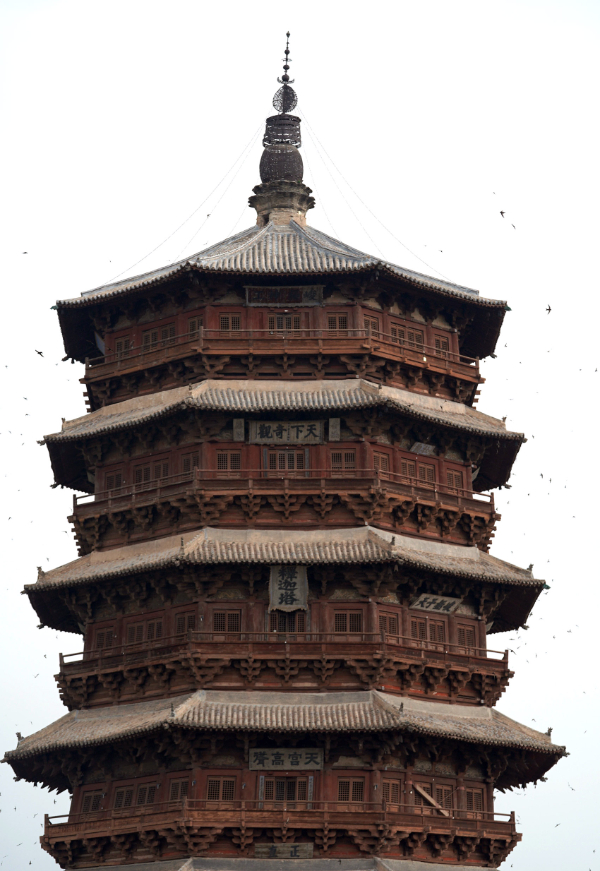
The sketches were done during the second Discovering Shanxi's Ancient Chinese Architecture international cultural exchange program in July, which brought artists from several countries to some of China's best-preserved heritage sites in Shanxi, including the Yungang Grottoes in Datong, Foguang Temple, the Yingxian Wooden Pagoda in Shuozhou, and the Hanging Temple in Datong.
This was Yaputra's second visit to Shanxi.
The first time, he traveled south from Taiyuan, taking in the province's architectural heritage from what he described as "a broader perspective". On this year's journey, he headed north instead, allowing him to slow down and study individual buildings in greater detail.
While Yaputra found himself drawing more liberally, Qin discovered something else by watching the other artists.
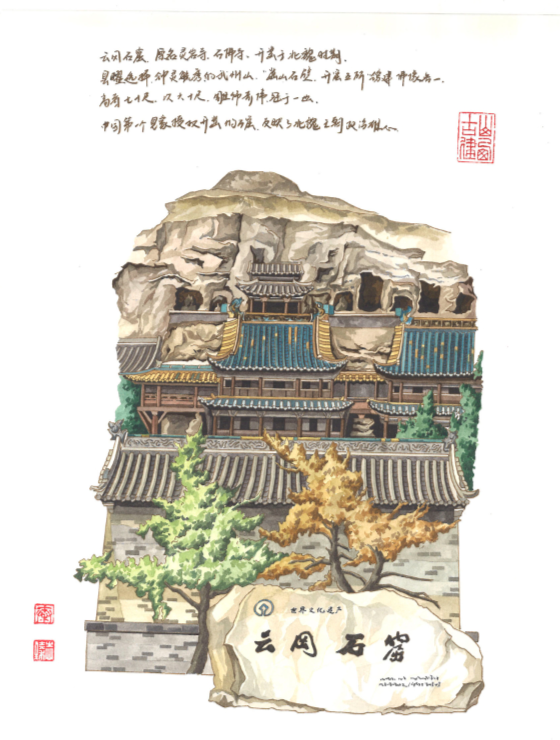
His fascination with architecture began not in China but in Europe, inspired by landmarks such as the Eiffel Tower in Paris and Tower Bridge in London. Eventually, however, his attention turned to home, beginning with Jinci Temple near his grandmother's house in Taiyuan.
His illustrations are so meticulously detailed that viewers often compare them to architectural blueprints.
"I mainly try to document buildings objectively. An illustrator is usually expected to bring more personal expression," he explains.
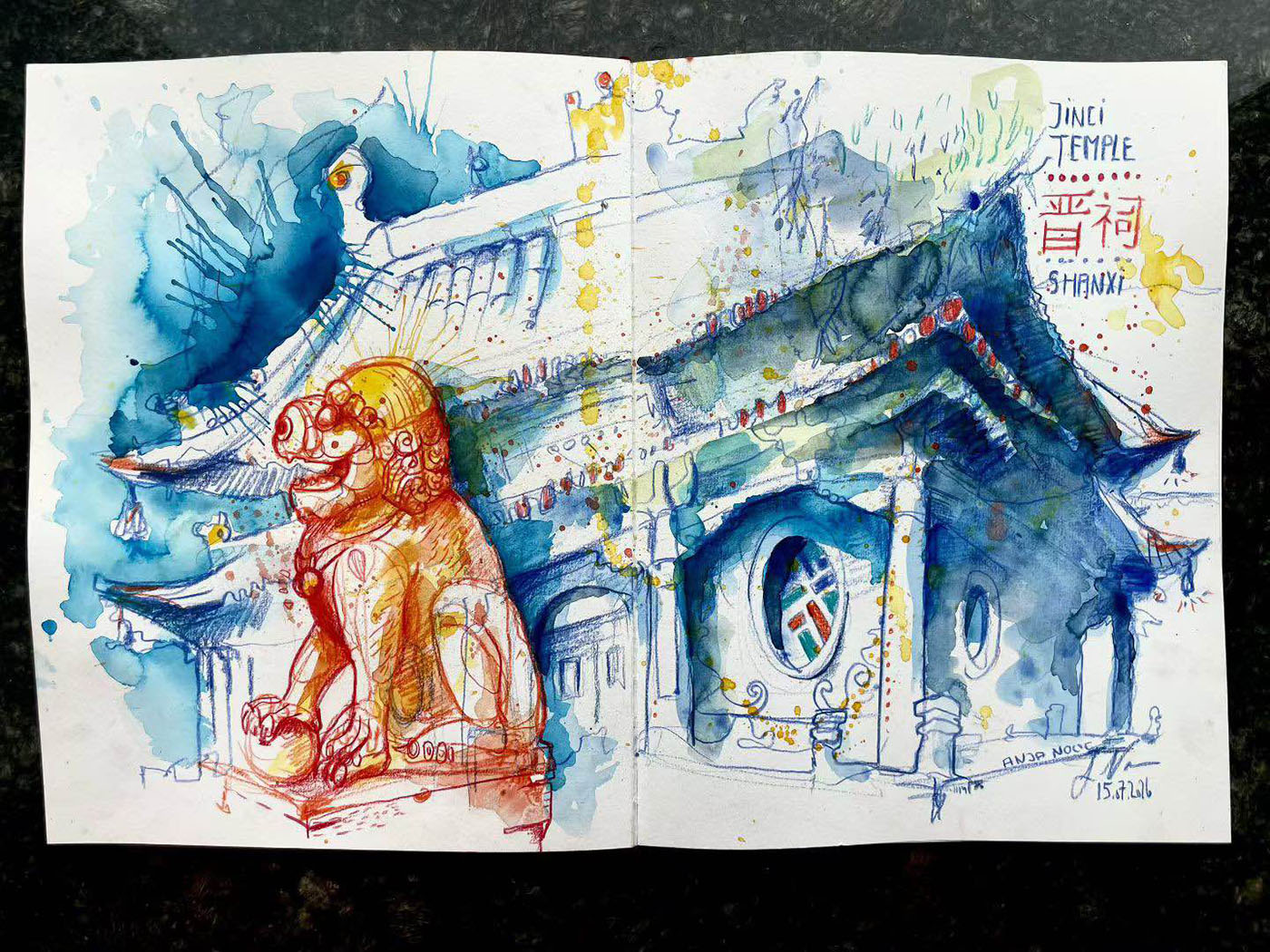

That contrast became especially clear when he watched German illustrator and new media artist Anja Nolte at work.
Where Qin favored precise lines and carefully measured proportions, Nolte embraced bold colors and expressive brushstrokes.
One of her favorite architectural details was the ornamental roof creatures perched along Foguang Temple's ridgeline. With dragon-like heads and fish-shaped bodies, they are rooted in Chinese mythology.
"They're beautiful," she says. "There's something almost fairytale-like about them."
She compared them to the gargoyles found on Gothic cathedrals in Europe, which channel rainwater away from buildings, but found their Chinese counterparts far more imaginative.
In another sketch, she transformed an incense burner at Huayan Temple in Datong into a playful cartoon character with arms, legs and a gourd balanced on its head.
A stone lion at Jinci Temple glowed in warm orange watercolor. Even Buddhist statues appeared softer and less solemn through her brush.
"I found it very challenging to capture such richly detailed architecture in a drawing," she says.
Her solution was to deliberately leave blank spaces, which "allow the viewer's imagination to complete the image", she says.
Qin admired that confidence.
Western artists, he says, often seem more willing to break conventions and prioritize expression over precision.
He, by contrast, constantly worries whether the colors are accurate and whether every architectural detail has been faithfully reproduced.
Perhaps, he suggests, it comes from growing up surrounded by these monuments. "There is a kind of reverence."
He has also noticed another difference. Chinese artists often emphasize the relationship between architecture and the surrounding landscape, while artists like Nolte are more likely to isolate a single architectural detail.
The same instinct appears in the photographs of Fabio Nodari, an Italian photographer who has lived in China for a decade.
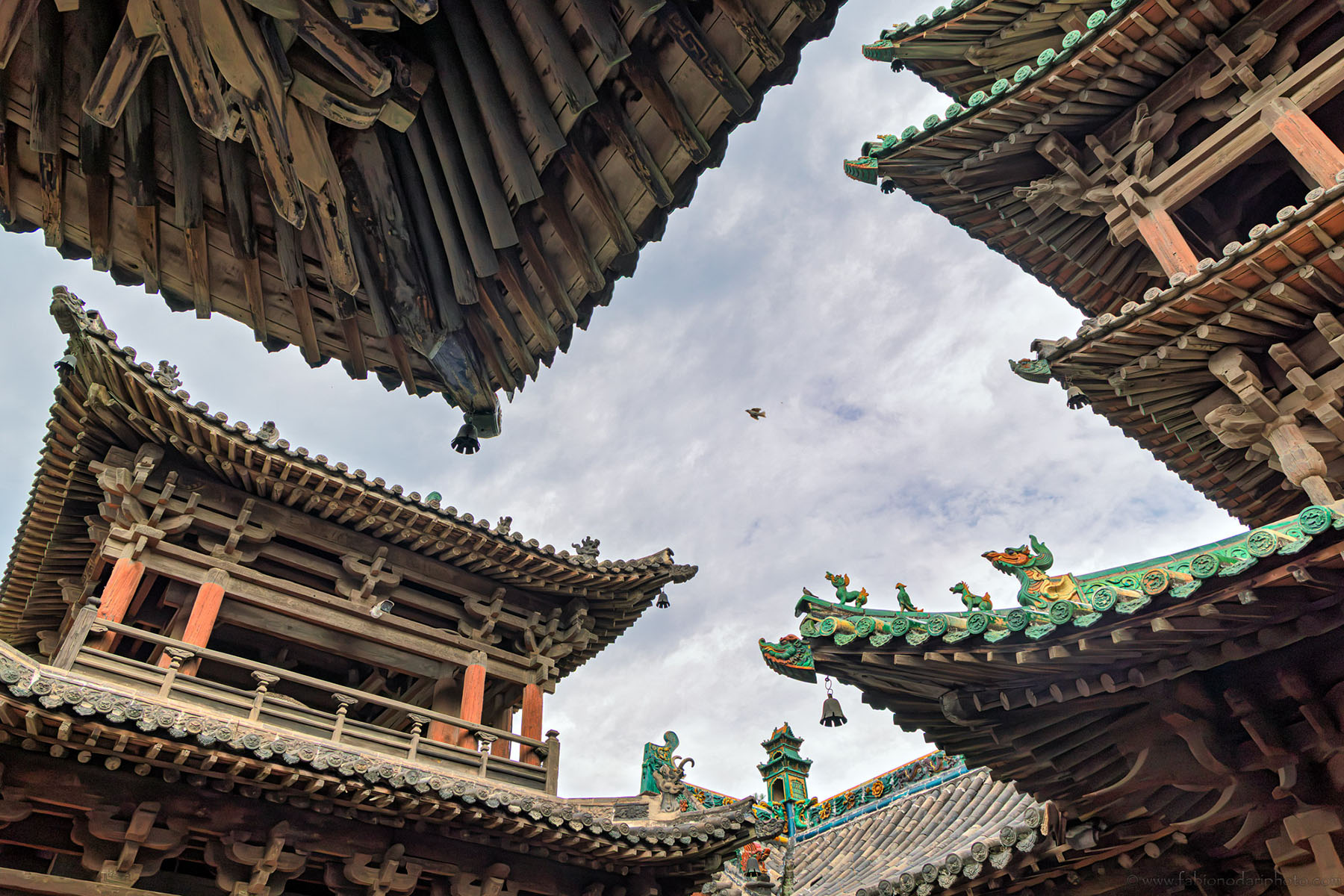
When the group visited the Yingxian Wooden Pagoda under gray skies and steady rain, Nodari chose not to photograph the entire structure. Instead, he focused on smaller details, using a longer focal length.
To him, those details reveal the resilience of the ancient wooden tower, which has survived wars, natural disasters and centuries of exposure.
Standing before the pagoda, Nodari imagines the anonymous artisans who carved its statues and assembled its timber frame.
"They had families, problems, ambitions, good days, and difficult days," he says.
"Perhaps one craftsman added something personal, made a small decision after a difficult day, or simply tried to do the best work possible because he was proud of what he was creating.
"That's why I always look carefully at the details. We may never know the answers, but those details connect their lives with ours."
His advice to visitors is equally simple: look beyond the postcard view.
One of his favorite photographs shows a lone visitor standing before a colossal Buddha at the Yungang Grottoes.
"A small human figure beside an enormous statue communicates its scale far better than a photograph of the monument alone," he says.
After 10 years in China, Nodari now spends more time in the country than in Italy.
Photographing Italy, he says, means working within a visual language he already understands. China still asks him questions.
ALSO READ: Ancient heartbeat of a modern nation
"I have to research the history and understand why a building or sculpture looks the way it does," he says.
Every province feels like a different cultural world. That sense of continual discovery is what has kept him in China.
For Qin, the journey marked the beginning of a new experiment.
Back in his studio, while drawing Shanhua Temple in Datong, he began combining colored pencils with marker pens, wondering whether richer materials might better capture the texture and warmth of China's ancient architecture.
Contact the writer at baishuhao@chinadaily.com.cn
