

Participants from around the world unite to promote an inclusive and sustainable future through learning and sharing
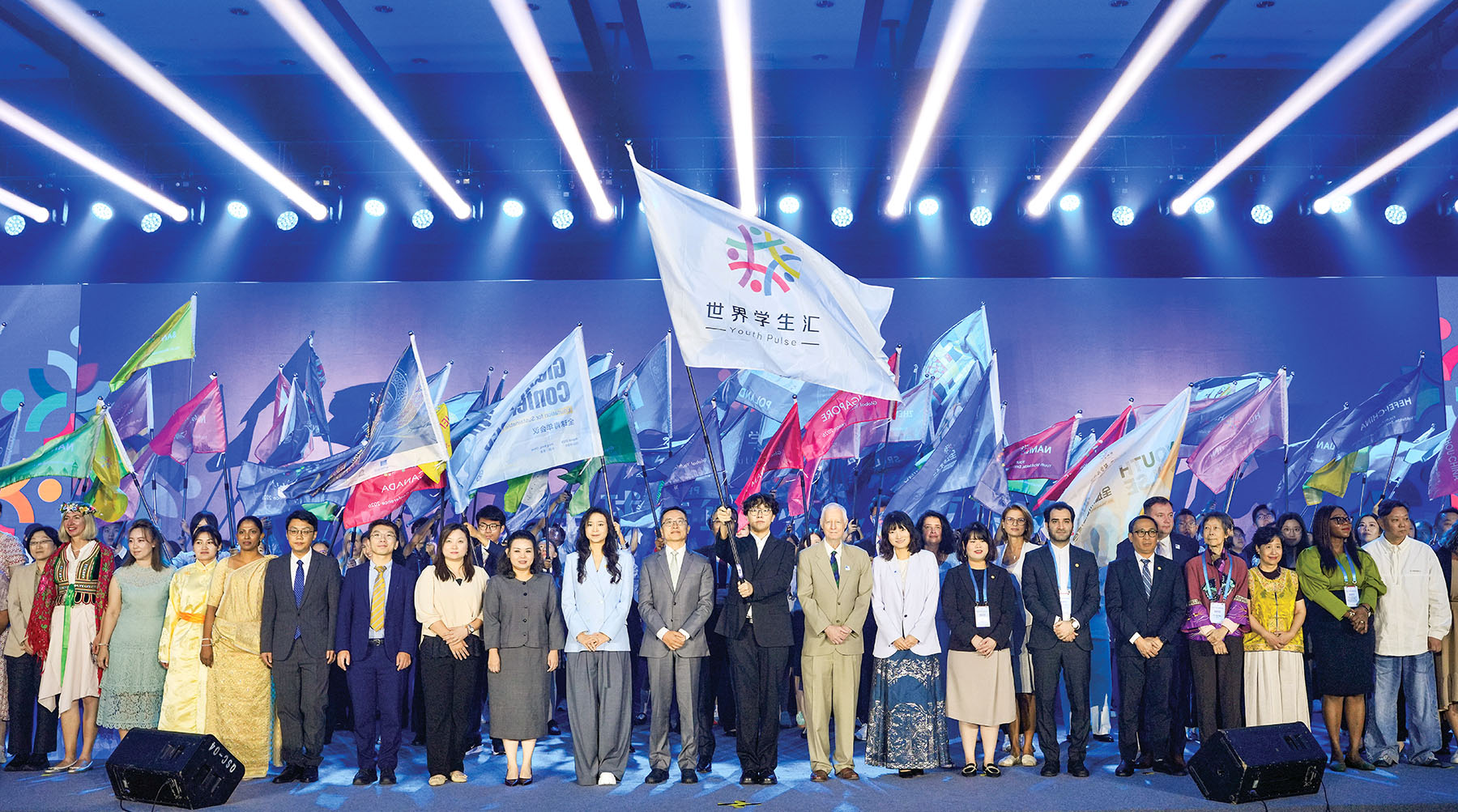
Over 500 students, educators, cultural industry leaders and diplomats from over 30 countries and regions gathered in Hong Kong this week for the return of a marquee youth forum, convening young people globally for peer-to-peer exchanges, cultural dialogue and open discussions on shaping a peaceful, inclusive and sustainable shared future.
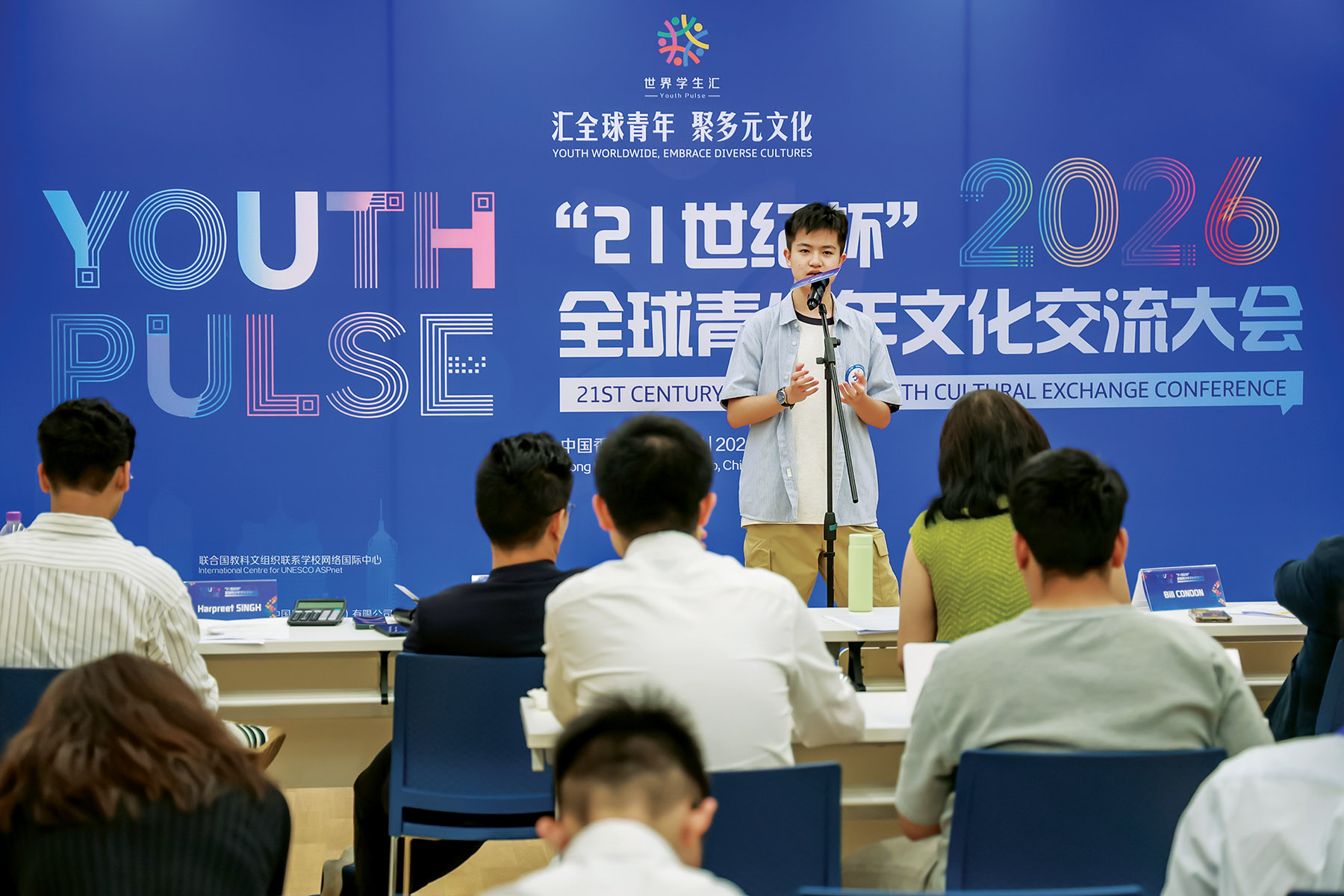
Youth Pulse 2026 — an international cultural exchange platform for youngsters worldwide — opened at the Hong Kong Convention and Exhibition Centre on Sunday. Held under the banner “Youth Worldwide, Embrace Diverse Cultures”, it aimed to offer young people a collective learning experience that helps deepen cross-cultural understanding and foster international friendship.
READ MORE: HK forum: Youth play key role in creating humanity's shared future
The five-day event, from Saturday to Wednesday, was hosted by 21st Century Media and Education of China Daily, organized by China Daily Hong Kong, and was in support of the Hong Kong Special Administrative Region government’s Home and Youth Affairs Bureau. The International Centre for UNESCO Associated Schools Network (ICUA) acted as Youth Pulse’s academic advisory unit, and the New Oriental Global Education and Training and Xueersi Online School were the event’s strategic partners.
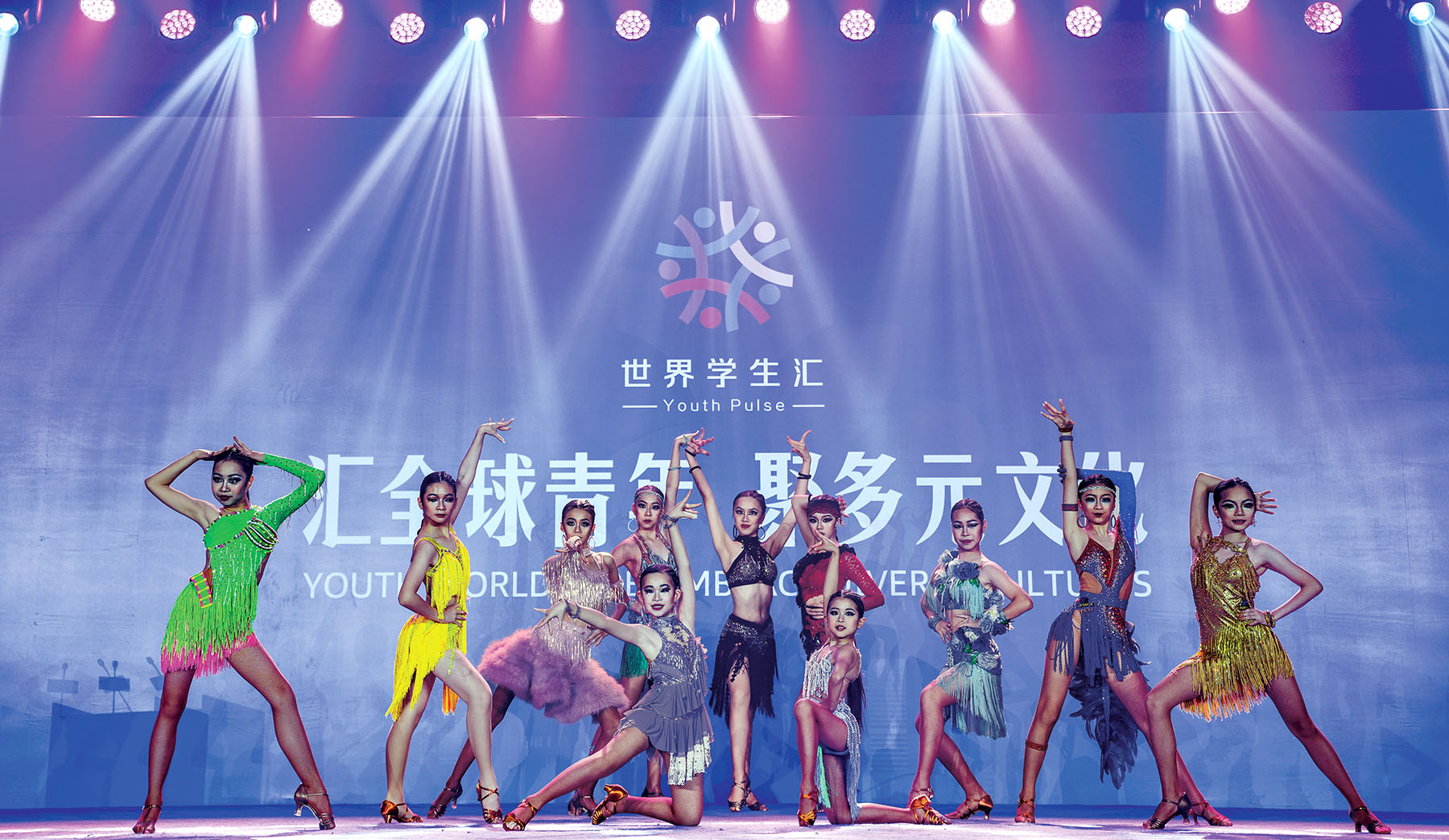
The schedule for this year’s Youth Pulse was based on four key themes — English public speaking, mutual learning among civilizations, global sustainable development and intangible cultural heritage (ICH) — featuring an extensive range of cultural and educational landmark visits, local media tours, cultural exchange activities and youth conferences across Hong Kong and Macao.
Students also took part in talks led by veteran educators and industry practitioners, an English public-speaking showcase at Hong Kong Baptist University (HKBU), and Global Youth Conference held at HKU.
Youth exchange key
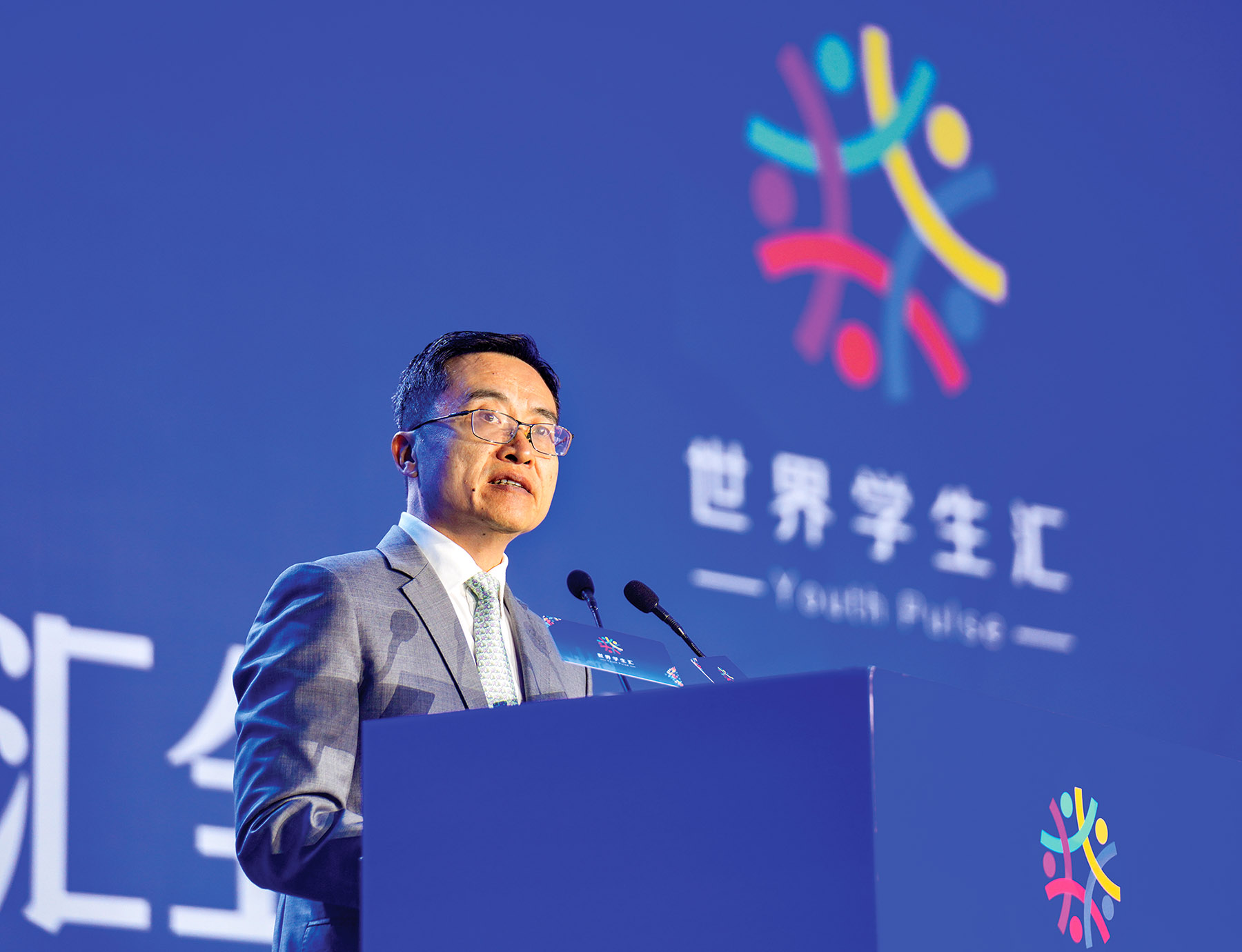
Addressing Sunday’s opening ceremony, Zhou Li, deputy editor-in-chief of China Daily and editor-in-chief of China Daily Hong Kong, urged young people to act as “bridges” between cultures rather than “walls”.
“Ground yourself deeply in your own culture, so you can appreciate others generously; approach new perspectives with curiosity, not comparison,” he said.
Zhou said that young people should be more than observers and become cocreators in shaping the future. “Global challenges in technology, climate and governance demand collective answers. So, build new ideas together with people who see the world differently than you do,” he said.
Shahbaz Khan, director of the United Nations Educational, Scientific and Cultural Organization’s Multisectoral Regional Office for East Asia, highlighted the pivotal role of young people as “the driving force of our time and essential actors in achieving sustainable development goals”.
He encouraged Youth Pulse participants to capitalize on the platform for cross-border exchanges, fostering friendships through intercultural engagement and broadening perspectives through dialogue.
“Youth Pulse demonstrates how intercultural dialogue, creativity and youth engagement can contribute to the achievement of sustainable development goals by bringing together young people from different cultures,” Khan said. “It nurtures the global citizenship, empathy and collaborative spirit that our world needs today.”
Mark Bray, UNESCO chair professor in comparative education at the University of Hong Kong, stressed the importance of cultural exchange and cooperation, saying that cultivating mutual understanding and bearing a collaborative spirit are essential for promoting peace.
The Sunday ceremony also staged an ICUA Global Exhibition of Best Practices in ICH Education, which featured 12 heritage-inspired works by young creators that had been shortlisted from over 60,000 entries submitted worldwide. The pieces received praise for their imaginative fusion of traditional heritage elements with youngsters’ sustainability-oriented thinking.
Educators and cultural sector leaders also shared insights from their respective fields.
Poman Lo, vice-chairman of Regal Hotels Group, told participants that with artificial intelligence technology rapidly advancing, they should more than ever learn to harness it to expand creativity, strengthen relationships and foster care.
Lo, who also chairs the United Nations ESCAP Finance Task Force, called on the global community to govern AI collectively, responsibly and with accountability.
Sakolwan Pookajorn, principal of TCE International School in Thailand, emphasized the irreplaceable role of teachers and human connections in model education. “Education isn’t just about learning facts. It’s also about bringing people together,” she said, stressing that technology cannot substitute the experience and empathy educators provide.
Experts also offered their takes on topics as varied as intangible cultural heritage, emerging technology, public speaking and the future of education.
The insights landed with keen interest among students and parents, many of whom were seen raising their phones to capture slides, later describing the sessions as “eye-opening and deeply rewarding”.
Friendships take root
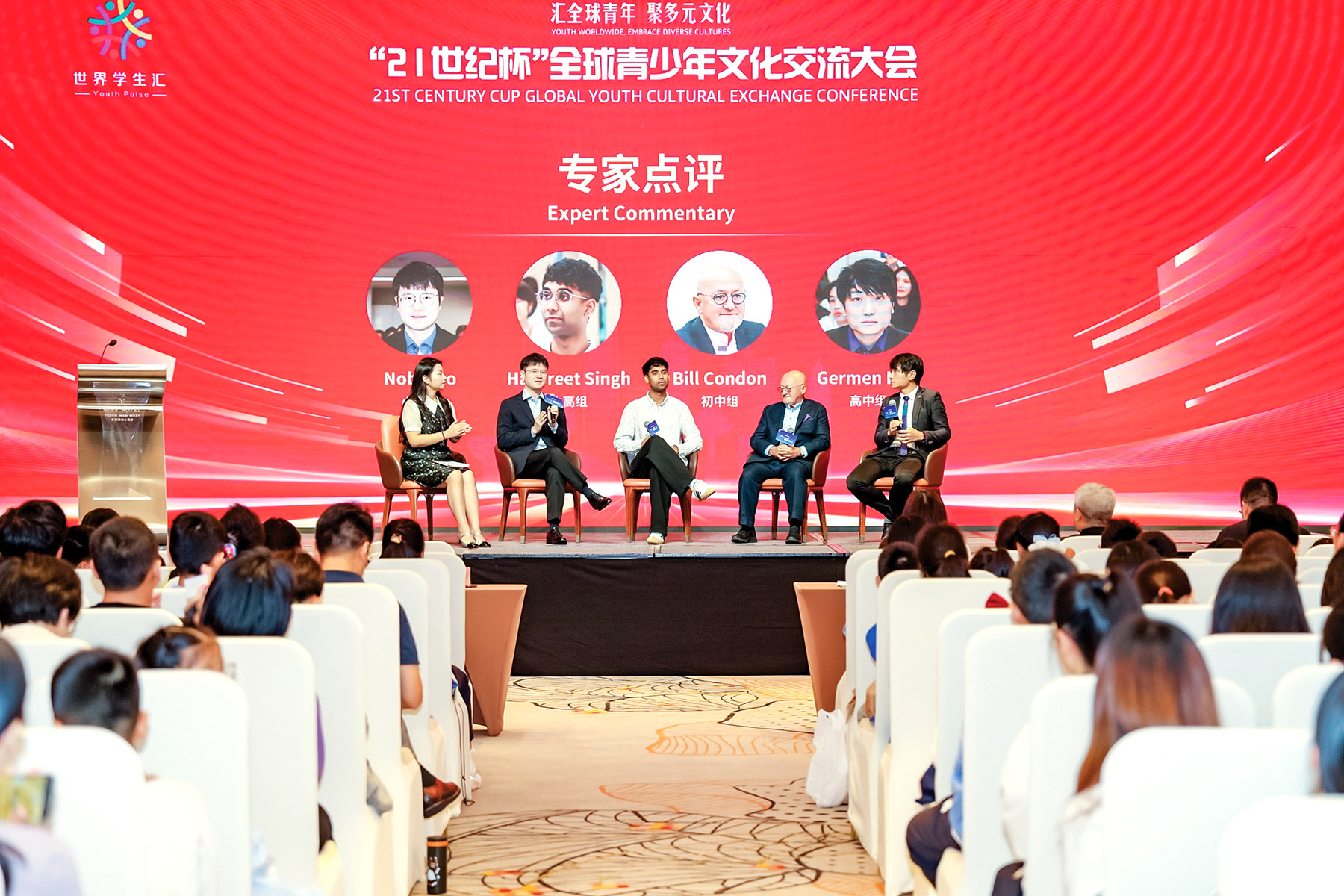
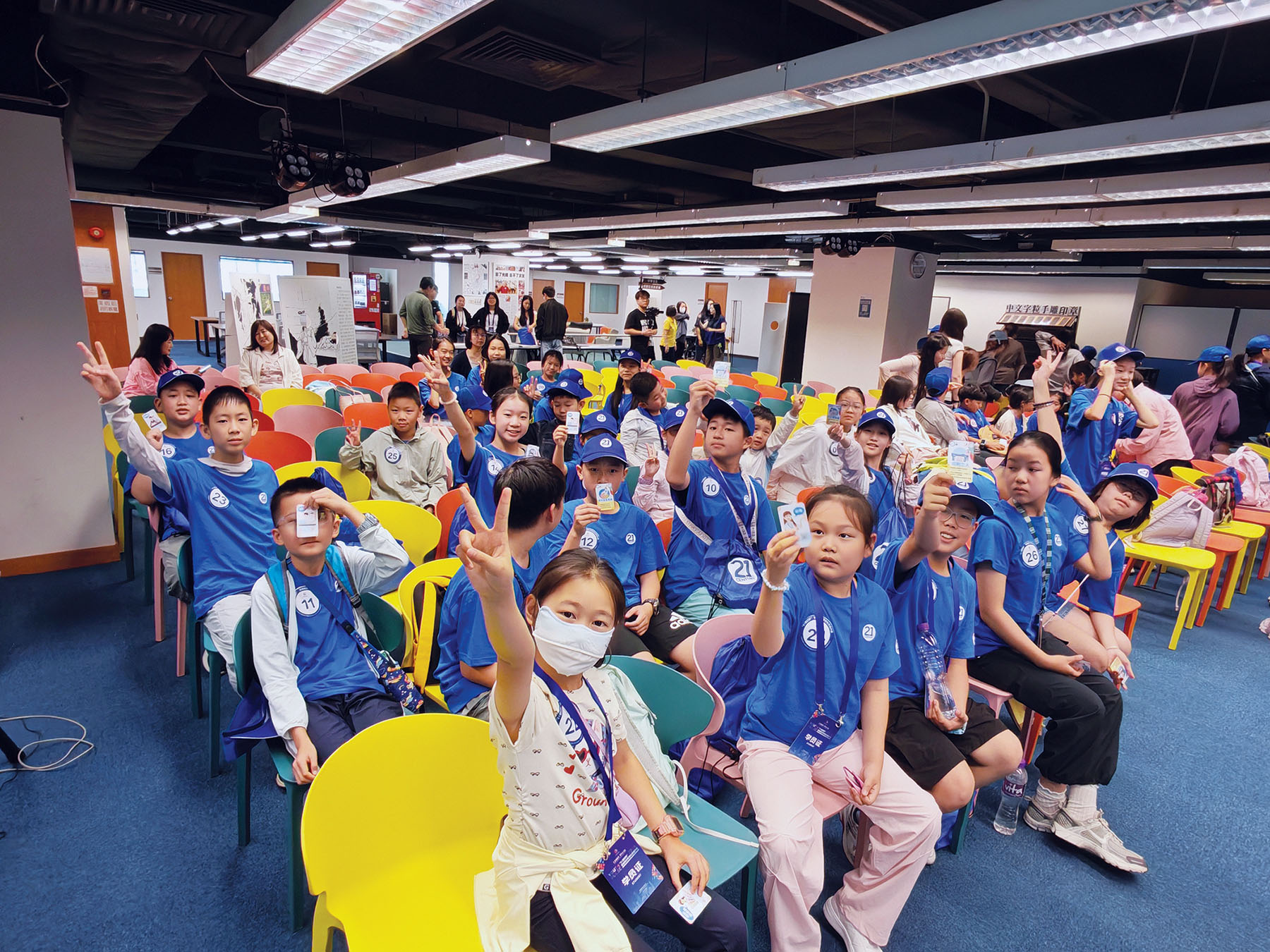
Monday spotlighted a Global Youth Conference and a “21st Century Cup” Global Youth Cultural Exchange Conference. By day’s end, youngsters emerged buzzing with palpable excitement over friendships strengthened through shared oratorical practice and lively exchanges of ideas.
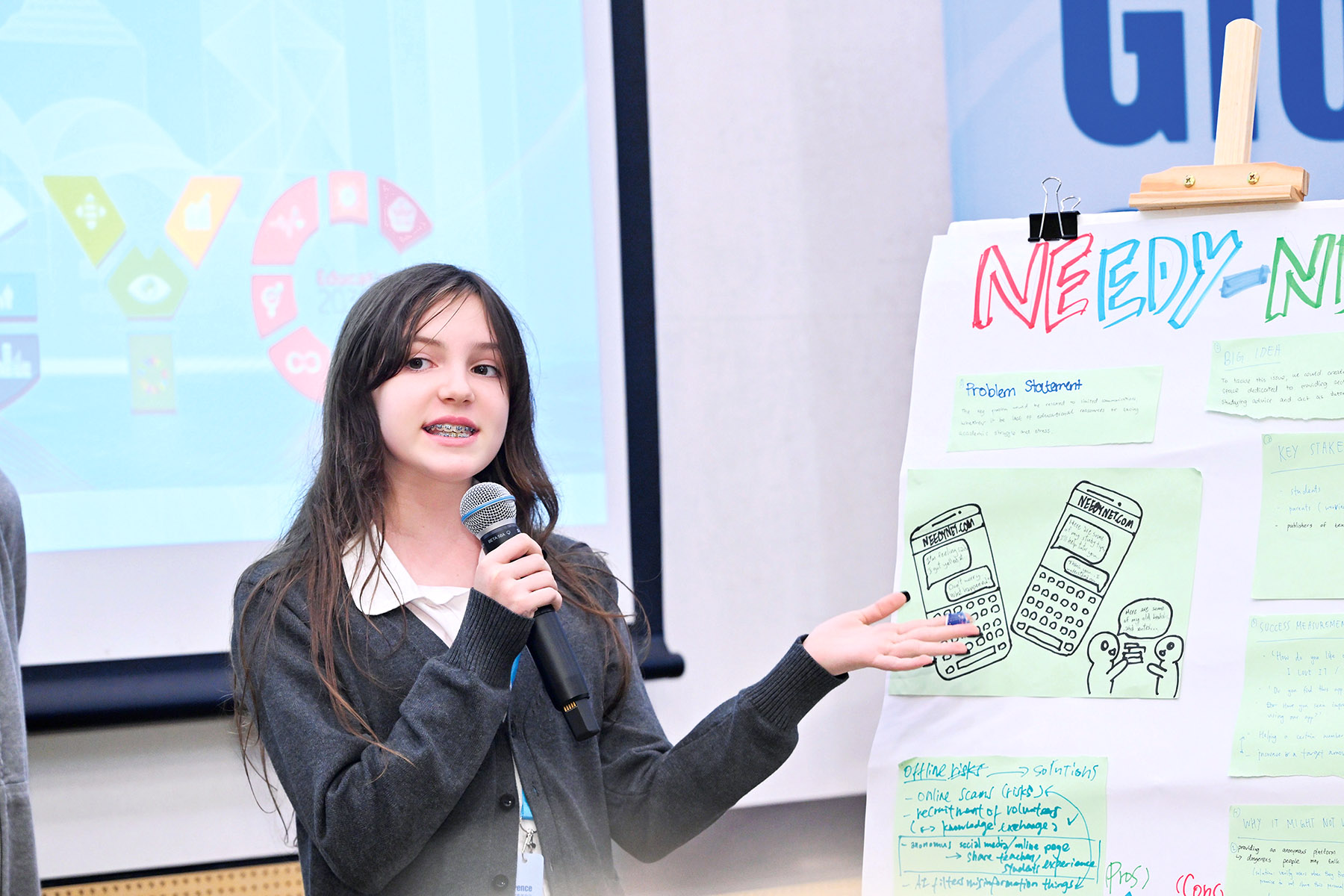
The Global Youth Conference, themed “Education for Sustainable Development”, grouped participants from different countries into multinational teams for expert-guided discussions on key global issues, including technological integration with cultural life, community climate action, education equity, cross-cultural inclusion, and youth engagement in media and the arts.
Xu Nuo, a participant from Chengdu, the capital of Sichuan province, said she was grateful for the opportunity to sit with young people from across the globe and hear, firsthand, their views on matters of common concern.
Tam Yuen, a mentor at the conference, described the initiative as “impactful and meaningful”. “Even when students are working on the same topic, they have different understandings and perspectives,” he said. “This kind of communication is one of the biggest highlights of the event.”
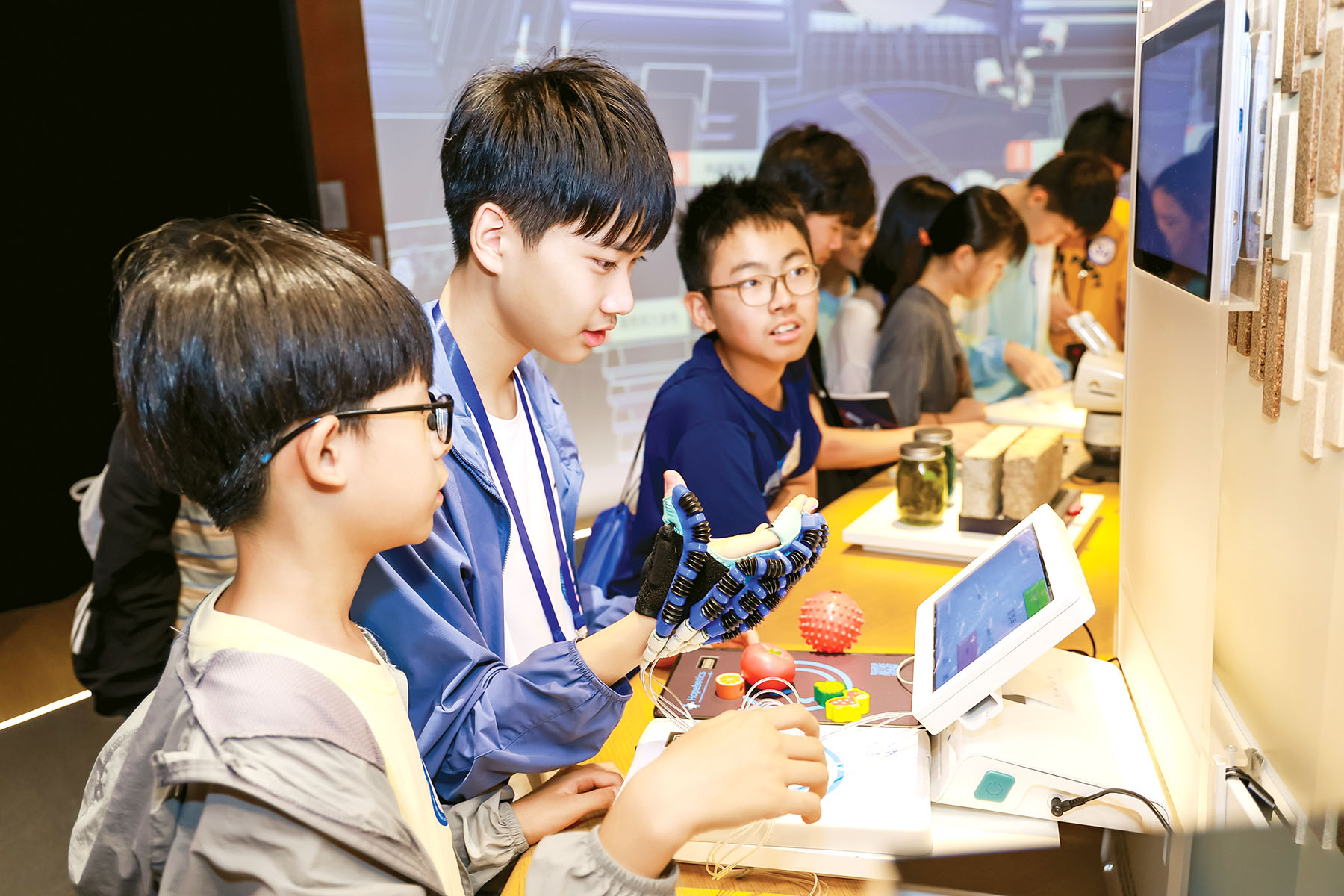
Workshops, seminars, cultural heritage-themed activities and company visits were also included in the schedule to encourage learning through active participation.
Participants got hands-on experience of Hong Kong’s living cultural heritage, learning traditional shrimp-paste-making in Tai O Village on Lantau Island and exploring the century-old Kung Wo Tong, a herbal jelly specialty shop in Kowloon, where they were introduced to the city’s enduring Chinese medicinal practices.
The conference also took them to WEEE•PARK — a waste electrical and electronic equipment (WEEE) treatment and recycling facility at Tuen Mun’s EcoPark — for a look at Hong Kong’s circular economy and sustainable development at work.
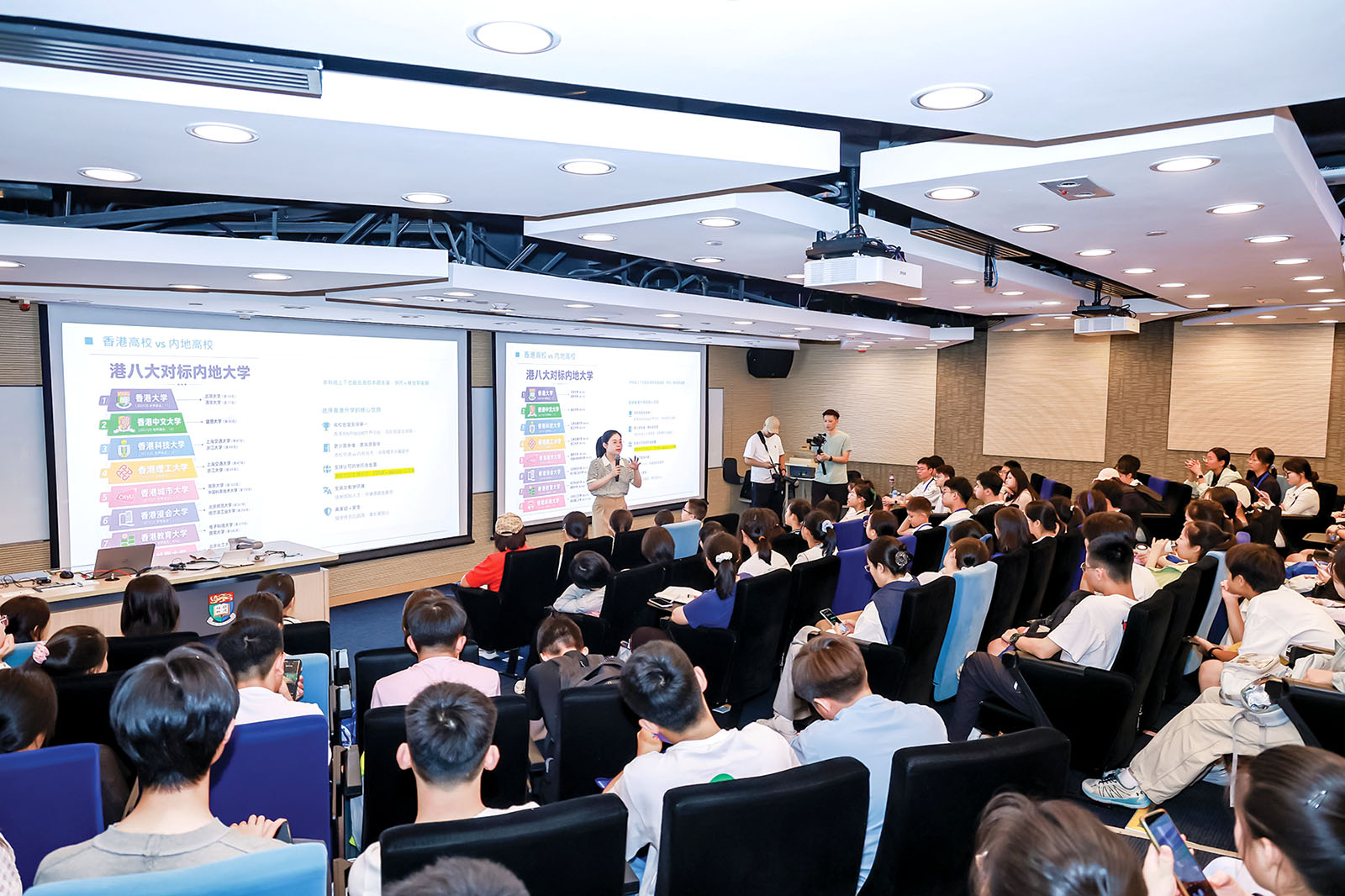
Angela Cheung, president of Hong Kong Arts Exchange Association and the Global Youth Conference’s program coordinator, identified such interactive, practice-oriented sessions as among its key boons.
“It’s not just a lecture-based program,” she said. “Students also joined workshops, discussions, and group activities, so they’ve been learning in a more interactive and practical way.”
“Hong Kong’s such a cool city,” Xu, the Sichuan student, remarked afterward, adding that she would be keen to work in the city after completing her high school studies on the mainland. “I like the vibe here,” she said.
Also on Monday, the “21st Century Cup” exchange event held at HKBU, saw further connections taking root among young participants.
Yan Xinyao, a 10-year-old from Southwest China’s Guizhou province — home to one of the largest Miao ethnic groups in the country — drew admiration in her traditional folk costumes of the Miao as she gave her speech, “How to Make a Foreign Friend”.
“I hope this outfit can help me show my foreign friends a little more about the place I come from,” Yan said.
Yan added she had become friends with a group of Thai participants her own age over the course of Youth Pulse, recalling how she’d eagerly pitched to them scores of Chinese culinary delights — Peking duck, Guizhou’s “silk doll” spring roll. “They told me they would definitely try them if they ever got the chance.”
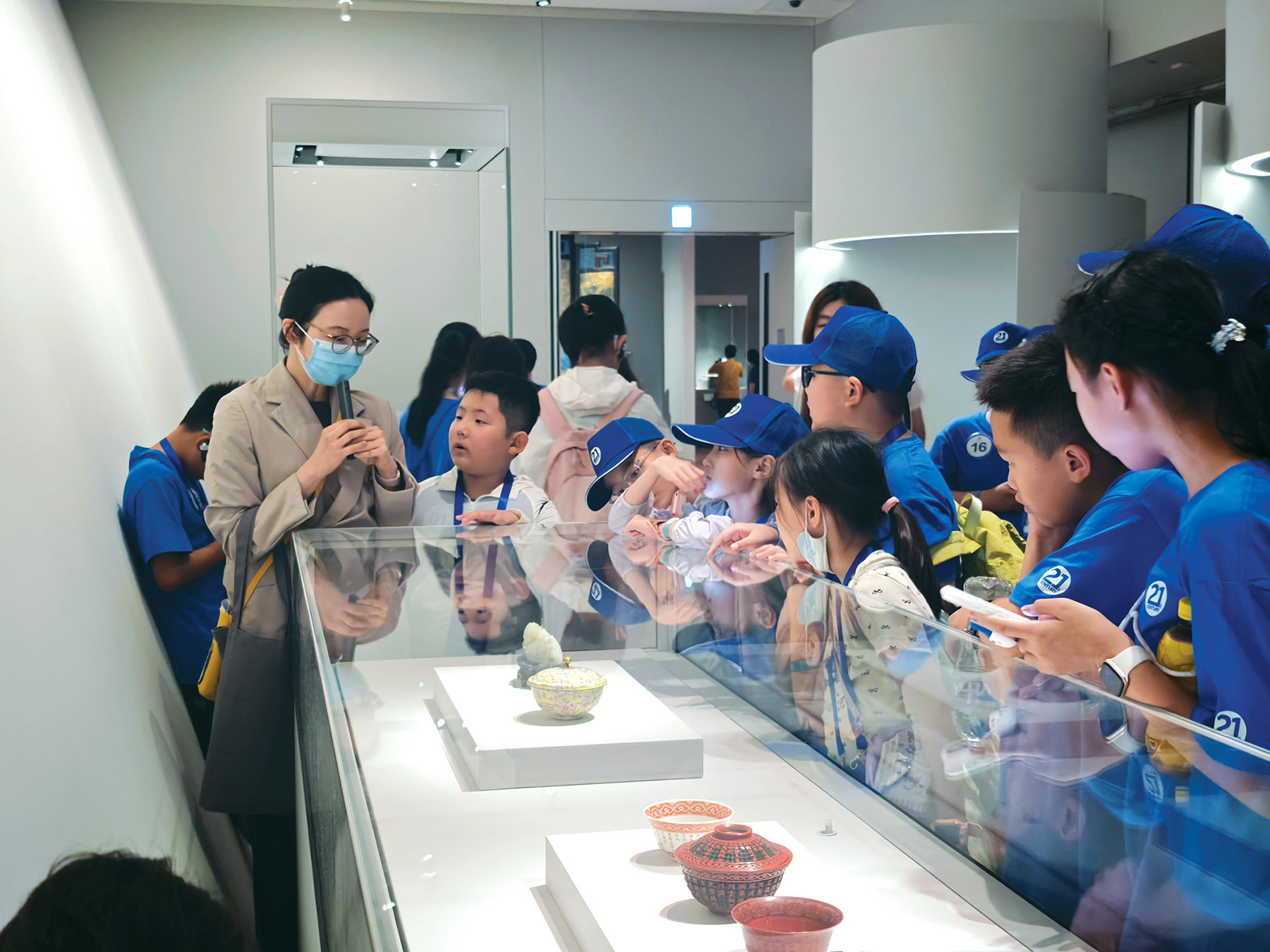
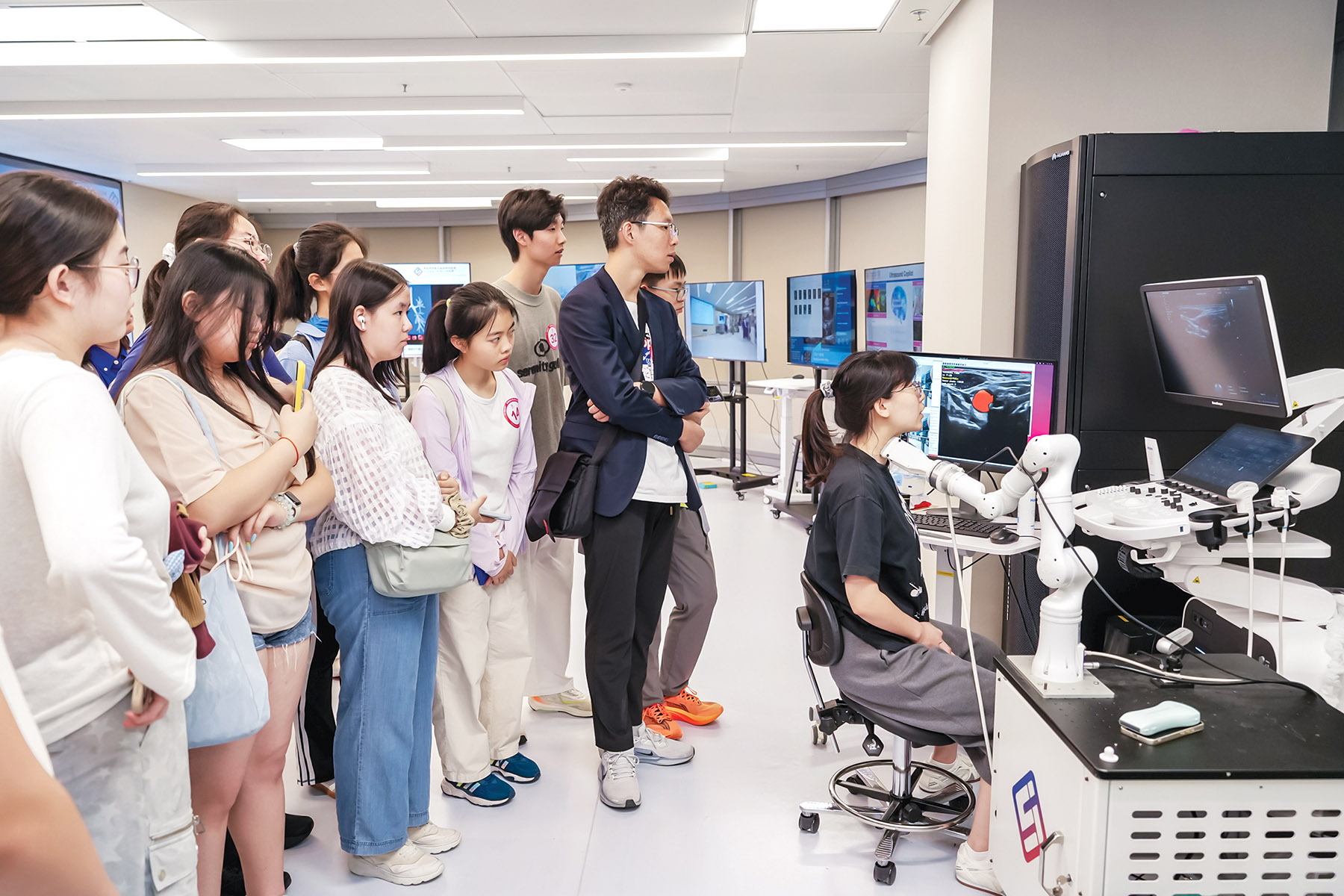
On Tuesday, participants fanned out across Hong Kong and Macao, grasping a nuanced understanding of the multifaceted character of each city in situ as they visited key sites in arts and culture, innovation and technology, and media and education.
Notable stops included Hong Kong Disneyland; the Hong Kong Palace Museum; HKU; the Hong Kong Science and Technology Park; the Hong Kong Institute of Vocational Education; the local newsroom at Ming Pao; Centre for Artificial Intelligence and Robotics, Hong Kong Institute of Science & Innovation, Chinese Academy of Sciences (INNOHK); Guangzhou-Hong Kong Sci-Tech and Industrial Integration Innovation Center, coordinatly established by YueXiu Group. In Macao, the students visited the University of Macau, MGM Macau and the Ruins of St. Paul’s.
Speaking at Wednesday’s closing ceremony, Tan Yan, deputy general-manager of China Daily Asia Pacific, said it was “genuinely moving” to see young minds from different countries, cultures and backgrounds connect, talk and form authentic friendships — “face to face, heart to heart,” she said — in a world where human interaction is now so often filtered through phone screens and algorithmic feeds.
“The real prize,” she told students, “was the friendships made across borders, the ideas exchanged, the courage it took to speak a new language, present a new argument, or simply introduce yourself to a stranger who became a friend.”
Liu Jintong, a secondary-school participant from Shandong province, said at the event’s close that her “biggest takeaway” was her increased readiness to put herself forward and engage with others. “I used to overthink things and be overly anxious about everything,” she said, “But this time’s been a truly precious chance for me to exchange ideas with others.”
“In the end, I’ve enjoyed the process and got to know a lot of people around me. I truly felt that I was understood.”
Contact the writers at gabylin@chinadailyhk.com
