

A poignant documentary series reveals how older adults navigate love, law and their final choices, Li Yingxue reports.
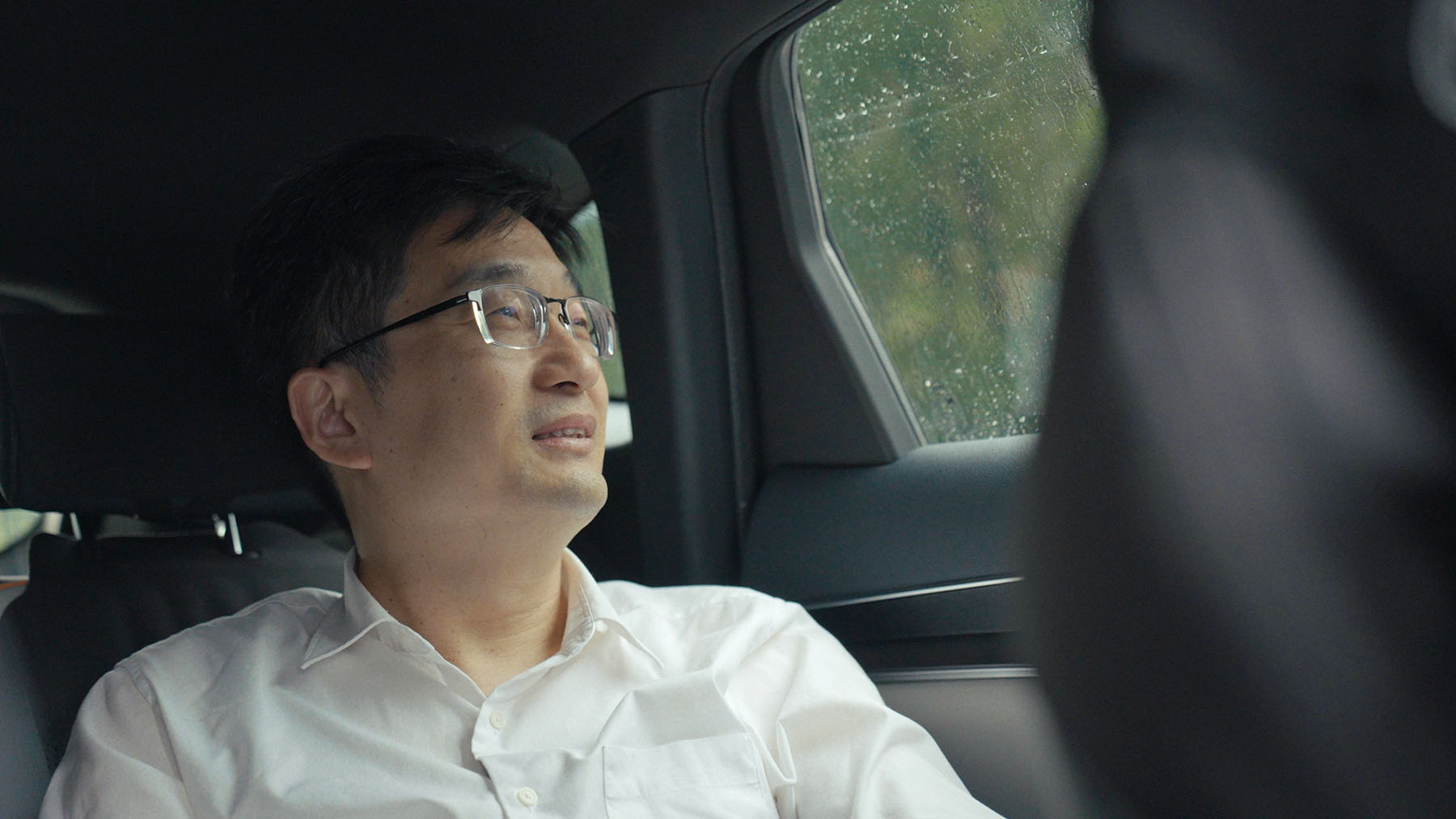
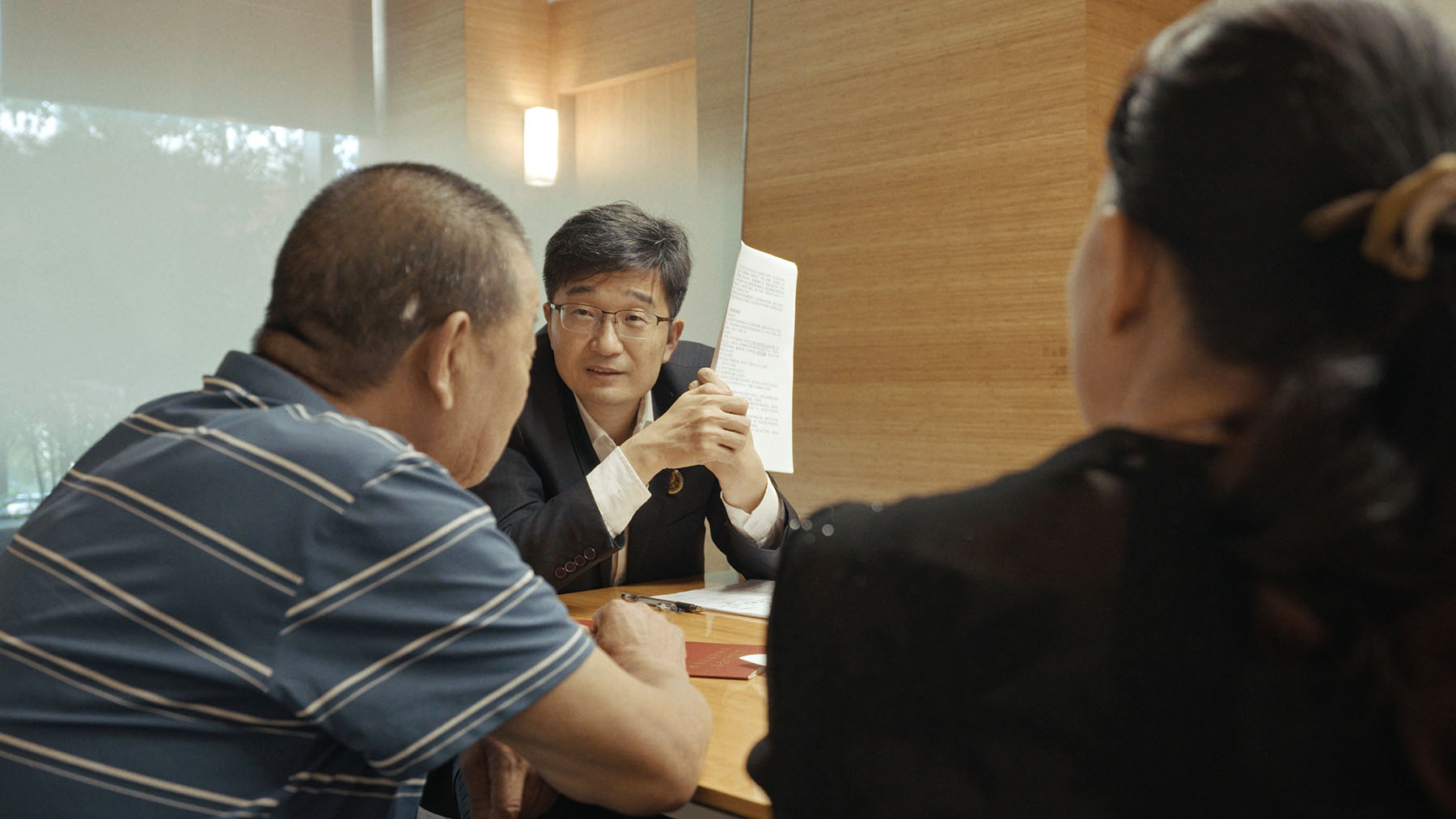
"My job is to watch other people cry. I cannot cry." Inside consultation room No 8 at the Shanghai Putuo Notary Public Office, notary Li Chenyang meets older people carrying some of life's most difficult questions.
One wants to ensure an estranged spouse never makes future medical decisions on their behalf. Another has never married and hopes someone will arrange her funeral according to her wishes. A father nearing 90 wants to secure the future of his son who is both hearing-impaired and visually challenged before he dies.
For Li, even the smallest details matter — the room temperature, the angle of a chair and the most convenient subway exit. He listens for wishes hidden between hesitant words, then translates personal fears into legal provisions.
These moments open the second season of When You Are Old, a six-episode documentary that premiered on Dragon TV and Tencent Video on July 14. Returning after two years, the series follows six groups of older people navigating love, illness, family relationships, property and personal autonomy.
ALSO READ: The other story of Jiangnan
More than 320 million people in China are aged 60 or above, according to the National Bureau of Statistics. Population aging is reshaping family life and raising questions many would rather avoid: Who will provide care when someone can no longer look after themselves? Can trust extend beyond blood ties? Can those without spouses or children decide how to spend their final years?
Rather than explaining how to "age gracefully", the documentary asks a more fundamental question: Can people continue living on their own terms as they grow older?
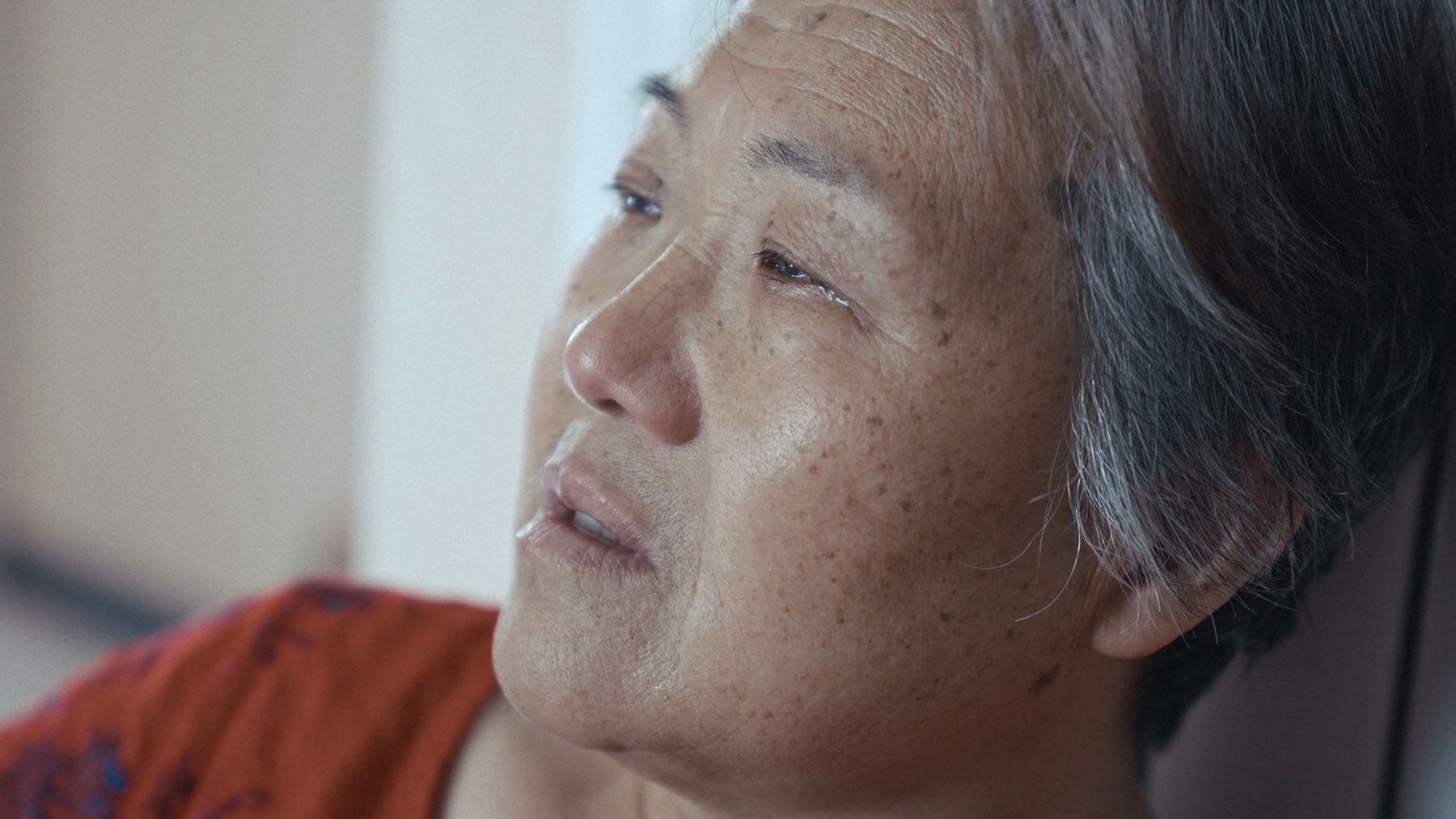
Planning for tomorrow
The opening episode, I'll Wait for You in Heaven, examines voluntary guardianship, which allows adults with full mental capacity to appoint someone they trust to manage their personal, medical and financial affairs if they later lose the ability to make decisions independently.
One unmarried, childless woman signed an agreement and moved into a nursing home, believing she had prepared for the future. She died unexpectedly 40 days later, leaving assets worth about 5 million yuan ($738,000).
She had not made a will, and no heirs could immediately be located, leaving her funeral and estate in limbo. Although tracing heirs fell outside his official duties, Li spent months searching for them.
"The fact that an heir cannot be located does not mean there is no heir," he says. "We must follow the law."
During filming, the team met older people who wanted to appoint relatives, caregivers, neighbors, property agents and even a restaurant owner as guardians. One considered naming an online celebrity.
What they sought was more than someone legally authorized to sign documents. They wanted reassurance that someone would honor their wishes when they could no longer speak for themselves.
Li describes his work as "a group of lonely people helping another group of lonely people face a future in which they will no longer be alone".
Yet, these unresolved cases show that dignity in old age should not depend on meeting an exceptionally dedicated notary. Individual commitment matters, but it cannot fill every institutional gap.
Following one's heart
The second episode, Li Kangmei's Decision, follows an older woman making a life-changing choice.
Li Kangmei moved from Henan province to Shanghai and spent 18 years with her partner, Lao Li, caring for him as his health steadily declined. Yet, their relationship never led to the marriage she had long hoped for.
After he entered hospice care, she told director Xu Yiling that she wanted to return to Luoyang.
"I want to go home," she said. "I don't want to stay here anymore. It is time to say goodbye to him."
Before leaving, the couple linked little fingers beside his hospital bed, and she promised: "I will come back."
Days later, shortly after Xu arrived in Luoyang, she received a message at around 5 am saying Lao Li had died. Hours later, she visited Li Kangmei, who had not heard the news and was still describing her plans for the future.
"When I reviewed the footage, I realized they probably both knew, when they made that promise, that it would be their last meeting," Xu says.
Their relationship resists easy judgment. Chief director Fan Shiguang says Li Kangmei's choice sparked debate within the production team.
"At first, I could not fully understand it," he says. "But over time, I realized it was about an older woman choosing to follow her heart and move forward."
The documentary does not gloss over her resentment, hesitation, guilt or resolve. Lao Li faced his own struggles, but Li Kangmei also had the right to begin again.
Her story raises questions that transcend age: Does commitment have to end in marriage? Does caring for someone mean staying until the very end? When is it time to accept that a relationship no longer offers the life you want?
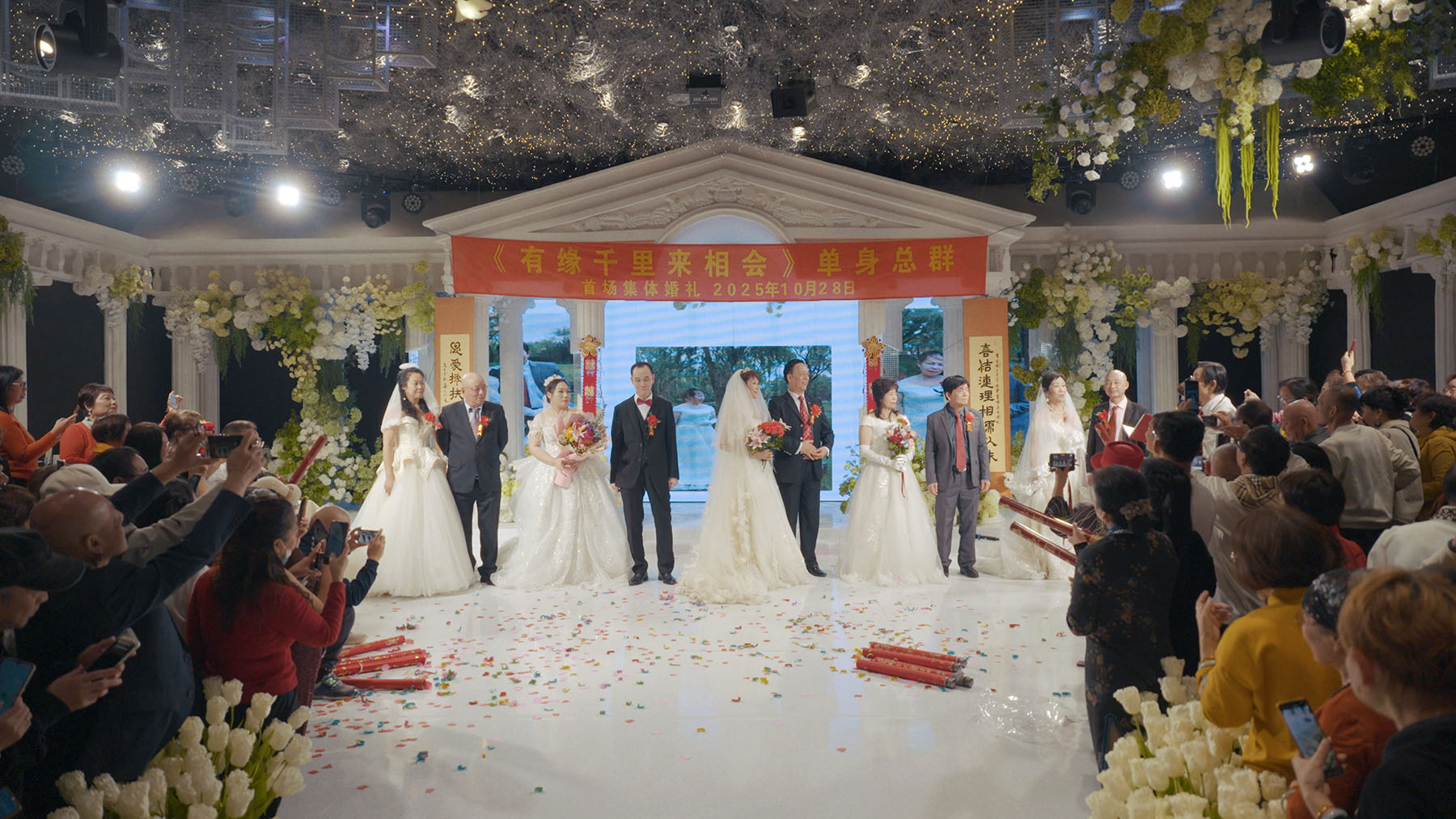
The remaining episodes explore matchmaking, intergenerational conflict, living alone and serious illness. One follows a matchmaker with 25,000 older singles in his network. Another concerns a mother who accumulates debts of more than 1 million yuan through investment scams, forcing her daughter to confront both the financial fallout and their strained relationship.

Search for purpose
Together, the stories show that old age is no more uniform than any other stage of life. It may bring illness, loneliness and loss, but also desire, humor, resilience and the search for new purpose.
"When You Are Old is not made only for older people," producer Xie Lin says. "We hope middle-aged and younger viewers can also see themselves in these stories."
For many young people, wills, hospice care and retirement planning seem far away. But aging does not begin on a particular birthday. The conversations people have today about illness, caregiving and autonomy will shape how they experience later life.
After the premiere screening in Shanghai on July 10, Li Chenyang took the stage. "We discussed many difficult subjects, but I hoped people could leave with a smile," he said. "When I heard laughter during the screening, I felt relieved."
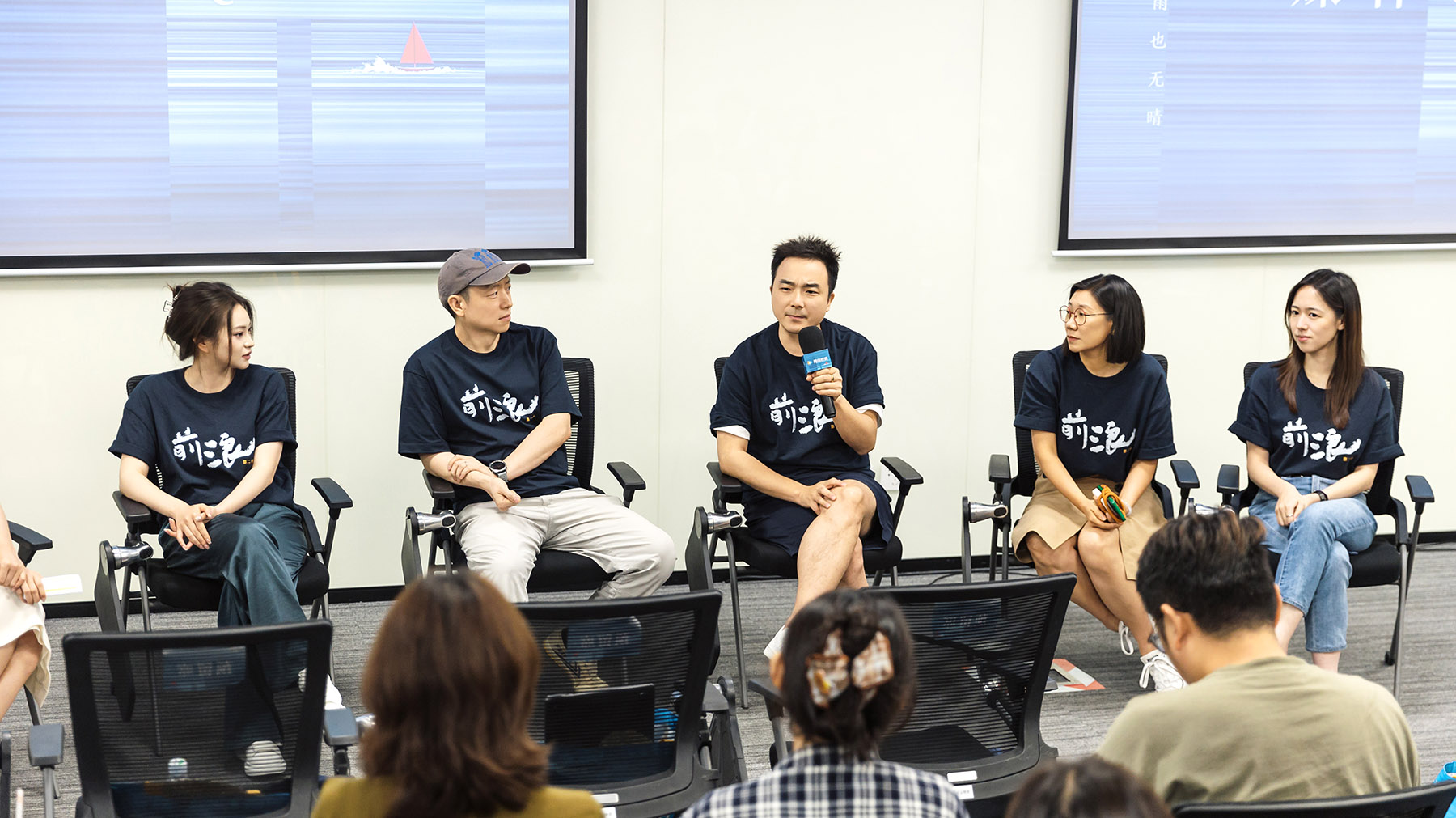
The documentary does not shy away from loneliness, illness or death, but neither does it portray old age as a prolonged tragedy. Moments of humor, arguments and absurdity preserve the texture of everyday life.
That same day, the Shanghai Municipal Civil Affairs Bureau released two guidelines outlining how voluntary guardianship agreements for older people should be established, activated, witnessed and terminated.
"What we have been waiting for is gradually taking shape," Li Chenyang says. "We should remain hopeful. Given enough time, solutions will emerge."
ALSO READ: Teen filmmakers shine at festival
A documentary cannot resolve these challenges. But once issues previously dismissed as private family concerns enter public discussion, they no longer have to be carried in silence.
Perhaps old age is not the stage when every question is finally answered. It simply brings a new set of questions. The people before the camera offer no conclusions. In their own imperfect ways, they are trying to shape whatever life remains on their own terms.
Contact the writer at liyingxue@chinadaily.com.cn
