

A new documentary reframes the region not as a passive idyll, but as a place forged through centuries of struggle, adaptation and creative force, Wang Ru reports.
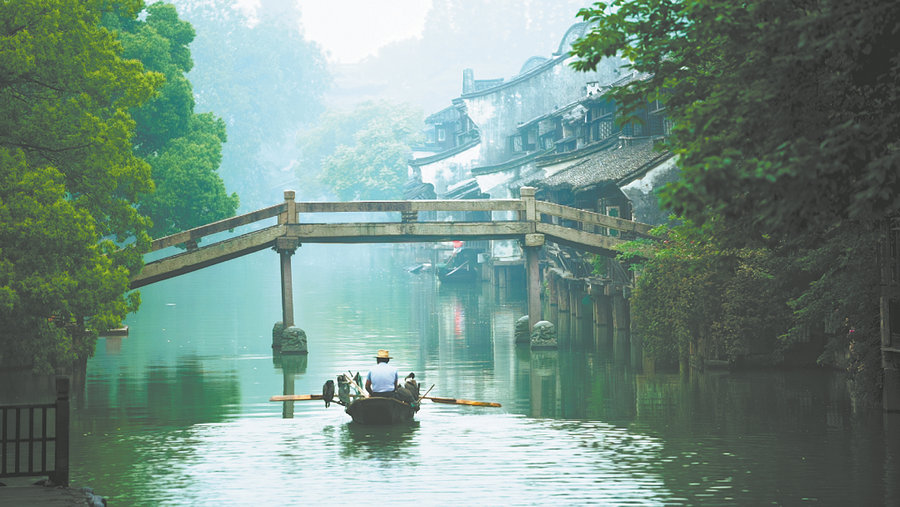
What is Jiangnan? For centuries, it has been a whisper in Chinese poetry, a watercolor haze in classical paintings, a dream of tranquil canals and silk-clad scholars. But beneath the lyrical surface lies a far grittier, grander story, one of ancient coastlines rising from the sea, of rice paddies cultivated for millennia, of women who wove prosperity from cotton, and craftspeople who built a nation's industrial soul. Now, the hidden epic is being told.
The stories of Jiangnan are recounted in Great Jiangnan, a 12-episode documentary that is airing on Dragon TV. Through its explorations of the deep emotional vitality of Jiangnan (the southern regions of the lower reaches of the Yangtze River), the documentary aims to offer audiences a direct experience of the brilliance of Chinese civilization and the dynamism of contemporary China.
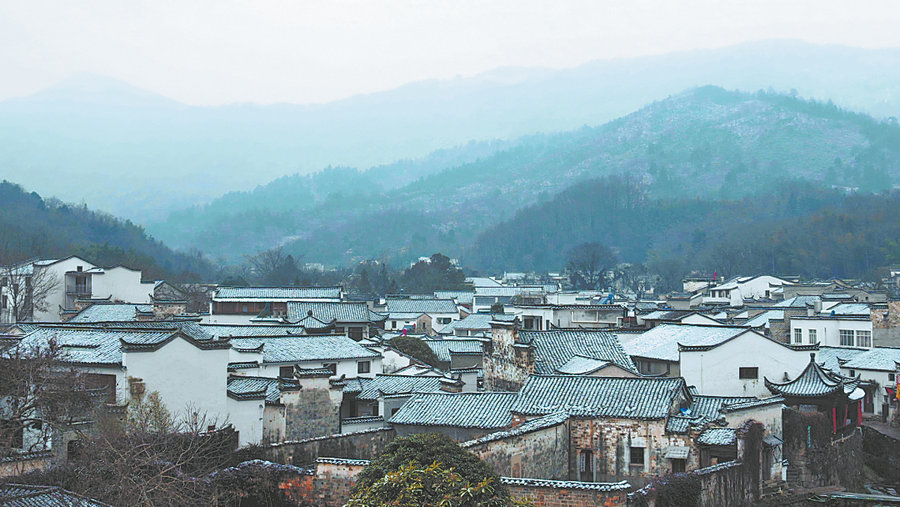
"Ever since Tang Dynasty (618-907) poet Bai Juyi wrote the line 'fair Jiangnan', our appreciation of the region has largely been shaped by poetic imagination, visions of small bridges over flowing streams, spring rain and apricot blossoms. Yet, few have paused to ask how this 'fairness' came to be," says Xu Guanqun, the general director of the series.
"Our aim is to take the many kinds of 'fairness' that define Jiangnan not as a finished picture, but as clues, as threads to follow, to trace their origins, to uncover how this beauty was made, to break through fixed stereotypes, and to bring to light the deep, layered, and vital emotional forces that lie at the heart of Jiangnan."
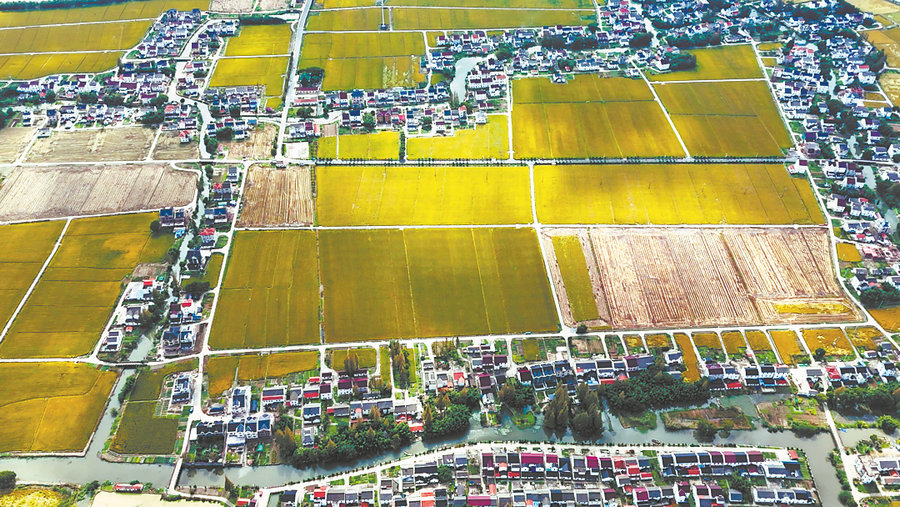
According to Xu, the documentary is a breakthrough endeavor in that it transcends the narrow definition of Jiangnan — the area surrounding Taihu Lake that other documentaries often focus on. Instead, it covers a far broader geographical area, spanning most of Jiangsu, Zhejiang and Anhui provinces, Shanghai, and parts of Jiangxi province, while its time scope extends from prehistoric times to the modern era.
"Jiangnan is never a simple geographical concept," says Xu.
"When people think of Jiangnan, they imagine it as soft, delicate and poetic. But in fact, Jiangnan is also a place of profound historical depth. It is resilient and unyielding as well."
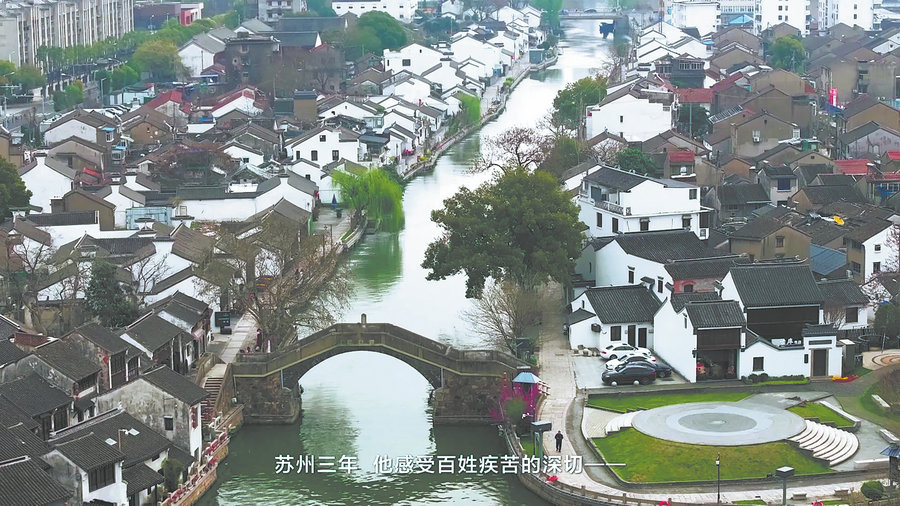
For example, the documentary examines the origins of rice-based agricultural civilization in the region, as well as the sophisticated water management systems of the ancient city of Liangzhu in present-day Hangzhou, Zhejiang, dating from 5,300 to 4,300 years ago. These systems, built for flood control, drainage and irrigation, testify to early communities' struggle to live with and master water.
"The history of Jiangnan is also a history of its people wrestling with water and conquering water disasters," says Xu.
Therefore, the series aims to "portray a picture of Jiangnan that highlights its breadth, depth and tenacity, going far beyond the stereotypes associated with it", according to Xu.
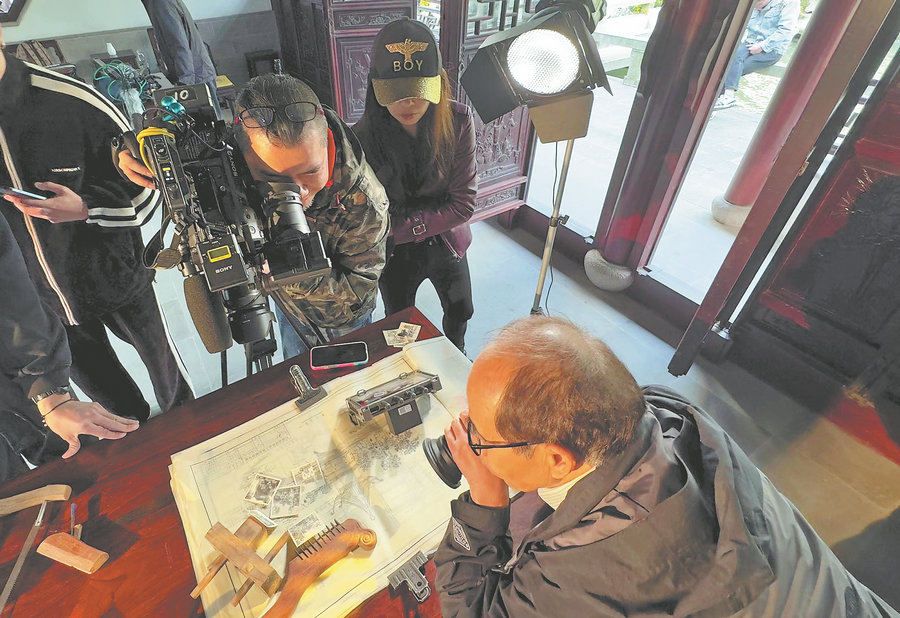
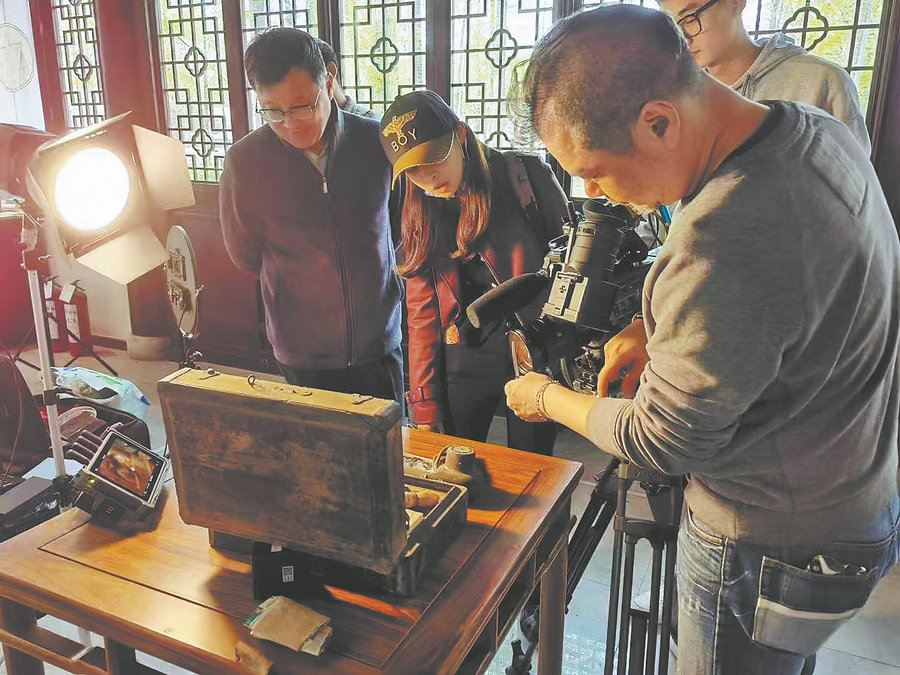
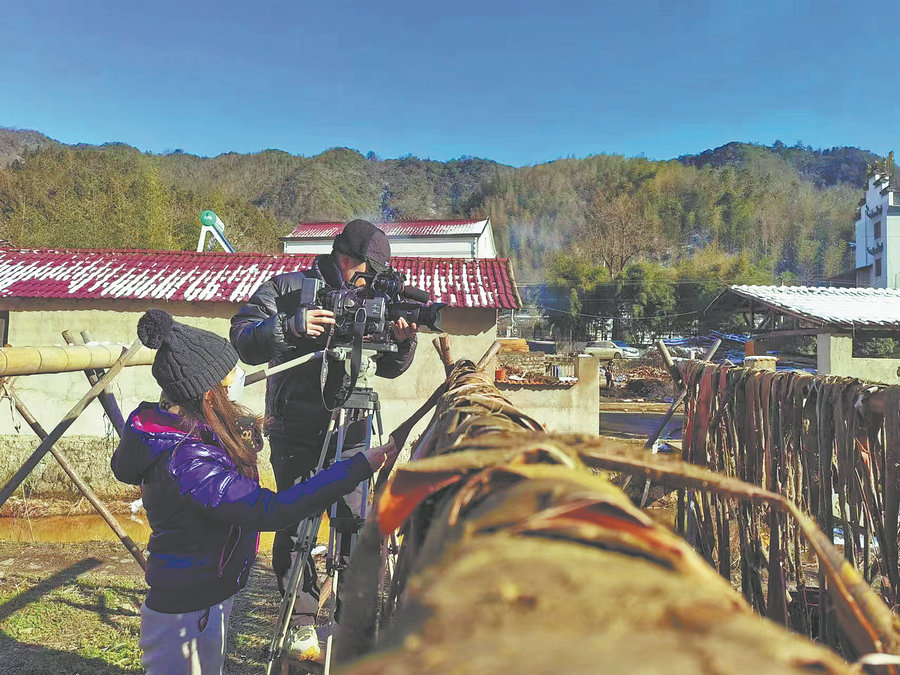
To realize the goal, crew members traveled throughout almost the entire Jiangnan area, consulted historians and searched for the past of Jiangnan in ancient literature, using all the means available to understand its development.
"We were surprised to discover that amid today's push for integrated development in the Yangtze River Delta, the vibrant cultural pulse still exists, as do the historical imprints hidden in the past and those who remember and understand Jiangnan. Therefore, we wanted to try our best to capture every precious relic and memory and record them," says Xu
Li Tiangang, a professor of philosophy at Fudan University in Shanghai, and an academic consultant for the production, says industriousness is at the core of Jiangnan's cultural spirit, which also includes rationality, tolerance, inclusiveness, diversity, and practicality.
"These qualities can be found throughout Chinese culture, but they are especially prominent in the societies of the Jiangnan region," Li says.
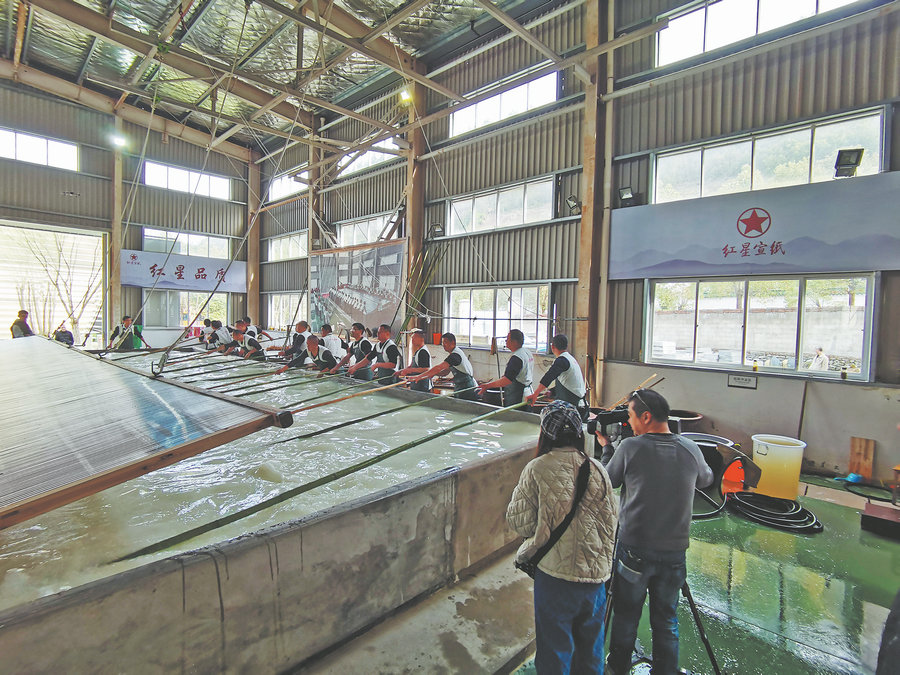
"The documentary makes clear that Jiangnan was not naturally a pleasant or habitable place. It was the hard work of its people that transformed it into a land of abundance and a global manufacturing hub."
