

China's ambassador to the United Nations said on Thursday that China "does not go along with" Iran's attacks against Gulf Cooperation Council (GCC) countries, and warned of any authorization of force in the Strait of Hormuz.
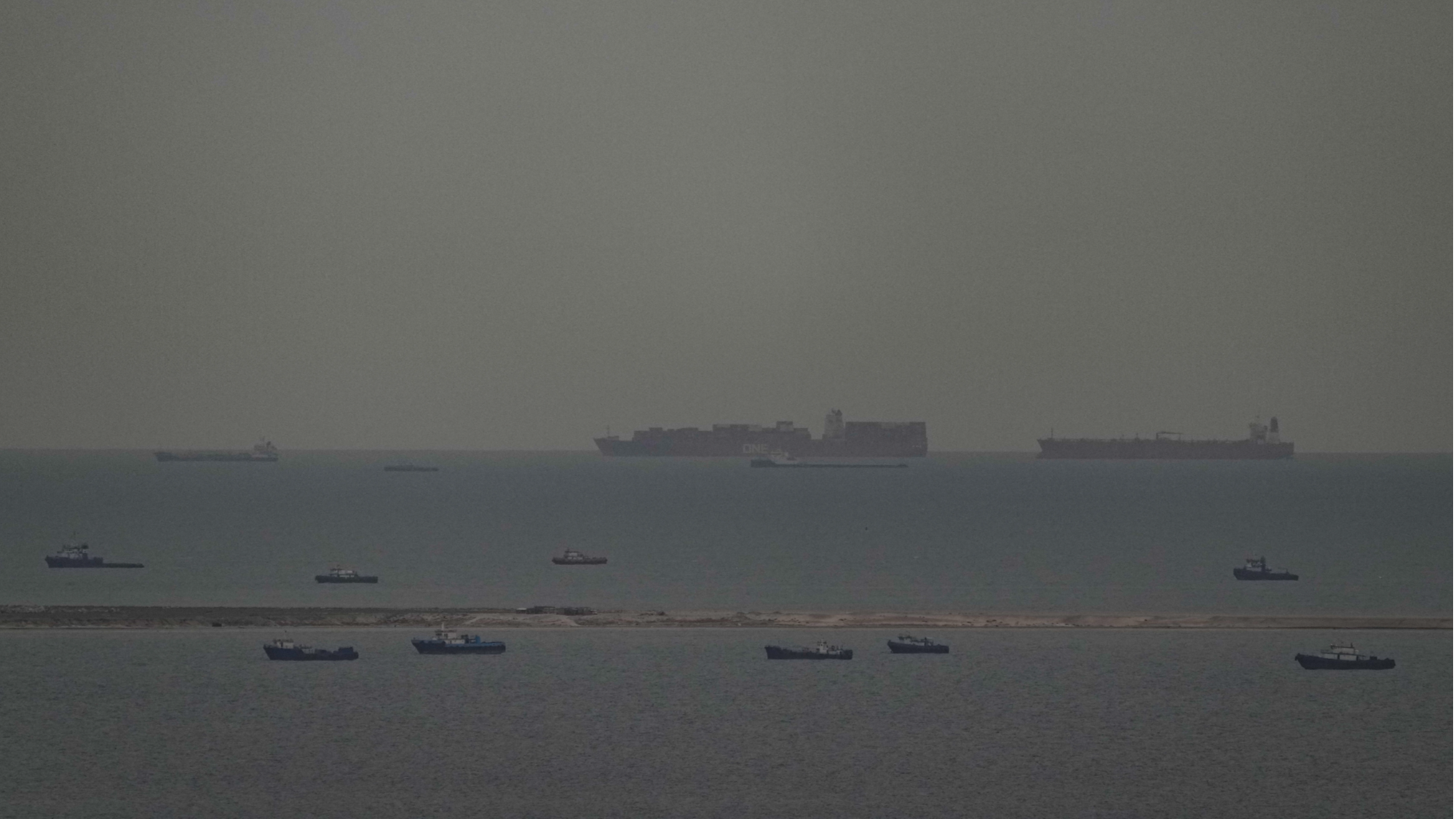
"China does not go along with Iran's attacks against the GCC countries, and condemns all indiscriminate attacks against civilians and non-military targets," Fu Cong said, calling to respect the sovereignty, security, and territorial integrity of Gulf countries. "The security of shipping lanes must not be disrupted."
His remarks came before the Security Council is set to vote on a draft resolution that would authorize member states to use "all necessary means" to secure transit passage through the Strait of Hormuz, language widely interpreted as invoking Chapter VII of the UN Charter, the legal basis that has underpinned interventions such as the NATO's 2011 military intervention in Libya.
As of Thursday, the text was still subject to negotiation among council members, diplomats told China Daily.
Fu warned that authorizing member states to use force would effectively legitimize unlawful and indiscriminate military action.
"The Security Council bears the primary responsibility for the maintenance of international peace and security, and should uphold an objective, impartial, and fair position," he said.
"Under the current circumstances, authorizing member states to use force would amount to legitimizing the unlawful and indiscriminate use of force, which would inevitably lead to further escalation of the situation and lead to serious consequences," he warned.
"The Council must proceed with caution and play a positive role in deescalating the situation and restoring dialogue and negotiations," he added.
Fu emphasized that China is a good friend and partner of GCC states. He noted that China has established strategic partnerships with the GCC as a whole and with each of its member states individually.
"China stands ready to further strengthen communication and coordination with the GCC countries, actively implement the outcomes of the summit, deepen cooperation across all fields, and jointly take the China-GCC relationship to new depth and greater substance, making new contributions to regional peace, stability, and development," he said.
China and Pakistan on Tuesday issued a five-point initiative for restoring peace and stability in the Gulf and the Middle East, calling for immediate cessation of hostilities, the start of peace talks as soon as possible, security of non-military targets, security of shipping lanes, and the primacy of the UN Charter.
Fu said the China-Pakistan five-point initiative "is open, and we welcome response and participation of all countries and international organizations, so as to help the international community build a broader consensus and stronger synergy and contribute to deescalation and the restoration of peace and stability in the Gulf and the Middle East at an early date".
The Chinese ambassador said that the origin of this war "lies in the military attacks by the United States and Israel against Iran, which clearly violates the purposes and principles of the UN Charter and the basic norms governing international relations".
He said the key to preventing further deterioration "lies in the cessation of military actions by the US and Israel".
Speaking at a separate Security Council meeting on cooperation between the United Nations and the League of Arab States, Fu said the current conflict was "a war that should never have happened", and that continued fighting "will only bring more casualties and needless losses", calling for an immediate halt to military operations to prevent further escalation.
