

Master of traditional wuluo weaving wins fans for his refined silk fabrics, passes legacy down
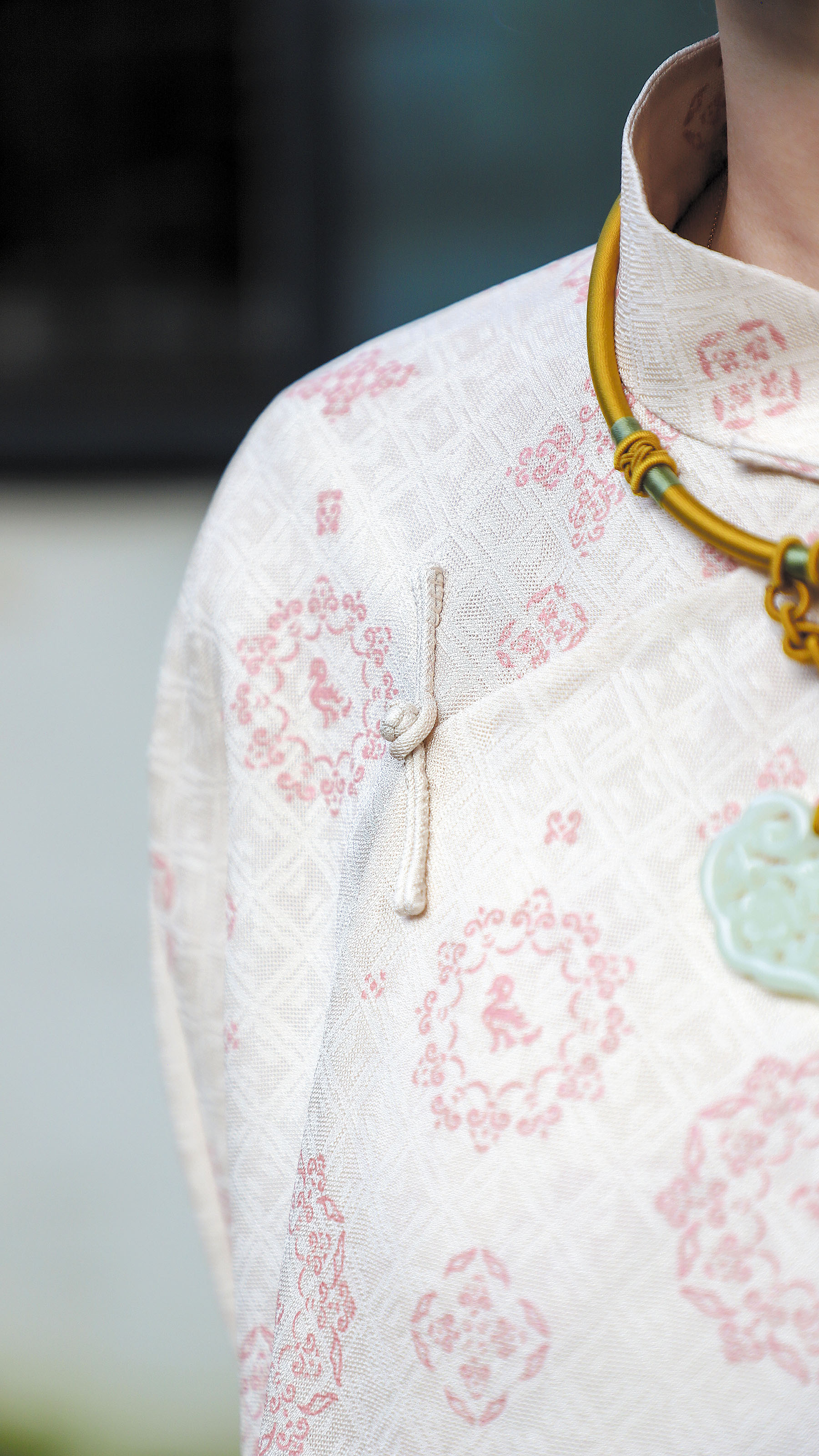
On Douyin, China’s TikTok, followers affectionately call Zhu Liqun “Uncle Zhu”. In his popular videos about luo, a type of silk, the comment section is flooded with the same lament: “Can’t buy it, literally can’t buy it!”
As a master inheritor of the wuluo traditional weaving technique, Zhu weaves silk fabric that has been passed down for over 1,000 years. Yet, even with modern machinery, supply can barely keep up with surging demand.
Among the earliest silk textiles in China, luo has long been a graceful presence in classical poetry, a refined material once reserved solely for royalty and nobles. Zhu, a bearer of intangible cultural heritage, has breathed new life into this nearly lost art.
To Zhu, luo is never just cloth. It is a treasure of wisdom passed down by ancestors. Unlike other silk fabrics such as ling, chou and duan, each with its own weaving technique, luo features a unique structure of twisted warp threads that form natural, airy mesh holes. It is lightweight, breathable, and is often described as a “natural wearable air conditioner”, perfect for summer garments.
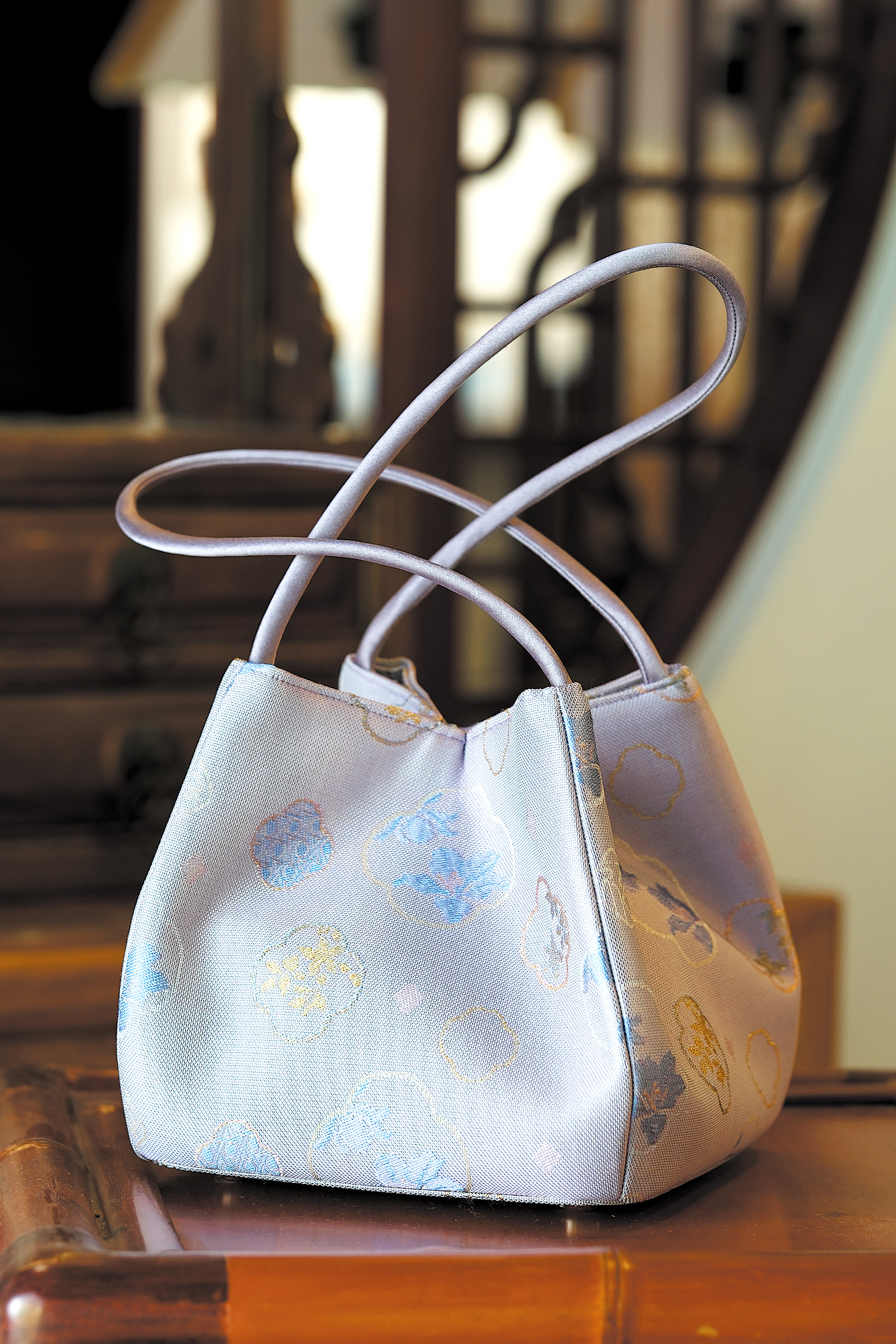
For over 1,000 years, Suzhou in Jiangsu province has been renowned for its weaving mastery. Originating from the Wu region of ancient China, present-day Suzhou lies at the center of this area, where the wuluo weaving technique was refined over centuries, reaching its peak during the Tang (618-907) and Song (960-1279) dynasties.
Having spent a lifetime amid looms and silk threads, Zhu remains passionate. Even at 68, he goes to his workshop in Suzhou each day to develop new patterns.
“Mastering a craft for 50 years doesn’t rely on cleverness but on slogging through step by step. Only by calming the mind can you make fine wuluo,” he said.
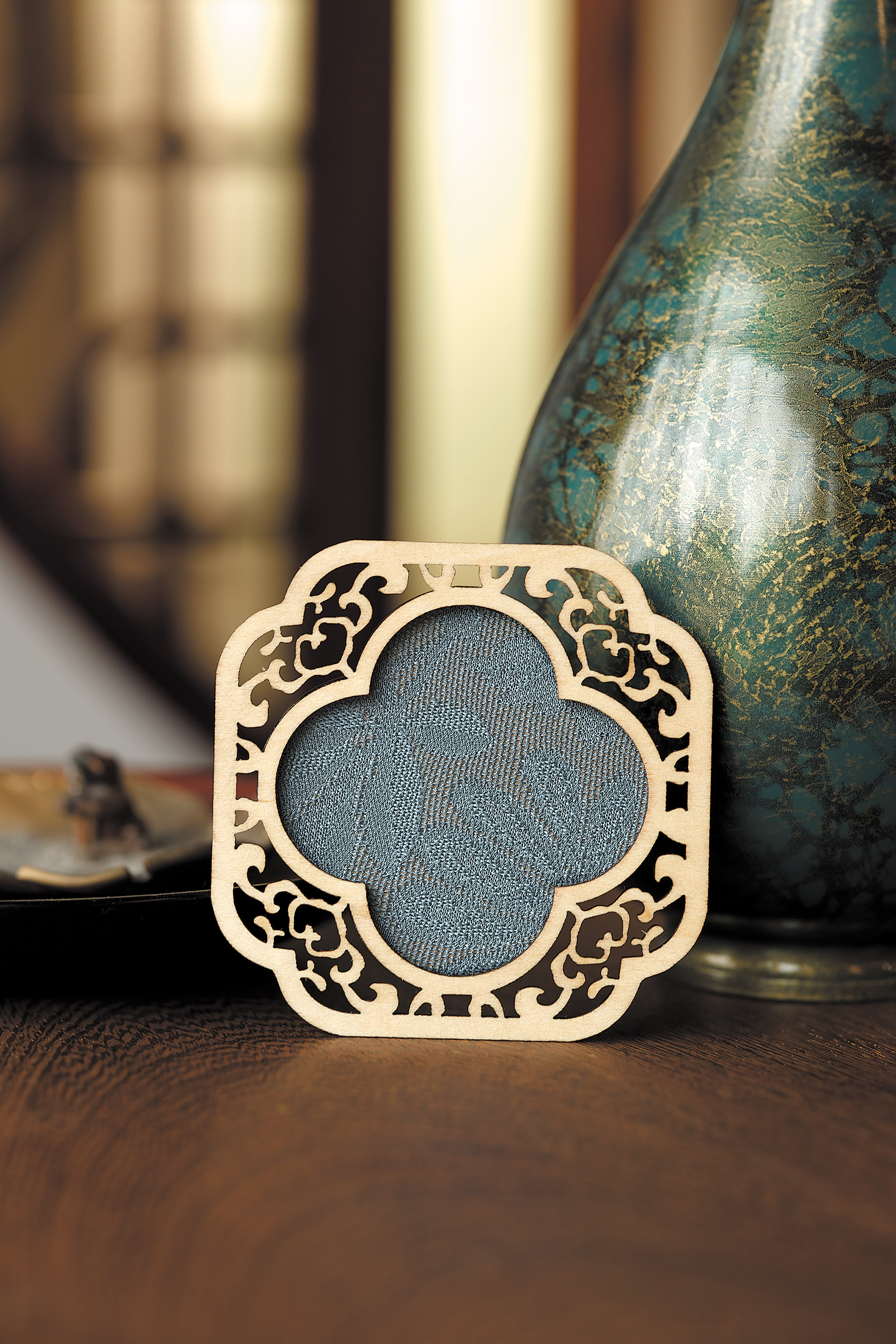
In 1976, Zhu joined a silk factory in Suzhou. Starting as an operator, he endured the challenges of learning the trade and considered giving up, but his master’s guidance and his own perseverance kept him going.
For two decades, he worked day and night, honing his skills. “Luo is incredibly hard to weave. When I first started, I wanted to quit many times. It’s not that I’m dumb; it’s that the technique is so complex. One wrong thread, and you have to start over,” he recalled.
The signature technique is the “twisted warp”. Warp threads twist together, creating natural, minute holes thin enough to let light pass through, yet remarkably strong. Zhu compares the loom to an ancient computer, and every pattern on the fabric is like a piece of code. He is the coder.
An ancient saying goes: “Respect the luo garment first, then respect the person who wears it.” Wearing clothes made with luo always symbolized status and taste in ancient China. The process is laborious and time-consuming.
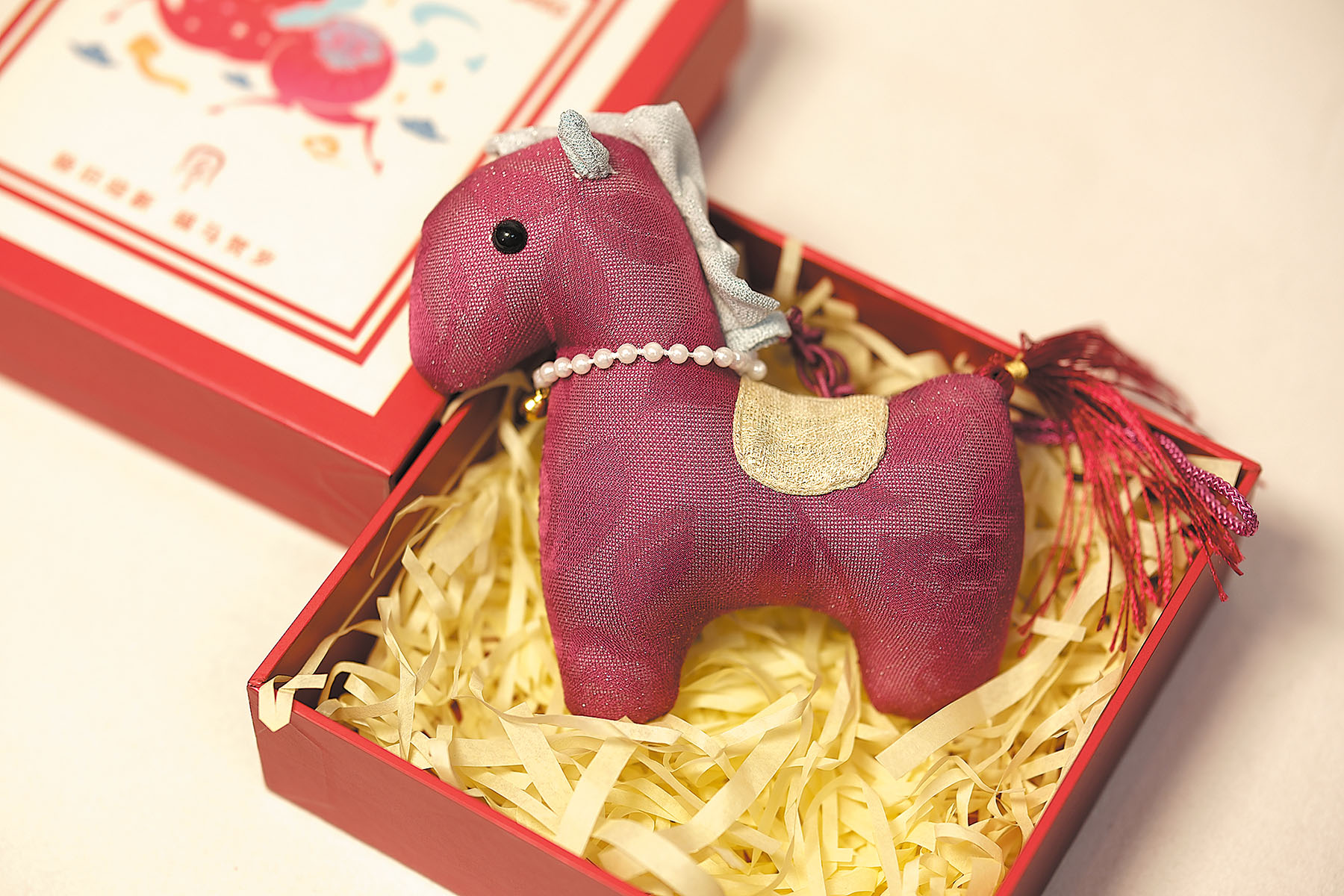
Zhu said that ordinary weaving can produce 5 meters of cloth, but luo yields only 1 meter. Two workers can create only 5 to 10 centimeters in a full day.
In 1996, Zhu founded his own factory, dedicating himself to researching patterns and restoring many lost ancient techniques. He also began replicating precious silk artifacts. In 2014, invited by the Chinese Academy of Social Sciences, he took on the challenge of reproducing a xiapei — a magnificent silk shawl worn by noblewomen — unearthed from a Ming Dynasty (1368-1644) tomb in Nanchang, Jiangxi province.
“Just studying its structure took a week. It was incredibly hard,” Zhu recalled.
Faced with fragmented relics, he used a microscope to unravel the threads inch by inch, calculating warp and weft ratios and construction repeatedly. After three years of trials, he not only re-created the shawl but also recovered the entire weaving process.
Zhu said that artifact restoration not only revives ancient techniques but also deepens his understanding of weaving techniques across dynasties, fueling innovation for modern fabrics.
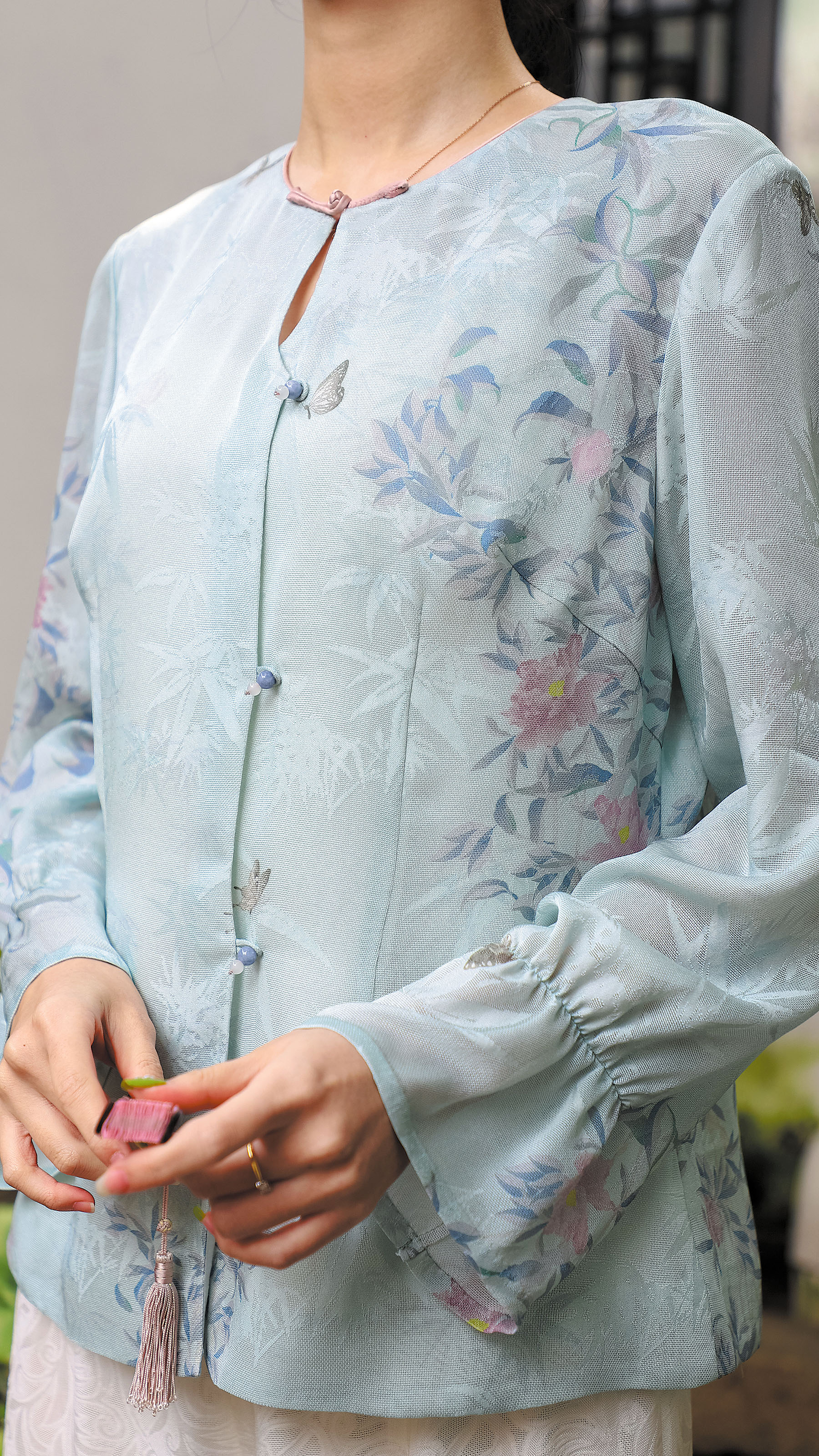
Over the years, Zhu has weathered industry ups and downs. His fabrics were once exported to Japan and South Korea, gaining overseas fame. He also endured tough times when the market slumped, and he could not pay wages. Yet, he never abandoned his veteran craftsmen, holding fast to the authentic lineage of wuluo.
For Zhu’s son, Zhu Xiaoxing, luo was part of everyday life. Growing up, he wore summer clothes made from leftover luo fabrics from his parents’ factory — light and cool, but nothing special.
Two years ago, he had a stable job at a State-owned enterprise. But watching his aging parents pour their lives into wuluo, with a wish to share it nationwide and beyond, he made a decisive choice: he quit his job, left Shanghai, and returned to Suzhou with his wife to carry on the tradition.
His background in science and engineering unexpectedly gave him a unique edge. Understanding loom mechanics, warp-weft arrangements and pattern logic came naturally, akin to mechanical calculations and structural principles. Within just two years, he grasped some core techniques.
To attract younger audiences, 40-year-old Zhu Xiaoxing began developing original patterns that appeal to modern tastes. Traditional patterns often feature plants, flowers, insects, or fruits. In his factory, there is a small museum showcasing ancient patterns favored by generations, including his father’s.
“The younger generation is different. They prefer simple, elegant and clean lines. Our best-seller is an abstract pattern,” Zhu Xiaoxing said.
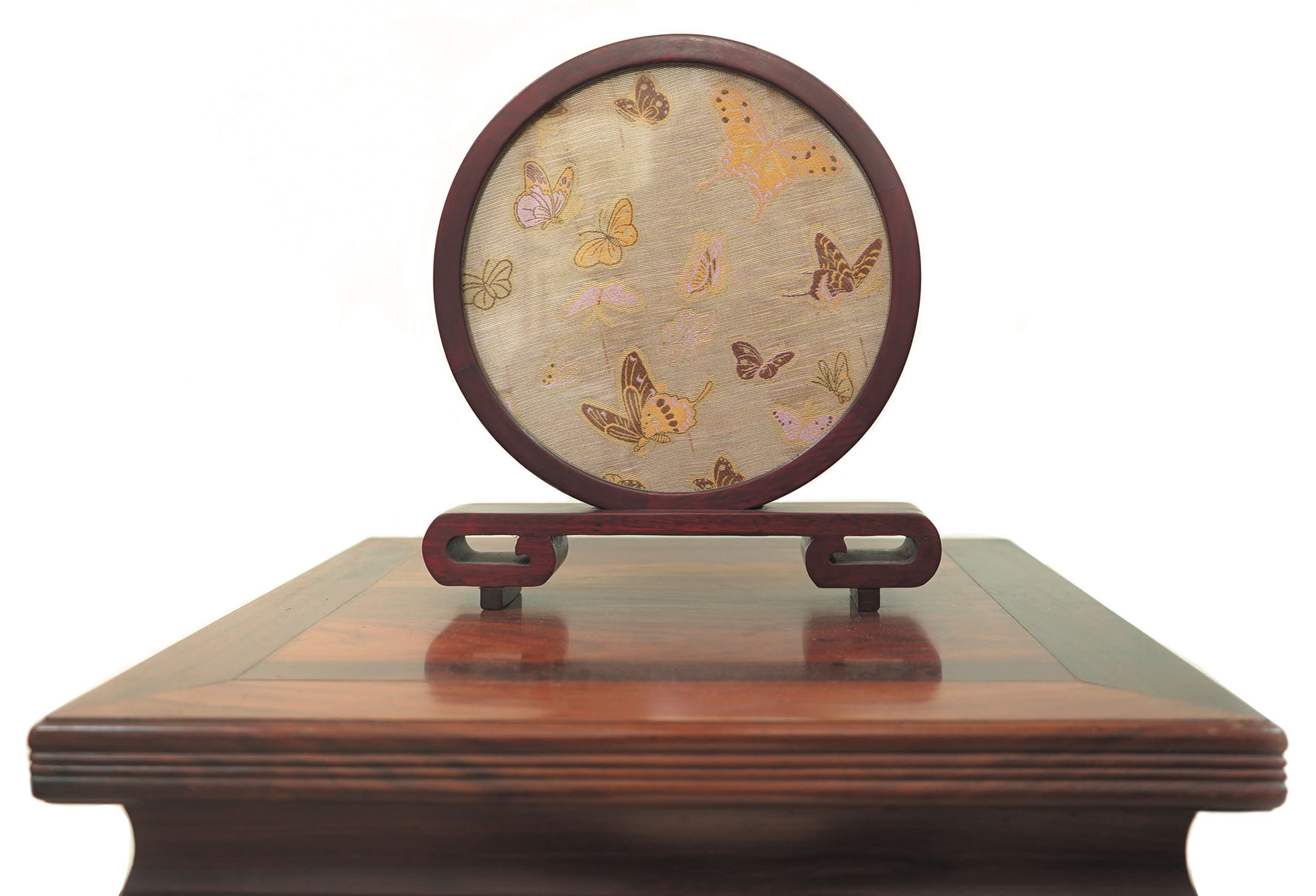
He balances preserving core techniques with modern aesthetics. Collaborating with design teams, he reinterprets traditional patterns, stripping away excessive complexity while keeping the essence of understated Chinese elegance. The result is new patterns suitable for modern Chinese-style wear and cultural accessories.
He also leverages social media platforms like Xiaohongshu and Douyin, publishing educational videos about luo and occasionally selling fabrics via livestreams. Many items sell out within a minute.
Zhu Xiaoxing admires his father’s lifelong perseverance. “It’s his generation’s ‘never give up’ spirit that has brought wuluo to ride the wave of the current Chinese-style revival, making this ancient craft loved again.”
Zhang Xiaoxia, a professor from Soochow University’s School of Art in Suzhou, observes that the rise of national pride, growing cultural confidence, and the revival of ancient costumes in TV dramas have fueled the new Chinese-style fashion trend. Moreover, machine weaving reduces costs, making wuluo affordable for ordinary people.
“In ancient China, luo was a frequent subject in poetry. It is translucent yet misty, elegant and restrained, the colors never gaudy — carrying a quiet allure beloved by poets and literati. Its semi-sheer texture and soft drape are not just garments, but a vessel of Eastern poetry,” said Zhang.
Contact the writers at dengzhangyu@chinadaily.com.cn
