


As China’s growing influence expands from manufacturing and technology into the world of luxury food, quality has become the decisive factor for producers in overcoming trade turbulence and lingering skepticism toward Chinese-origin premium products, says Han Lei, executive director and deputy general manager of Hangzhou Qiandaohu Xunlong Sci-tech, the world’s largest caviar producer.
Han has seen sharp swings in tariffs on Chinese caviar last year — rising from 40 percent to as high as 185 percent before easing to 50 percent – yet sales in the United States still grew by 20 percent.
 “Quality is everything. From our unique waters to rigorous processing, every link in the chain must be perfect,” Han tells China Daily in an interview in Hong Kong. Strong underlying demand and a lack of viable, high-quality alternatives made distributors and end consumers absorb most of the added cost, allowing the company to weather the storm without having to slash prices.
Caviar, known as the “black gold”, is a huge favorite of European and American consumers. Caviar prices are heavily dependent on species, quality, and size, and could as much as over HK$6,000 per tin. Although the expensive delicacy is not traditionally associated with Chinese cuisine, China has quietly become the world’s top exporter of caviar, accounting for 44 percent of global sales in 2024, according to data analysis platform World’s Top Exports.
ALSO READ: Mainland's top caviar producer Kaluga Queen is said to mull IPO in HKSAR
The world’s second-largest economy is home to several top players, and Hangzhou Qiandaohu Xunlong Sci-tech, the owner of its flagship brand Kaluga Queen, has ranked as the top-selling caviar producer worldwide over the past decade. Last year, its output was more than 260 tons, sitting at over 40 percent of the global market, according to Han.
Having consolidated its position in global gourmet dining, Han says the company is now looking for new horizons, exploring the use of caviar-derived ingredients in cosmetics and other non-food applications.
The economics of caviar make it an unusually painstaking business. Depending on the species, sturgeon take between seven and 15 years before producing roe suitable for processing.
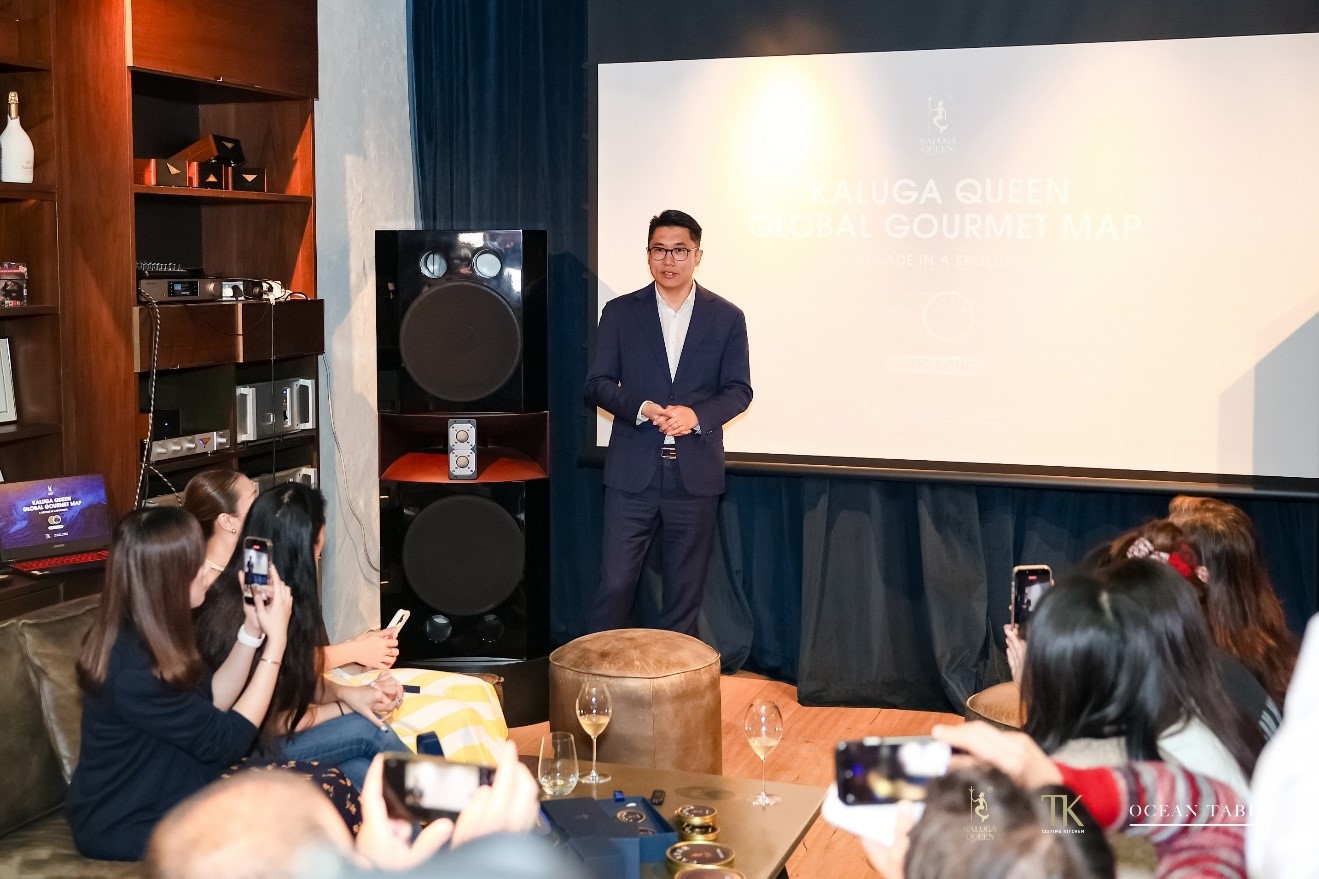
The company started researching artificial sturgeon breeding in 1998 and spent years refining its aquaculture techniques before choosing Qiandao Lake in Zhejiang province in 2003 as its production base. “It took another four years until we finally got our first tin of farmed caviar,” Han recalls.
There followed a long hard road to get the world on board with the idea of Chinese caviar. A major turning point emerged in 2011, when Lufthansa introduced Kaluga Queen into its first-class cabins after a series of blind tastings.
Han remembered how initial outreach efforts were largely ignored, and senior management at the German carrier remained skeptical about sourcing food products from China. The opportunity emerged only after Lufthansa’s existing supplier encountered supply disruptions, and the airline later conducted blind tastings involving 25 caviar samples from around the world, with Kaluga Queen twice ranking first, Han says.
In 2017, Lufthansa moved to exclusive sourcing from Kaluga Queen, a relationship that continues today and became a critical endorsement to help the caviar producer open doors across Europe and beyond.
Today, overseas markets contribute roughly 80 percent of the company’s revenue. Yet, Han expects a more balanced mix over time as he bets on the “biggest opportunities” up for grabs in China and Southeast Asia.
“China’s annual caviar consumption, which was negligible a decade ago, hit around 60 tons last year and is well on track to exceed 100 tons within the next two to three years,” he says.
In China, the company is setting its sights on the direct-to-consumer domestic market, where it seeks to include the salty black fish eggs in products as varied as ice cream, mooncakes, chocolate and Peking duck to win over young consumers.
Beyond the dining room, the company is hunting for what Han describes as its “second growth curve”. This could include caviar-derived ingredients for the premium cosmetics and other biotech applications, an area where some international beauty brands have already marketed premium skincare products featuring caviar extracts as a key selling point.
Contact the writer at sophialuo@chinadailyhk.com
