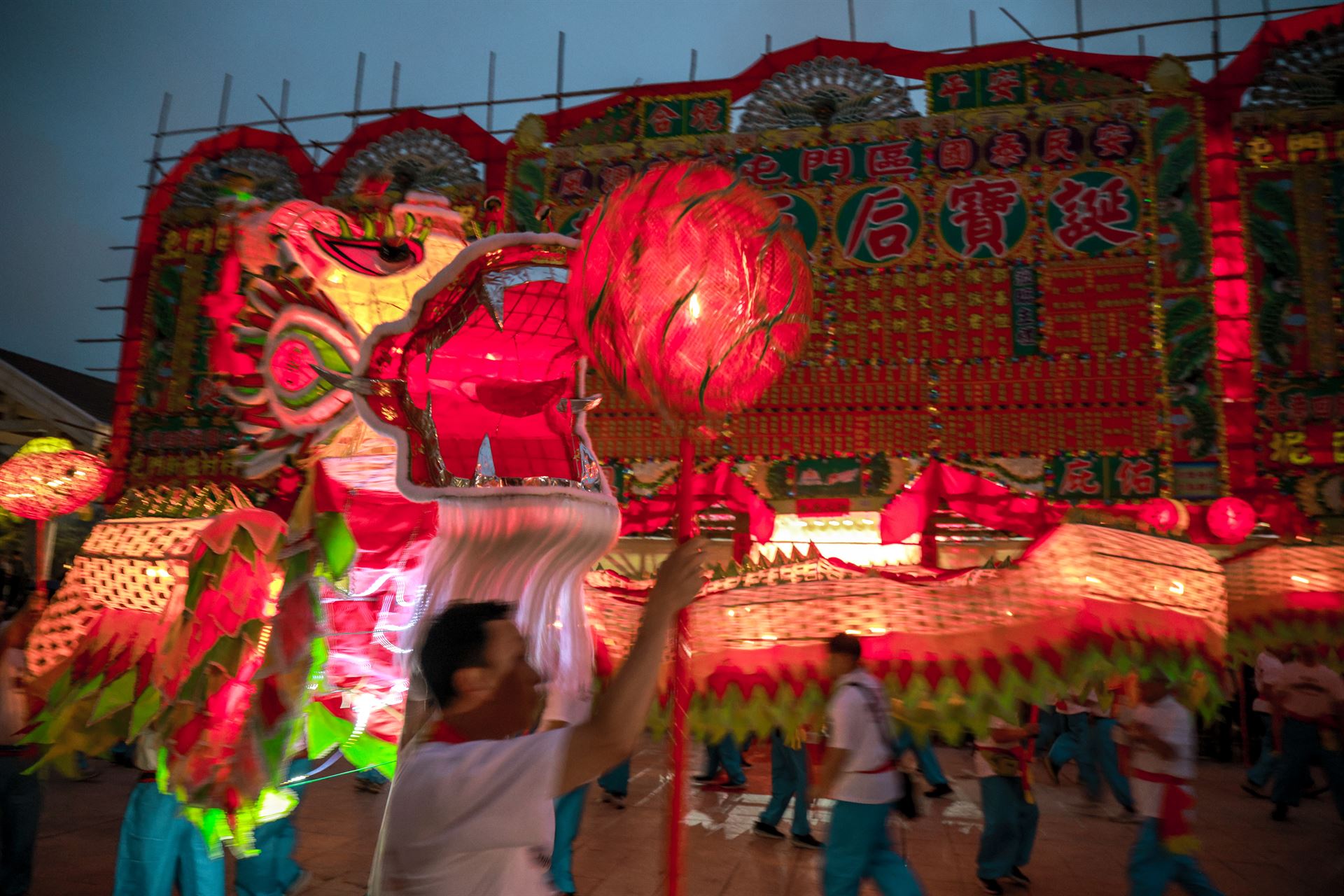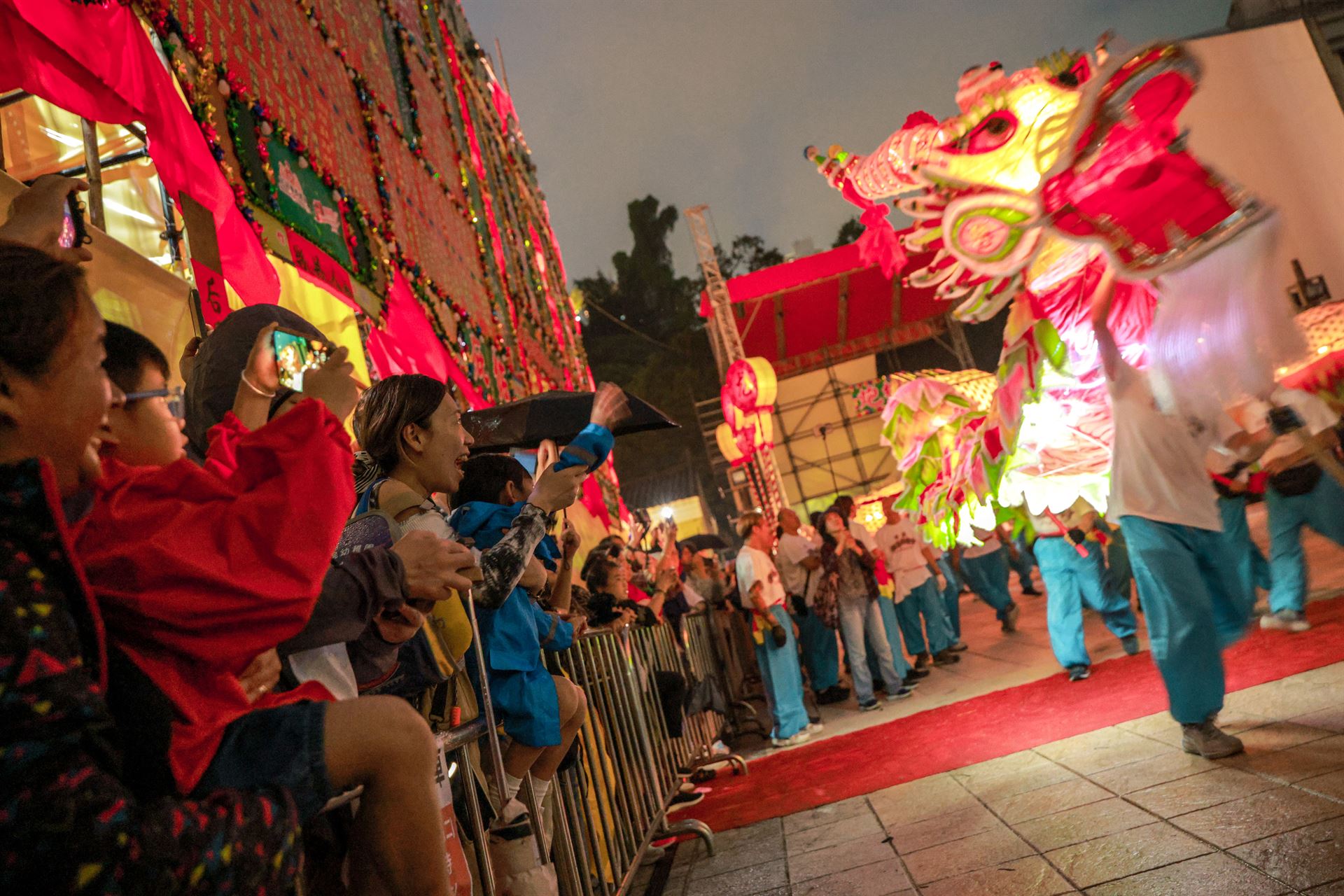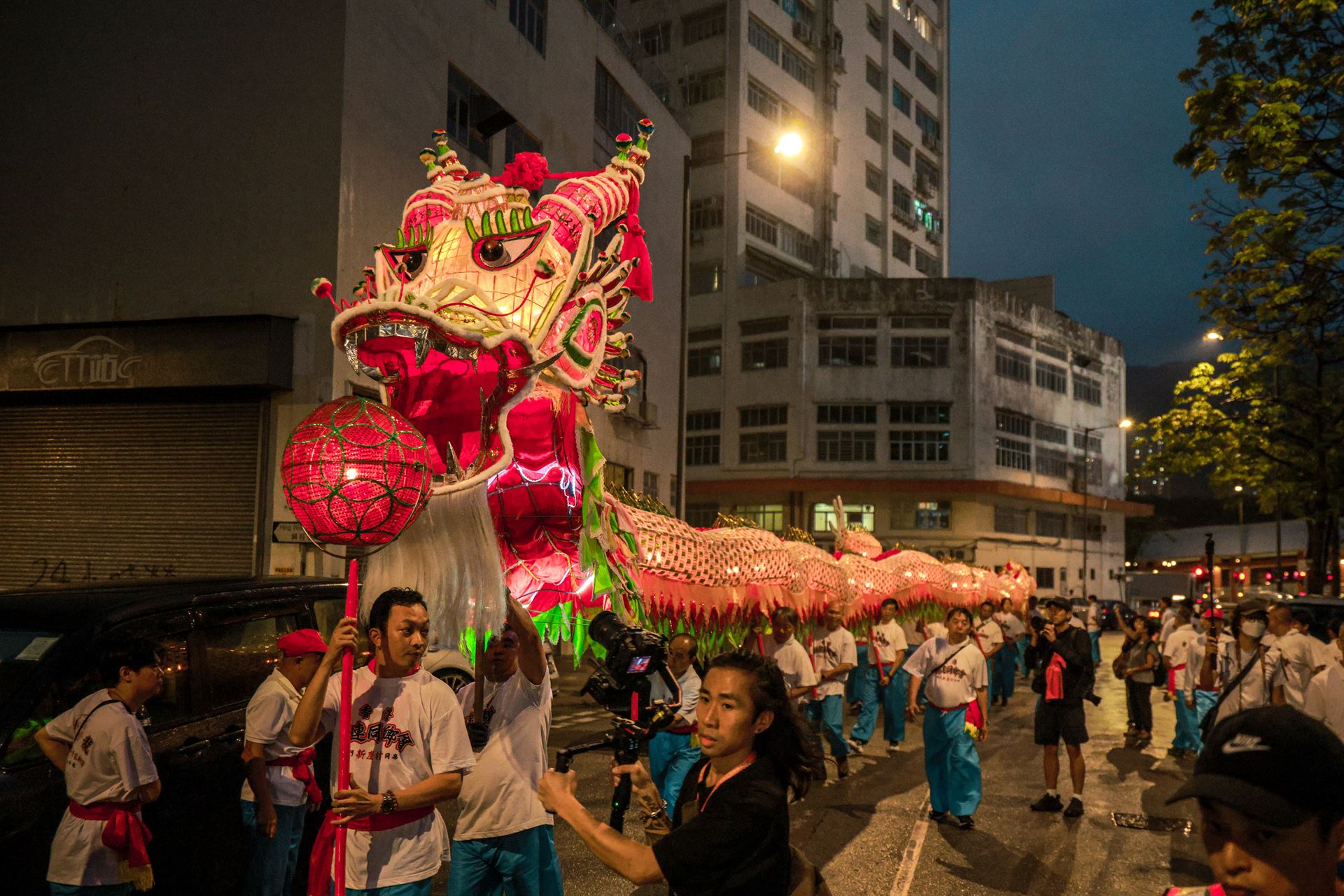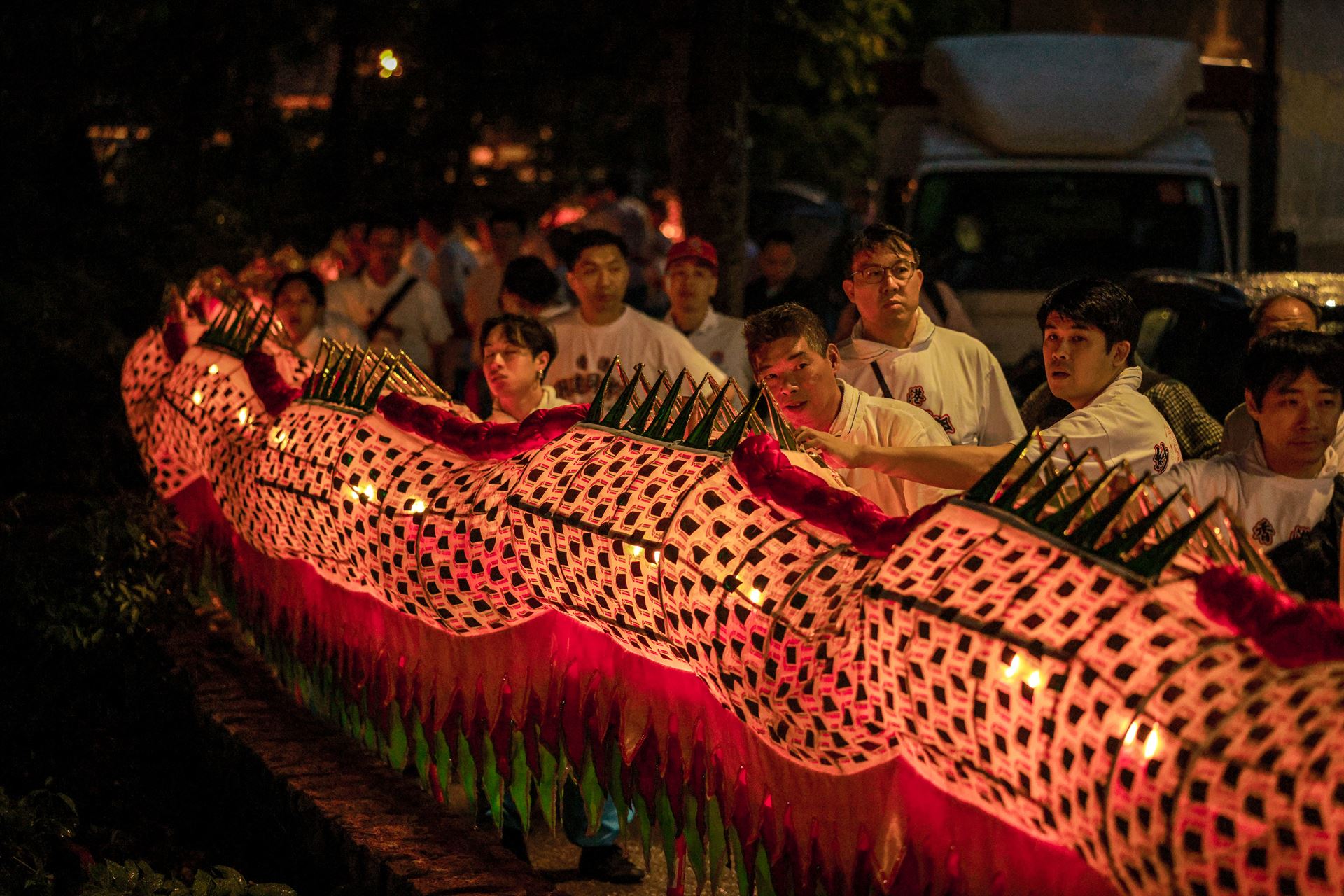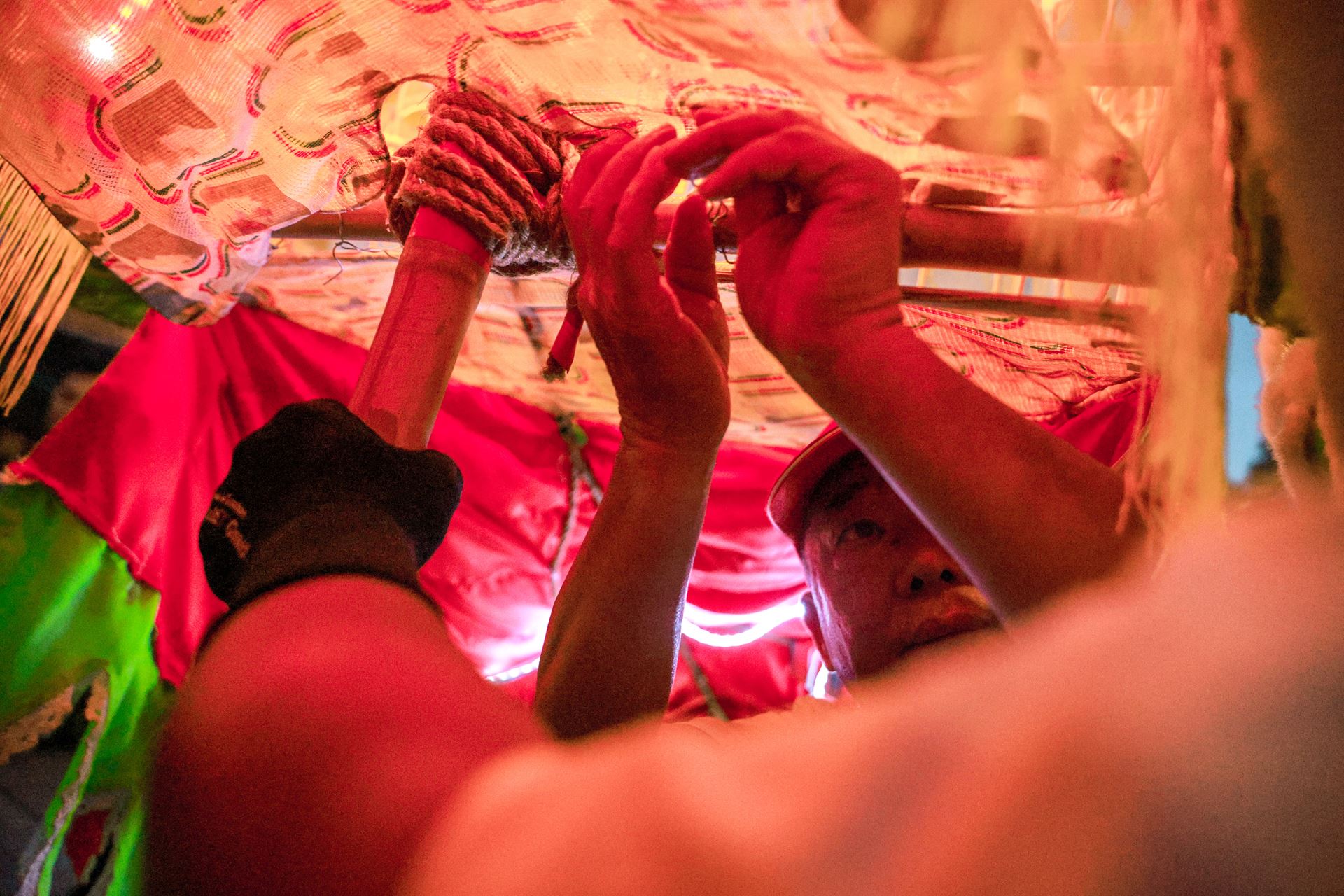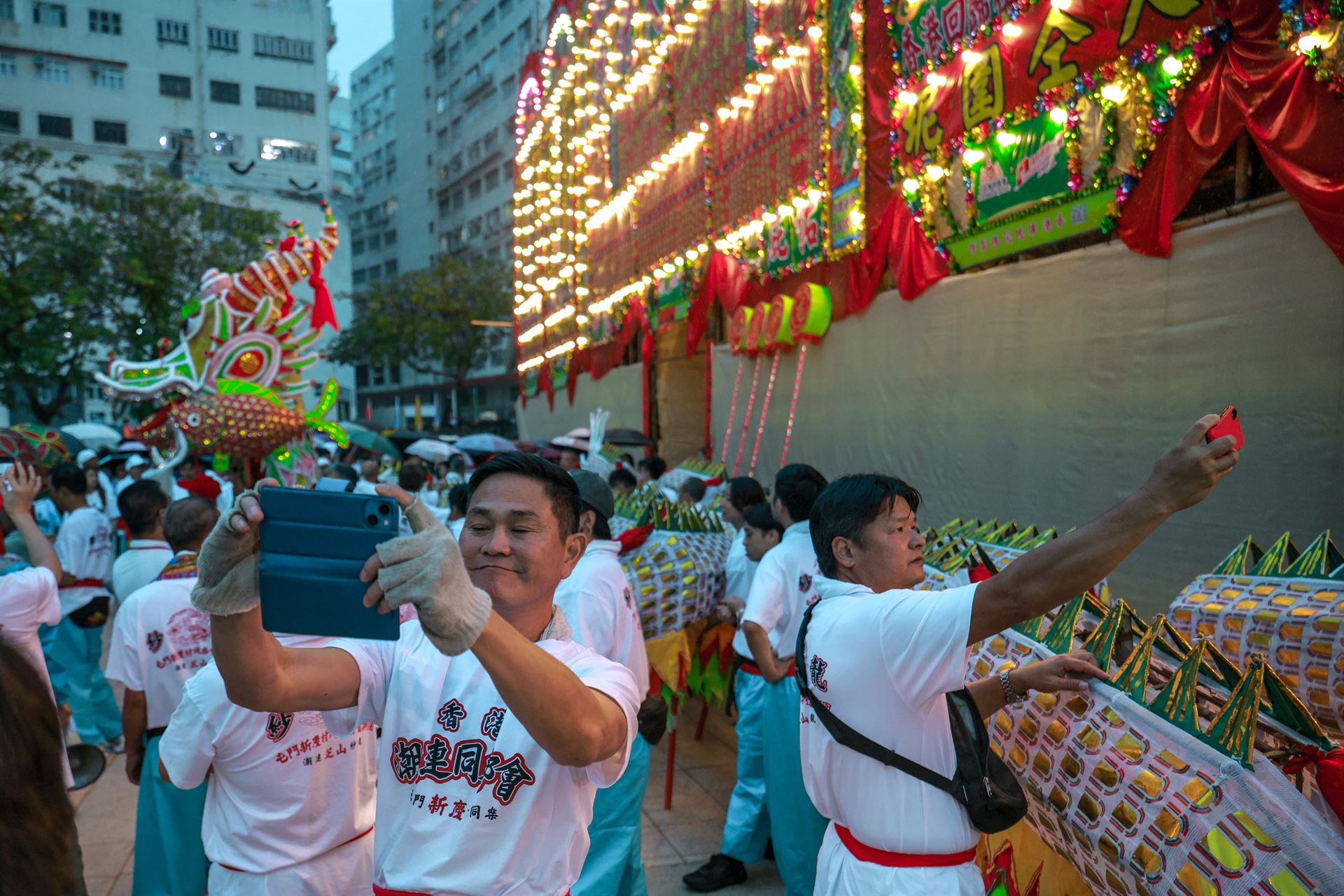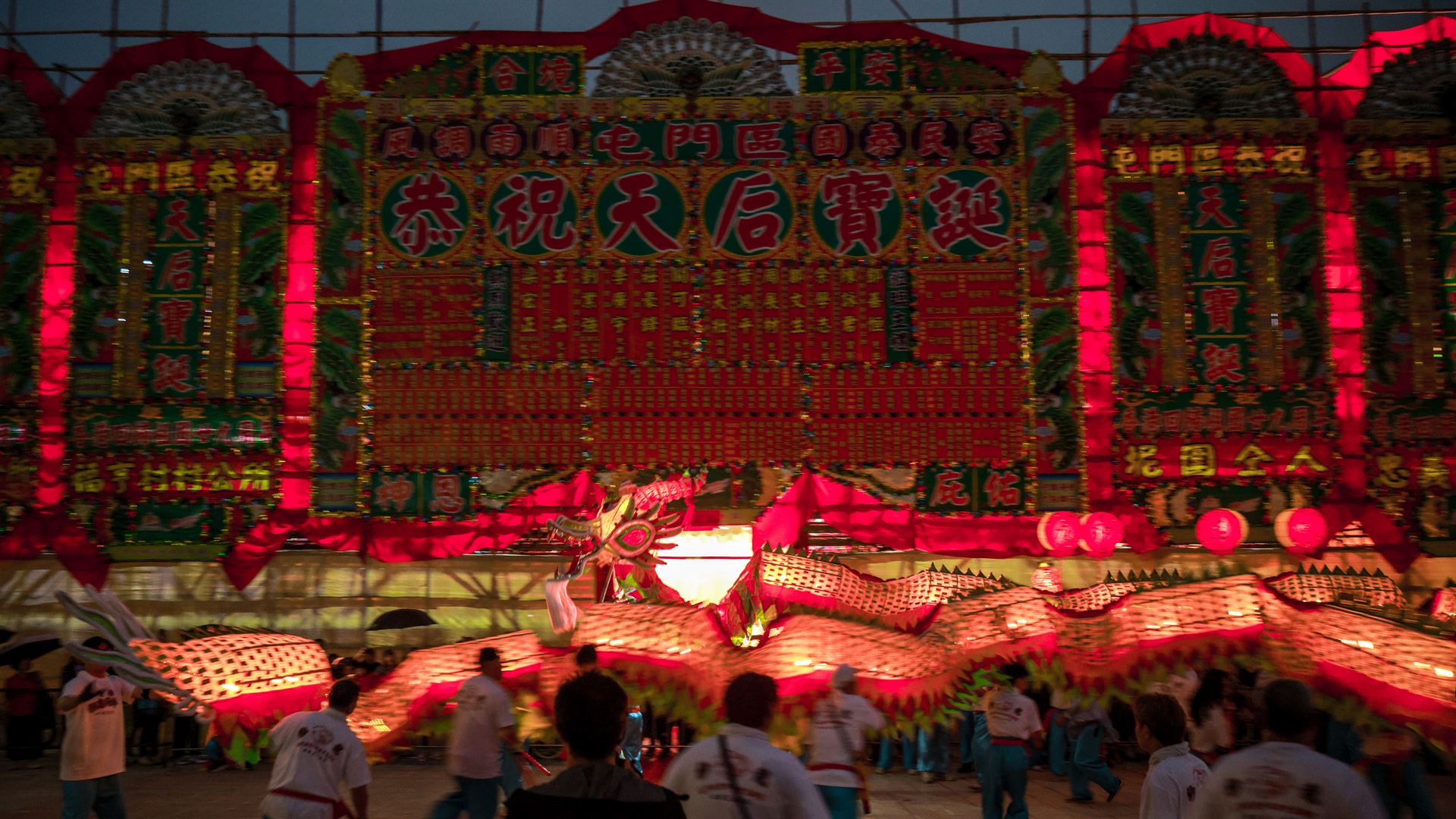
HONG KONG — A living heritage tradition spanning more than 750 years returned to Hong Kong on Tuesday night at Tin Hau Temple in Tuen Mun, when a spectacular 56-meter-long gauze dragon illuminated with candles danced through the evening celebrations.
This marks the first appearance of this centuries-old practice in the city in nearly half a century.
The Zhishan gauze dragon, which originates from Jiangmen, Guangdong Province, is recognized as a municipal-level intangible cultural heritage. It was brought to Hong Kong by local communities as part of the Tin Hau Festival, which honors the Goddess of the Sea and protector of fishermen.
READ MORE: Tourism peaks during Golden Week
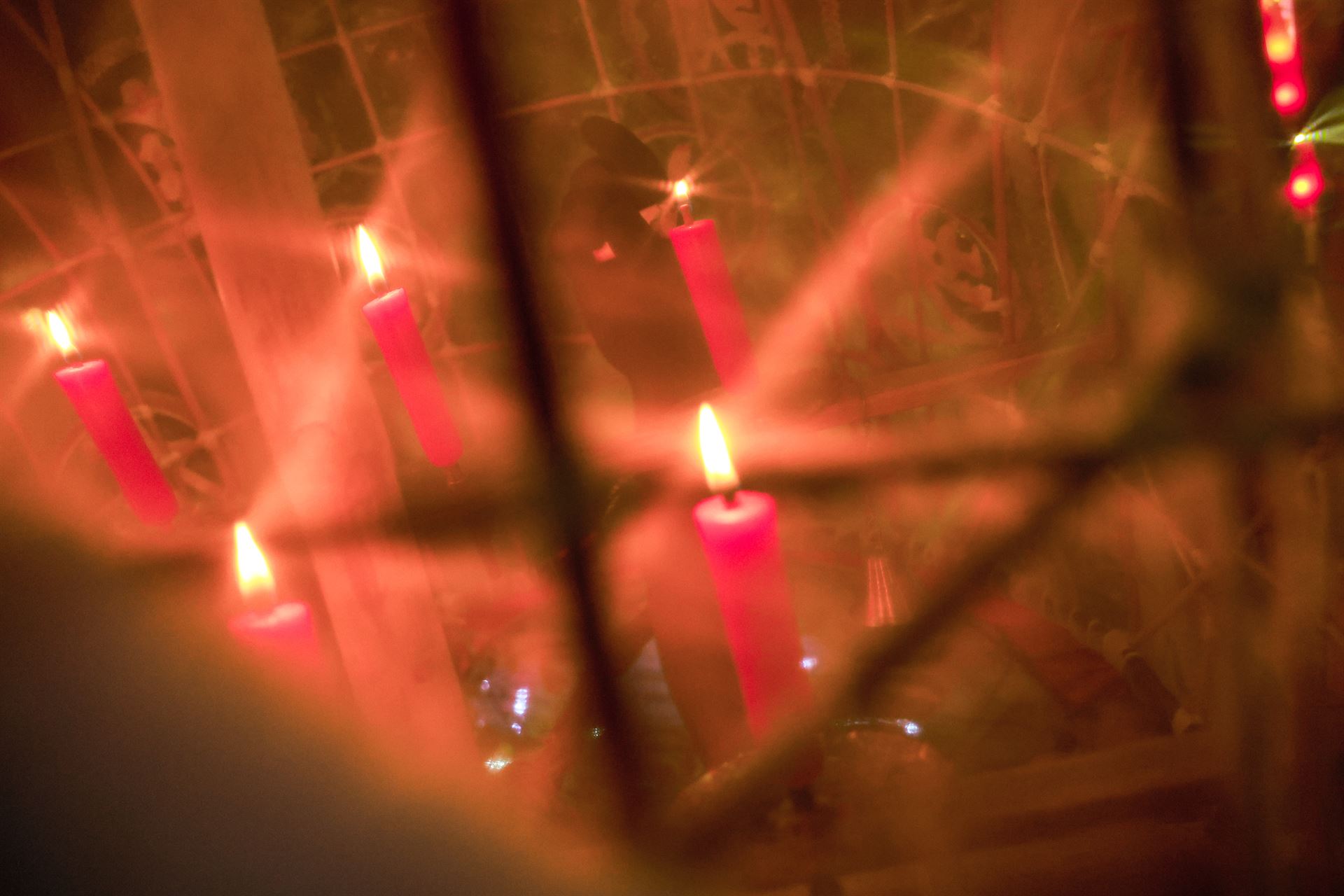
According to historical records, the gauze dragon dates back more than 750 years to the Southern Song Dynasty (1127–1279). What sets it apart from other dragon dances is its nighttime effect: the dragon is constructed from bamboo strips, wooden boards, silk paper, and gauze fabric, forming a lightweight yet sturdy framework. Candles are installed inside the dragon’s body, allowing it to glow during evening performances and creating the illusion of a living, breathing golden dragon.
The last known performance of the Chi Shan Silk Dragon in Hong Kong was in 1977, when it was staged to celebrate the Silver Jubilee of Queen Elizabeth II’s coronation.
China Daily photographer Andy Chong captures the spectacle through his lens.