

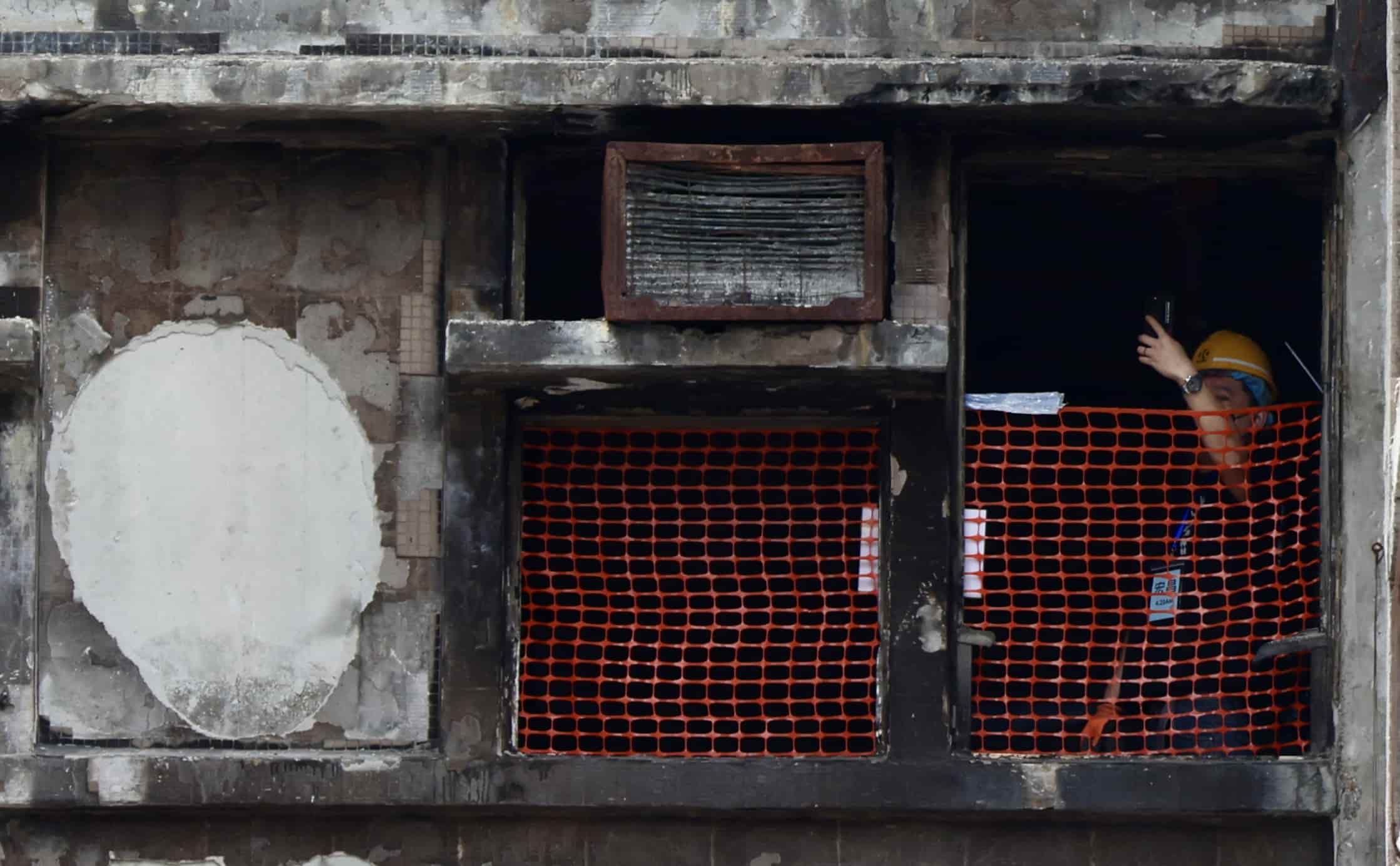
The Buildings Department is empowered to regulate the inappropriate use of polyurethane boards during building maintenance, yet it failed to effectively do so in the case of Wang Fuk Court, a public inquiry into the major fire at the estate heard on Monday.
When the fire broke out on Nov 26, all eight blocks of the housing estate were undergoing renovation work, with many windowpanes covered in polyurethane, or polyfoam, a highly combustible material. This practice was previously identified as a key factor contributing to the fire’s rapid spread and heavy loss of life.
At the 20th session of the hearing held by an independent committee, Karen Cheung Yuk-ching, assistant director of the Buildings Department, which oversees the city’s mandatory building inspection program, said no regulatory action from her department was taken against violations at Wang Fuk Court because the estate, as a public housing project, falls under the purview of the Housing Bureau’s Independent Checking Unit (ICU).
SPECIAL PAGE: Tai Po fire inquiry hearings
Cheung’s account regarding the use of polyfoam boards was at odds with that of ICU witnesses. The committee’s lead counsel, Victor Dawes, cited a written submission to the panel by unit surveyor Andy Ku Siu-ping, which said current statutory provisions do not contain specific rules for their use as temporary window protection.
Ku also referenced his consultation with Franko Tse Kam-ming, a now-retired senior surveyor, who reportedly said that no existing fire-retardant requirements applied to the use of polyfoam boards. The consultation took place in September 2024; Tse was temporarily reassigned from the Buildings Department to the ICU from April 2023 to July 2025.
However, Tse, giving evidence on Monday, said he had no recollection of the conversation or of receiving related documents.
The Buildings Department and ICU also differ in their approaches to on-site inspections of scaffolding netting.
According to earlier testimony, ICU notifies the registered inspector ahead of site inspections, which is intended to ensure the presence of key parties during the check. Cheung, however, told the committee that her department, during the audit stage, carries out unannounced spot checks, without any prior notice to those involved.
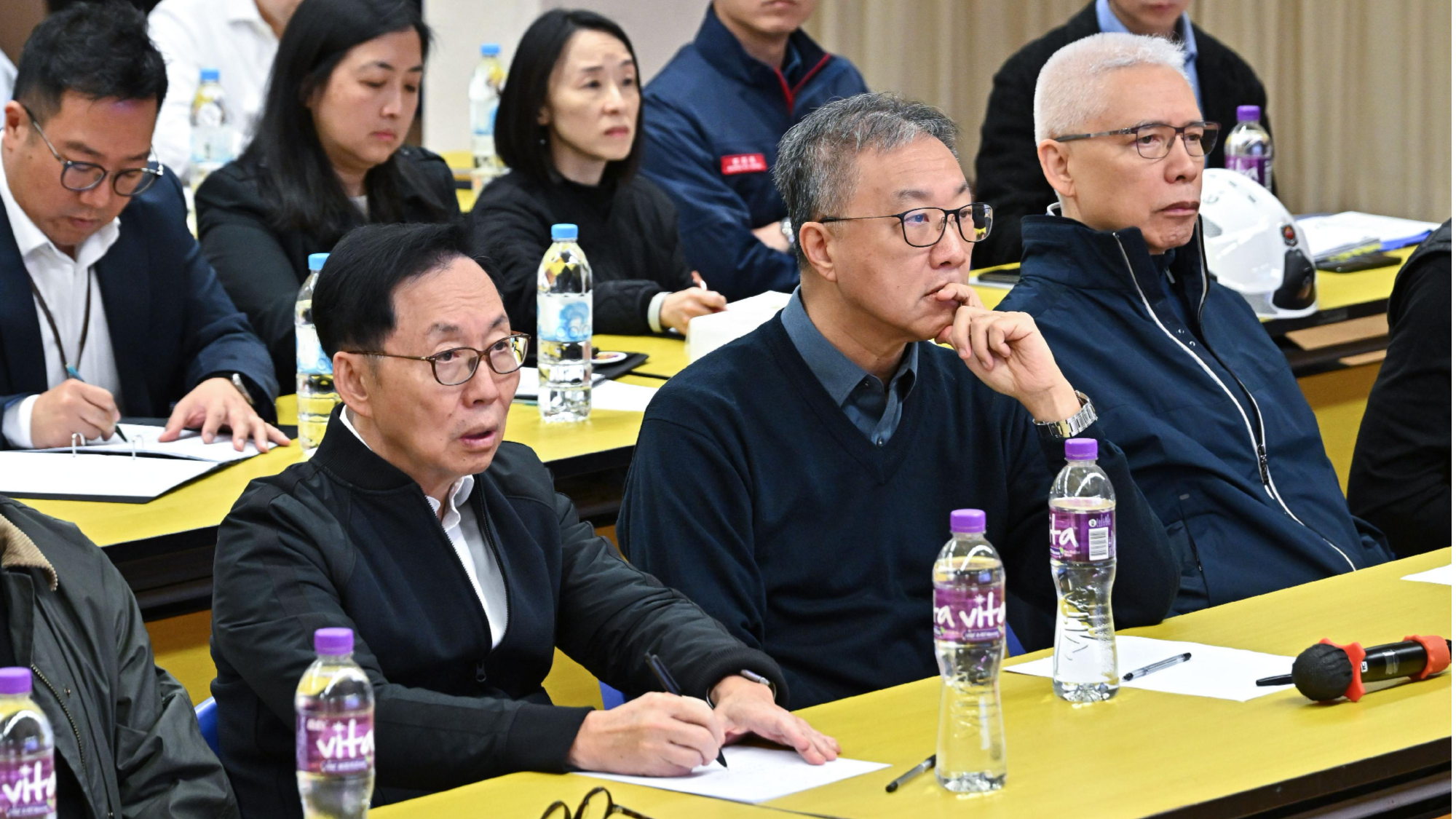
Separately on Monday, Ko Wing-man, a member of the Standing Committee of the Chinese People’s Political Consultative Conference National Committee — the country’s top political advisory body — visited a volunteer-run social space for survivors of the fire.
Ko learned about the residents’ concerns, which included a lack of clarity over long-term housing plans. Some residents expressed worries that their new homes, set to be bought under the “flat-for-flat” option, are located far away and smaller than their former apartments at Wang Fuk Court.
Ko, who is also a member of the city’s Executive Council, said it was valuable to hear directly from the affected households and that he will help bring their concerns to the attention of authorities.
Contact the writer at wanqing@chinadailyhk.com
