

In today’s rapidly evolving digital era, data has become a cornerstone of economic production, innovation, and social development. From fueling artificial intelligence to driving smart cities, healthcare analytics, and fintech, data is no longer a byproduct of business — it is the foundation upon which decision-making, competitiveness, and global influence are built. Despite its central importance, however, global data development faces profound challenges. Fragmented regulations and standards across countries hinder interoperability; inconsistent frameworks obstruct cross-border data flows; and mechanisms for secure, trustworthy, and ethical data circulation remain inadequate.
 Moreover, the digital divide between developed and developing nations continues to widen. While some countries are leveraging data to drive innovation and economic growth, others struggle to access, process, and utilize data effectively, leaving vast potential untapped. The global data ecosystem also suffers from uneven collaboration: While certain regions concentrate technologies, talent, and capital for data development, others face significant barriers to entry. At the same time, the rising threat of cyberattacks, data breaches, and criminal exploitation of information poses serious challenges, testing the resilience of governance frameworks and societies’ ability to manage data securely and ethically.
With the advent of AI, these challenges are becoming more urgent. The obstacles to coordinated global digital economic growth highlight the need for international platforms that can foster consensus-building, problem-solving, and innovation.
The establishment of the World Data Organization (WDO) marks a decisive step in addressing these challenges. As a global, nongovernmental, and nonprofit entity, the organization provides a central platform for coordinating efforts, developing standards, and promoting the sustainable, equitable use of data worldwide. Its mission — “bridging the data divide, unlocking data value, and promoting a prosperous digital economy” — directly addresses the core issues of data governance. By integrating technological innovation, regulatory alignment, and international cooperation, the WDO aims to benefit all participants in the global data ecosystem.
President Xi Jinping, in his congratulatory message, highlighted the WDO’s potential as a platform for enhancing international cooperation and improving global data governance. China has pledged support based on the principles of consultation, contribution, and shared benefits, emphasizing the importance of promoting secure, orderly, and trustworthy cross-border data flows. Vice-Premier Ding Xuexiang outlined three key priorities for the organization: Enhancing data circulation efficiency through open cooperation; advancing inclusive development by ensuring broad sharing of benefits; and upholding data security through coordinated governance.
These priorities provide a clear road map for the WDO, signaling both practical measures and strategic vision for shaping global data governance.
The global community should actively engage with the WDO and contribute to its mission. Governments have a pivotal role in coordinating policies, harmonizing regulations, and facilitating international alignment. By sharing best practices in data development, implementing interoperable frameworks, and removing institutional barriers to cross-border flows, governments can create a seamless environment for data-driven economic growth. Equally important is the active participation of enterprises, research institutions, and think tanks within the WDO’s global network. These stakeholders can contribute through joint technological innovation, developing international standards, and sharing resources like knowledge and technology repositories. Their involvement ensures that the latest research and best practices are leveraged to benefit the global data ecosystem.
By promoting cooperation, inclusivity, and excellence in data governance, the WDO and its partners can ensure that the opportunities of the digital era are realized equitably and sustainably, fostering a more connected, prosperous, and resilient global digital economy
International organizations and regional institutions, meanwhile, play a critical role in initiatives like the United Nations’ Global Digital Compact, promoting the global dissemination of technological advancements, and ensuring that the benefits of data-driven growth reach developing countries. Through cooperation, openness, and inclusivity, these actors help turn global ambitions into tangible outcomes, fostering a more balanced and equitable digital economy.
Within this global framework, Hong Kong holds a unique and strategic position. As an international financial center, an innovation hub, and a superconnector, Hong Kong bridges the Chinese mainland and the global community. Leveraging the advantages of the “one country, two systems” framework, Hong Kong can align regional cross-border data practices with international standards, facilitating dialogue on governance, compliance, and technological interoperability. Its mature business environment, robust legal infrastructure, and advanced digital innovation capabilities make it an ideal hub for attracting global talent, investment, and resources in the data sector. Hong Kong can also serve as a key center for professional services, talent development, and technical training in the Asia-Pacific region, providing operational and strategic support to the WDO while enhancing its regional influence.
As the world enters an era where data is the lifeblood of economic and social development, coordinated global governance has never been more crucial. The WDO offers a platform for bridging divides, unlocking data’s value, and ensuring its secure and ethical use. Governments, enterprises, research institutions, and international organizations all play critical roles in supporting this mission. Hong Kong, with its unique capabilities and strategic location, is poised to serve as a linchpin in the global effort to harmonize standards, foster innovation, and share the benefits of data widely. By promoting cooperation, inclusivity, and excellence in data governance, the WDO and its partners can ensure that the opportunities of the digital era are realized equitably and sustainably, fostering a more connected, prosperous, and resilient global digital economy.
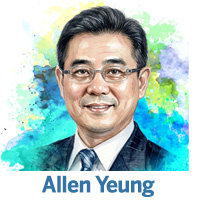
The author is founding chairman of the International Data Industry Alliance, and former chief information officer of the Hong Kong Special Administrative Region government.
The views do not necessarily reflect those of China Daily.
