

Official says vibrant initiatives, events highlight city’s stability and hospitality
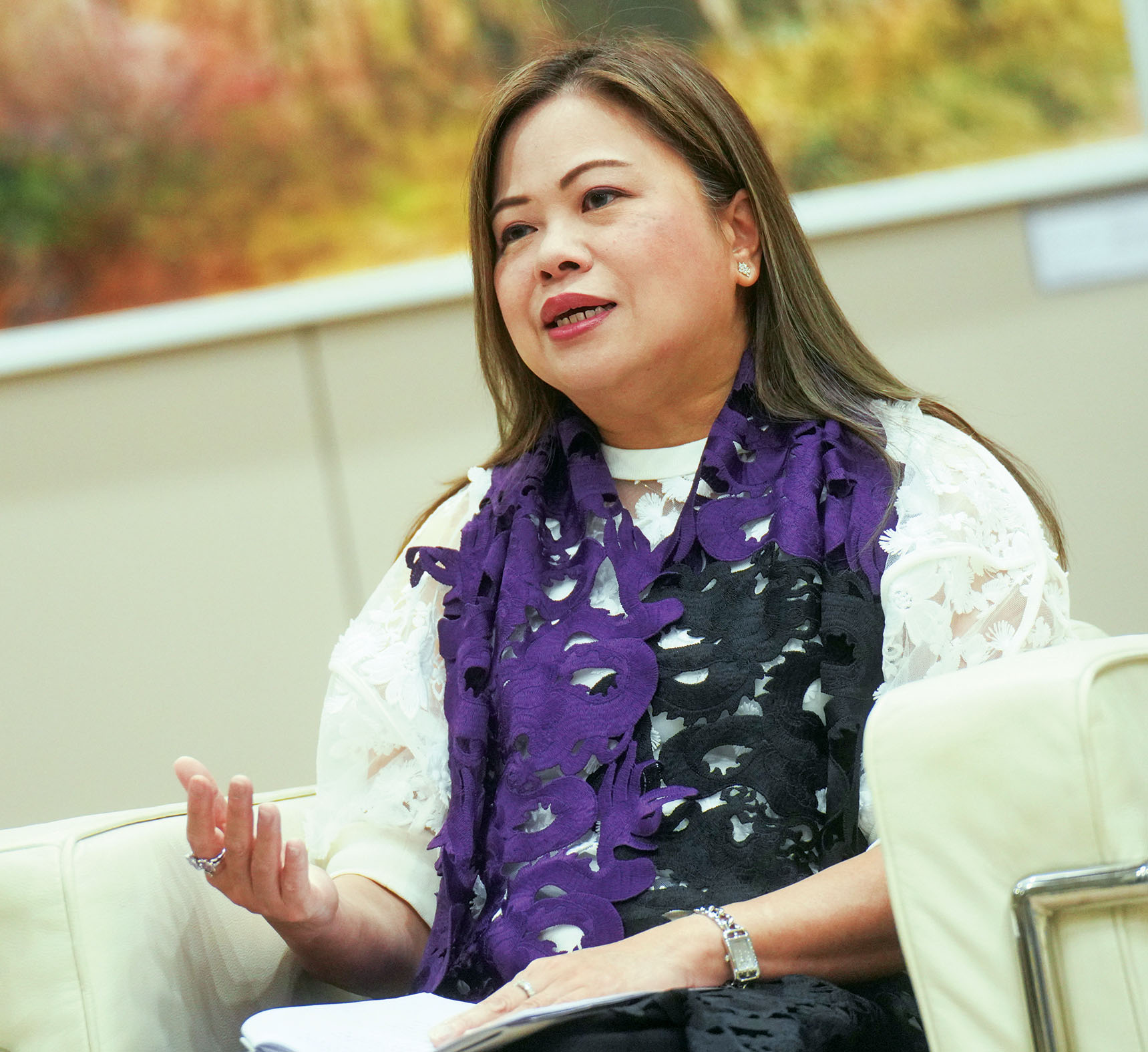
Hong Kong’s robust safeguards for national security provide a solid foundation for the city’s cultural and artistic creations to flourish, Secretary for Culture, Sports and Tourism Rosanna Law Shuk-pui said in a recent group interview.
Marking the upcoming National Security Education Day on April 15, Law said that her bureau will promote national security education online and offline through various cultural programs.
Several events are planned at venues managed by the bureau’s Leisure and Cultural Services Department, including a thematic film showcase at the Hong Kong Film Archive, and an exhibition on the Sui (581-618) and Tang (618-907) dynasties at the Hong Kong Museum of History — a new installment of the popular General History of China Series.
READ MORE: Hong Kong amends implementation rules for national security law
Law said that these activities will deepen residents’ understanding of the nation’s culture and history, while raising awareness of the importance of safeguarding national security.
She also said she hopes the public will recognize national security as a “cornerstone” of economic development — something that is “extremely important” and that must be “cherished” for the cultural sector.
Law recalled that during the social unrest in 2014 and 2019, when national security was under threat, many flagship events like the Hong Kong Wine & Dine Festival were affected. In contrast, today, Hong Kong’s vibrant lineup of mega-events continues to earn global acclaim.
Among these achievements, she highlighted the success of Kai Tak Sports Park, which has attracted over 7 million visitor trips and generated HK$1.49 billion ($190.1 million) in total revenue in the first nine months since its opening in March 2025.
More recently, Hong Kong secured a deal with Art Basel, a globally renowned high-end art trading platform and exhibition, which selected the city as its exclusive Asian host for the next five years. Its 2026 edition concluded last week with over 91,000 visitors, including international collectors and representatives from over 170 museums and foundations.
Law said that despite ongoing global geopolitical tensions, visitors from around the world — including the unsettled Middle East — have traveled to Hong Kong for the expo to invest in artworks.
This proves that the world increasingly recognizes Hong Kong’s strengths — especially its system for financing, insuring, maintaining and restoring art, and its ability to organize major international events, she said.
“All this shows the scale of opportunities Hong Kong can unlock when national security is firmly in place,” Law said.
A crucial message
Law said that the primary task for the cultural, sports and tourism sectors is to use exciting events, exhibitions, performances, and competitions to showcase the city’s stability, hospitality and prosperity to the world.
“There have been misconceptions, even misleading reports, suggesting that Hong Kong might not be safe, might not be the same as before, and is somehow in decline,” she said. “But through our efforts and what Hong Kong is today, we want to show the world that visitors can travel here easily, enjoy whatever they like, and immerse themselves in its arts and culture.”
To support this message, Hong Kong has launched a promotional campaign titled “Only in Hong Kong”, featuring sightseeing, entertainment and trips to ecotourism facilities that “tell global tourists that you have to come to us”, Law said.
At the same time, Hong Kong will continue to align with the nation’s 15th Five-Year Plan (2026-30) by further establishing itself as the East-meets-West center for international cultural exchange, Law said.
She highlighted the city’s annual arts initiative, Art March Hong Kong, which offers a rich array of cultural experiences during the “art month”, including world-renowned art fairs, cultural summits, exhibitions, art festivals, screenings and performing arts programs.
This March, around 100 arts and cultural events organized by the government, cultural institutions, art fairs, galleries and auction houses helped boost visitor arrivals to Hong Kong in the first quarter to around 14.3 million — a 17 percent year-on-year increase.
Law said she hopes that art collectors and enthusiasts from around the world will make Hong Kong part of their annual calendar, fostering a deeper understanding of the cultural confidence and strength of both the city and the nation.
Eyeing the future
Beyond hosting events, professional cultivation remains a key focus, Law said.
The authorities will work to enhance practitioners’ expertise and deepen their awareness of the holistic approach to national security, aiming to prevent “soft confrontation”. From tour guides to retail, catering, and venue management, Law said she hopes that all industry practitioners and stakeholders will treasure the hard-won stability and security Hong Kong now enjoys.
ALSO READ: Hong Kong to host Art Basel for 5 years
She also pledged further support and resources to the city’s arts and culture sectors, and emphasized the importance of engaging artists through open communication to better protect their creative freedom in accordance with the law.
“The soil for cultural and artistic creation in Hong Kong is still fertile,” she said.
Through all these efforts, Law aims to position Hong Kong as a “primary travel destination” for global tourists. She said she hopes that visitors who enjoy their time in Hong Kong — whether from the mainland, Europe, the Middle East, ASEAN countries, the United States or elsewhere — will turn their good memories into stories, and share them with the world.
Contact the writers at amberwu@chinadailyhk.com
