

Fitness-conscious generation redefines diet for vitality

When Zhang Huchuan's friend spotted a small device on her arm during a trip to Shanxi province, he assumed she had diabetes. But what she revealed next suggests a trend among young adults adopting a low-sugar lifestyle.
Zhang, a 30-year-old freelancer from Hangzhou, Zhejiang province, said her journey began about eight years ago when she was working as a medical science editor. It was during this time that she first encountered the concept of sugar control.
"I was curious about why people needed to cut sugar. As I delved deeper, I discovered many negative effects of excessive sugar, which prompted me to start a low-sugar lifestyle.
"I wore a continuous glucose monitor a couple of times to understand my blood sugar fluctuations. As a former medical science editor, I understand that reducing sugar is a small investment with significant returns, so it didn't require a major decision to start.
"For those without diabetes, there's no need to wear such a monitor all the time. It just adds unnecessary anxiety," she said.
ALSO READ: Light meals, full flavors for healthier lives
A continuous glucose monitor is a device that continuously tracks blood sugar levels. Unlike traditional glucose meters that measure capillary blood sugar at a single point in time, this meter reads blood sugar levels every three or five minutes.
"During the Shanxi trip, I discovered that while the noodles are delicious, they cause a significant spike in blood sugar. After a meal of handmade noodles and millet cakes, I felt sleepy. I strongly recommend restaurants add more vegetables to meals in regions that rely heavily on noodles,"Zhang added.
Her typical daily menu is pretty much the same as ordinary meals. For breakfast, she has small wontons with a poached egg and milk. Lunch and dinner usually consist of two meat dishes, two vegetable dishes, and rice.
"The main difference is that I now eat my rice after the vegetables and meat to better control blood sugar fluctuations. I've also cut back on sugary drinks and replaced them with light tea," she said.
Despite her efforts to reduce sugar, she does not deny herself the occasional treat. "If I really want to eat something delicious, I do. The goal of controlling sugar is to live a better life, so there's no need to be so strict that I eliminate sugar entirely," she said.
The results of her low-sugar lifestyle have been rewarding.
"After years of living healthily, my annual physical exams are always satisfactory. At 30, my physical condition is comparable to when I was in my twenties," she proudly shared.
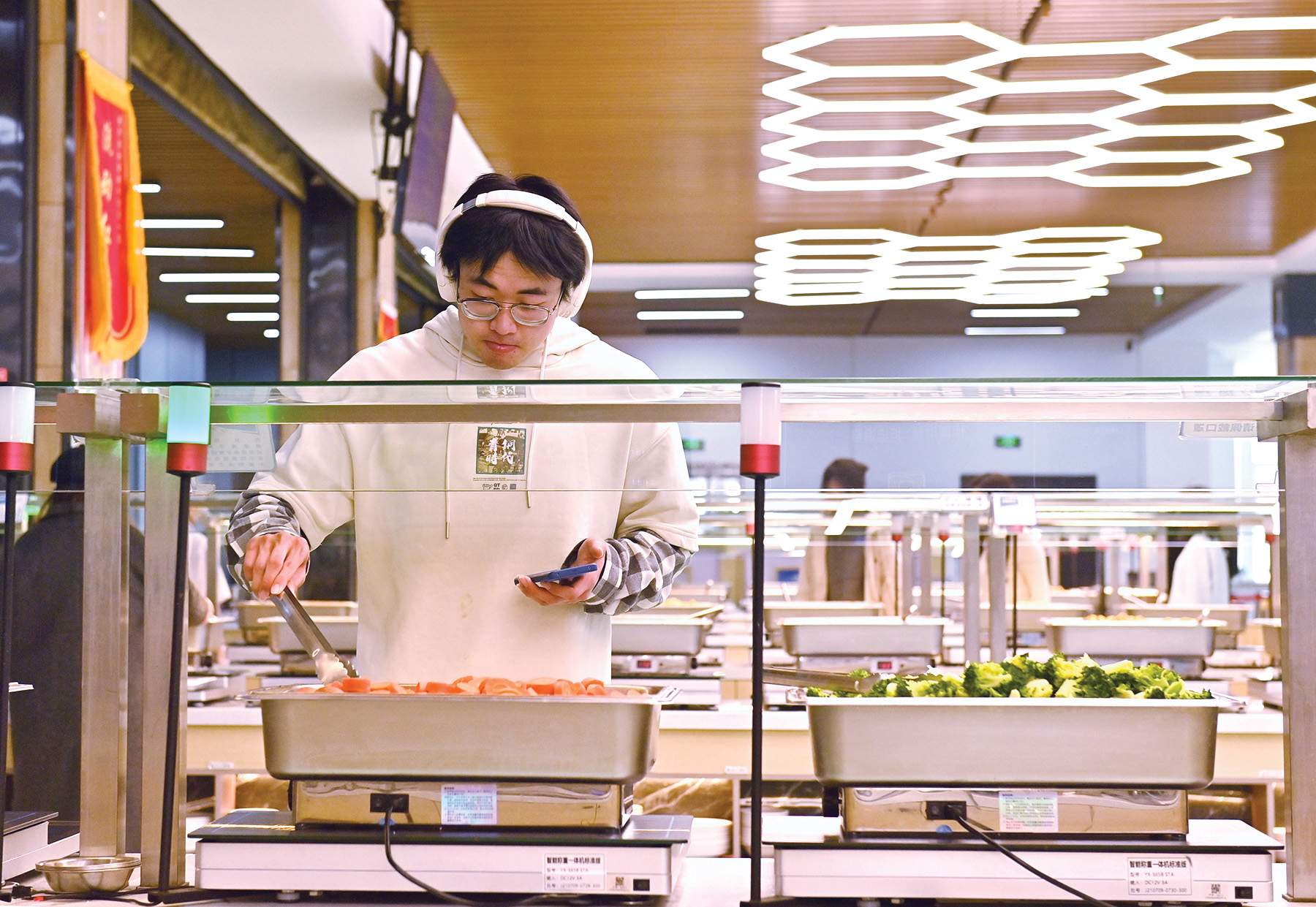
In a rapidly evolving health-conscious society, young adults are increasingly prioritizing dietary changes to enhance their well-being and combat aging. This trend is motivated by concerns ranging from insulin resistance and skin health to overall vitality. These people are redefining their eating habits, setting new standards for a balanced and youthful lifestyle.
Xu Ruoxin, 28, works in a mobile phone company in Hebei province. Her cutting back on sugar began after reading articles on social media platforms that highlighted the benefits of reducing sugar for better skin and anti-aging.
"After turning 25, I started to worry about aging. The first step was to cut out sugar. I used to think that buying expensive skincare products was the key, but I realized that it's just superficial. The real change has to come from within," she said.
Her decision to reduce sugar is not just about avoiding sweets but also about transforming her taste preferences.
"I find that my taste buds have become more sensitive. Foods that I once found bland now taste sweet. I used to love sugary treats like street candies and ice creams. When I was in school, whenever I had money to spend, I would go on a snack-buying spree. I could eat a whole bag of candies or six ice creams in one go. But I realized that sugar was controlling me, and I didn't like that feeling."
She said eating sugar made her feel like she was being controlled. For instance, if she ate six ice creams one day, she would crave the same amount the next time.
"I didn't like that dependency, so I decided to quit," Xu said.
Her typical daily diet is simple yet health-conscious. "In the mornings and evenings, I cook easy meals like corn and sweet potatoes. I also buy light meals online, such as whole grain bread and chicken breast," she said.
"At my company's canteen, I avoid rice and opt for vegetables. I only allow myself one meal a day that includes oil. It's shocking how much added sugar is in everything. Now, the first thing I do is check ingredient labels."
Her lifestyle change had sparked mixed reactions among her colleagues.
"Some think I'm being too strict, asking, 'Why not just have a bite of rice? Aren't you hungry?' Others have been inspired to reduce their own sugar intake," she said.
To live a healthier life, she even buys foods labeled for diabetics and kids' meals at restaurants, believing that anything meant for children must be good.
The benefits of her sugar-free lifestyle are evident. "I feel more energetic now. I used to feel sluggish after eating sugar, as if I had a hangover the next morning. But now I'm more alert and productive."

According to the Survey on Chinese Consumers' Sugar Awareness and Sugar Control Behaviors released by the China Food Information Center in 2024, nearly 70 percent of consumers are willing to reduce their sugar intake. While almost 80 percent of consumers believe that the focus should be on reducing sugar in instant food and beverages, the main source of sugar consumption for urban residents in China actually comes from sugar used in home cooking. Efforts to reduce sugar should start in kitchens by cultivating a preference for lighter flavors.
Zhuo Yiran, a 20-year-old university student from Beijing, has noticed that many of her classmates are adopting healthier lifestyles, driven by a shared goal of improving their well-being through fitness and clean eating.
"It seems like everyone wants to be in a better state," she said, noting that the trend might have started with one individual whose visible improvements inspired others.
For Zhuo, the turning point came in the second semester of her sophomore year. "Once I started working out, I realized that eating unhealthy food would just undo all my hard work," she said. This prompted her to pay closer attention to her diet.
She recalls struggling with physical fitness tests and the mandatory 2.4-kilometer runs, feeling out of breath and needing frequent breaks."I just couldn't accept watching my body become weaker," she said.
By focusing on clean eating and regular exercise, Zhuo has noticed significant improvements in her energy levels and overall health. Her body fat percentage has decreased from over 22 to below 20.
"I've become a high-energy person. I don't binge eat anymore, and I feel full of energy every day."
This trend is also reflected in Yang Fei's journey, which highlights the challenges and adaptations required to maintain such a lifestyle.
In 2023, the 35-year-old, whose hometown was in Jiangsu province, began reducing her sugar intake due to health concerns, specifically insulin resistance from consuming large amounts of fruit and milk tea.
She experienced menstrual irregularities and frequent fatigue, so she went for a comprehensive health checkup.
"I have to control sugar because of my metabolic issues."
She replaced carbohydrates with healthier alternatives like buckwheat noodles and oats, and swapped milk tea for dark chocolate and black coffee.
Despite her efforts, Yang found it challenging to eliminate sweets entirely because of her cultural preferences. She now maintains a balanced approach, enjoying a low-sugar milk tea once a week and consuming small amounts of fruit.
Yang Fei has successfully maintained her weight and reduced fatigue.
ALSO READ: Gym life working out for more women
Tao Lewei, an endocrinologist at Shuguang Hospital, affiliated with the Shanghai University of Traditional Chinese Medicine, told Shanghai-based Youth Daily that it's encouraging for young people to be aware of their sugar intake and to prioritize healthy eating. However, it's crucial to distinguish between cutting down on processed foods like desserts and milk tea versus essential staples like whole grains.
"Over-restricting sugars, especially by avoiding whole grains, can harm health, as these grains provide vital nutrients like fiber and vitamins along with carbohydrates."
Tao added that some young people are trying the ketogenic diet. While this diet can offer short-term benefits for blood sugar control and weight loss, its long-term effects are debated. The diet involves consuming very low amounts of carbohydrates and high amounts of fat to manage blood sugar and weight. Without professional guidance, relying heavily on fats and proteins for energy can lead to weakness, reduced immunity, rough skin, and hair loss.
"Carbohydrates are a fundamental energy source and shouldn't be completely avoided. It's advisable to keep carbohydrates at 45 to 60 percent of daily intake and maintain whole grains and fruits rich in dietary fiber," he was quoted as saying.
Xiao Yifan contributed to this story.
Contact the writers at lihongyang@chinadaily.com.cn
