

Kuliang mountain area once housed an expat circle that faded into history in the mid-1900s, but when an American professor's article is published, it sets in motion a chain of events to bring past stories to the present, report Yang Feiyue and Hu Meidong in Fuzhou.
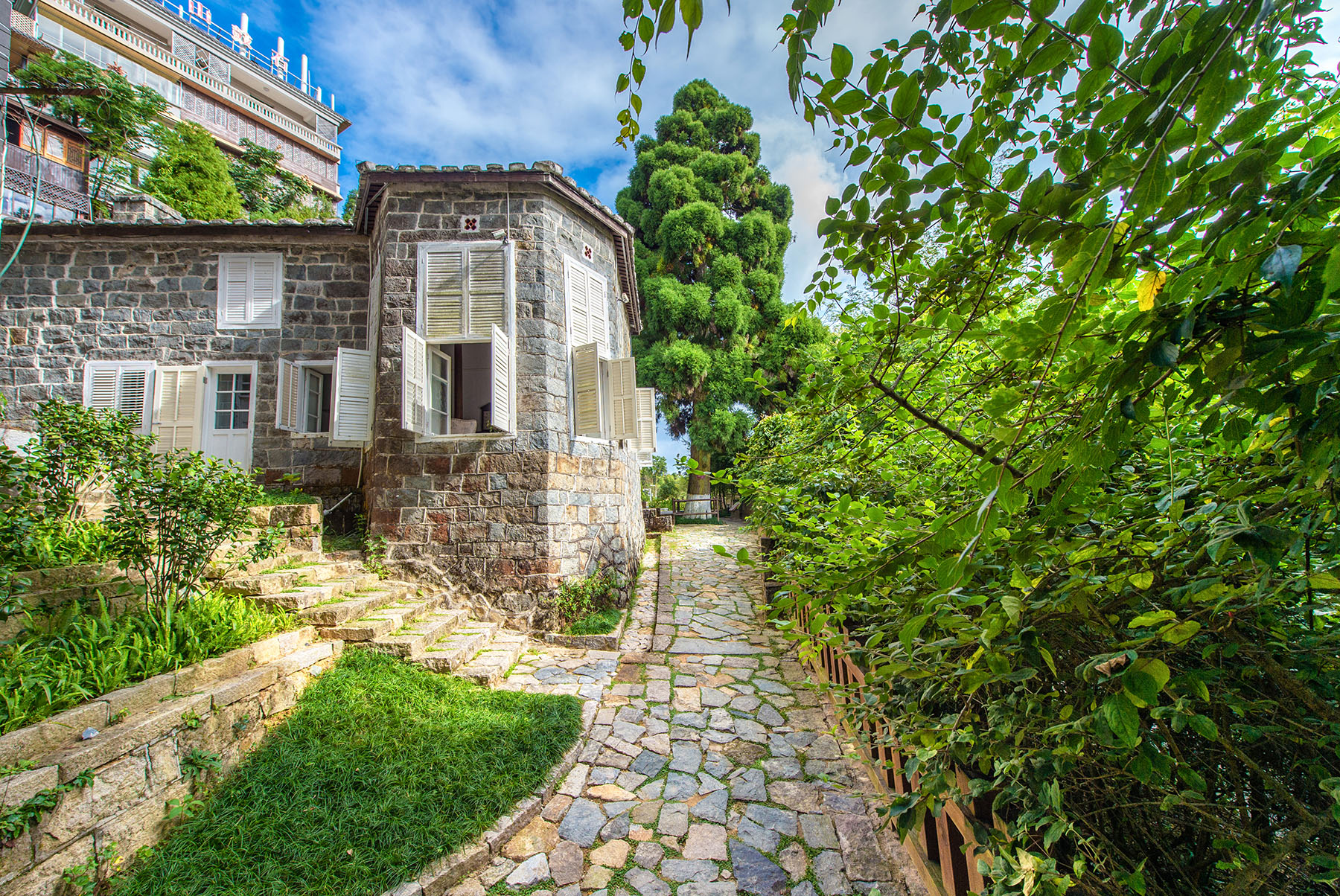
A one-kilometer path on a Chinese mountainside holds the key to a unique sense of American nostalgia. In the Kuliang (also known as Guling) mountain area on the outskirts of Fuzhou, Fujian province, this short trail connects a storied past to poignant reunions of the present as it winds through what was once the summer sanctuary of a vanished community of Westerners, serving as a bridge across time.
However, the bustling international community in Kuliang gradually faded by the mid-20th century, following the upheavals of war and shifting eras.
Many villas fell into disrepair or were repurposed. This chapter of history remained largely forgotten until the dying whispers of American physics professor, Milton Gardner, who longed for a place called Kuliang, set in motion a remarkable chain of events.
In 1992, a newspaper article titled Oh, Kuliang! detailed this poignant, half-century-long story. The article caught the attention of President Xi Jinping, who at the time served as Fuzhou's Party chief.
READ MORE: Xi sends congratulatory letter to forum on China-US friendship
Touched by the story, Xi facilitated an invitation to the professor's widow, Elizabeth Gardner, to visit Kuliang, where her husband had spent 10 years of his childhood in the 1900s.

Her pilgrimage not only fulfilled a lifelong dream but also reopened a door. Since then, dozens of descendants from foreign families who lived in Kuliang have visited the area to reconnect with their roots, marking its modern revival as a bridge for international friendship.
This pathway is dotted with a historical post office, a social club, and a thousand-year-old fir tree — all set between restored villas that once housed Western diplomats, missionaries, doctors, and educators.
"It is intentionally designed as the 'syllabus' for understanding Kuliang, allowing visitors to walk through its history," says Jiang Jingting, a long-term Kuliang history and culture researcher with the Kuliang administrative committee.
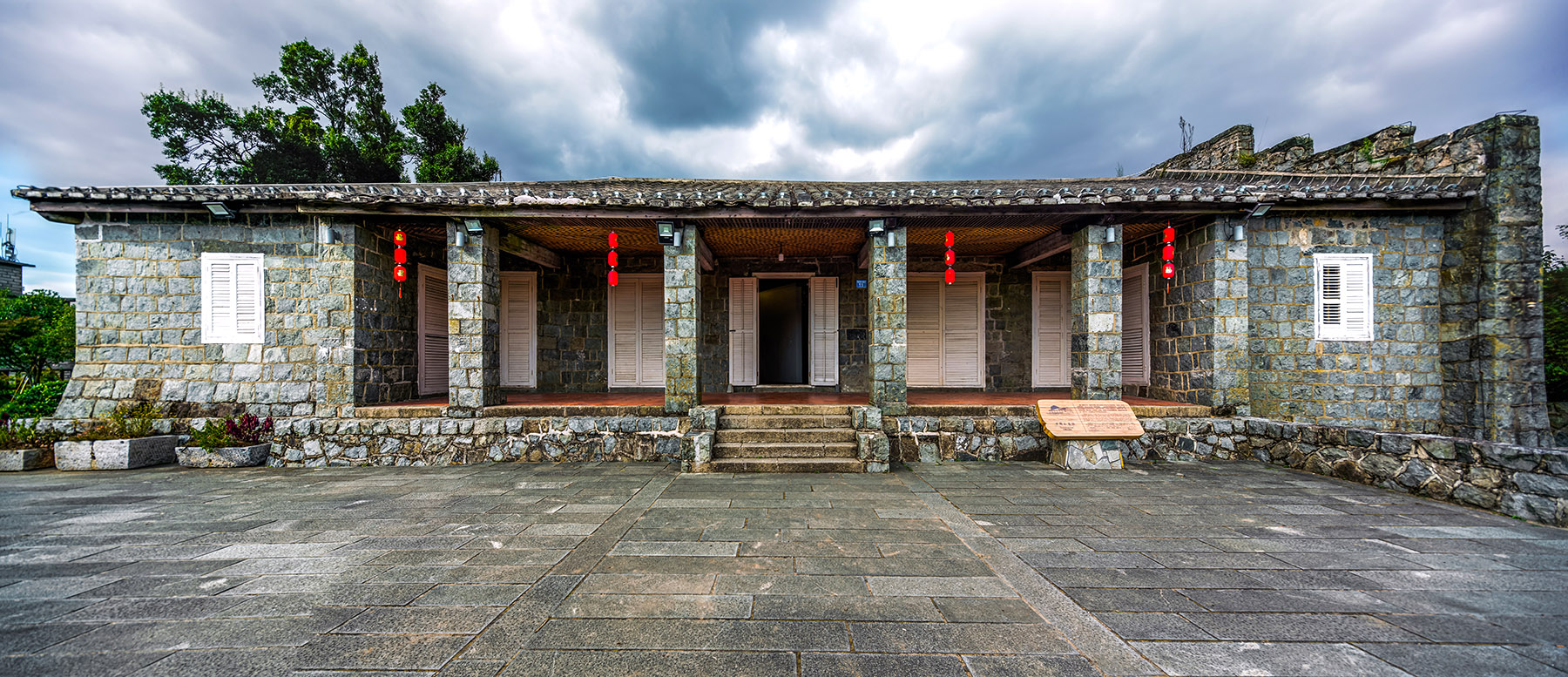
At the end of this evocative path stands the recently unveiled Kuliang Family Stories Museum.
Inside the museum, one of the most touching displays is the friendship between Li Yiying, a local woman, and Gail Harris, granddaughter of the American missionary Harry Caldwell. Born in 1941, the sisters' childhoods were intertwined. They spoke and played in the Fuzhou dialect, journeyed up the mountain together, and spent countless summers at the Harris family's villa in Kuliang.
A 1944 photograph freezes a moment in which the 3-year-old girls are nestled in their parents' arms.
Then, the tides of history swept them apart. It wasn't until 2017, when the two women were in their 70s, that they finally reunited in Fuzhou. They met again in June 2023.
To the surprise of everyone present, what escaped their lips was the deep-rooted Fuzhou dialect.
For Jiang, who has witnessed many such returns in recent years, this moment is a powerful testament to Kuliang's enduring pull.
Jiang still vividly recalls how Harris exclaimed "zhuan cuo!" (I'm home! in Fuzhou dialect) while Li, in turn, eagerly introduced her family to her old friend.
He felt that time seemed to flow backward when the two elderly women tightly clasped hands on their way back to Kuliang.
The story is just one heartfelt page in the volume of history presented at the Kuliang Families Stories Museum, which opened in June 2024.
It adopts a "one exhibit, one family" narrative and systematically reveals the lives and contributions of eight foreign families.
Within the 300-square-meter space, over 200 historical photos form a wall of time, while digital screens breathe motion back into black-and-white footage.
"Why did these families all choose Kuliang? The answer is written in Kuliang's wind," Jiang reveals.
In summer, the temperature up here is about 5 to 10 C lower than in downtown Fuzhou, he says.
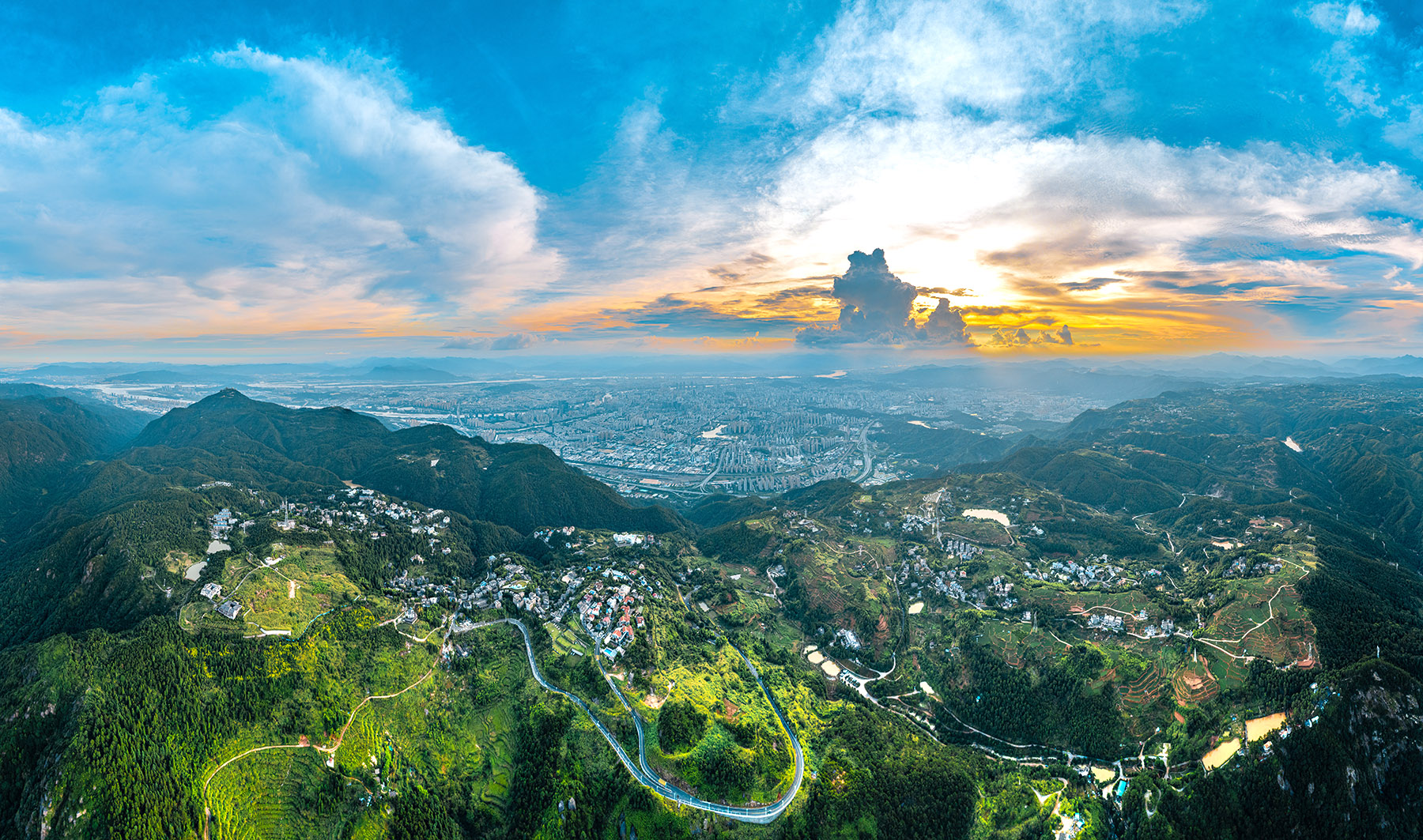
Nestled at an average elevation of 750 meters, this mountain ridge, with its unique, transverse range topography, became the "natural air conditioner" discovered by Westerners in the late 19th century.
After Fuzhou opened as a treaty port in the 1840s, local missionaries, doctors, teachers, and consular officials followed the cool breeze, building villas and forming a distinctive international community.
Yet this new, cross-cultural coexistence was navigated with a notable spirit of mutual accommodation.
Jiang recounts one of the key examples: the foreigners initially wanted to build on the ridge line for panoramic views of Fuzhou, but locals mistook them for constructing "forts".
"After discussions, they respected the local opinion and moved their houses further in," he says.
Another instance was the swimming pool on a main road. When local residents were uneasy about those foreign residents running around in swimsuits, "the women's pool was moved to the back of the mountain — a crescent-shaped one, still there today," he adds.
Perhaps the most concrete symbol of this harmonious coexistence is a well whose inscription reads,"Public Well for Foreigners and Locals," beside the post office.
"Chinese people traditionally regard a well as more important than life itself," Jiang says.
"But here, they were willing to share the well with foreigners, and even carved it in stone, which speaks volumes about their relations."
The revival of Kuliang's cultural legacy, however, would not have been possible without the unlikely dedication of a three-person team — among them, Guo Qing.
Guo, a Kuliang native in his 30s, made a puzzling decision in 2018 to set aside his family's catering business to systematically research Kuliang's history.
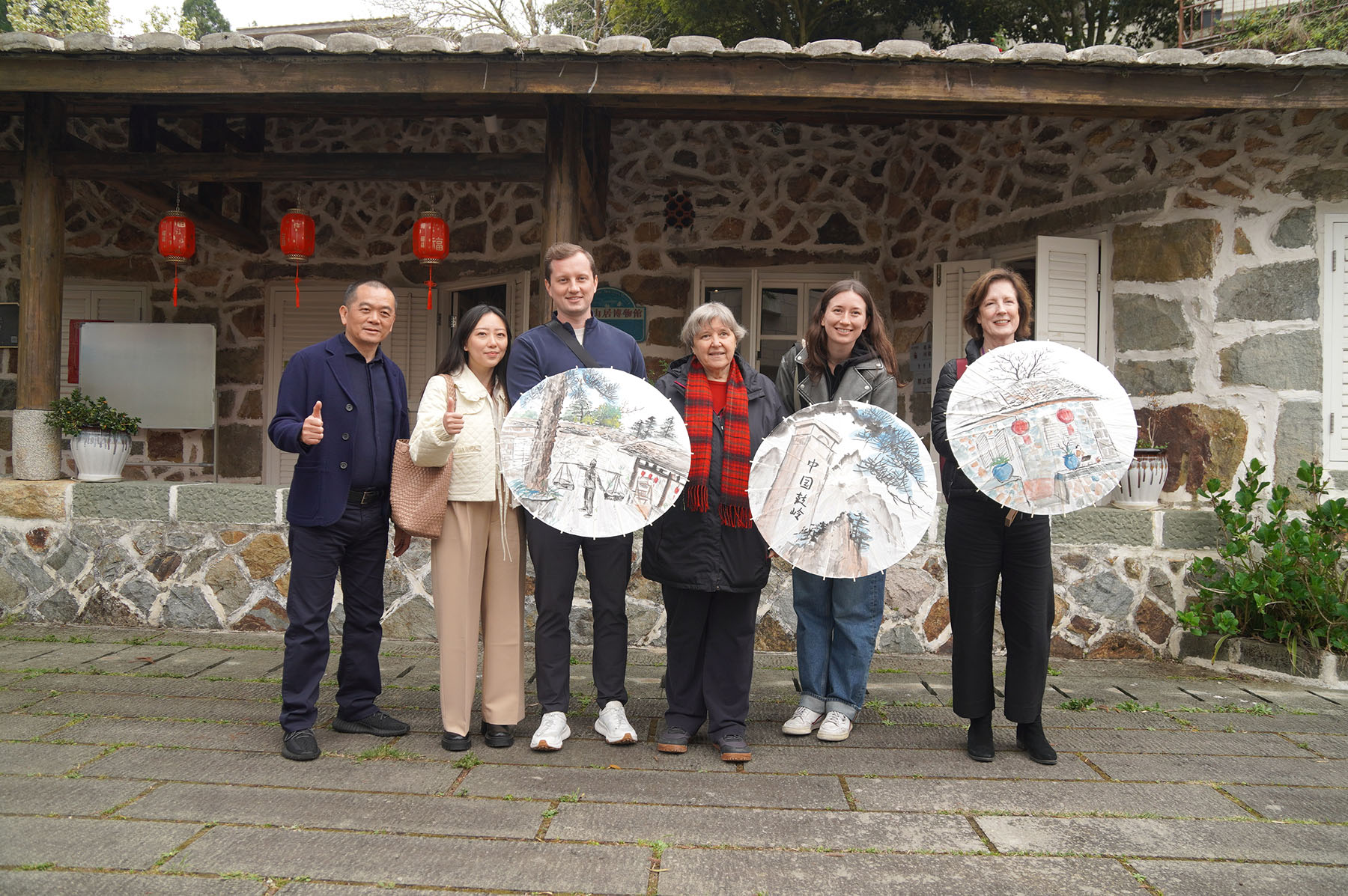
The trigger was a touch of competitive spirit.
"I was chatting with some officials of the management committee and realized they knew more about Kuliang than I did," Guo recalls with a laugh.
"I thought to myself, 'That won't do. I need to know more than them.'"
His research method was grassroots yet extraordinarily effective: using the Fuzhou dialect to unlock the memories of the elderly.
"My advantage is being a local, and I can chat with anyone easily,"Guo explains.
What he salvaged from the elders were warm, human details absent from the archives.
His uncle remembered foreigners giving children biscuits in tin boxes that were later treasured as pencil cases.
Another old villager recalled using homemade water pistols to squirt passing "golden-haired boys" before running away. There were even tales of playful fights on the tennis court.
"They're all fond memories," Guo summarizes.
"Foreigners were a novelty then, and they only appeared in summer. They brought delicious food and fun toys. How could the children not remember them vividly?"
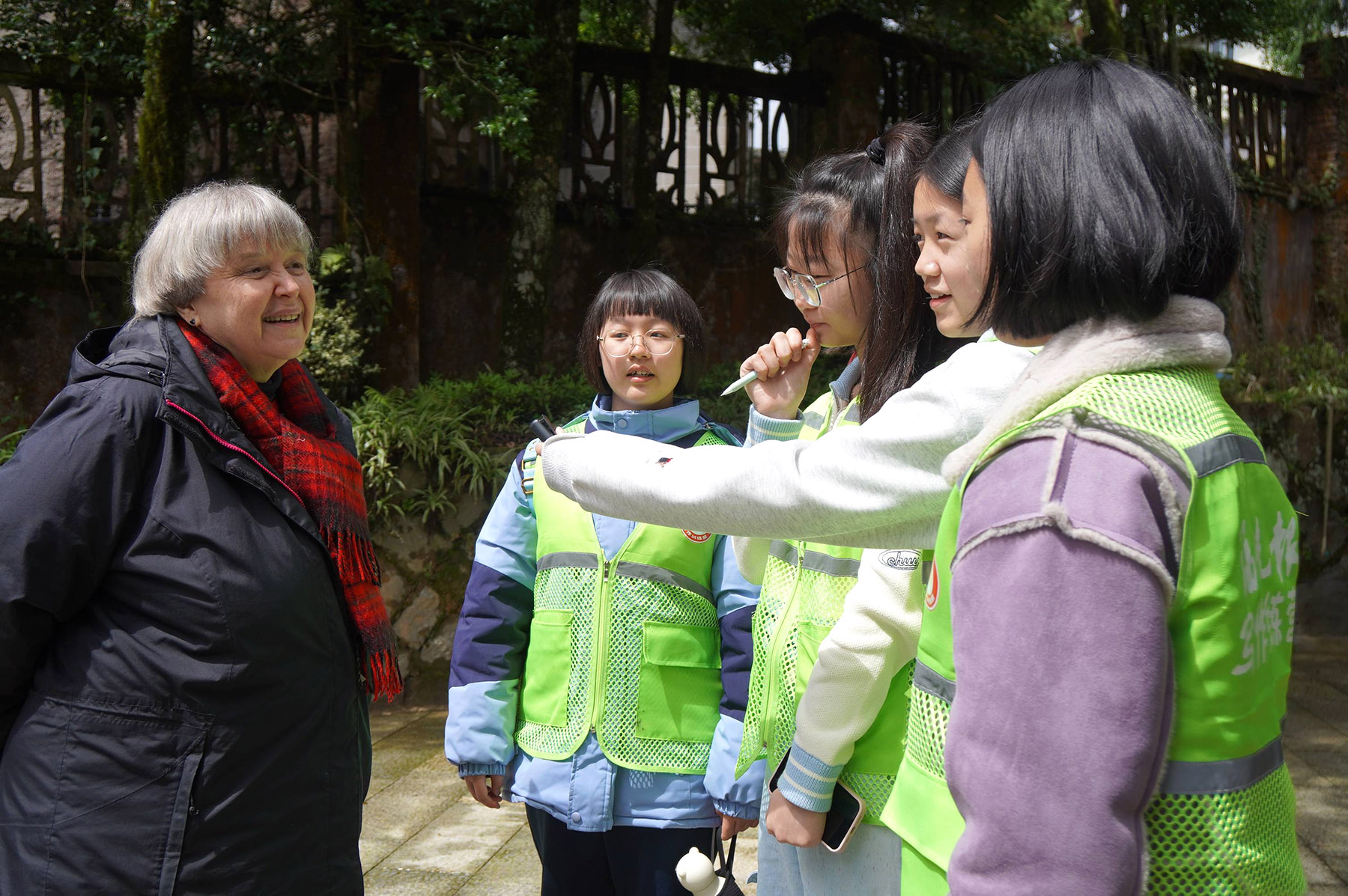
These fragmented oral accounts piece together a picture of a real, equal, playful neighborly relationship between foreigners and locals in Kuliang.
After 2019, Guo's fieldwork evolved into a trans-Pacific "digital archaeology" project. He connected with Lin Yinan, an associate professor at the Shanghai East China University of Science and Technology, and Elyn MacInnis, whose father-inlaw was a missionary who once dreamed of building a home in Kuliang and whose brother-in-law flew with the Flying Tigers in China.
MacInnis would sift through faded family albums in the US; Lin would comb through archival documents in Shanghai; and Guo would conduct on-site "verification" in Kuliang's forests.
Trust was built slowly. With the high-resolution historical photos, Guo says he could quickly identify where they were taken, thanks to both his intimate familiarity with every inch of his hometown and a drone.
The drone's first major success was locating the site of a mysterious 1903 photograph of a dinner party hosted by Samuel Gracey, then US consul to China, to celebrate his 69th birthday.
For years, no one knew its location, with only a building's side and a distant mountain as clues. Guo searched the mountains repeatedly.
"Suddenly, one day on my scooter, I glanced at the mountain opposite, and it looked familiar. Inspiration struck, just like that," he recalls.
Finally, the drone confirmed the precise spot amid overgrown ruins.
The most poignant location hunt was for the plot of land called Skye, purchased in 1948 by MacInnis' in-laws for a villa they never built.
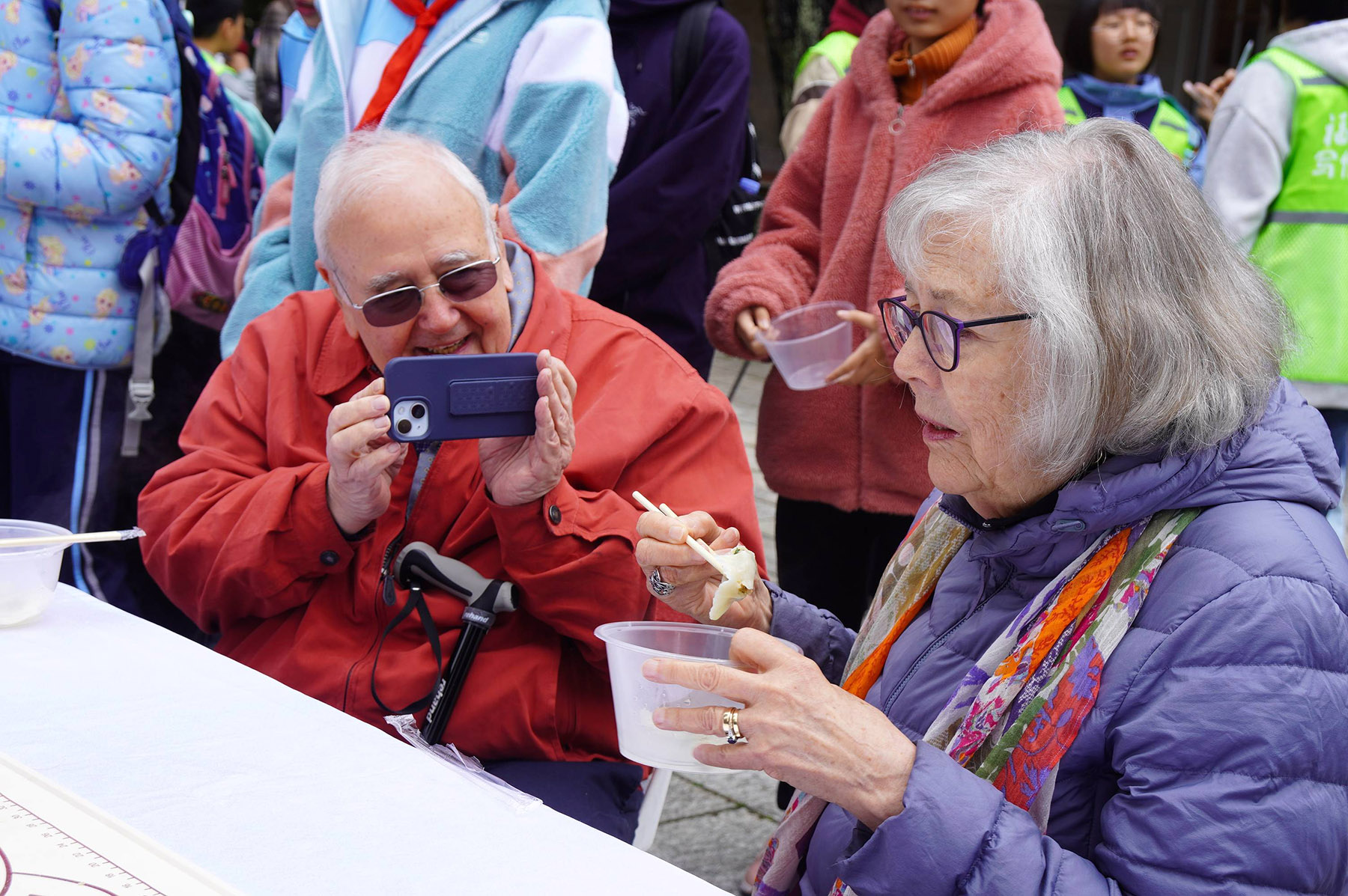
With only one old photo and vague descriptions, Guo used his drone to scour the wooded hills, eventually pinpointing the long-overgrown foundation.
"She called her husband, Peter, right then. Before dialing, she told us, 'Peter will be annoyed at first, but then he'll be overjoyed'," Guo shares.
Sure enough, the initial complaint on the phone soon turned into irrepressible excitement upon seeing the images of the land his family longed for.
Since the Kuliang story was retold in 2012, a quiet yet profound transformation has been underway on the mountain.
"The cultural excavation process has been very arduous," admits Jiang Jingting, from the area's management committee.
"We've been working on it for over a decade, and we're still at it," he says, adding that the goal is to search for descendants scattered across the globe and salvage local memories.
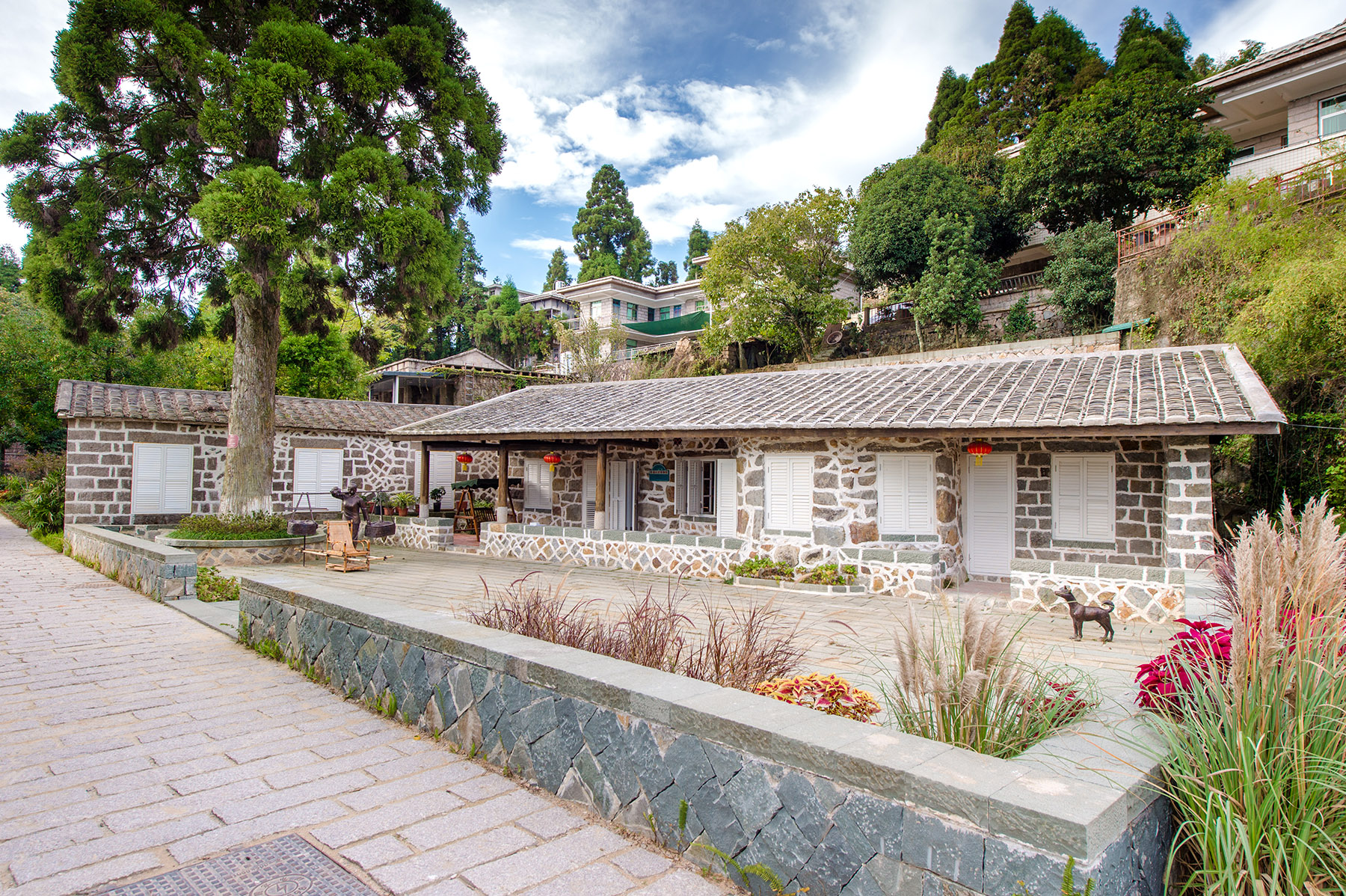
The physical changes are evident. With about 3 billion yuan ($432.2 million) in government investment and leveraging nearly 20 billion yuan in private capital, over 20 of Kuliang's 120-year-plus-old villas have been restored to their original state and given new life.
The post office still operates and serves as a cultural space, while the Kuliang Club is now an experiential museum that receives over a million visitors annually.
Liang Weimin, 83, has often been invited to share his childhood memories with international guests.
ALSO READ: A missionary, a healer and a friend of China
His recollections are not grand historical narratives, but specific, tactile personal accounts, filled with his gratitude for missionary Edward H. Smith, who offered him food and education. He is also filled with nostalgia for the distinctive thwack of a wooden ball from the small, flattened courtyards in front of the foreign villas, where adults played games that the local children watched with fascination.
Today, Liang's guesthouse has also become a quiet crossroads. When descendants like the MacInnis return, they sit with him.
He shares his stories, like the time he nearly died as a child after eating wild berries, only to be revived by the care of a foreign doctor.
"I could hear everything," Liang recalls of lying limp, listening to the urgent Fuzhou dialect around him.
He also recounts how his mother, a Christian, had him baptized in the local stream, and how his grandfather sold parcels of land to foreigners — land the family would later rent back to grow sweet potatoes, a cycle of practical coexistence.
These details, like the water from his family's century-old well dug by his father, are still pure today, nourishing the roots of Kuliang.
Yang Jie contributed to this story.
Contact the writers at yangfeiyue@chinadaily.com.cn
