

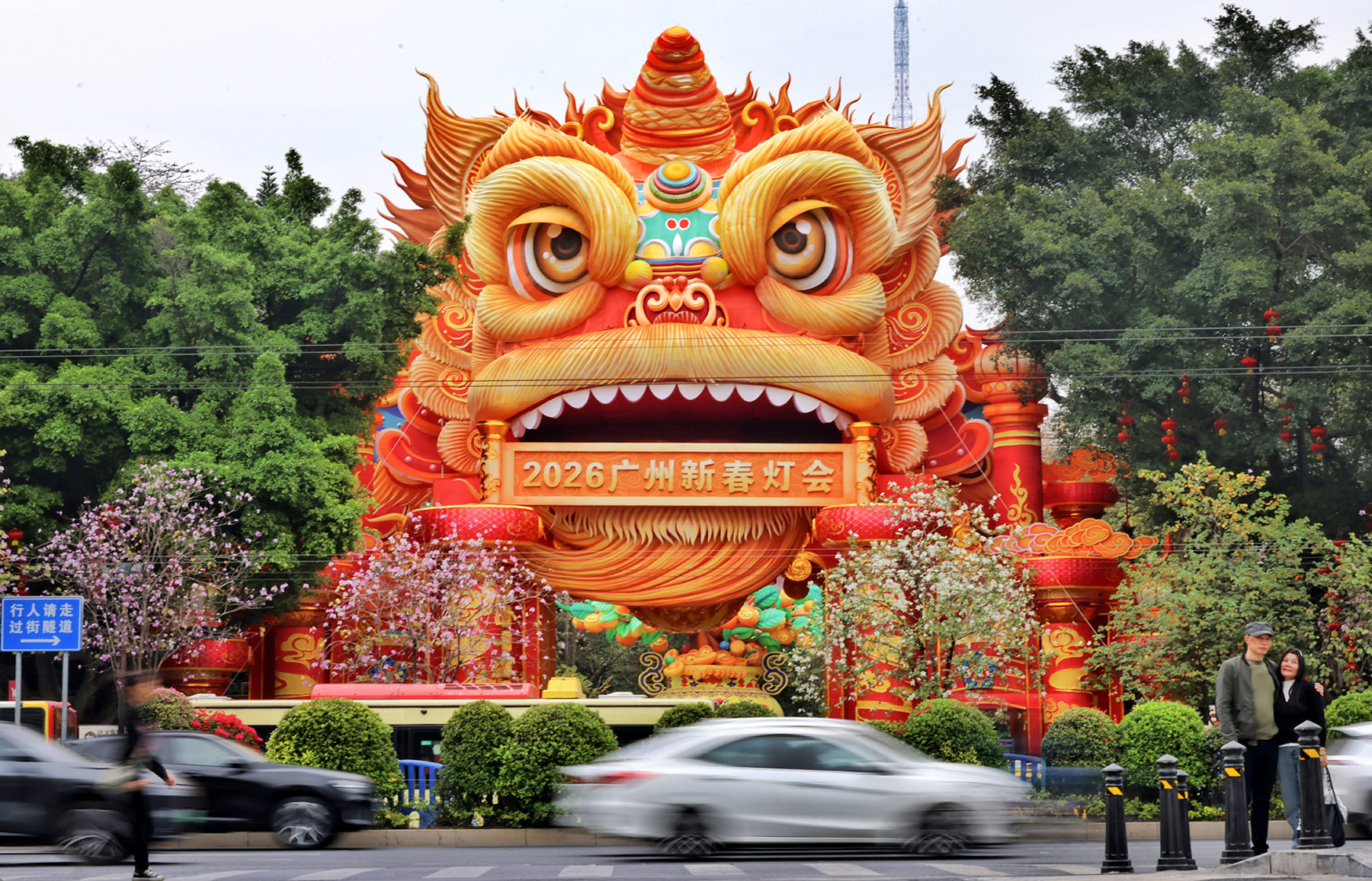
The Year of the Horse galloped in earlier this week amid glowing red lanterns lining city streets, and families embracing the warmth of reunions with loved ones.
Amid all the festive hustle and bustle, a simple chart of suggestions from Guangdong province unexpectedly became one of the festive season's most talked-about cultural phenomena.
It told people how much money to put into a hongbao — the red gift envelope traditionally handed out during the Spring Festival period.
The recommended amounts were modest: 100 yuan ($14) for close blood relatives, 50 yuan for near but not related by blood relatives, 20 yuan for cousins, 10 yuan for distant relatives and 5 yuan for neighbors.
Compiled by netizens, the chart reflected long-standing local practices in Guangdong, where hongbao — known in Cantonese as laisee — is more about symbolism than the sum.
The online response to the chart shared on WeChat, Douyin and Weibo has been overwhelmingly positive. Many netizens praised the guide for helping the festival "return to its original meaning" and for easing the financial pressure that can accompany holiday giving.
The custom of giving red envelopes dates back more than a millennium. Historically known as yasuiqian, or "money to ward off evil spirits", it originated with elders stringing together copper coins with a red thread to give to children as a blessing for peace and safety in the coming year.
According to southern folklore, a mythical creature named Nian Shou would come to frighten children during the New Year period. Thus the color red, bright lights and firecrackers were used to drive it away. Over time, the red envelope became both a protective talisman and a symbol of blessing.
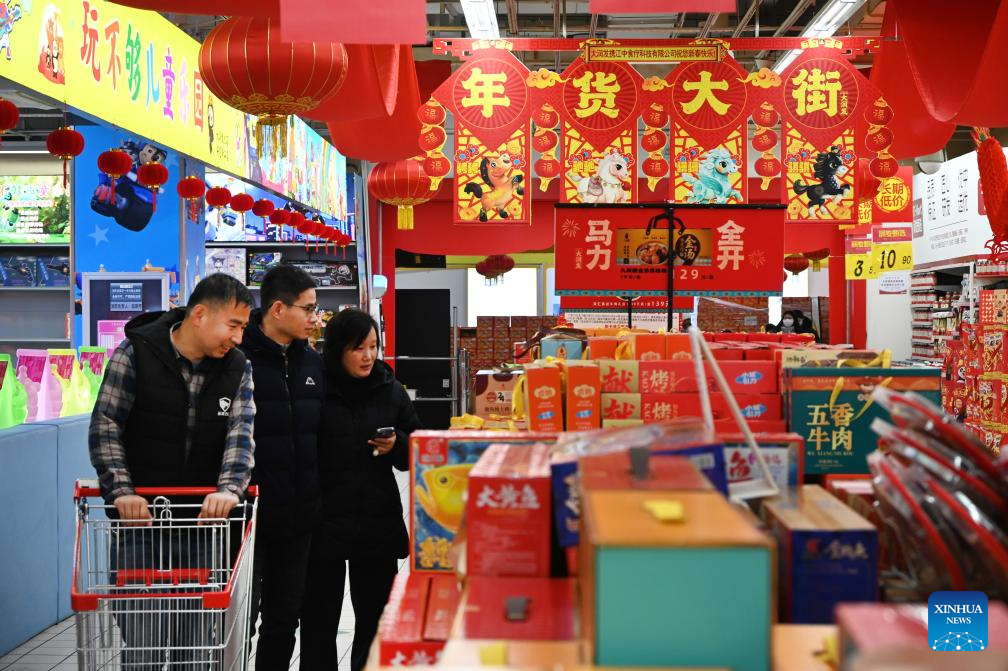
In Cantonese, the term laisee carries auspicious homophones meaning "good fortune" and "smooth affairs". The red paper conveys joy and prosperity, while the money inside represents luck shared between generations.
While digital transfers have become commonplace in recent years, many still prefer the tactile ritual of preparing crisp new banknotes and stuffing them into red envelopes. Wang Xiuying, a 66-year-old retiree in Guangzhou, is a typical example. She recently exchanged 2,000 yuan in fresh bills at a local bank.
ALSO READ: 'Emotional spending' a touch of holiday luxury
"Giving hongbao to children is a must and a perfect gift for Spring Festival," she said. "New banknotes feel more festive."
Her grandchildren returned home for the reunion dinner on Chinese New Year's Eve. For Wang, the envelopes are less about the amount and more about welcoming her family with blessings.
Across China, the amount of money in a hongbao can vary widely. In some regions the sums have risen in recent years, putting silent but very real financial pressure on many. It is precisely this pressure that the Guangdong chart appears to erase.
Cheng Qiongfang, an office worker in Guangzhou, said she distributed red envelopes with 10 or 20 yuan in each just like she has in past years.
"If hongbao becomes just a way to compete with others, it loses its original meaning," she said. "It should be a token of good luck."
Observers note that the popularity of the chart reflects more than regional custom. It speaks to a broader desire for a lighter, less burdensome holiday — one centered on warmth rather than wealth.
Within the vast tapestry of Chinese New Year rituals — from couplets on doorways to family banquets — the red envelope remains one of the most intimate and enduring gestures. A thin fold of paper carrying a modest sum embodies centuries of cultural memory for those sensitive enough to appreciate it.
In Guangdong's understated laisee guide, many have found not only a reference chart, but a reminder that the true value of a red envelope lies not in its denomination, but in the goodwill it conveys.
Contact the writers at zhengcaixiong@chinadaily.com.cn
