

With bullet comments, memes and dorm-room stages, Gen Z is reshaping the Spring Festival experience through creativity and community online.
On Chinese New Year's Eve this year — Feb 16 — as millions of families settle in to watch the CCTV Spring Festival Gala, a very different kind of celebration is set to capture the attention of young audiences online.
Instead of gathering around the television, many young people will be scrolling through their phones, flocking to a Bilibili channel called "Fangshan Chuzi" to experience a unique Spring Festival Gala entirely produced by university students.
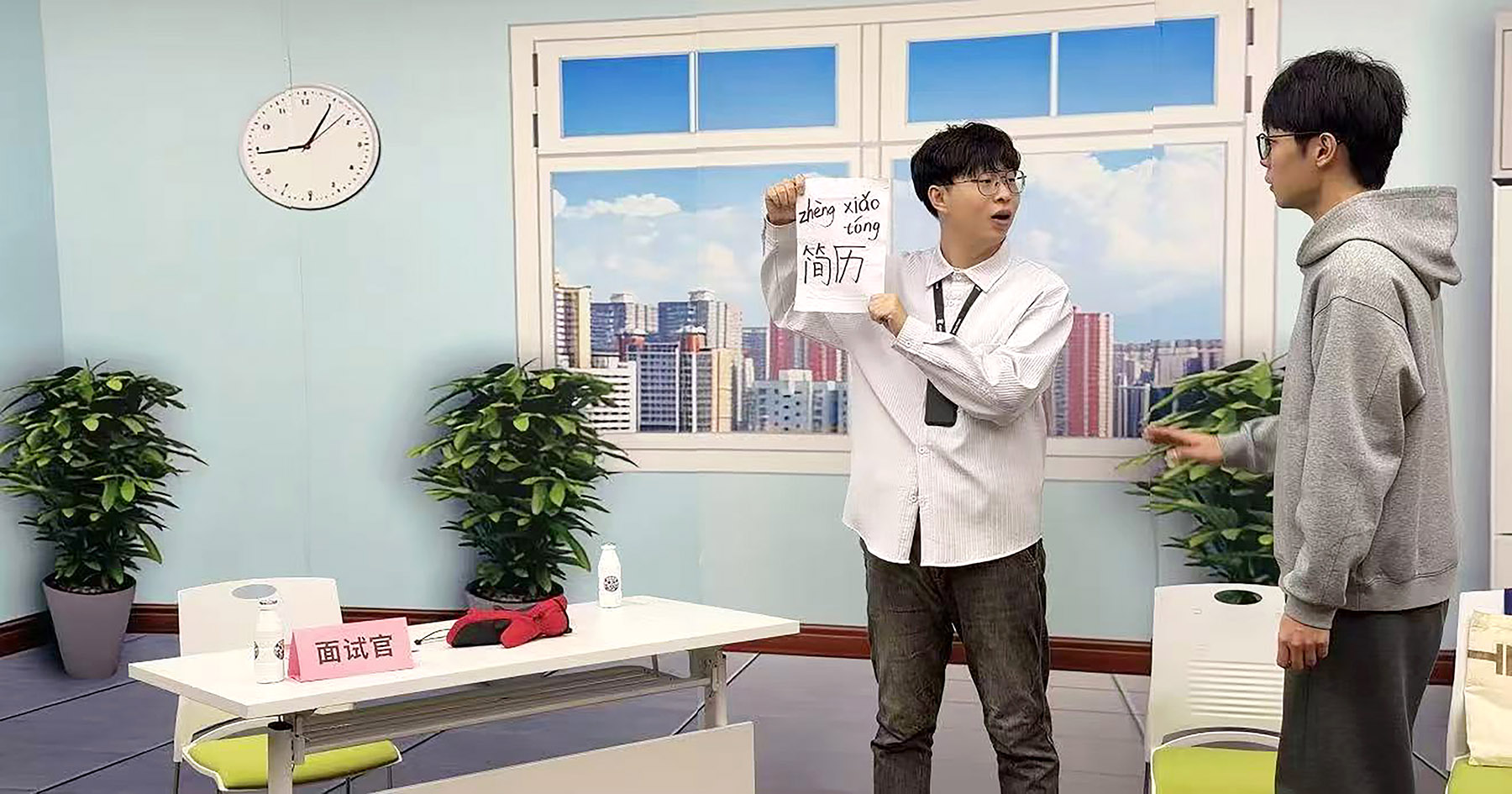
There are no celebrity lineups or grand stage effects. Rather, viewers see slightly rough video quality, shaky camerawork, dorm-room backdrops, fast-moving danmu — or bullet comments — and inside jokes only fellow young people can truly appreciate. This grassroots gala, wild and unpolished, is quietly becoming an essential cultural ritual for Generation Z during the festival.
The project was launched in 2025 by content creator Fu Yiqiang, 28, from Xinyu in Jiangxi province.
As a former university lecturer, Fu noticed that campus life and mainstream narratives often left little room for students' individuality. This observation inspired him to create the University Students Spring Festival Gala — a platform offering young people a rare sense of being seen and understood.
"In real life, students and children are often being lectured to; parents and teachers don't always truly listen. By creating this gala, we are amplifying students' voices," Fu said.
What began as an experiment quickly became a surprise hit. The student-produced gala attracted more than 50 million views across platforms including Bilibili and Douyin in 2025, while related discussions surpassed 100 million mentions online.
Building on its first-year success, the 2026 gala has seen explosive growth. Fu said volunteer applications surged to 2,719, program submissions reached 416, and around 30 shows will be presented.
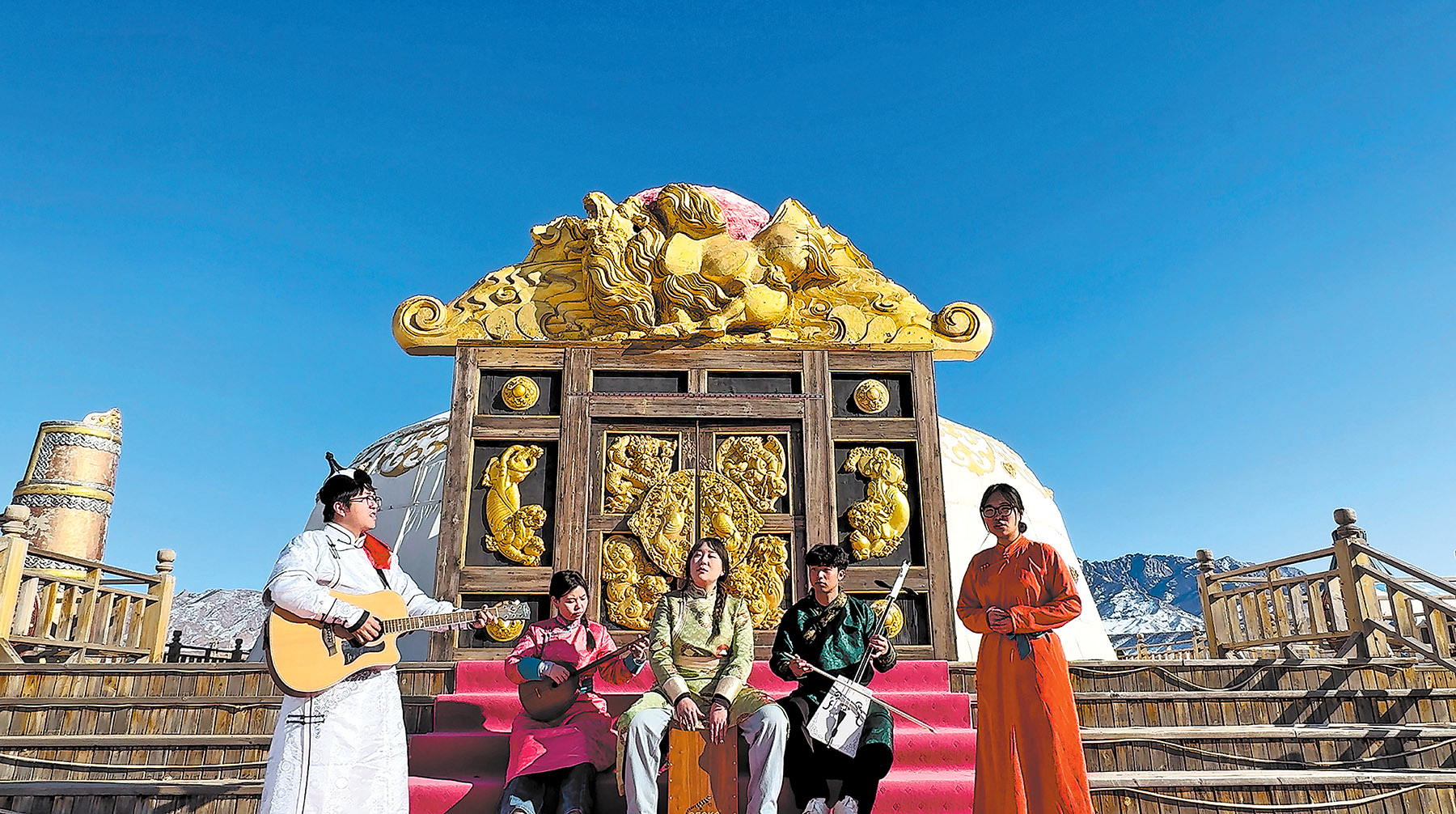
Adisi, a student from the Mongolian ethnic group and a senior at South-Central Minzu University, has participated as a creator in both the 2025 and 2026 galas.
In 2025, he made his debut by showcasing the culture of his hometown. He performed an original song featuring the morin khuur, or horsehead fiddle, Mongolian drums, and traditional Mongolian long song, evoking a wanderer's longing for the grasslands.
This year, after navigating the pressures of postgraduate entrance exams, Adisi decided to turn his creative focus inward. He wrote a trilingual song blending Mongolian, English, and Spanish to encourage fellow university students who are pursuing different paths and searching for direction in the future.
"In the song, I explored life's many possibilities and wanted to share one message in particular: no matter how the world tries to shape you, you should remain true to yourself," he said. "A peach tree should blossom peaches, and a rose should blossom roses."
In contrast to Adisi's reflective approach, Gao Shuotong's performances highlight another form of youth expression: an embrace of "abstract" humor and meme culture.
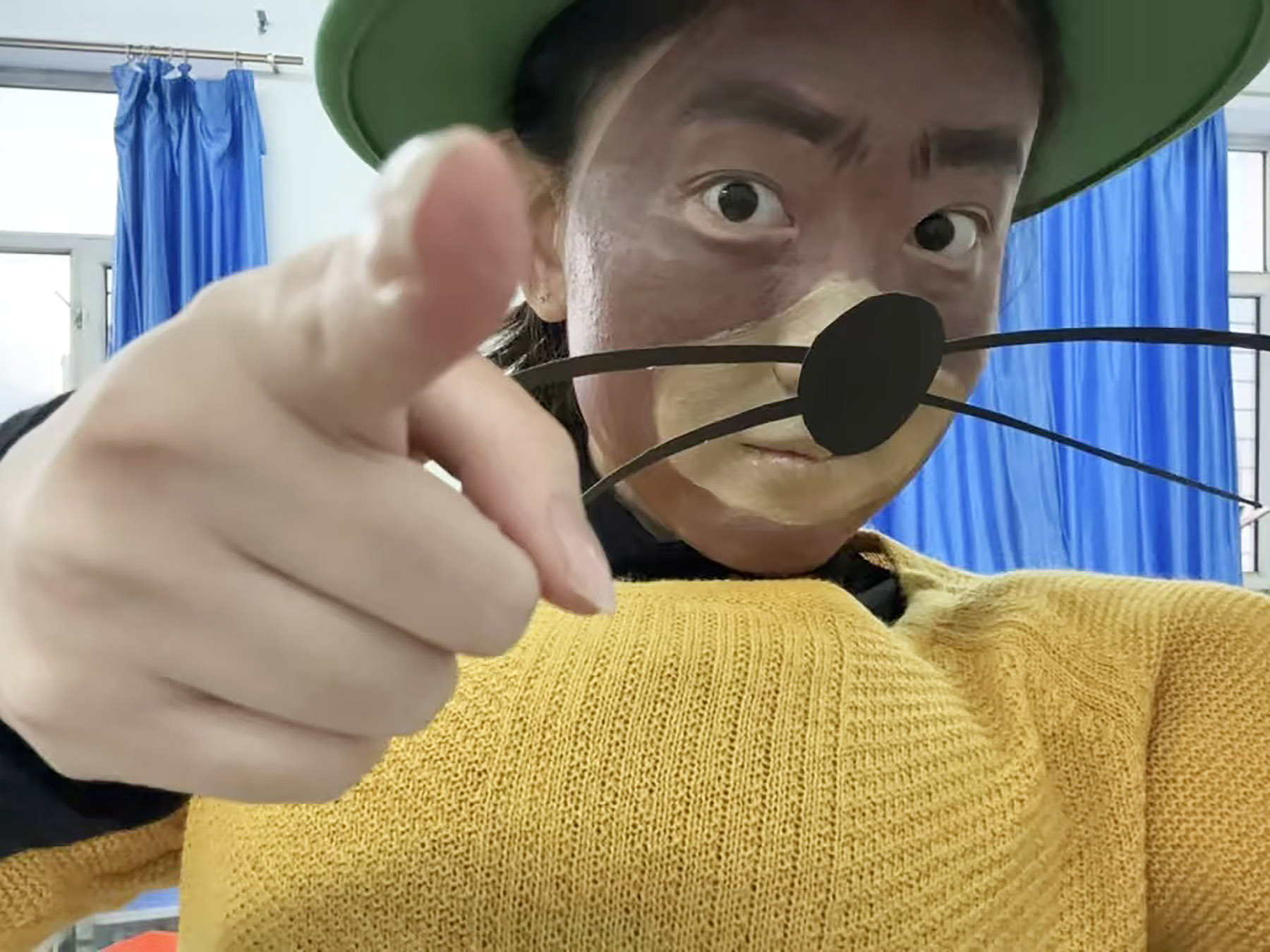
Gao, a student at Jilin University of Arts, performed an absurd and goofy dance with a friend at the 2025 gala — and plans to do something similar again this year. Their exaggerated routine sparked bullet comments such as,"Looks like these two don't care about staying in school anymore". Gao, however, was delighted that her act brought laughter to the audience.
That sense of acceptance is exactly what draws her to the event. "This platform is very inclusive and open," she said. "Everyone has their own ideas and the courage to express themselves, even when it means speaking hard truths."
She cited skits that poke fun at stolen food deliveries or the struggle of waking up for early classes, as well as performances addressing romance scams and anti-fraud awareness — all topics highly relevant to university students' everyday lives.
Fu agreed. According to him, the student gala stands in stark contrast to the mainstream Spring Festival Gala by offering decentralization and a high level of interactivity. Anyone can participate — there's no need to be a professional performer. Meanwhile, the thousands of real-time bullet comments create a vibrant online community where viewers can freely share their reactions.
There are also fewer cultural barriers. "Mainstream media often lags behind or becomes disconnected from youth culture," Fu explained."But our programs require no translation — the subcultures unique to young people reach them directly and precisely."
Gao said she invited her entire family to watch her performance last year. Although the elders didn't fully understand it, they still "treated it like a high-end major gala", she said. Her grandmother even excitedly showed it off to her friends, which filled Gao with pride and joy.
Rising influence
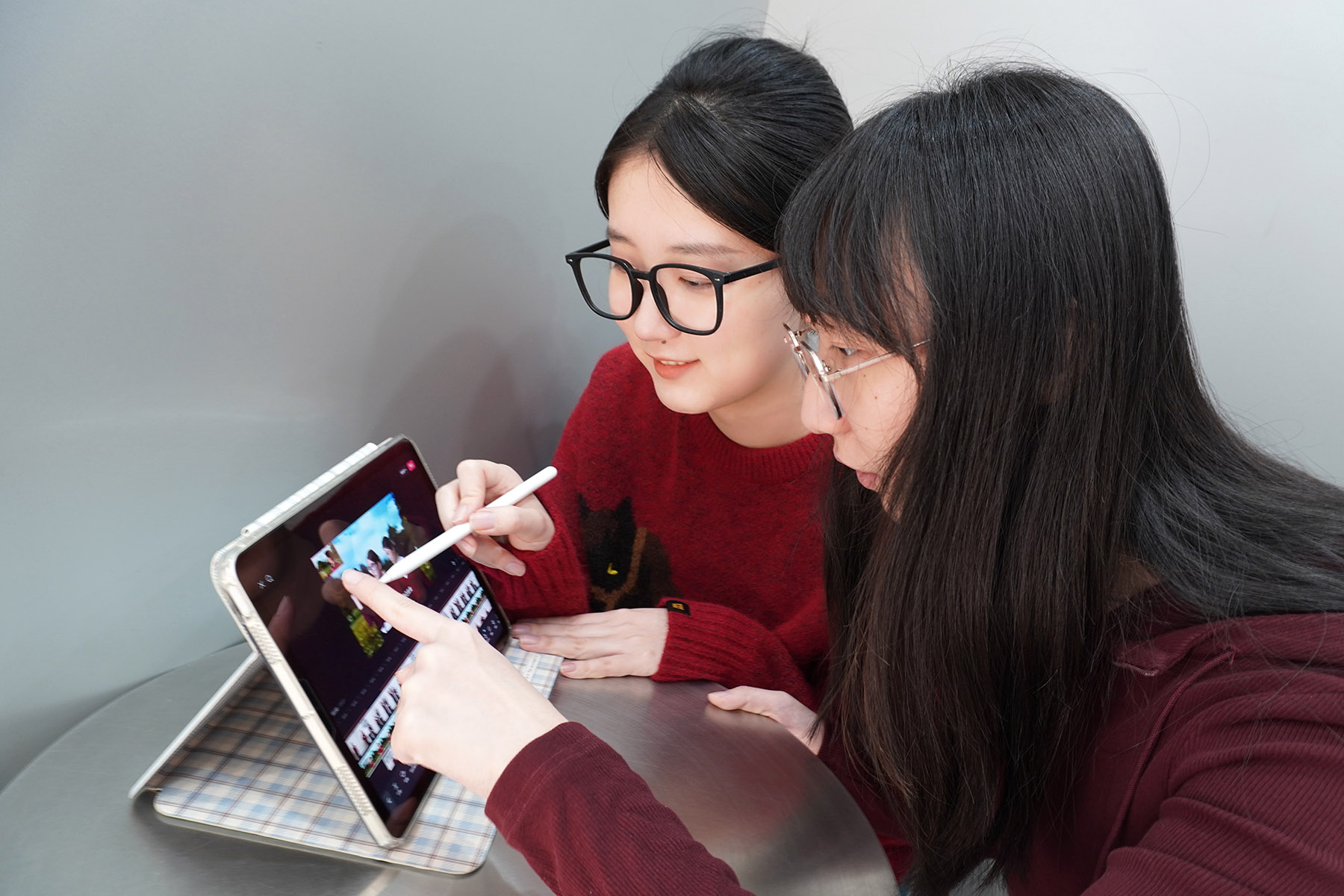
Beyond performing, Gao is also a key volunteer for the gala. This year, she serves as head of the music section within the volunteer directing team. Her responsibilities range from collecting program submissions and communicating creative ideas to finalizing scripts and offering revision suggestions.
"Watching a program evolve from its initial draft into a polished show gives me a greater sense of achievement," she said.
Gao has also noticed changes in this year's submissions. While last year featured many rough, individual efforts, this year has brought several well-produced programs officially supported by universities — a sign of the gala's growing influence.
"After last year's broadcast, many high school students said they wanted to create their own versions of the gala for younger students," she said. "This year, we even received submissions from university students that included middle school members."
To her, it represents a virtuous cycle, suggesting the event continues to attract a steady influx of new talent.
Fu plans to keep producing the gala in the years to come. "On this platform, young people can showcase the culture and social issues that resonate with them," he said. "I hope it can become an annual benchmark — and a beacon for youth culture."
Contact the writers at guiqian@i21st.cn
