

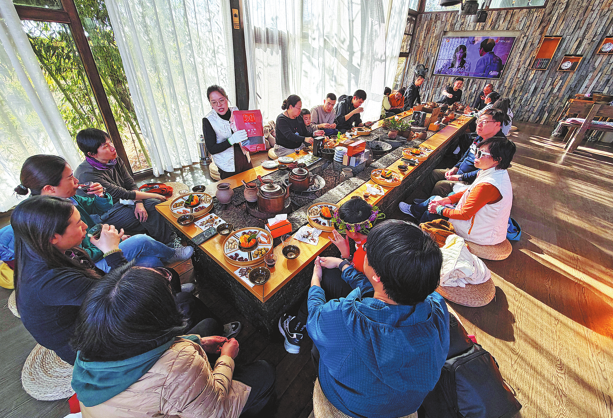
The Spring Festival holiday is not only a time for family reunions but also an opportunity for "emotional spending" for many Chinese people, who derive comfort and pleasure from splurging on luxury items or personalized experiences.
These indulgences can range from a photo shoot wearing traditional Chinese hanfu attire to a premium tourism trip, or booking an expensive Chinese New Year's Eve dinner.
Dressed for occasion
Zhang Xiaohan, 20, an undergraduate in Beijing, plans to share traditional Chinese-style photos she has taken with her family and friends during the holiday. The photo shoot was done in Xi'an, Shaanxi province, one of China's oldest cities. Zhang said the photo shoot also provided her with a memorable cultural experience.
"I'm fond of Chinese traditional culture, especially traditional clothing and architecture, as their subtle and classical vibes are very attractive," she said.
Zhang usually spends around 1,000 yuan ($144) on entertainment every month, including 300 to 400 yuan on hanfu, hair accessories, and cultural and creative products.
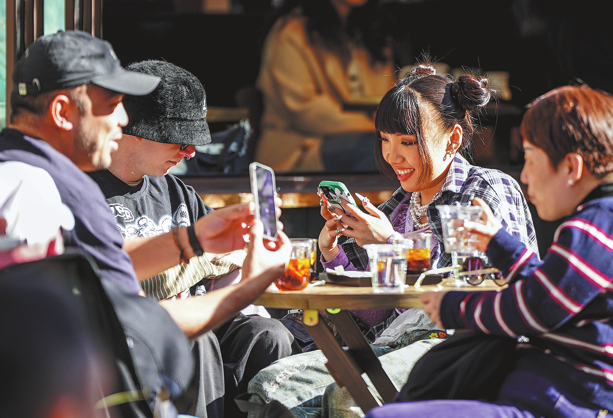
"The photo shoot in Xi'an in late January cost me about 2,000 yuan, including hanfu rental, makeup, the photographer's on-location shooting, and some tickets to scenic spots in the city. It was a bit pricey because of the coming Spring Festival, but it was worth it. Xi'an has very strong vibes of traditional Chinese culture and the hanfu I chose was exquisitely embroidered. The photographer also prepared red lanterns and Chinese paper-cuts as props and the photos have a very strong festive atmosphere.
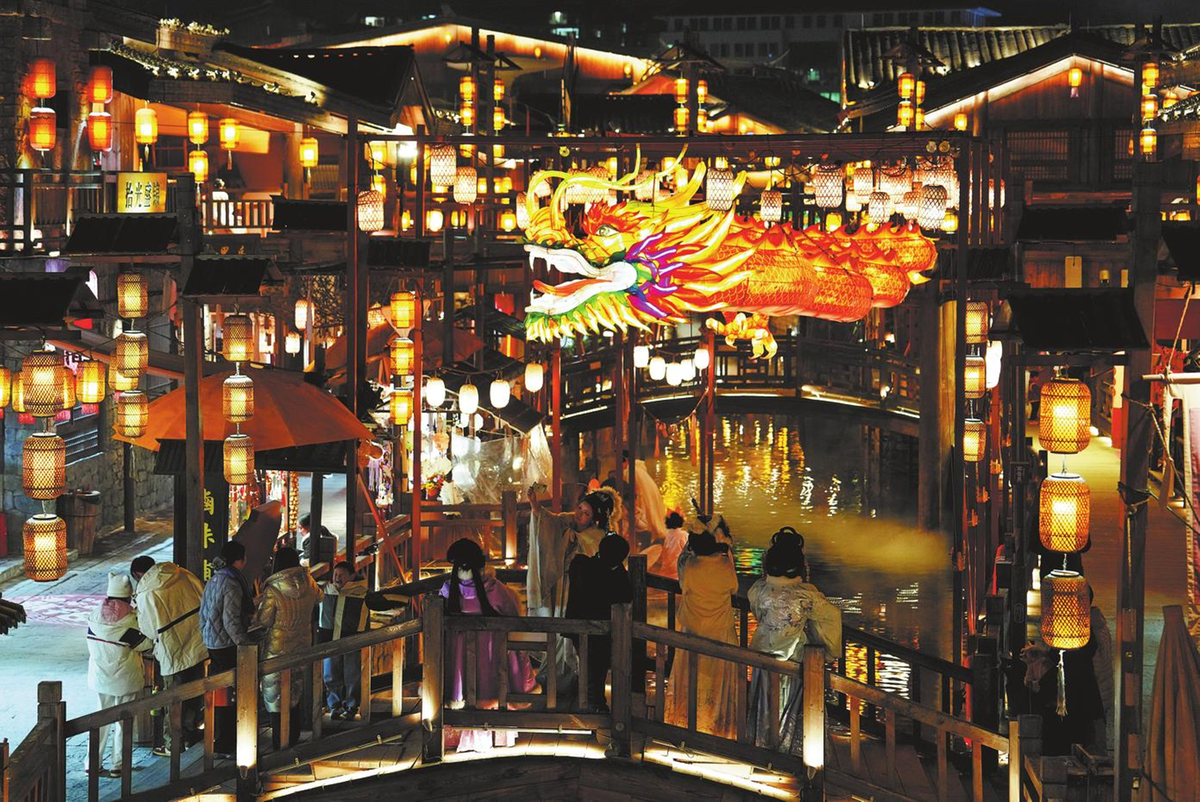
"I still remember when I took photos at Grand Tang Dynasty Ever Bright City — a night tour destination in Xi'an featuring illuminated Tang-style architecture and live performances. I was surrounded by Chinese-style red lanterns and beautiful architecture. Many people and tourists also wore hanfu like me, and I was deeply touched by the festive atmosphere," she said, adding that the photo shoot provided her with an immersive experience beyond other Spring Festival expenditures like buying new clothes or eating a Chinese New Year's Eve dinner.
Pressure valve
Women and young people age 26 to 45 are more likely to spend on emotional value, according to the iiMedia Research report.
About 60 percent of surveyed consumers said they make more impulse purchases on emotional spending compared with traditional spending. Over 50 percent said they are less price-sensitive regarding emotional expenditures.
Ning Ke, 18, an undergraduate student in Beijing, recently got gold-themed nail art and dyed her hair gray for the Spring Festival holiday.
"Spring Festival is a very important holiday for Chinese people, during which everyone wishes to dress up nicely. It's a sense of ceremony," she said.
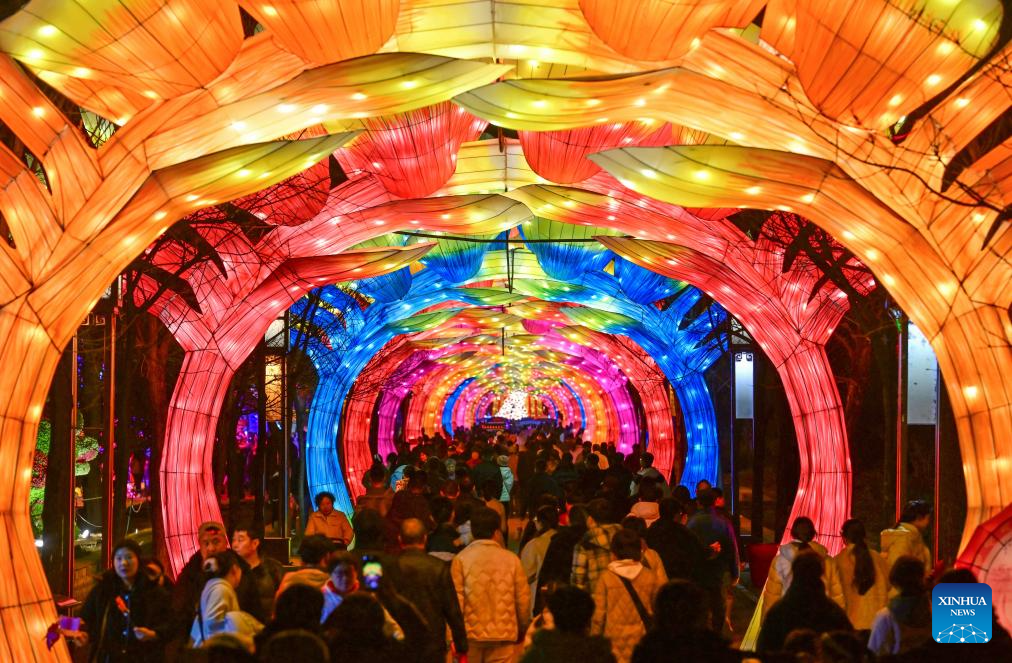
"I'm very pleased with the nails and hair art as I decided the designs. I get compliments from my friends because of the changes in my appearance, which brings me a sense of accomplishment."
Ning said she feels more confident in her appearance and can take better selfies. "It's quite normal to reward oneself after exams or hard work. Getting nail art and hairstyling for the festival is a way to treat myself," she said.
Zhu Ying, 18, a freshman at a university in the Macao Special Administrative Region, is a cosplayer. For Spring Festival, she had a photo shoot.
"The role I played is a Chinese character from a video game called Reverse: 1999. I think the role fits the festive vibes of Spring Festival, and I want to get some emotional resonance by playing the role," Zhu said.
"Traditionally, people celebrate Spring Festival and immerse themselves in the festive atmosphere by organizing family meals or visiting relatives. But for me, shooting photos and role-playing is more of a personalized celebration that enriches the holiday," she said.
Zhu said she is willing to pay for emotional value that is within her budget, as it gives her a sense of ceremony and accomplishment.
Emotional spending is not impulsive or wasteful, but meets spiritual or emotional needs in a reasonable and cost-effective way, she said. "The emotional intensity and duration of emotional value should be worth the money I've spent, or I won't make the purchase," she added.
Unlike those dressing themselves up, Yan Jingjing, 29, from Hangzhou, Zhejiang province, enjoys buying clothes for her dog that have equine elements to celebrate the Year of the Horse.
"It's adorable to see my dog wearing clothes with embroidery featuring horse elements. I've also bought several horse toys for my dog," she said.
In addition, Yan has purchased decorations featuring traditional Chinese elements such as a lotus, along with red lanterns to enrich the festive atmosphere at home.
"It's a sense of ceremony for me, and I hope these elements bring good luck and blessings in the new year. I like the instant emotional value and vibes these decorations bring," she said.
Experts said the increasing passion for emotional spending during holidays is an outlet for work or life pressure. The growth of emotional spending will help create higher-quality and innovative products and services and inject vitality into the economy, they said.
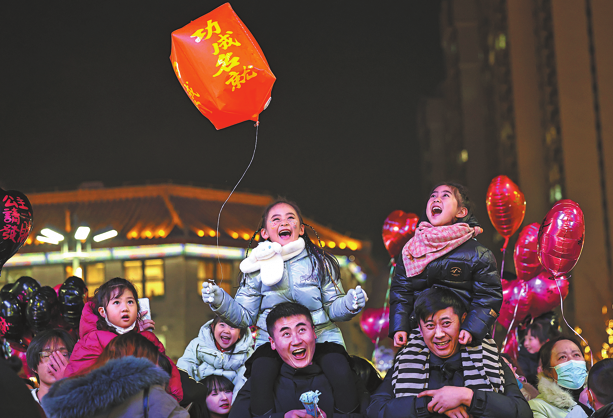
"People now have increasing work pressure but limited channels to release stress, so festivals or holidays have become an 'emotional trigger' for releasing feelings or consumption desires," said Wang Wenda, director of psychological health education at Xinhua College of Ningxia University.
"Also, 'loving yourself' has become connected with consumerism, so people are more willing to spend money on themselves, even knowing products or services are sold at a premium, which may bring emotional comfort," he said.
Wang suggested developing more creative and long-term interests rather than relying on instant gratification from emotional spending. Companies can offer more meaningful leisure products during the Spring Festival holiday to meet people's needs for mental comfort and spiritual satisfaction, he said.
Wang Nasi and Li Qianya contributed to this story.
chengsi@chinadaily.com.cn
