

Young scholars reshape China studies through classical literacy, contemporary immersion, and sustained exchange worldwide, Lin Qi reports.
At a Beijing forum attended by young international Sinologists, Yang Huilin, a retired professor of the School of Liberal Arts, Renmin University of China, spoke about romanticism and philosophy in perceptions of age, citing verses from Huanxisha — Visiting Qingquan Temple at Qishui, a poem by Su Shi in the Northern Song Dynasty (960-1127):
"Says who that one cannot find youth again? Even the stream before my door flows (backward) heading west," he quoted.
In China, rivers typically run from west to east. Through this imagery, Su expressed optimism about life, enhanced by what Yang described as an "interesting metaphor" and "the distinctive imagination of an intellectual". Understanding such nuance, he added, is essential to the study of Sinology.
READ MORE: Steeped in history, Chinese tea crosses borders
He went on to quote from Zhuangzi (The Book of Chuang Tzu), the Taoist text named after the thinker who lived more than 2,200 years ago: "One knows that east and west are opposites, yet neither can exist without the other. One then understands how the world functions and how roles are set."
He explained that his intention was not only to test the audience's Chinese language ability, but also to illustrate that Sinology is fundamentally about understanding cultural differences as well as shared ground. Its depth, he noted, requires scholars to probe beyond surface knowledge.
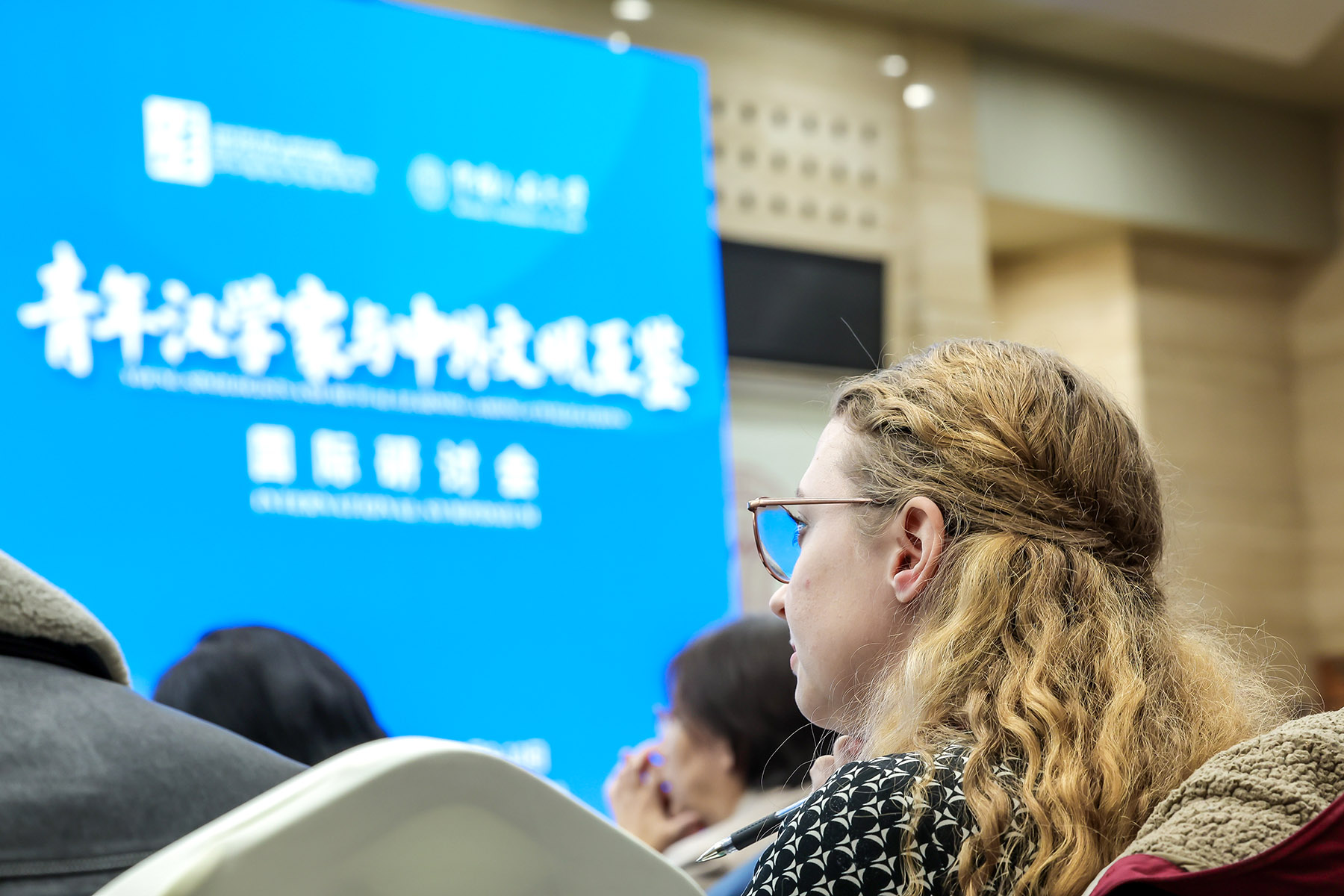
Yang's encouragement and hopes for younger-generation Sinologists were echoed by other senior speakers at the recent International Symposium on Young Sinologists and Mutual Learning among Civilizations. The three-day event was jointly organized by the Center for Language Education and Cooperation and Renmin University of China.
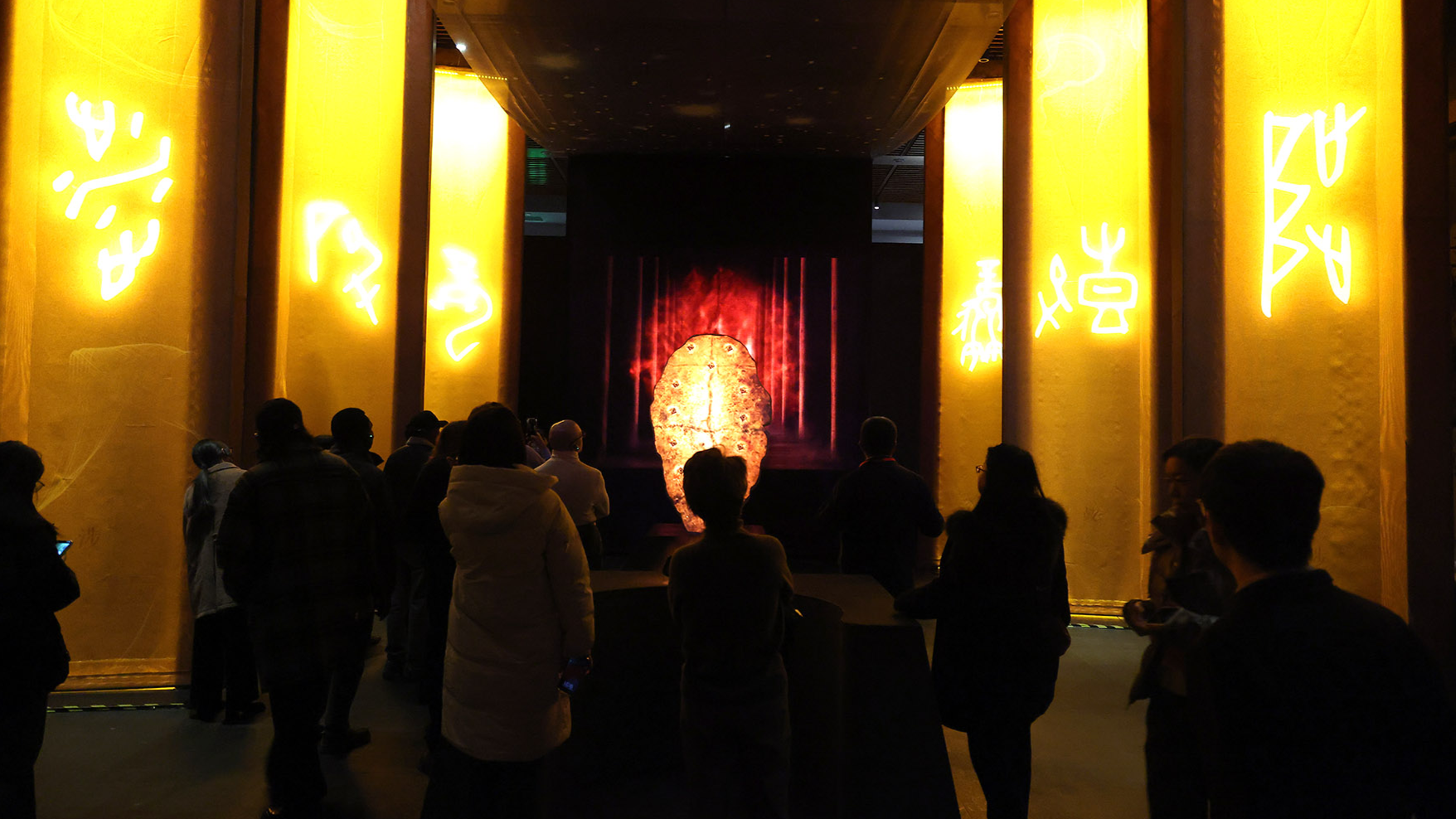
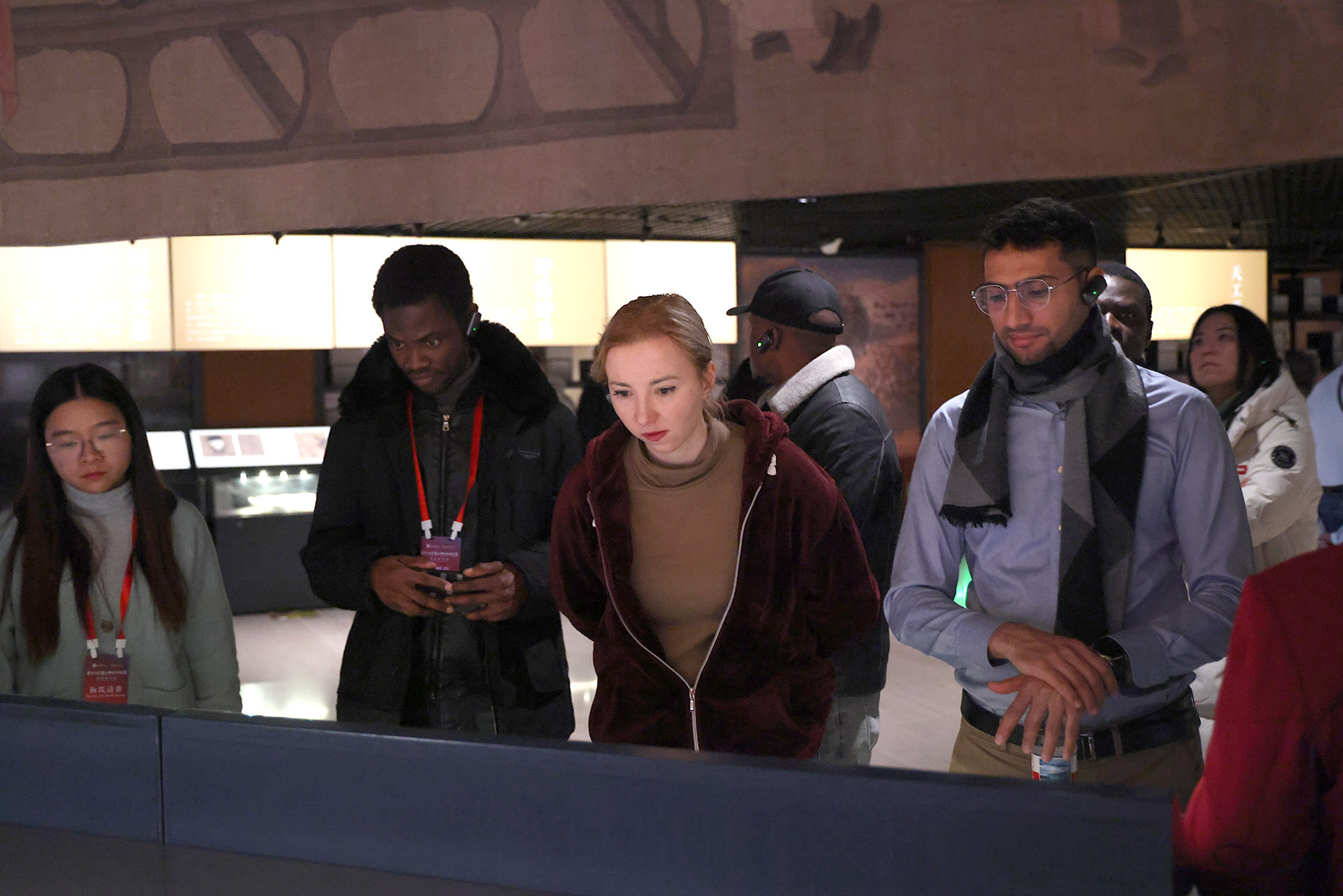
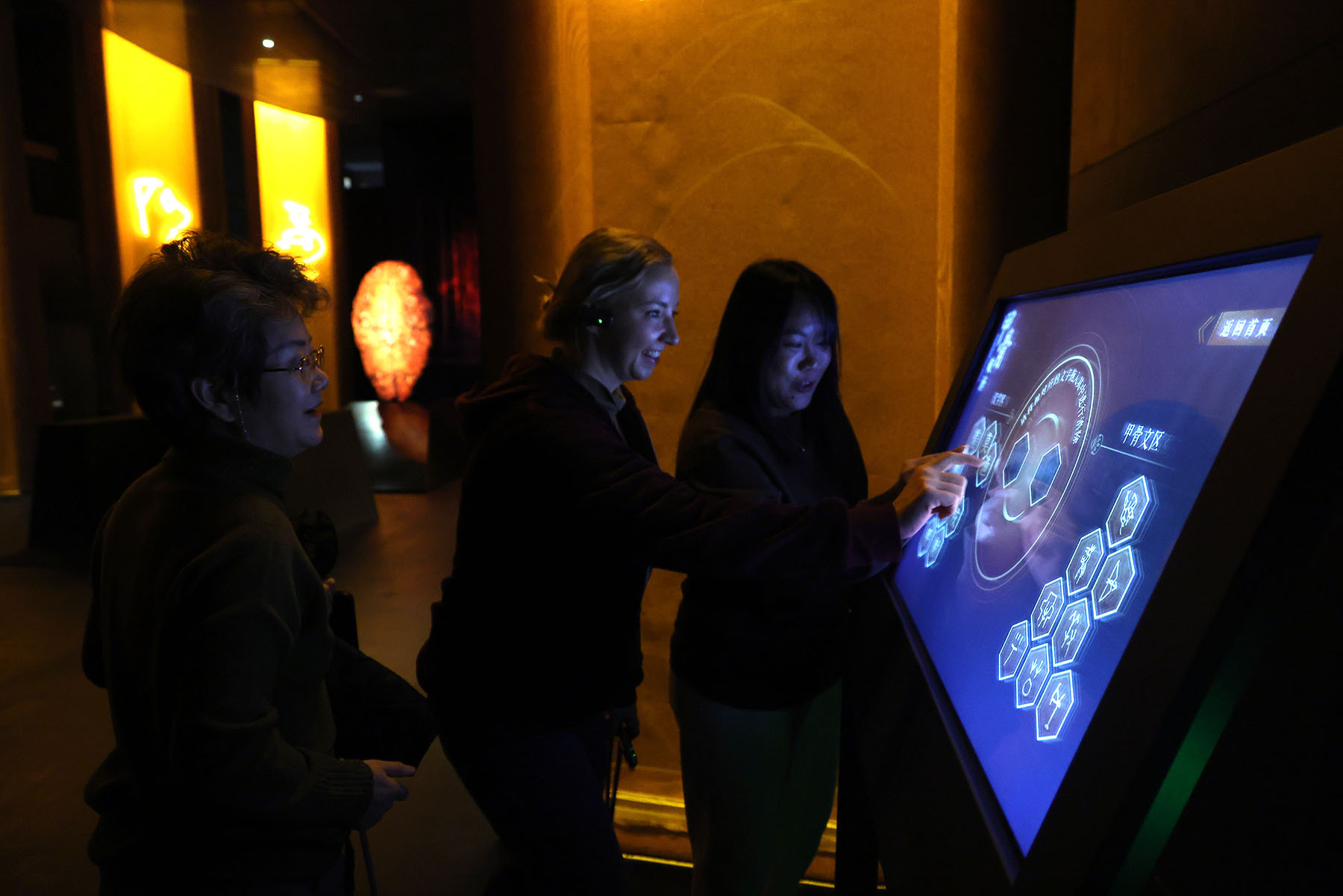
The symposium provided a platform for academic exchange while also serving as a training camp for scholars devoted to Chinese studies from universities in China and abroad. Activities included themed seminars and a guided tour of the National Museum of Classic Books.
"Youth is a golden period for academic pursuits," said Zhang Donggang, secretary of the CPC Committee of Renmin University of China, at the seminar."Beyond understanding China through classical texts, it is equally important to feel the pulse of the country via one's eyes and ears, by walking, and with a heart."
He said it is how young Sinologists would be able to feel the nourishing endeavor of Chinese modernization, and give a boost to Sinology with greater vitality.
A key agenda at the forum was the establishment of the Global Center for Young Sinologists, a platform for academic seminars, resource sharing and collaborative exchanges among young Sinologists worldwide.
The center has launched a "World Sinology and China Studies" research project encouraging young scholars to explore research topics such as poverty reduction practices, cultural exchanges along the Silk Road, the building of a community with a shared future for mankind, and the development of digital Sinology.
Andrea Breard, a senior Sinologist and professor at the Friedrich-Alexander-Universitat Erlangen-Nurnberg in Germany, said Sinology, as an all-encompassing discipline, requires continuous deepening through academic exchange. While young Sinologists spread the knowledge of China across the world, it is also important for them to gather frequently for dialogue. She hoped that the new center would provide innovative platforms to advance the field.
Alaa Mamdouh Akef, an Egyptian assistant professor of Arabic at the School of Foreign Languages, Peking University, said immersing themselves in the rich life scenes of diverse communities in China, such as grassroots governance and youth culture, would help young Sinologists like him gain firsthand material for research.
Keeping pace with evolving online buzzwords and trends, he added, also helps scholars understand the attitudes and concerns of younger generations.
ALSO READ: Calligraphy offers strokes of tradition
"We are not only scholars who study China, but we are also participants in telling China's stories and shaping the modes of dialogue," he said. "I look forward to working with young scholars from around the world, sharing academic developments, conducting robust joint research, and engaging in closer collaboration in translation."
Yang said Sinology would help one gain alternative perspectives on one's own cultural traditions, a process that applies equally to Chinese scholars. "It is a study that will never be outdated, and that will keep Sinologists forever young."
Contact the writer at linqi@chinadaily.com.cn
