

A Thai businessman aims to serve communities by connecting local producers in rural areas with urban markets, Yang Wanli reports in Bangkok.
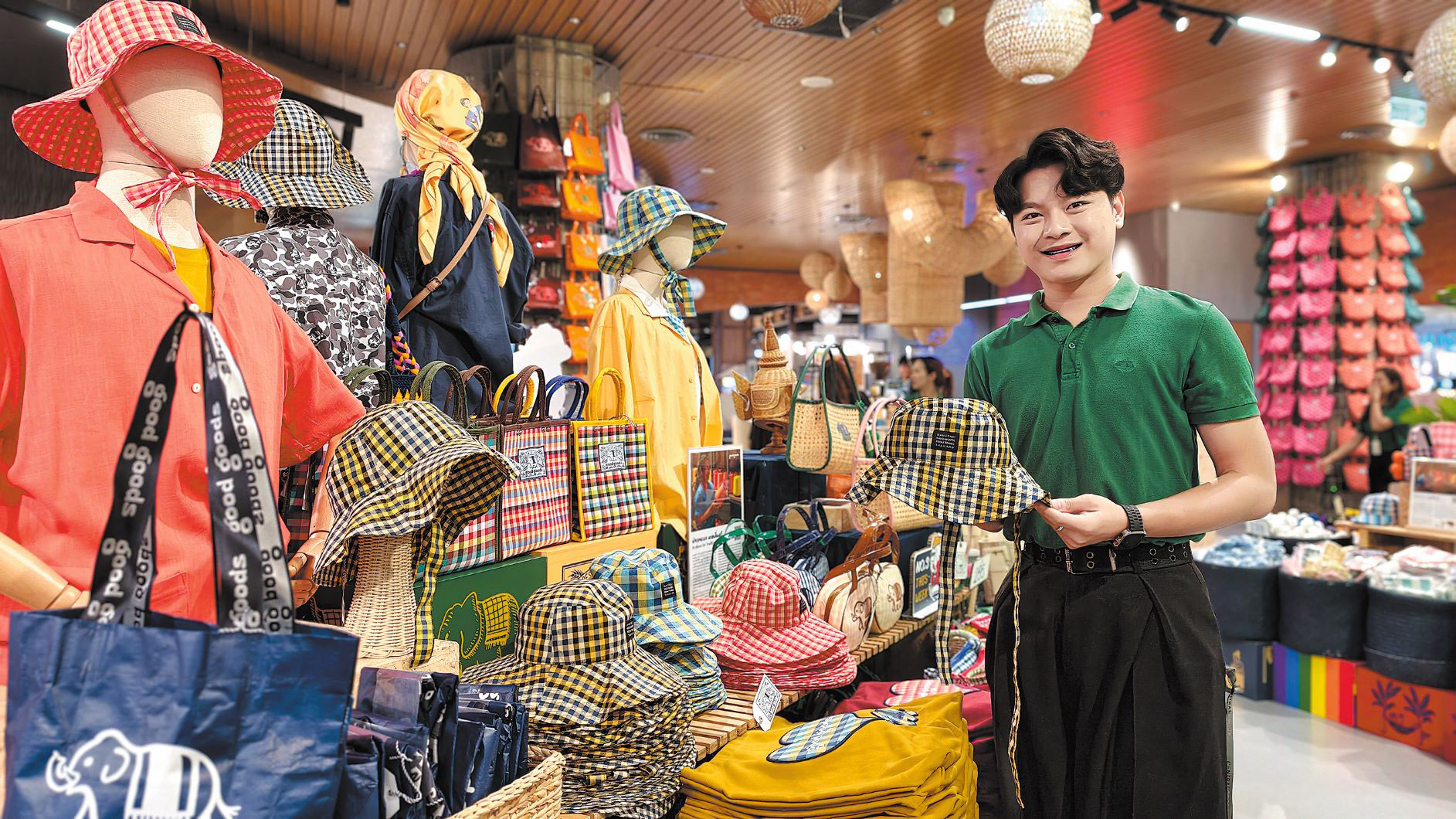
Imagine a lively store that incorporates elements like handicrafts, snack vendors, Thai music and coffee tastings, which engage all five senses and create a lively, market-like atmosphere.
Thai businessman Pichai Chirathivat is attempting to use this model to ease rural poverty in local communities, an ambitious vision for many entrepreneurs. Amid various pathways to improve the lives of fellow citizens, the route that Pichai has taken is connecting goods produced in rural areas with urban consumers in Thailand and beyond.
As executive director of Central Group, a leading Thai retail and wholesale business, Pichai says he believes in the traditional Chinese saying that it is better to teach a man how to fish than to give him a fish.
His "fishing" involves bringing quality Thai products from rural local communities to the kingdom's biggest shopping mall group, Central, and providing a chance for the products to be known to both domestic and international customers.
The project was started about eight years ago when Pichai began traveling across Thailand, meeting local producers, and getting the idea of consolidating local Thai products under one strong brand, with the profits going back to the communities. When customers buy these local products, they can be assured that all the profits will be sent to the people who made them.
Pichai says: "We decided on the name 'Good Goods', which reflects a positive attitude. Inspired by local wisdom but with a contemporary touch, our mission is to preserve cultural heritage while supporting Thai communities and products, allowing them to grow sustainably."
In the beginning, the project only had 10 villagers from northeastern Thailand's Udon Thani Province, who were good at weaving baskets. Though it was a quality product, it was thought that the handicrafts needed special designs and some added value to make selling to customers worldwide easier.
With an educational background in merchandising and branding, Pichai decided to create products that are both practical and appealing to a broad audience, rather than overly trendy designs that might not sell.
"By collaborating with designers, scholars and government sectors to ensure quality and relevance, our products are unique yet accessible and meet international standards without losing their cultural essence," he says.
Over the past few years, Good Goods has continued a strategy to involve more communities in the initiative. So far, the project has encompassed about 40 provinces across Thailand, with 15 provinces transitioning from production centers to regional learning centers and tourism destinations.
"The project with residents with disabilities in Udon Thani has seen an increase in the number of participants from 10 to 400 people, who now produce 20,000 baskets monthly and generated nearly $1 million last year," says Pichai.
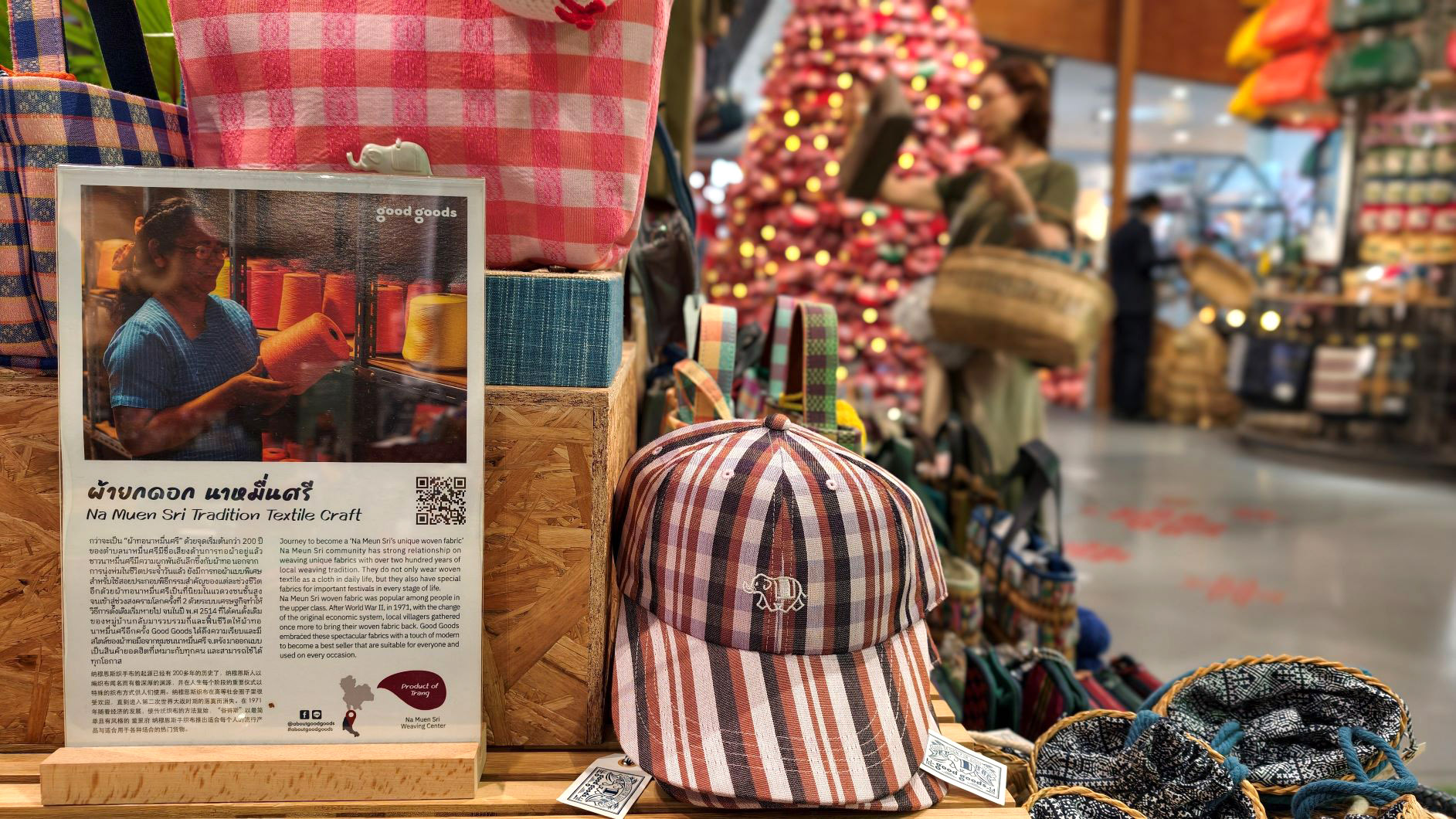
In 2024, Central Group's "Central Tham" — a plan to support local communities via the group's commercial platforms with Good Goods as one of its projects — generated an income of about 1.7 billion baht ($54 million), benefiting numerous local communities by improving their livelihoods and fostering pride and self-sufficiency.
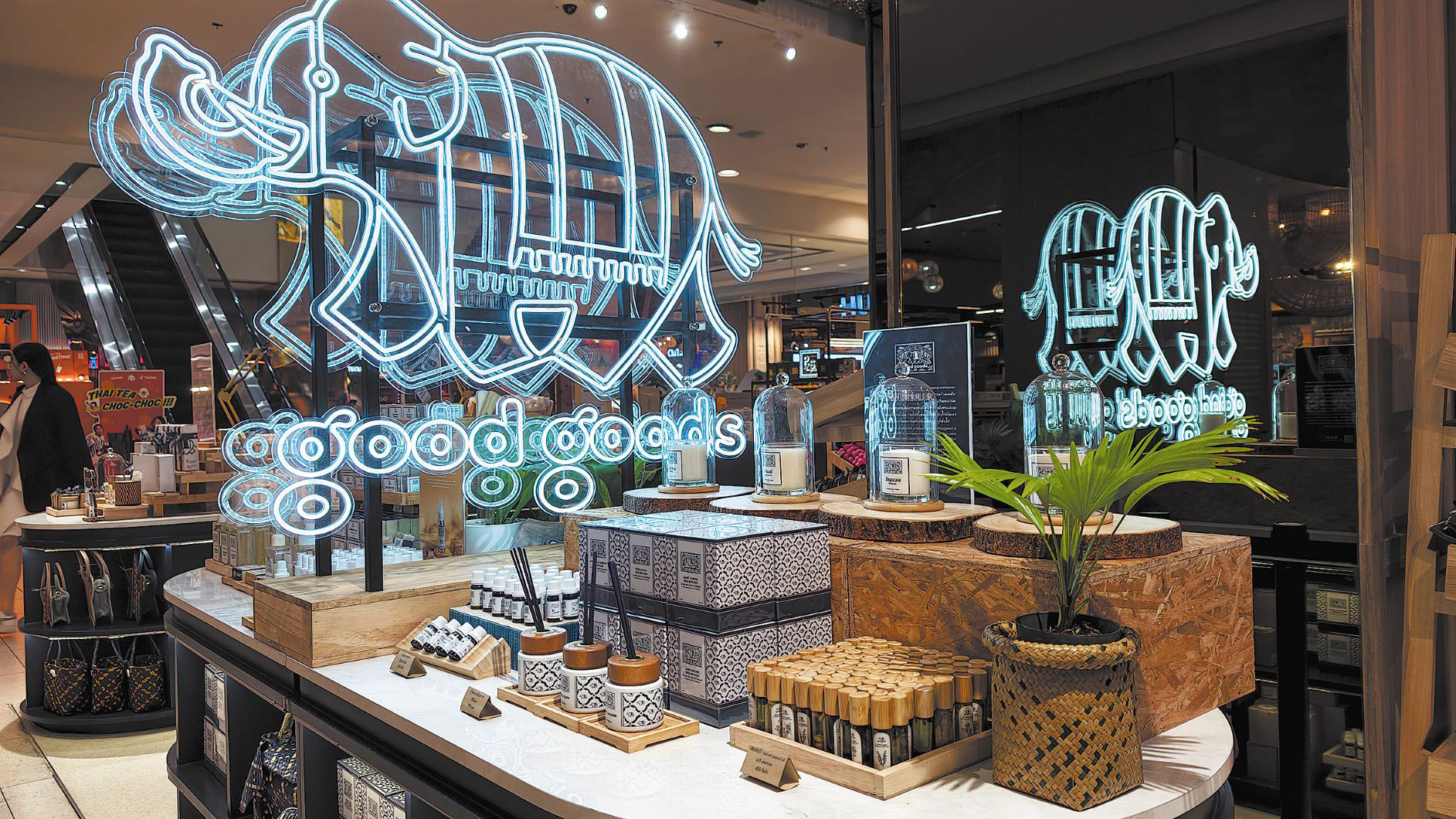
"We run Good Goods not just as a shop but as a Thai lifestyle brand for people to understand the kingdom through diverse products, including handicrafts, perfumes, coffee, and so on. In our shop, you can also enjoy fresh coffee from the organic farms we support," says Rachadol Yingpisutt, the head of the Good Goods brand, who revealed that the company will see its 10th store coming to northern Thailand soon.
The stores are all located in the group's malls across the country, with a design philosophy of incorporating community-based materials as key elements. Every corner of the shop tells a story and showcases the craftsmanship of Thai artisans from a variety of communities.
"We hope our shop can serve as a second home for visitors, somewhere they can meet friends, stay and appreciate Thai charm and quality crafts in a modern, accessible and heartfelt way," says Rachadol.
In the branch at the CentralWorld shopping mall in downtown Bangkok, new sections have been added recently for handmade Thai-style silver jewelry, as well as snacks made from organic vegetables and fruits that are grown locally, such as sweet potato chips, banana chips and crackers.
"Like many developing countries, including China, Thailand also faces the problem of young people migrating from rural areas to big cities for job opportunities and higher salaries," says Pichai.
"But the encouraging thing is that we have seen the trend going the opposite way since we began the project. More young people are willing to return to rural areas as they have noticed growing profits and opportunities."
He also says the concept of making high-quality Thai products that are then sold at affordable prices is appreciated and supported by local consumers. Before the COVID-19 pandemic, about 80 to 90 percent of Good Goods' customers were international tourists. But now, the proportion of domestic shoppers is increasing significantly.
While the brand has been expanding and developing, challenges have arisen in relation to merchandising and supply chain management. As the work involves people in rural areas, production can be unpredictable and sometimes lead to stock shortages. Catering to different cultural preferences and shopping behaviors is another challenge.
"For example, Chinese customers love handicrafts, while Europeans prefer understated, practical designs. Balancing these varied tastes and ensuring product consistency across regions requires continuous adjustment and learning, especially when entering new markets," Pichai says.
As Chinese tourists comprise a major portion of Good Goods total foreign consumers, Pichai says he has also studied Chinese creative industries and been inspired by new ideas.
ALSO READ: Beverage chains expand overseas footprint
"During my visit to China, I observed many creative and culture-based products that I could adapt using Thai fabrics or local elements to create unique offerings. They inspire me to make our products more fun and appealing. In the future, we may consider collaborating with Chinese brands to make products with limited editions," he says.
He also revealed a plan to bring the Good Goods brand to the Chinese market. "If we enter, I'd prefer to start with physical stores in cities like Shanghai or Beijing, combined with online sales, to provide a full brand experience rather than relying solely on e-commerce."
In the future, Pichai says the brand may also include more product categories, such as furniture and home decor. Behind all those efforts to bring local Thai products to a bigger international market under the Good Goods brand is Pichai's ultimate vision — eradicating poverty in his country.
"It is an ambitious and challenging goal. This is why we also initiated Central Tham, Central Group's sustainable program that includes Good Goods," Pichai says. 'Tham' means 'do' in the Thai language. We believe that miracles come true when we start to do the right things."
Contact the writer at yangwanli@chinadaily.com.cn
