

Hong Kong’s newly elected lawmakers have vowed to leverage their professional expertise to support Tai Po fire recovery, drive systemic reforms, and promote the city’s long-term growth.
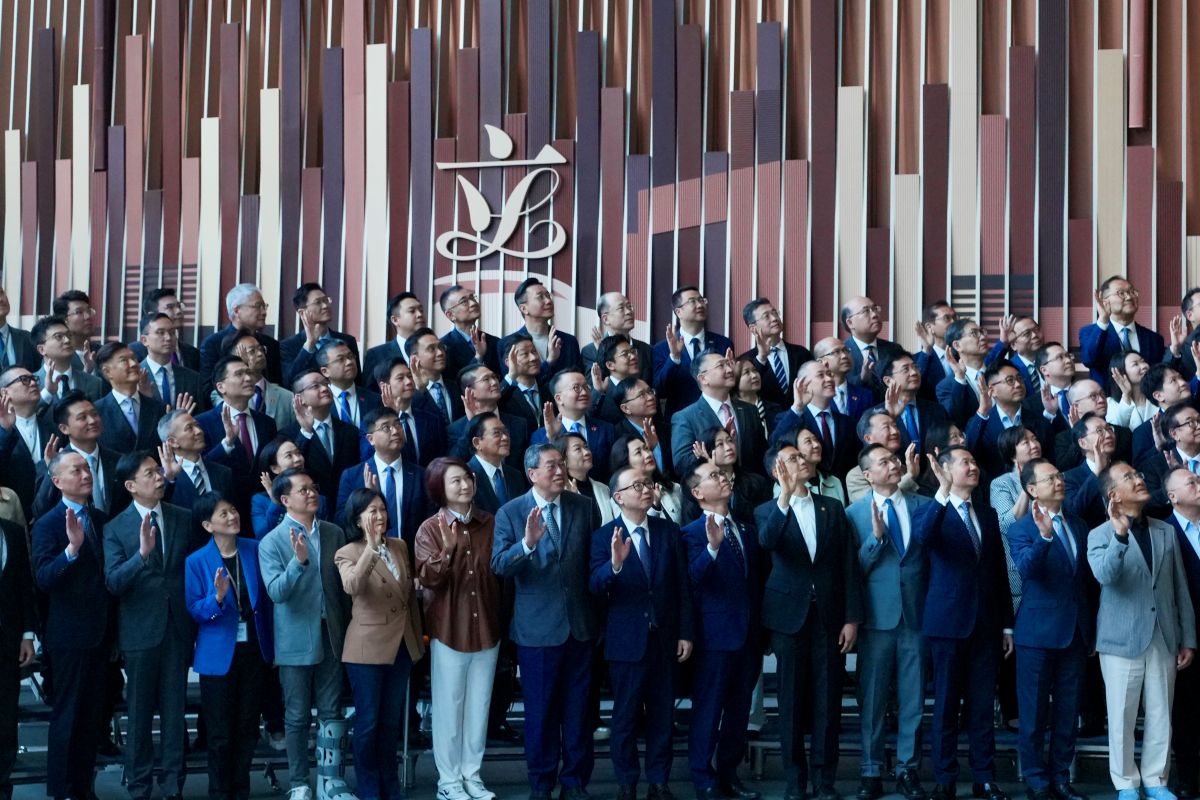
On Tuesday morning, the city’s incumbent and incoming legislators held a press briefing at the Legislative Council Complex — the first such event since 1998, when the first-term LegCo was established.
The new 90-seat legislature, formed through Sunday’s election, is set to begin its official term on Jan 1.
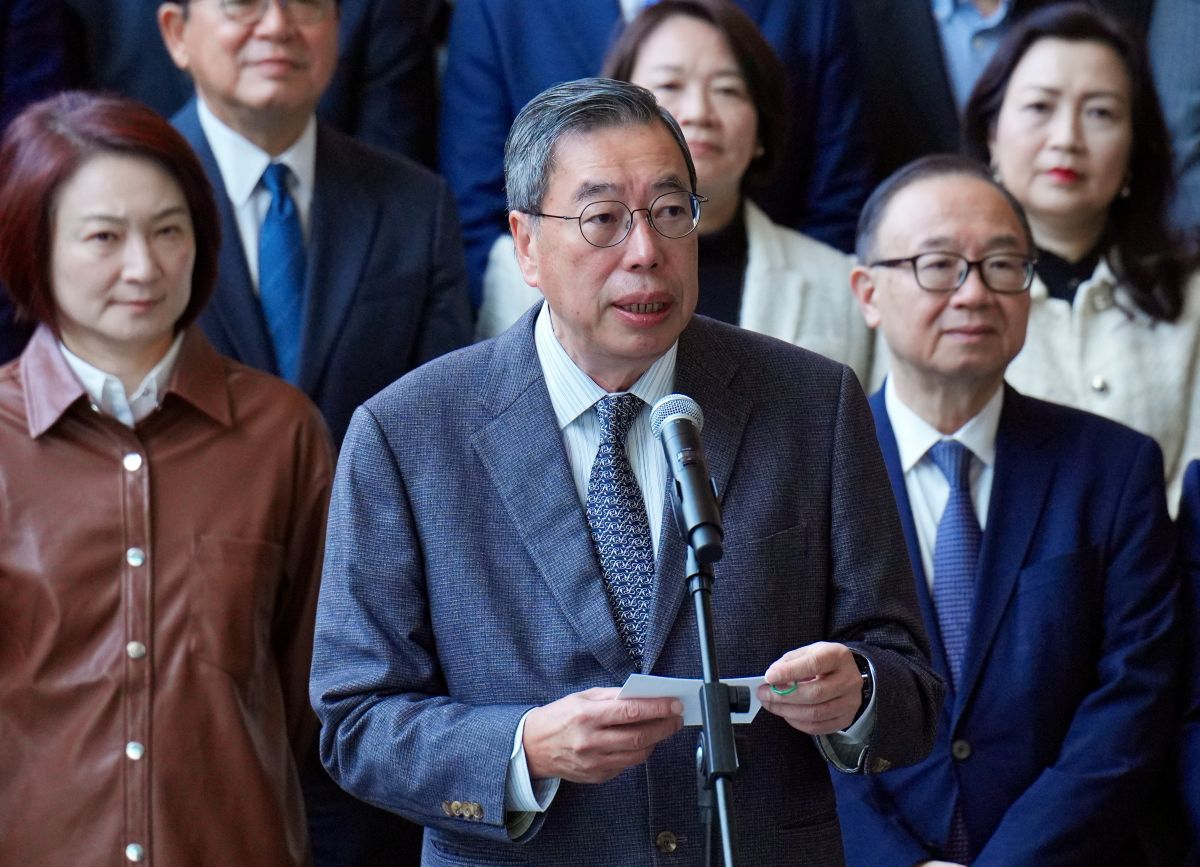
Outgoing LegCo President Andrew Leung Kwan-yuen said that over the past two weeks, the entire community had united in response to the deadly fire in Tai Po — which has so far claimed 160 lives and displaced nearly 2,000 households — with candidates suspending campaign activities to focus on supporting victims.
“It is a testament to the city’s solidarity in times of crisis,” Leung said.
RELATED ARTICLES
- HK election hailed as a milestone for democracy
- HK LegCo sees 40 new faces elected following 31.9% turnout
- Lee: Govt to drive reform with new-term LegCo
- HKMAO: Successful LegCo election is of milestone significance
In the face of major social disasters, Leung called on new legislators to work wholeheartedly with the Hong Kong Special Administrative Region government to support post-disaster relief and reconstruction, including reviewing and amending legislation, approving funding, and promoting systemic reforms to create a safer living environment for residents.
He also highlighted that the new LegCo comprises 50 re-elected lawmakers and 40 newcomers, encouraging both experienced and new members to enhance communication and collaboration to ensure continuity of expertise and commitment.
Several lawmakers-elect pledged to apply their specialized experience to support the Tai Po fire recovery efforts.
Julia Lau Man-kwan, elected through the architectural, surveying, planning and landscape functional constituency, said she hopes to use her professional knowledge and experience to “bring change to Hong Kong”, starting with post-fire recovery.
As a veteran architect and president of the Hong Kong Institute of Architects, Lau said she had gathered substantial professional feedback during the election campaign, which she had conveyed to stakeholders and the government.
Aaron Bok Kwok-ming, an incoming lawmaker representing the engineering sector and former president of the Hong Kong Institution of Engineers, also committed to using his expertise to support people affected by the Tai Po fire. He pledged to advocate for stronger regulations to ensure safer and more convenient living environments in Hong Kong.
Lawmakers-elect also expressed readiness to collaborate with the government to advance Hong Kong’s long-term development.
Peter Shiu Ka-fai, re-elected legislator for the wholesale and retail industries, highlighted that promoting economic growth is a priority for the new-term LegCo, particularly through leveraging technology to integrate the city into the national development framework, including the upcoming national 15th Five-Year Plan (2026-30). He also pledged to attract more international investors to Hong Kong.
READ MORE: Community leaders call for legislators to reform
Michael Ngai Ming-tak, one of 40 lawmakers from the Election Committee constituency and chairman of the Council of City University of Hong Kong, expressed his intention to promote coordinated development in education, research, talent, and finance.
He emphasized the need to fully utilize Hong Kong’s strong higher education resources to attract research talent, academics, students, and leading enterprises.
By fully capitalizing on the city’s academic strengths and the Guangdong-Hong Kong-Macao Greater Bay Area’s industrial base, Ngai said he believes Hong Kong’s economy will become more diversified and international. He is also committed to increasing local employment and creating more upward mobility opportunities for the city’s younger generation.
