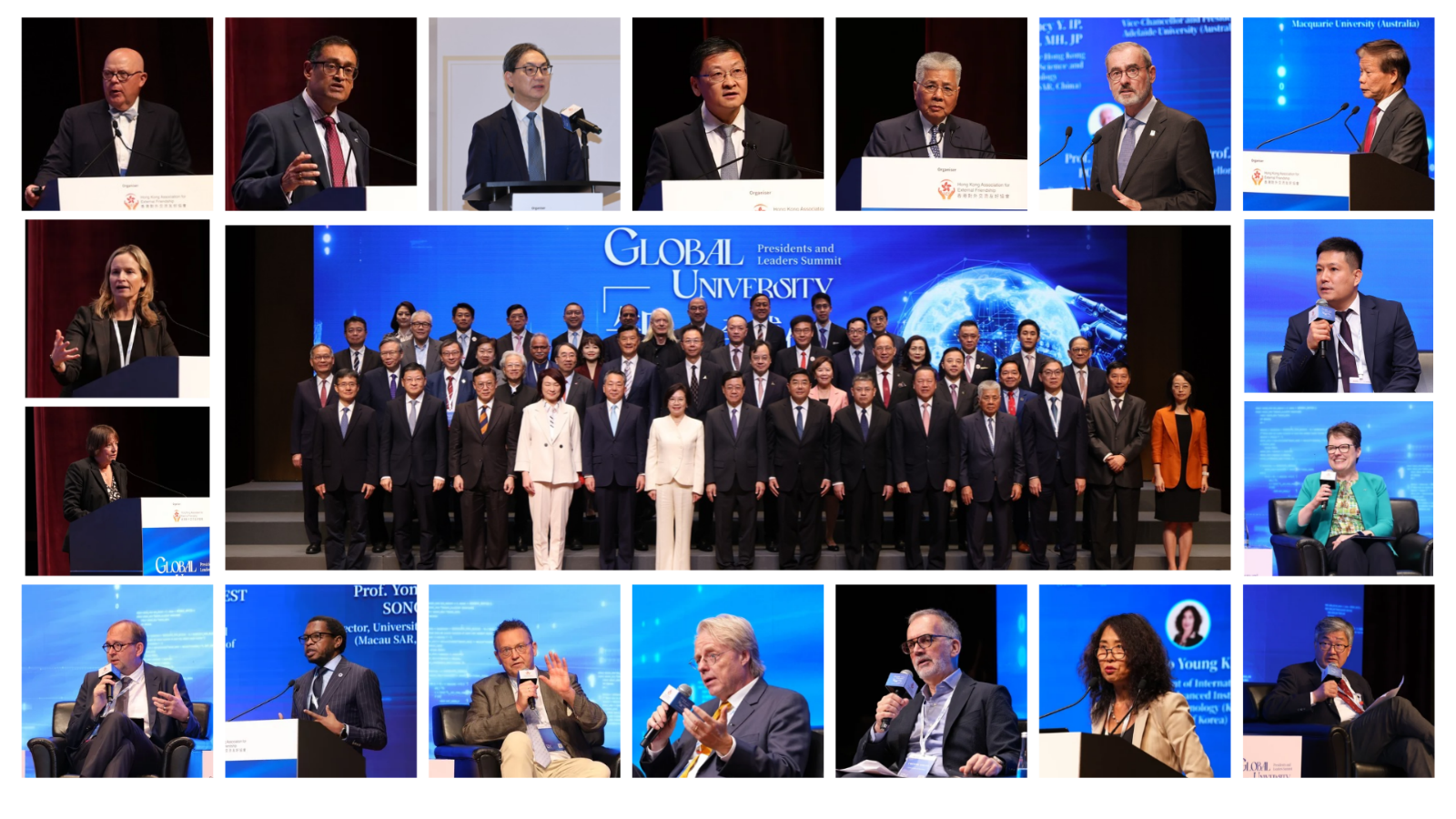
Organized by the Hong Kong Association for External Friendship (HKAEF) on Oct 27–28, the Global University Presidents and Leaders Summit 2026 (GUPLS) was held in a “1+2” format, with a principal session and two international forums on youth and law. It brought together presidents and senior executives from more than 50 overseas universities across over 20 countries and regions, alongside representatives of 10 Hong Kong universities.
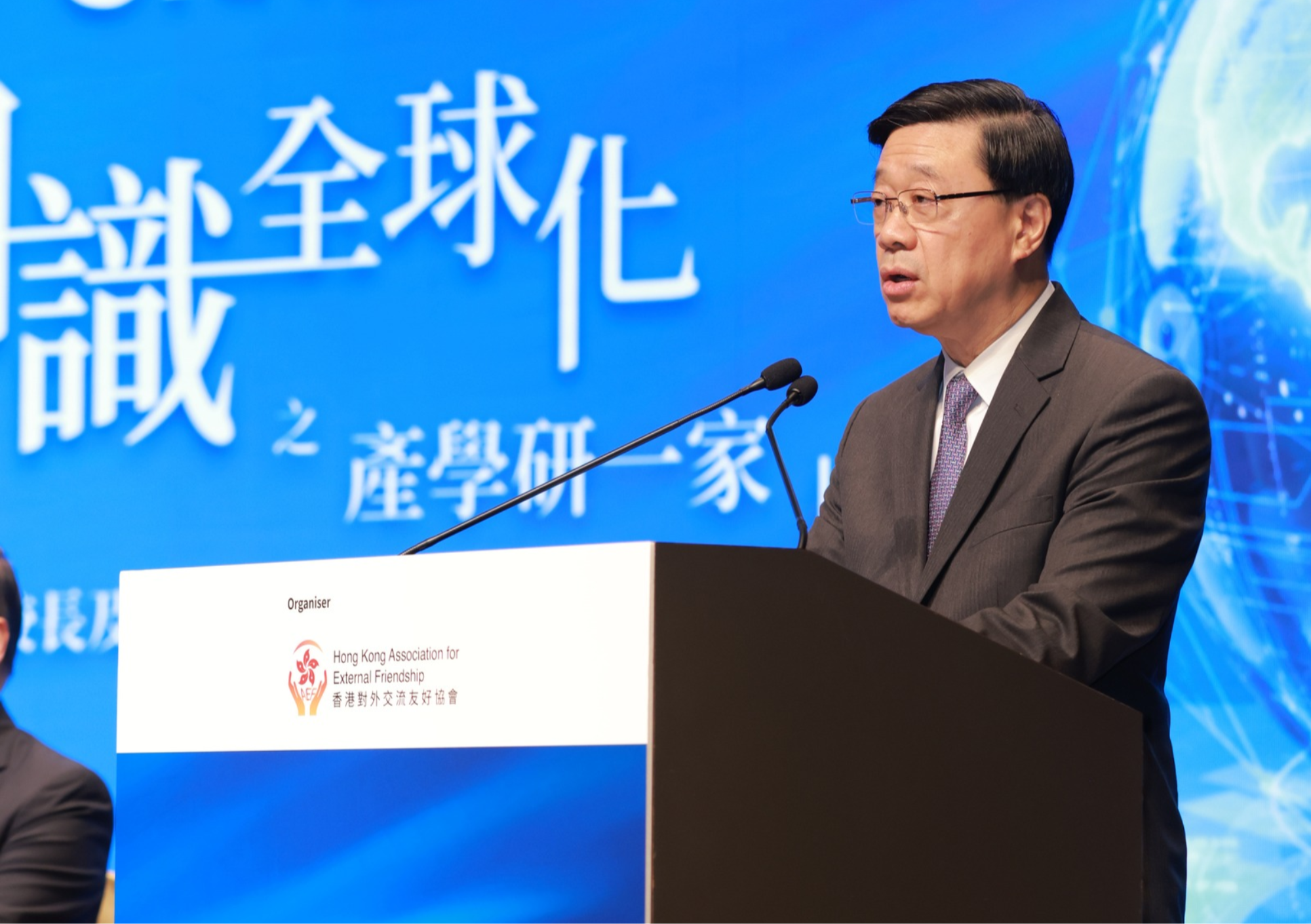
Chief Executive John Lee Ka-chiu set out Hong Kong’s strategic vision for the Northern Metropolis, describing it as a defining project for Hong Kong’s future and inviting overseas universities to participate in the development of its university towns. He underscored that the Northern Metropolis would create new space for education, innovation and international collaboration, thereby strengthening Hong Kong’s position as a global hub for talent and knowledge.
“In times like these, cooperation, not isolation, is the road to take,” Lee told participants, urging them to identify partners in Hong Kong and to contribute to the long-term development of the Northern Metropolis.
The summit was attended by senior officials of the Hong Kong Special Administrative Region government and prominent leaders from the property, financial and business sectors. It focused on the Northern Metropolis University Town under the theme of “Government–Industry–Academia–Research–Investment”, covering three core areas: higher education, the legal system and youth development.
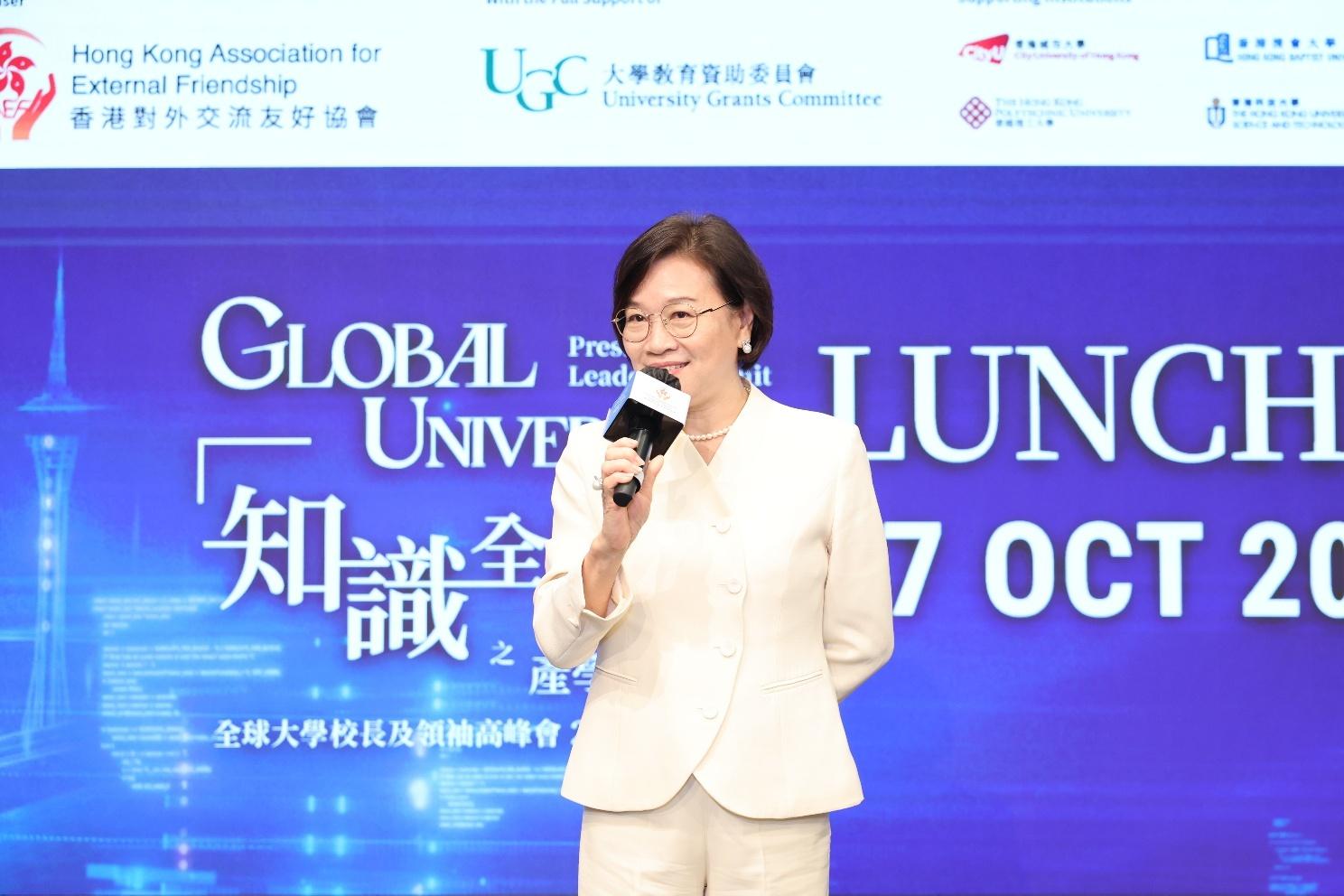
Professor Priscilla Leung Mei-fun, Founding President of HKAEF and Chairman of the Bills Committee on the Northern Metropolis Development Bill, stated that the summit reflected a clear direction for Hong Kong’s next stage of development. “We brought together government, industry, academia, research and investment because these sectors must work in concert if the Northern Metropolis is to succeed,” she said. “The dedicated legislation will afford partners across the globe greater certainty and confidence in their participation.”
Augustine Wong Ho-ming, Founding Vice Chairman of HKAEF, reflected that in an increasingly complex world, the bonds between people remain one of the most reliable foundations for cooperation and shared progress. The summit, he noted, served not only to advance ideas for the Northern Metropolis University Town, but also to reinforce the long-term partnerships essential to sustained collaboration.
Professor Zhao Yun and Cody Wang: An intergenerational dialogue on how space ventures can take root in the Northern Metropolis
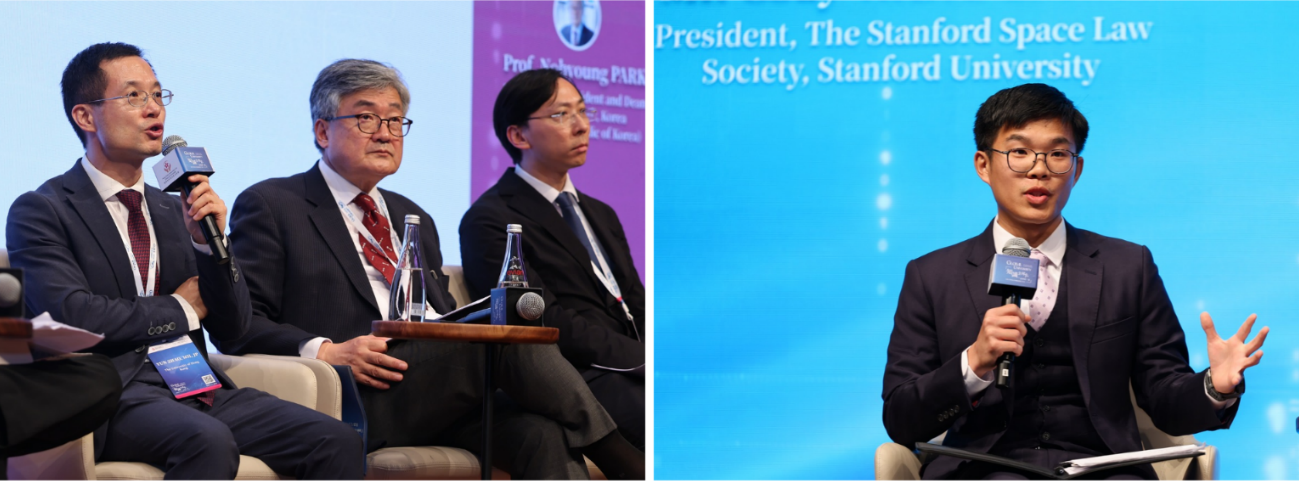
As space activity enters a new commercial era, the legal forums also featured an intergenerational dialogue on the emerging field of space law, an area increasingly relevant to Hong Kong’s ambition to remain a leading international center.
Space law expert Professor Zhao Yun from the University of Hong Kong observed that “from the 1980s, more and more private entities became interested in outer space. So we need to think about new rules”. He noted that no new international space treaties have been concluded since the 1970s, creating a regulatory gap as commercial space activity expands rapidly. Existing laws in Hong Kong, largely inherited from earlier legislation, may need updating to meet these demands. Zhao highlighted opportunities for Hong Kong in space asset financing, insurance, dispute resolution and registration.
Representing a younger generation, Cody Wang, President of the Stanford Space Law Society, said Hong Kong could leverage its status as an international financial center to support space ventures through financing. He noted that the city already has a satellite registration system and that local universities have conducted in-orbit experiments. Wang also pointed to the need for Hong Kong to develop local talent in deep technology and to adopt a longer-term approach, referencing Singapore’s earlier establishment of a space technology office in 2013. He observed that Hong Kong has many top young talents who are by no means inferior to those in Silicon Valley, and that the key is to retain these talents in the city.
Great thinkers are indispensable in AI era, 2026 Consensus is reached
Leung repeatedly placed human development at the center of the discussions, stressing that artificial intelligence must remain human-centered and that universities bear a responsibility to cultivate thinkers capable of independent judgment. “In the AI era, humanity must retain the leading role,” she affirmed. “Ultimate decision-making must remain in human hands.”
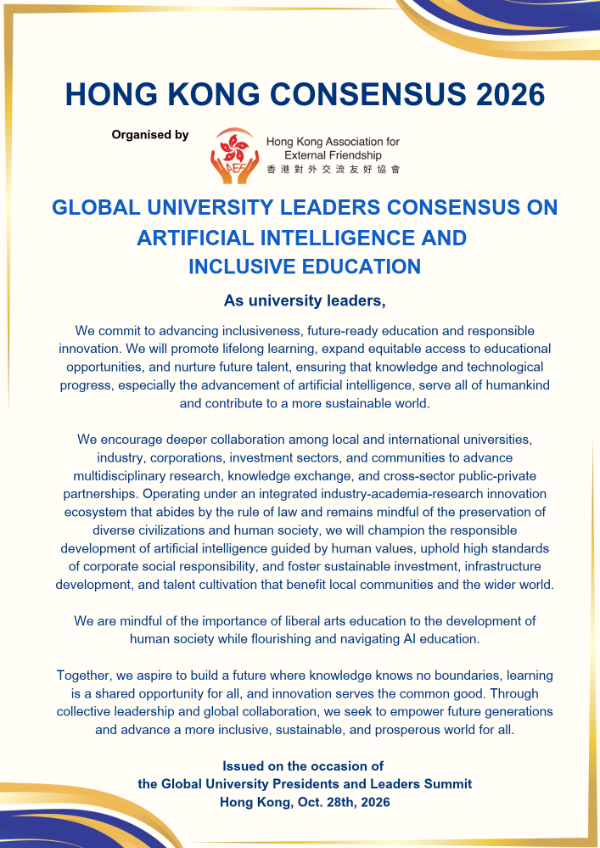
The GUPLS Summit was held in Hong Kong right before APEC Economic Leaders’ Meeting. At the summit, participating university leaders reached a clear consensus that AI education should advance with human values at its core. In a joint declaration, they committed themselves to fostering an integrated industry–academia–research innovation ecosystem that prioritizes human well-being. Leung observed that the consensus gave institutional expression to the principle that technological progress must remain guided by human judgment and values.
Main Session: Overseas university heads sharing views on success of university town
Against this backdrop of policy clarity and a shared commitment to human-centered development, overseas university leaders examined how institutions might contribute to the Northern Metropolis university towns. Leung noted that discussions on industry–academia collaboration and research commercialization demonstrated growing international interest. “Partners are seeking clarity,” she said. “The legislation is designed to provide it.”
Several overseas university heads offered practical perspectives on the conditions for success. Professor Girish Menon from Lucy Cavendish College, University of Cambridge (United Kingdom) spoke highly of the Northern Metropolis University Town blueprint. He described the government-led, long-term approach that deeply integrates government, industry, academia and research as something that may never have been seen before on a global scale, and said Hong Kong is well positioned to become a pioneer in setting international benchmarks for successful university towns. “When knowledge crosses borders, humanity advances together,” he added, stressing that universities should also remain closely connected to local communities rather than standing apart from society.
Professor Lam Khin Yong from Nanyang Technological University (Singapore) outlined a four-stage framework he termed PACE (Public support, Advance and accelerate talent, Collaboration with industry, and Engage globally). He explained that the project’s prospects would be significantly enhanced if it secured strong public support, accelerated talent attraction, deepened collaboration with industry, and engaged globally. “With these four steps, the chance for success for the Northern Metropolis University Town is much greater,” he said, adding that attracting talent from outside Hong Kong would be particularly important.
Professor Bruce Dowton from Macquarie University (Australia) used his university’s experience in developing an adjacent innovation district as a reference. He highlighted the role of physical planning, incubators and shared spaces in bringing universities and industry together. “Universities can create convening spaces where partners come together,” he noted, stressing the importance of long-term coordination between government and academic institutions.
Professor Bill Flanagan from the University of Alberta (Canada) drew a parallel with the founding of his own university more than a century ago. He said the decision to establish a university at a time when Alberta was still sparsely populated reflected foresight that higher education could drive long-term development. “A university can be a foundation for extraordinary development,” he observed, suggesting that a similar vision underpins the Northern Metropolis University Town.
Doctor Yertay Sultan from Abai Kazakh National Pedagogical University (Kazakhstan) stated that he originally had “never heard of the Northern Metropolis University Town at all.” After the summit, he expressed a strong willingness to research Hong Kong’s advantages as an educational hub and requested further information for discussions upon his return.
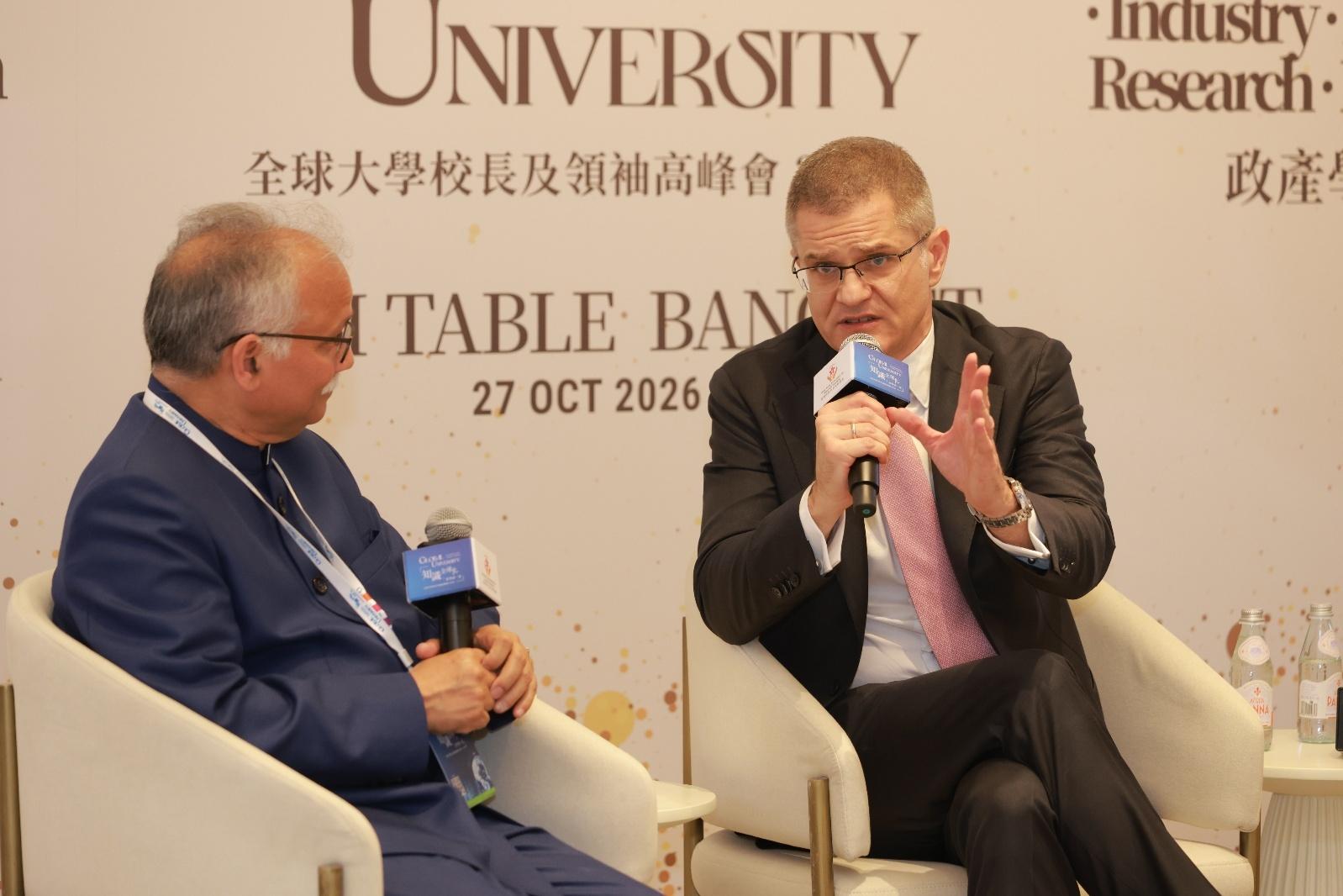
Vuk Jeremic , President of the 67th session of the United Nations General Assembly, stated that “Hong Kong should be more ambitious about its role” as China’s superconnector, contributing to the country’s continued growth and rising significance in global affairs, while promoting global stability and win-win cooperation. He further expressed the hope that this role would be institutionally strengthened within the framework of multilateral cooperation.
Legal Session: Hong Kong’s role as an international legal hub under the ‘one country, two systems’ framework
The legal forums examined the frameworks required to support international cooperation in the Northern Metropolis and beyond. Deputy Secretary for Justice Cheung Kwok-kwan highlighted Hong Kong’s role as a natural partner for Belt and Road economies, noting that capital follows confidence and confidence is built on law. He pointed to the establishment of the International Organization for Mediation’s headquarters in Hong Kong in October 2025 as further affirmation of the city’s position as a leading legal hub. Professor Teresa Cheng, Secretary General of the International Organization for Mediation, explained the value of mediation for Belt and Road initiative. “When we talk about the Belt and Road Initiative, one of the very important elements is that of a shared contribution, a shared building together, and of course, sharing the benefits,” she said.
Professor Priscilla Leung described the Northern Metropolis dedicated legislation as a “Double Special Zone” that would furnish greater legal certainty for investors. Speakers from Pakistan and Nepal also discussed opportunities for legal collaboration grounded in shared common law traditions.
Laurence Brahm on Hong Kong’s enduring spirit
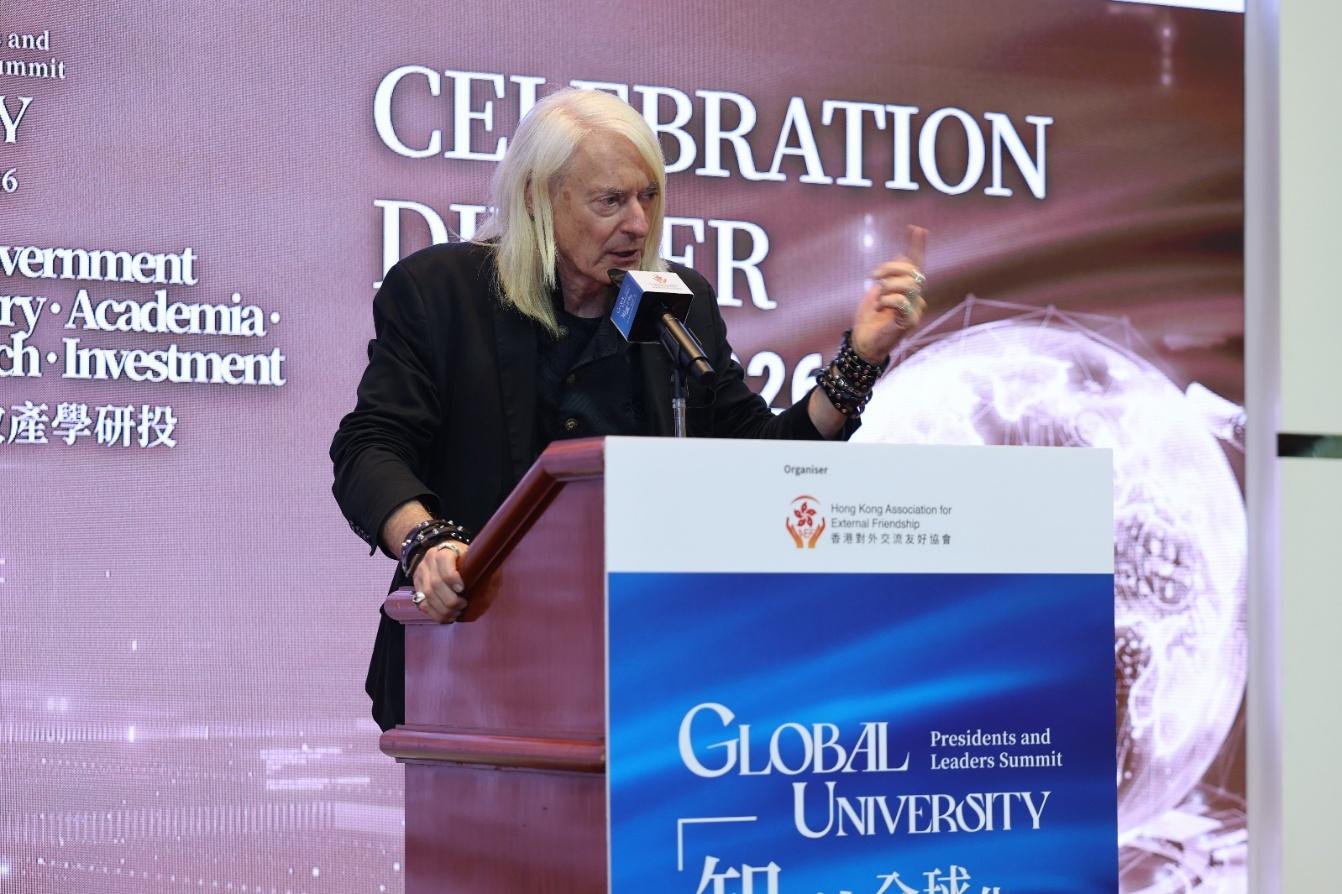
Laurence Brahm, Founding Vice-Chairman and Director of International Cultural Exchange of HKAEF, reflected on the qualities that have long defined the city. “What are we about in Hong Kong? We are about change,” he said. “Hong Kong is always changing, always reinventing itself, always evolving itself. Hong Kong people have enormous elasticity, versatility, and creativity. And that creativity is our continued future.”
His words echoed the spirit of the summit itself, a gathering that sought not only to discuss new frameworks for the Northern Metropolis and emerging fields such as space law, but also to reaffirm Hong Kong’s capacity to adapt and lead in a rapidly changing world.
Across its sessions, the summit established a common direction for further engagement, placing human-centered AI education and cooperation among government, industry, academia, research and investment at its core.
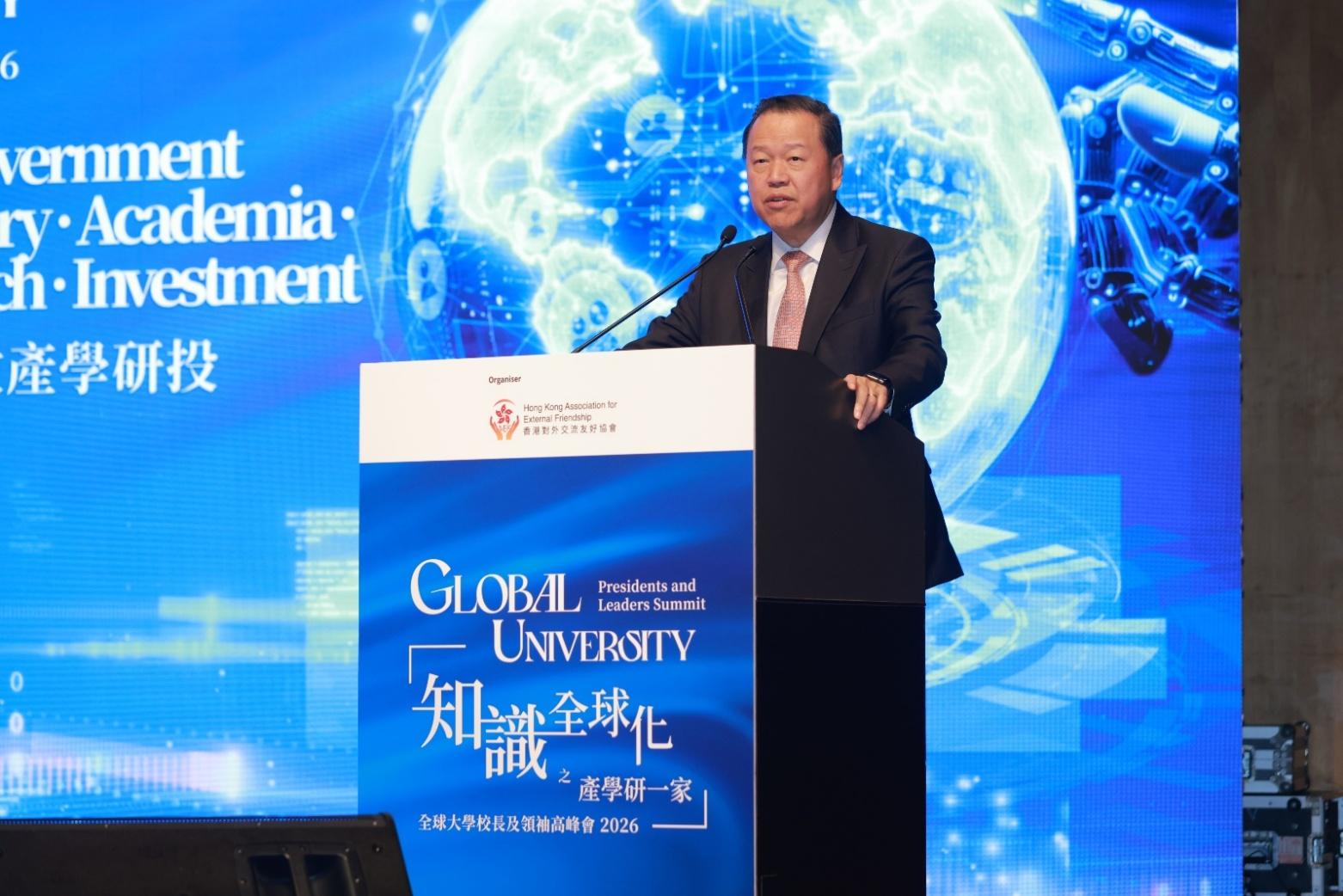
In the closing remarks, Tim Lui, speaking on behalf of the University Grants Committee, highlighted that the summit had examined the issues shaping the future and offered insights to universities and partners at the city, national and global levels, pointing to Hong Kong’s role as a superconnector in translating knowledge into real-world progress.
As the discussions drew to a close, Professor Priscilla Leung observed that the Northern Metropolis is advancing from concept to concrete partnership. “The earlier partners come,” she said, “the greater the opportunities they will find.”