

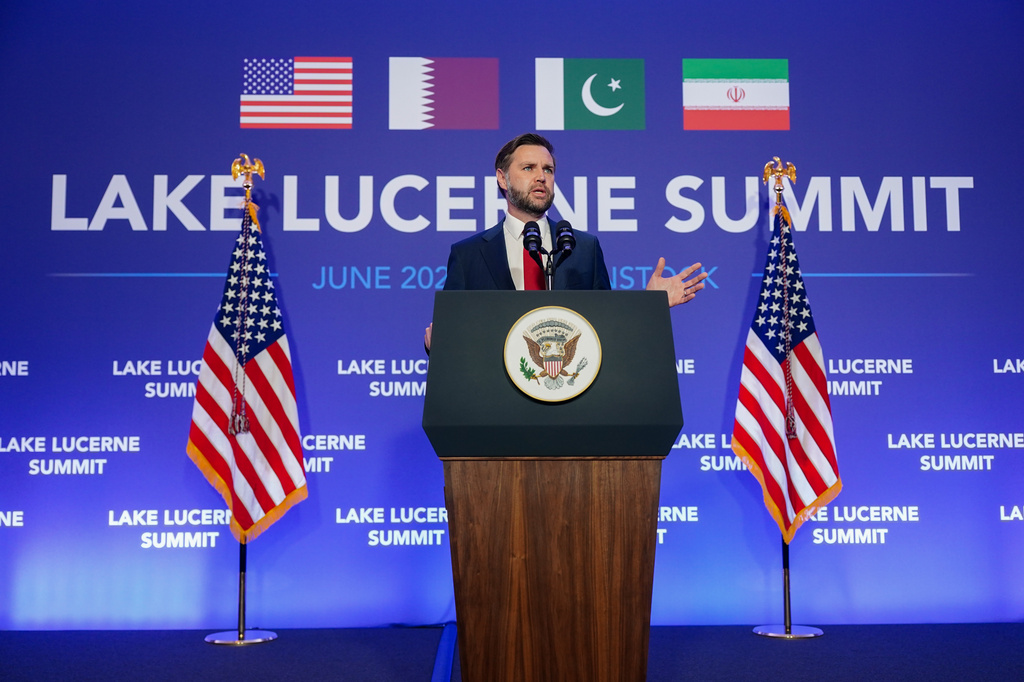
TEHRAN — Tehran has received a letter from US Vice President JD Vance to Iran's top security official, but has not responded yet, the semi-official Tasnim news agency reported on Thursday.
Citing follow-ups by its correspondent, Tasnim said Iran insists the US fulfill its seven conditions and that "any position that disrupts this definitive framework of Iran is unacceptable."
The Wall Street Journal reported on Wednesday that Vance had sent a letter to Secretary of Iran's Supreme National Security Council Mohsen Rezaei to restart peace negotiations and avoid another war between the two countries.
It quoted a source as saying that the letter was sent at the direction of US President Donald Trump, adding that "Vance is testing whether Tehran and Washington could find enough common ground to persuade Trump not to give a final order for a short, intense attack on Iran in the coming weeks."
Last week, Trump said, "We're not negotiating with them (Iran); we are going to have something one way or another, it'll happen soon."
ALSO READ: Iran in contact with mediators to ensure 7-day plan's implementation
Iran conveyed a seven-day plan containing its conditions for ending the war and reopening the Strait of Hormuz to the US through mediators on the sidelines of the 81st session of the UN General Assembly in New York on Sept 22, following which Tehran and Washington have reportedly continued exchanging messages on the proposal.
In a post on social media platform X on Wednesday, Iran's Foreign Minister Seyed Abbas Araghchi said, "We remain in close and ongoing contact with intermediaries to review ideas that can ensure implementation of our 7-Day Plan in even less than a week."
Araghchi added that while Iran's armed forces are "fully prepared," Tehran "continues to give diplomacy a chance to succeed."
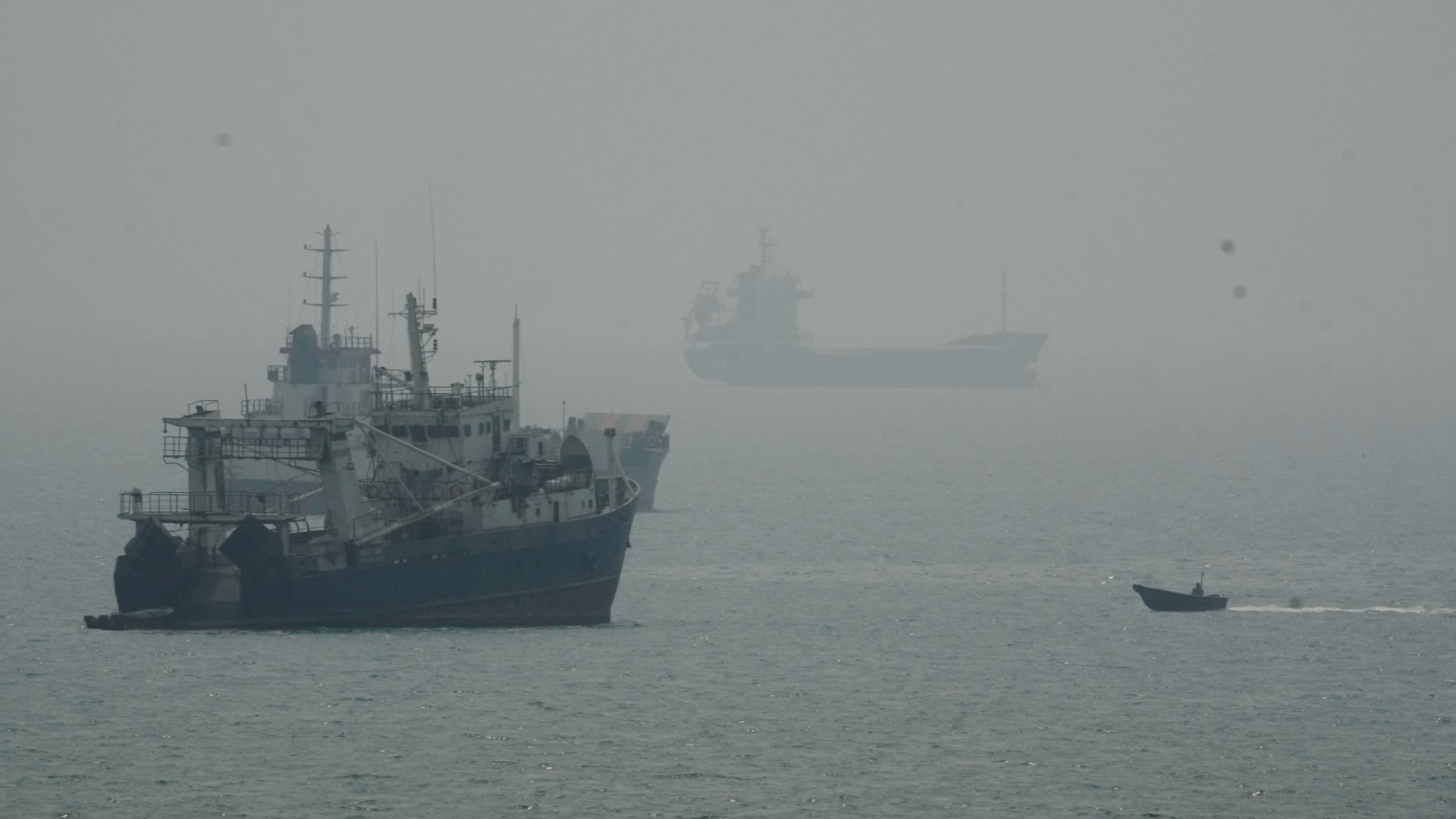
IRGC: 3 oil tankers hit mines in Hormuz
The navy of Iran's Islamic Revolutionary Guard Corps (IRGC) announced on Thursday that three "violating" oil tankers that sought to cross the Strait of Hormuz through the "unauthorized" route south of the waterway exploded and caught fire after striking naval mines over the past 24 hours.
In a statement on the IRGC's official news outlet Sepah News, the navy said the vessels were abandoned off the strait's southern coasts.
It added the oil tankers had turned off all their radar and navigation systems and were trying to exit the strait through the "unauthorized" southern route in disregard of its warnings.
The IRGC Navy warned that the route has been mined and that vessel owners and crew will be responsible for the consequences of passage through it, stressing that they should not pay attention to US Central Command's "delusions" on social media.
ALSO READ: Mecca pact members, Iran agree to continue talks on regional peace
It underlined that reality will be determined on the ground, and that any provocative action taken with the "aggressive US Army's support and malice," which disregards the regulations governing the strait, will be met with a decisive response.
Iran tightened its grip on the strait on Feb 28, barring safe passage of vessels belonging to or affiliated with Israel and the US following their joint strikes on Iranian territory.
In a separate statement on Thursday, the IRGC Navy said its electronic warfare unit managed within the preceding hours to take control of the guidance and navigation systems of a US Army MQM-170 Outlaw "espionage and decoy" drone west of the strait and land it safely.
It added that the drone had been tasked with identifying Iran's air defense systems along the southern coasts, and data recovery showed it had taken off from the coast of a regional country.
In another statement on Thursday, the IRGC said its aerospace division's air defense systems shot down an MQ-1 Predator drone east of the strait within the preceding hour. It was the 14th MQ-1 intercepted by its air defense forces in recent months.
