

Beyond traditional study, the space is a launchpad for student-led AI development, theater, and ancient book restoration, fostering an atmosphere of invention, Chen Ye reports in Hangzhou.
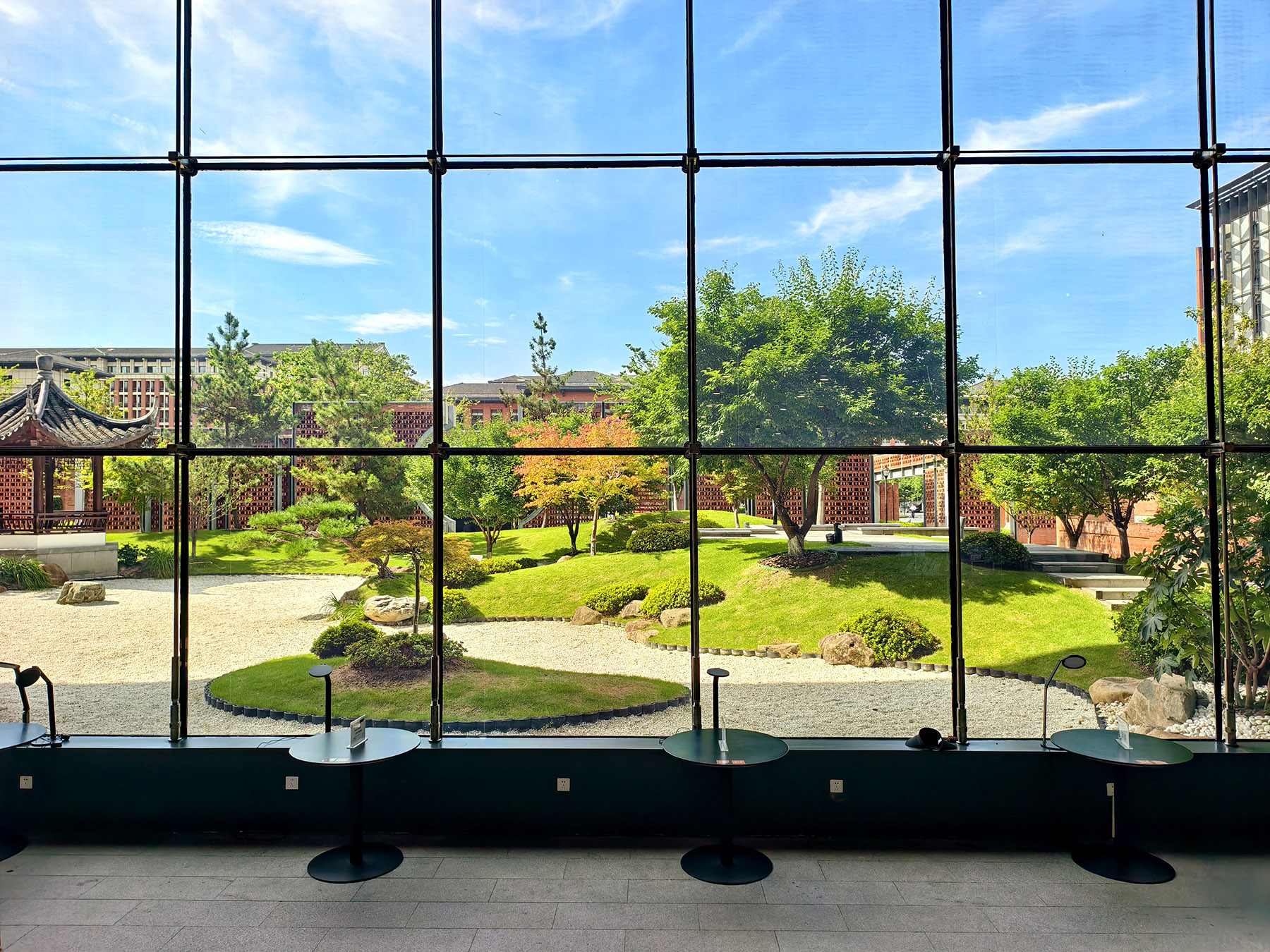
Zhejiang University Library is expanding its role beyond a place for reading and study, creating spaces where students can turn knowledge and ideas into AI applications, theatrical productions and exhibitions, and even step into the shoes of ancient-book restorers.
At the library's X-Lab innovation workshop, six students sit at computers, debugging AI agents they have designed themselves. Zhang Yuning, a student at Zhejiang University's School of Medicine, feeds a clinical case into a prototype. The system extracts the patient's chief complaint, clinical examinations and diagnostic evidence, generates a timeline, divides tasks among group members and estimates the time required. Within moments, the outline of a PowerPoint presentation takes shape.
"The task-allocation assistant is designed to save students from repetitive work so they can focus on deeper investigation," Zhang says. These tools can also assist with differential diagnosis, imaging examinations and literature searches.
ALSO READ: Old books, new tools
Zhang's project is part of a vibe-coding application development workshop cocreated by the library and its students, reflecting a broader shift in how the university library is being used — from a repository of knowledge to a platform where students can experiment, collaborate and create.
"Beyond traditional functions such as borrowing books and self-study, we want to put the 'stage' in students' hands and help them move from 'readers' to 'creators'," says Wang Yuan, Party secretary and deputy director of Zhejiang University Library.
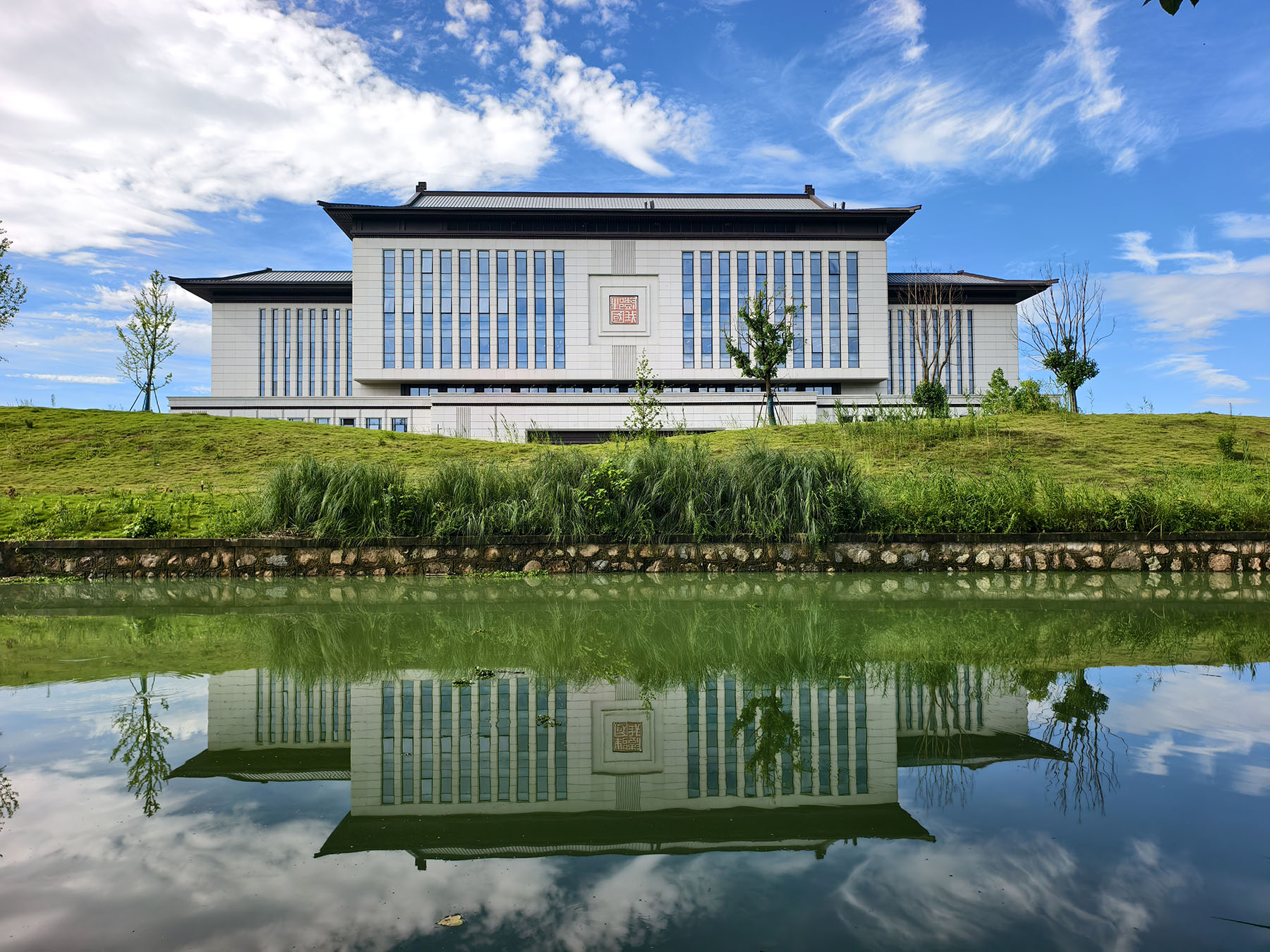
The change is rooted in a simple idea: giving students more than just access to knowledge.
Yang Xing, a doctoral student at Zhejiang University's School of Marxism and lead instructor of the workshop, says many students outside computer-related disciplines already know how to use conversational AI, but mainly for asking questions or generating content.
The workshop aims to help them turn real-world needs into practical tools and complete the transition from "knowing how to use AI" to "using AI to create".
"The collaborative space, terminal equipment and computing power provided by X-Lab make such intensive hands-on practice possible," Yang says.
But creation at the library does not begin and end with technology.
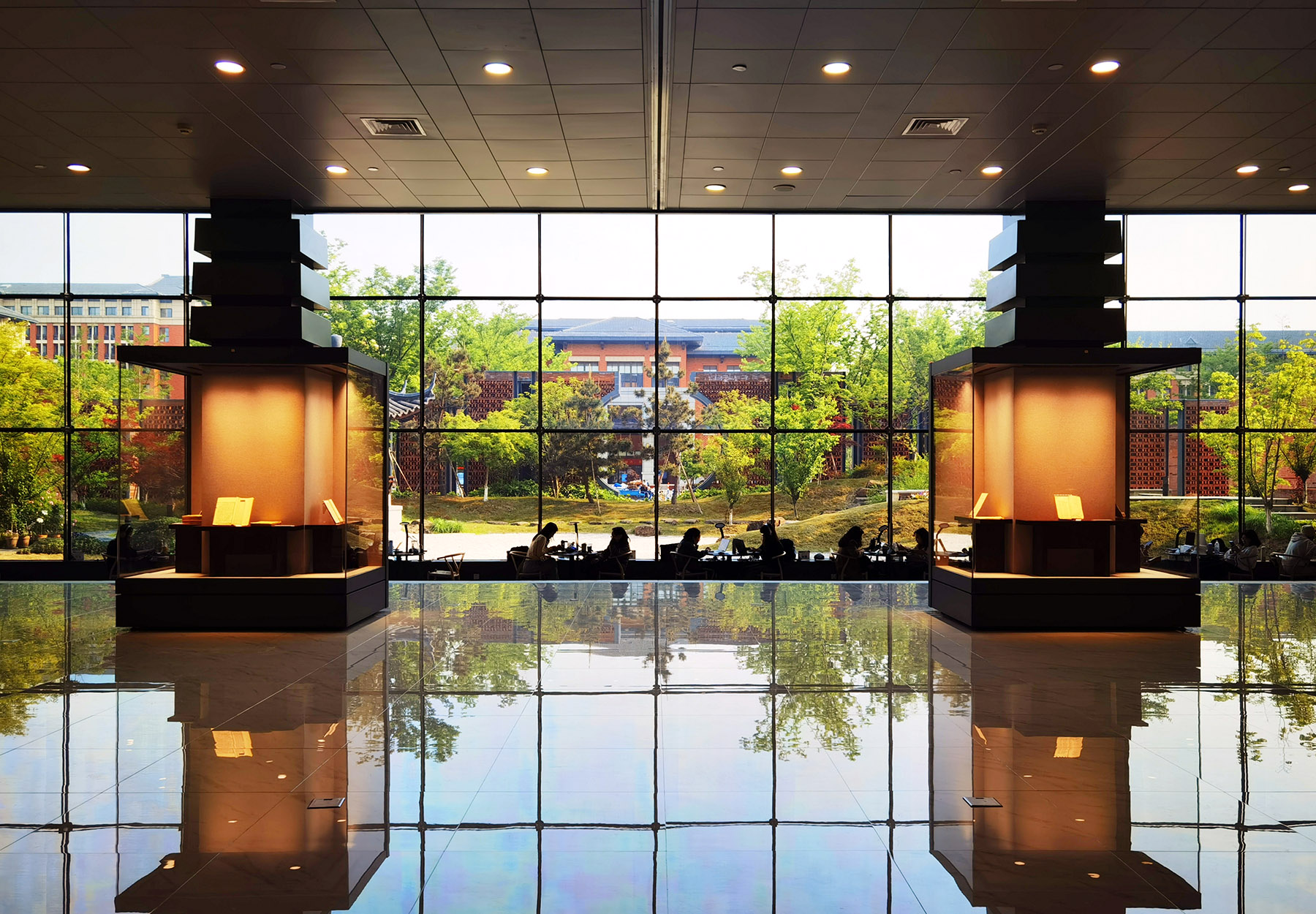
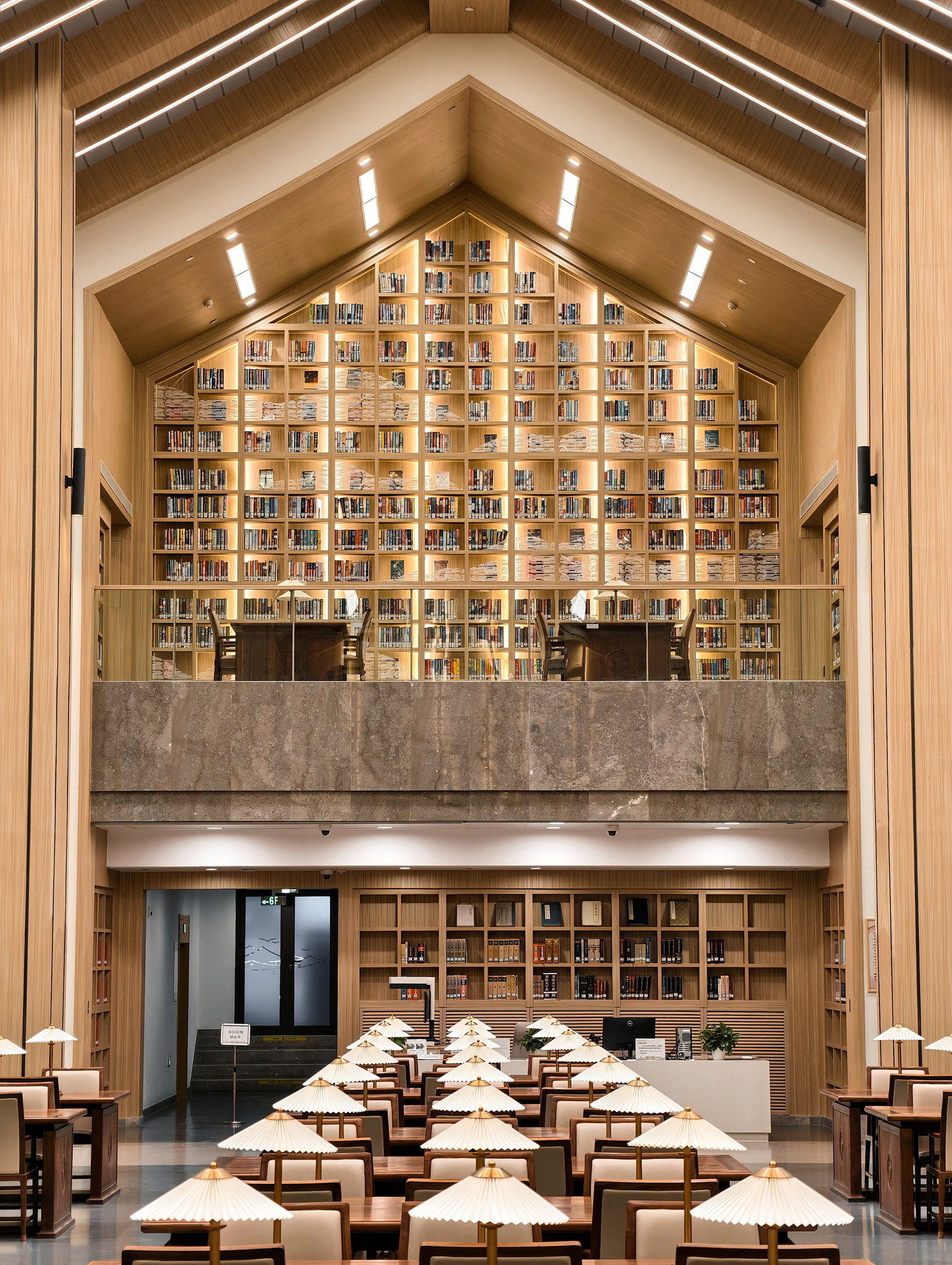
At Guantong Hall, a cultural program titled "Symphony of Time and Space: A Trans-era Dialogue Between Chinese and Western Civilizations" has found another way to connect students with the library's rich collection of classics.
Located on the sixth floor of Zhejiang University Library, Guantong Hall consists of a central reading space and surrounding galleries. Its 12-meter-high ceiling resembles an inverted scroll, while the hall houses a rich collection of Chinese and foreign classics.
"Books are displayed there, but it is difficult for students to truly get close to them, so we wanted the people in the books to step out," says He Dongyang, a librarian with the library's Reader Services Department.
The idea came to life last year when the immersive play A Night at Guantong Hall was staged after the library closed. Its two-story setting corresponded to the play's themes of life and death, dream and reality. Tickets for the premiere sold out within 16 seconds.
The entire production was created by students, from directing and writing to acting, with participants from disciplines including philology, law and biology.
"After watching the play, students may want to pick up The Peony Pavilion and Romeo and Juliet again and experience the atmosphere and charm of classic literature," says Wang Yilin, a doctoral student at Zhejiang University's College of Literature and a Kunqu Opera enthusiast, who played both Du Liniang, the main character in The Peony Pavilion, and Wu Yuying, the wife of Tang Xianzu, in A Night at Guantong Hall.
For other students, the library is becoming a place to shape a reading culture of their own.
Qiuzhi Book Club, also known as the Quest for Knowledge Book Club, a student association guided by the library, holds 16 reading sessions each academic year and organizes activities including a reading challenge and a 21-day reading campaign. At the start of the new semester, students also curated an exhibition in the library's READ Recommended Books section, handling everything from selecting the theme and books to designing and promoting the display.
"We want to give freshmen a map for reading, helping them find their own paths between classics and new knowledge, and between themselves and modern times," says Luo Congjing, president of the club.
The same spirit can be found in the ancient-book restoration room, where reading becomes a hands-on encounter with history.
Yu Xiaoran, a doctoral student at Zhejiang University's College of Literature and president of the Zijin Ancient Book Preservation Club, bends over a restoration table, using a brush and tweezers to repair documents dating back to the Daoguang period of the Qing Dynasty (1644-1911).
"Learning ancient-book restoration takes a long time," Yu says. Students first learn theory and bookbinding, often starting by replacing the covers of old books before gradually moving on to document restoration.
Her doctoral research focuses on Tang Dynasty (618-907) literature. The restoration work has also changed the way she reads.
"After restoring ancient books, when I look at the Tang Dynasty epitaphs and Dunhuang manuscripts in the collection, many of the characters no longer look like a foreign language to me," she says.
The students have even taken the traditional craft into the digital world. Computer science students involved in the club developed a mini-program that allows the public to experience "a day in the life of an ancient-book restorer" online and learn about the centuries-old craft.
Zhejiang University Library traces its origins to the library of Qiushi Academy, established in 1897. By the end of 2025, its physical collection had reached 7.039 million volumes, including more than 180,000 volumes of thread-bound ancient books.
More than a century after its founding, the library's young visitors are no longer simply readers.
They are developing AI applications, bringing classics to the stage, curating exhibitions and restoring ancient books.
From reading to "making", books remain the starting point — a way to understand the world, discover oneself and explore a wider horizon.
And as students turn what they find in the library into new ideas, works and tools, they are also opening up new possibilities for the library itself.
Contact the writer at chenye@chinadaily.com.cn
