

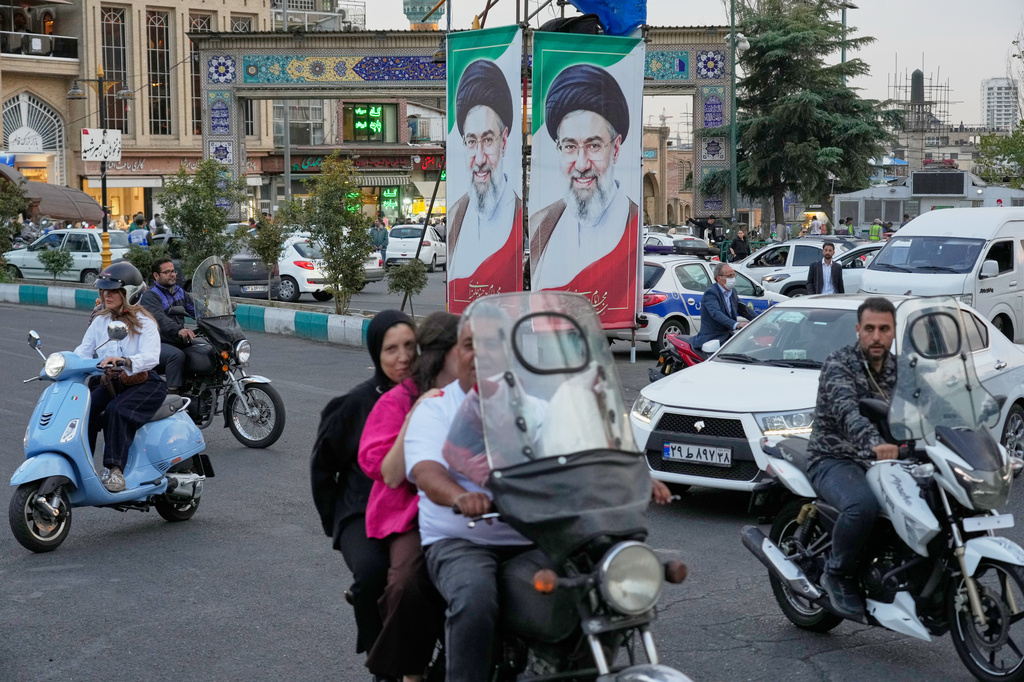
TEHRAN/LONDON/BAGHDAD – Iran's Supreme Leader Mojtaba Khamenei met with Parliament Speaker Mohammad Baqer Qalibaf on Wednesday to review the latest developments surrounding the US-Israeli war against Iran and discuss ways to bolster national resilience, according to a statement published on the leader's website.
The meeting highlighted the necessity to strengthen the country's components of power and the Iranian lawmakers' effective role in maintaining and fostering social solidarity, the statement said.
Discussions also covered the need for continued public engagement, the commitment of the government and parliament to expanding cooperation to resolve the people's economic and livelihood-related problems, and the advancement of affairs related to the country's strategic partners.
Qalibaf presented reports on parliamentary activities since the beginning of the 40-day war and the parliament's current and future plans to address the country's issues, according to the statement.
ALSO READ: Netanyahu says discussed overthrowing Iran's govt with Trump
Also on Wednesday, Iran's Foreign Minister Seyed Abbas Araghchi warned in an article published in the Financial Times that any further escalation around the Strait of Hormuz or elsewhere in the West Asia region could seriously endanger civilian lives, regional security and the global economy.
Araghchi said Iran is fully prepared to defend itself, while stressing that the country remains willing to give diplomacy another chance if it sees clear evidence that Washington is genuinely willing to pursue a "fair and dignified" solution aimed at ending the conflict.
Britain, Oman agree on need to open Hormuz
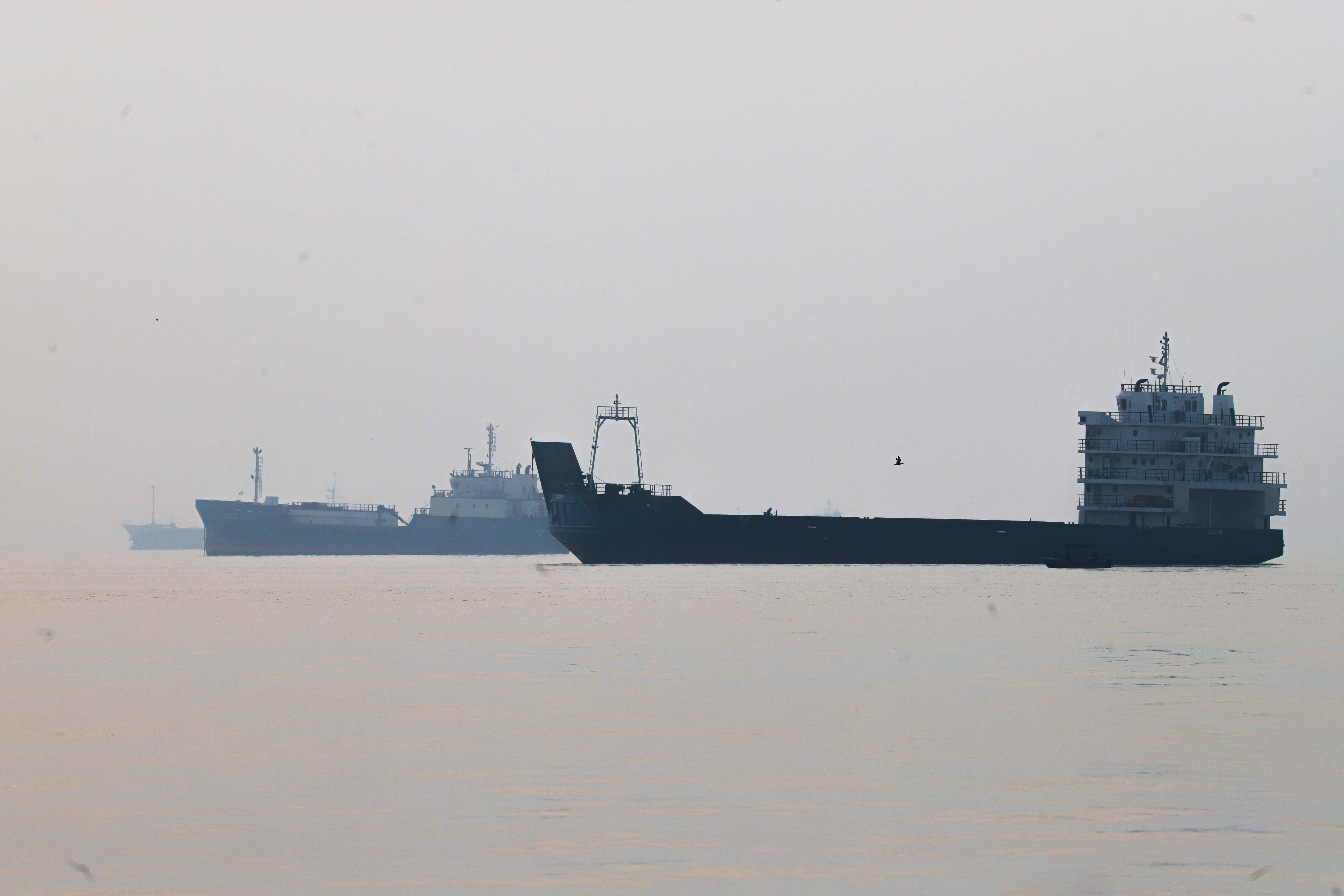
During a meeting in Downing Street on Wednesday, British Prime Minister Andy Burnham and Oman's Sultan Haitham bin Tariq agreed on the need to open the Strait of Hormuz, according to a statement released by the British government.
Reopening the Strait of Hormuz would reduce the pressure on global supply chains and ease the impact on people at home, said Burnham.
Turning to the situation in the Middle East, Burnham underlined the key role Oman plays in regional stability, and gave his thanks for the Oman's work for reopening the Strait of Hormuz, according to the statement.
Iraq closes border crossing with Iran
In another development, Iraq closed the al-Sheeb border crossing with Iran in southern Maysan province effective Wednesday morning until further notice, a security source told Xinhua.
The source, speaking on condition of anonymity, said the closure started at 6:00 am local time (0300 GMT) on Wednesday, without specifying the reasons.
READ MORE: Pezeshkian: Tehran rejects imposition of demands by force
In September, Iraq also temporarily shut three border crossings with Iran, including al-Sheeb, in response to attacks originating from Iraqi territory targeting Saudi Arabia, a move aimed at reinforcing regional security and tightening border control.
