

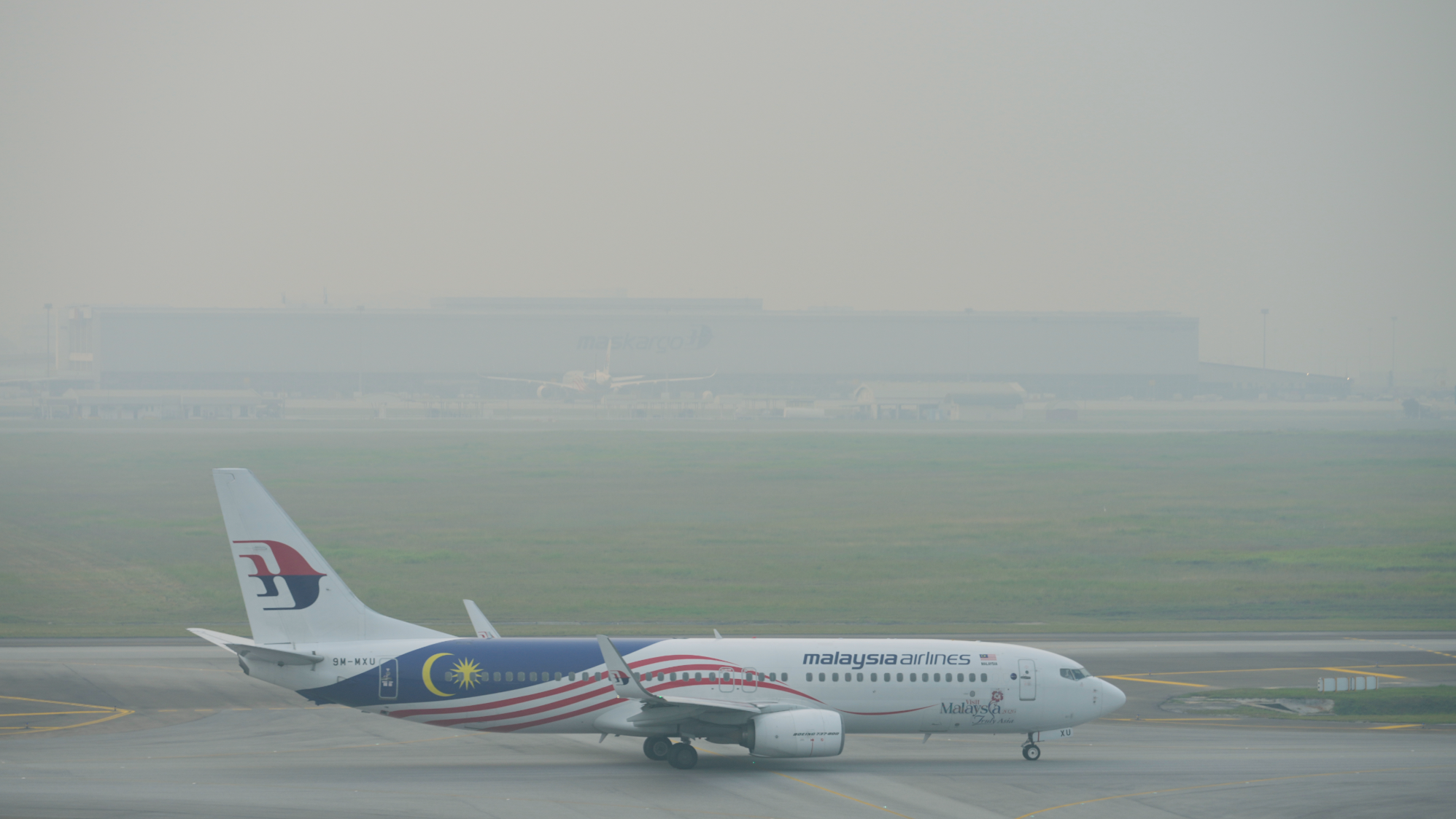
The head of Malaysia’s second-most populous state called for an emergency meeting of regional leaders to tackle haze from Indonesia’s wildfires, as Kuala Lumpur chokes under the world’s worst air pollution.
The Association of Southeast Asian Nations “needs to play a more active role and hold an emergency meeting to address this crisis collectively,” Johor Chief Minister Onn Hafiz Ghazi wrote in a Facebook post late Wednesday. The state leader said he had raised the matter with Indonesia’s consul general, without saying when that meeting took place.
Johor, which sits on the Malay Peninsula south of the nation’s capital, closed schools through the end of the week because of the haze, affecting about 617,000 students, according to the state education ministry. Air quality in Kuala Lumpur was in the “very unhealthy” range as of Thursday afternoon, data from IQAir show. Singapore was also among the 10 most polluted cities.
READ MORE: Wildfire haze shuts Malaysia schools, looms over Singapore F1
Indonesia’s Government Communication Agency didn’t immediately comment when contacted Thursday.
Parts of Southeast Asia have been blanketed in choking haze in recent weeks as Indonesia battles one of its worst wildfire seasons in years. The blazes have stemmed from the long-running use of slash-and-burn farming practices, exacerbated by an El Niño that has brought dry conditions to the region.
Malaysia is seeking expedited talks with Indonesia to send a team to help extinguish the fires, Foreign Minister Mohamad Hasan said, according to Bernama. Last week, organizers of the Kuala Lumpur Standard Chartered Marathon canceled a kids race over health concerns while pressing on with other categories, including the full and half marathons.
MORE READ: Indonesia may miss climate target due to wildfire emissions
Greenpeace Malaysia and several civil-society groups held a demonstration Wednesday calling for legislation that would give authorities clearer powers to investigate, obtain evidence and take enforcement action against companies linked to transboundary environmental damage.
The environmental group said stronger domestic laws “cannot address every regional challenge on its own” and would need to be complemented by mechanisms and bilateral channels from ASEAN, which includes Malaysia, Indonesia, Singapore and the Philippines, to obtain evidence about fires.
