

Membership to offer SMEs expanded market access, reduced trade barriers
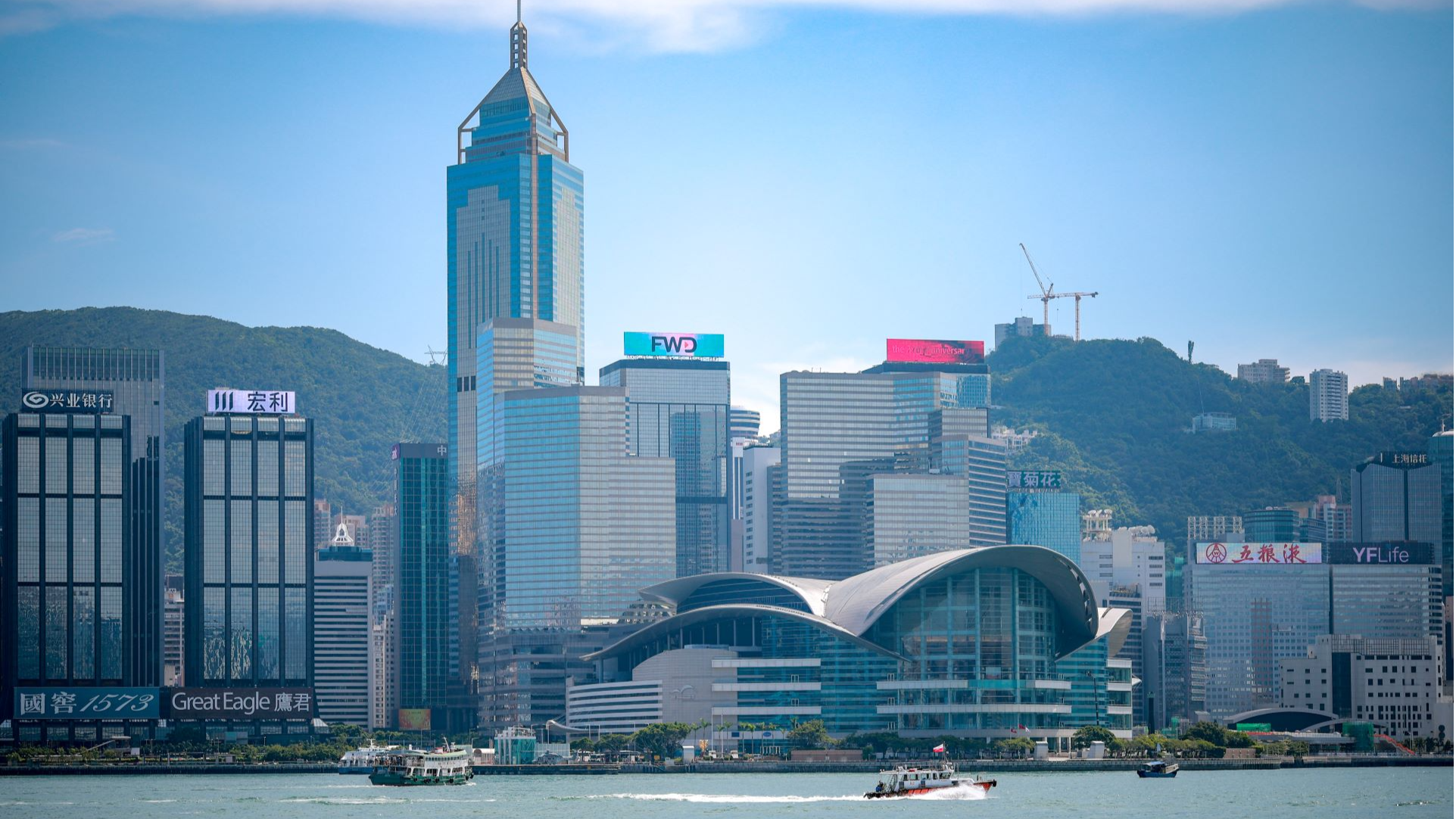
Hong Kong’s bid to join the Regional Comprehensive Economic Partnership (RCEP) has taken a major step forward, giving the city a clearer path toward potential tariff savings, smoother customs procedures and broader regional market access for its exporters and service providers, scholars and business leaders said in interviews with China Daily.
The comments came after RCEP members agreed earlier this week to set up an Accession Working Group to begin the accession process for applicant economies, including the Hong Kong Special Administrative Region.
“This is a real procedural breakthrough,” said Zhang Yifei, a senior lecturer in economics at HKU Business School.
Under RCEP’s consensus rules, the most difficult hurdle for any applicant is obtaining the agreement of all existing members to begin negotiations, he said. “That consent has now been secured, and Hong Kong’s long-standing request has become an active process,” Zhang said.
He said the next steps are “predictable”. The terms of reference are expected to be settled, after which Hong Kong will submit offers covering goods, services, investment and the temporary entry of businesspeople. Existing members will then review the offers bilaterally.
Faster clearance, lower costs
Tommy Chung Ki-fung, a Hong Kong lawmaker representing the import-and-export sector, said that over time, more than 90 percent of goods trade among RCEP members is expected to become tariff-free, lowering costs for Hong Kong exporters and re-exporters selling into member markets.
Chung said Hong Kong’s role as a re-export hub for electronic intermediate goods in the Asia-Pacific region will be reinforced if it joins the pact. High-value products such as semiconductor components will move more efficiently across RCEP markets, supported by preferential tariffs and simpler customs clearance.
Accession will also close an important gap in Hong Kong’s trade network. Japan and South Korea are the only RCEP members with which the Hong Kong SAR does not have a free trade agreement. If Hong Kong joins the RCEP, tariffs imposed by the two countries on certain imported intermediate and consumer goods such as premium cosmetics could be gradually cut to zero, Chung said.
He added that under the RCEP’s rules of origin, materials sourced and value-added across member economies can be counted together in deciding whether a product qualifies as originating within the grouping.
ALSO READ: HK can be a superconnector and a ‘super value-adder’ for all RCEP members
For example, a product will enjoy preferential tariff treatment if enough of its value is generated within RCEP economies — such as 40 percent — when exported to other member markets.
“RCEP’s benefits lie not only in tariff cuts, but also in the unification of rules,” said Jonathan Choi Koon-shum, chairman of the Chinese General Chamber of Commerce in Hong Kong.
Hong Kong companies traditionally have to navigate different free trade agreement rules in different markets, increasing compliance costs and raising barriers to entry, he said. A more unified RCEP framework will reduce the cost and complexity of entering multiple member markets, particularly for small and medium-sized enterprises with limited resources.
The pact also promotes services trade liberalization and simplifies procedures for business visas, intracompany transfers and the entry of professionals, which will help Hong Kong banks, asset managers, insurers, and testing and certification firms expand more easily into RCEP markets, Choi said.
For Hong Kong enterprises setting up branches in member economies or deploying senior executives and technical specialists overseas, the process will become more transparent, while their investments will be protected under a multilateral legal framework, he said.
Mutual benefits
Hong Kong will not only benefit from RCEP membership but also bring distinctive value to the group. RCEP members differ in their legal systems, currencies, tax regimes and commercial practices. The Hong Kong SAR, with its close ties to the Chinese mainland and international markets, is well placed to act as a “system translator” and connector, Choi said.
As trade between China and other RCEP economies grows, companies face a greater need to manage currency risks, Choi said. Hong Kong’s offshore renminbi market and clearing infrastructure will allow businesses from RCEP economies to settle trade in renminbi, issue dim sum bonds and hedge foreign-exchange exposure, helping reduce transaction costs, he added.
READ MORE: HK firmly eying RCEP membership, deeper ties with Hainan FTP
Moreover, Hong Kong is also capable of helping smaller firms make better use of the agreement, as the city provides trade finance, common law dispute resolution, capital for regional infrastructure, and professional intermediaries, Zhang said.
Chung urged the Hong Kong SAR government to prepare local businesses for the complexity of RCEP rules by setting up a support desk, clarifying rules and offering targeted advice, especially for SMEs.
He also called on the government to accelerate digital transformation in the trade sector. Hong Kong’s Commercial Data Interchange and forthcoming Digital Corporate Identity should be aligned with international standards and connected with customs and trade platforms across RCEP economies, he said.
RCEP, the world’s largest free trade agreement, officially came into effect on Jan 1, 2022. It covers 10 Association of Southeast Asian Nations members, along with China, Japan, South Korea, Australia, and New Zealand. The Hong Kong SAR submitted its accession request in January 2022. Bangladesh, Chile and Sri Lanka have also been admitted to the Accession Working Group.
Contact the writer at irisli@chinadailyhk.com
