

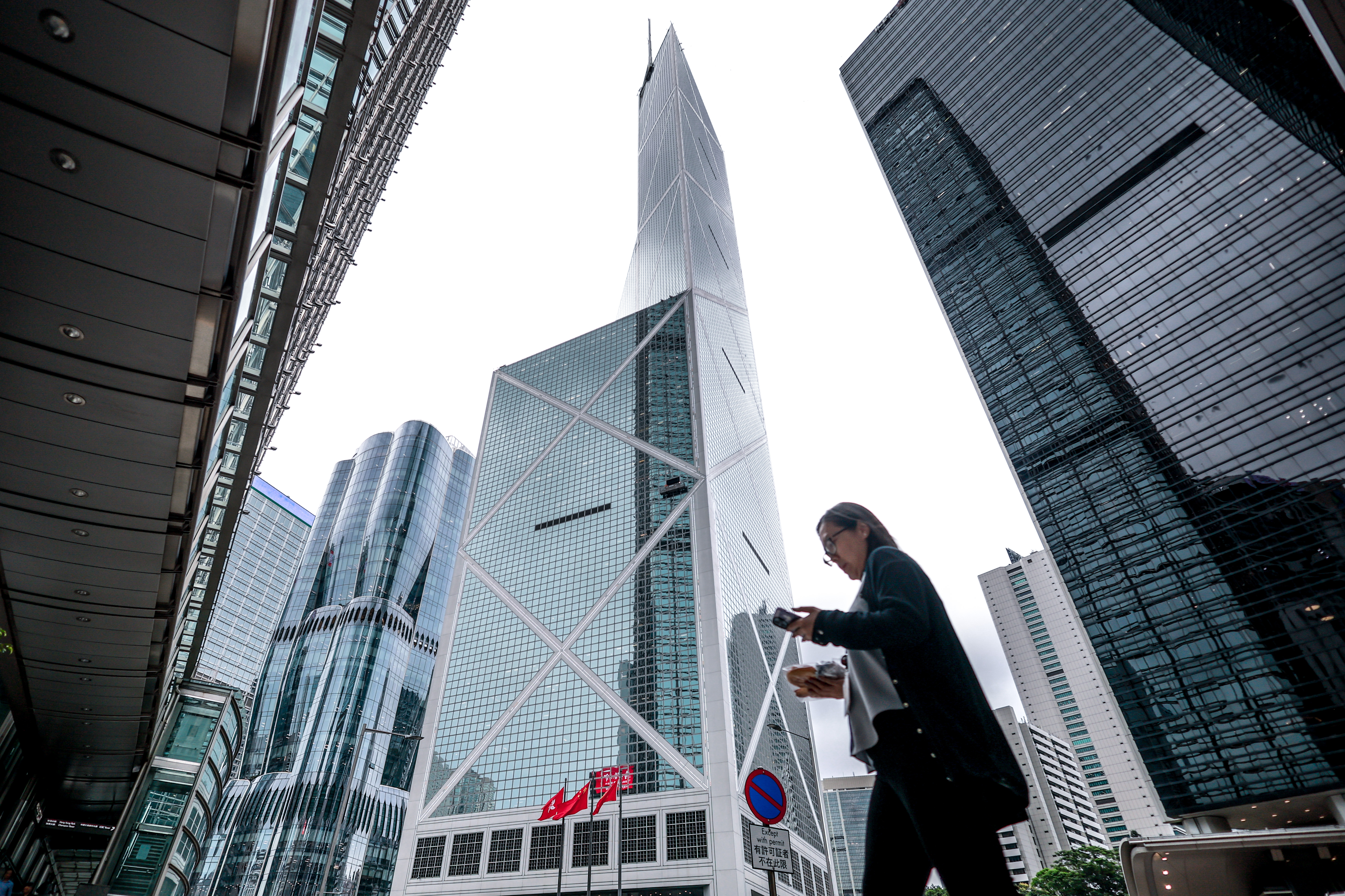
Business chambers and overseas financial institutions and research institutes in Hong Kong hailed the finance industry-related initiatives in the Hong Kong Special Administrative Region’s inaugural Five-Year Plan for Economic and Social Development (2026-2030) and its 2026 Policy Address, saying the measures can boost the SAR’s international competitiveness.
The SAR’s first five-year plan, which advocates Hong Kong’s status as the “four centers and one hub”, is betting on strengthening its roles as a global offshore financial hub in three key areas — renminbi business, asset-and-wealth management, and risk management activities.
ALSO READ: Biz leaders applaud HK’s strategic plan for tech commercialization
“The plan is a forward-looking blueprint of profound significance. Coupled with the Policy Address, it provides clear, strategic directions for comprehensively advancing our city through accelerating the Northern Metropolis, driving technology innovation, and bolstering our financial core,” said Jacob Kam Chak-pui, chairman of the Hong Kong General Chamber of Commerce — the city’s oldest business chamber representing multinational companies.
Those specific measures related to renminbi business unveiled in the policy address included: exploring enhancement of the renminbi currency swap arrangement with the People’s Bank of China; introducing a seven-day offshore RMB liquidity tender mechanism; implementing the inclusion of RMB counters in Southbound Stock Connect trading and establishing an offshore RMB bond index.
READ MORE: Northern Metropolis deemed the future engine
David Liao, Asia and Middle East co-chief executive at HSBC Holdings, said the continued efforts to improve offshore RMB liquidity and RMB business enhancements will significantly strengthen RMB investment channels and the broader product ecosystem, while delivering mutual benefits for onshore and international investors and issuers.
“We are confident that by 2030, Hong Kong will become the leading international financial center in terms of talent diversity, digital market infrastructure, capital markets variety, and multi-currency competence,” Liao envisaged.
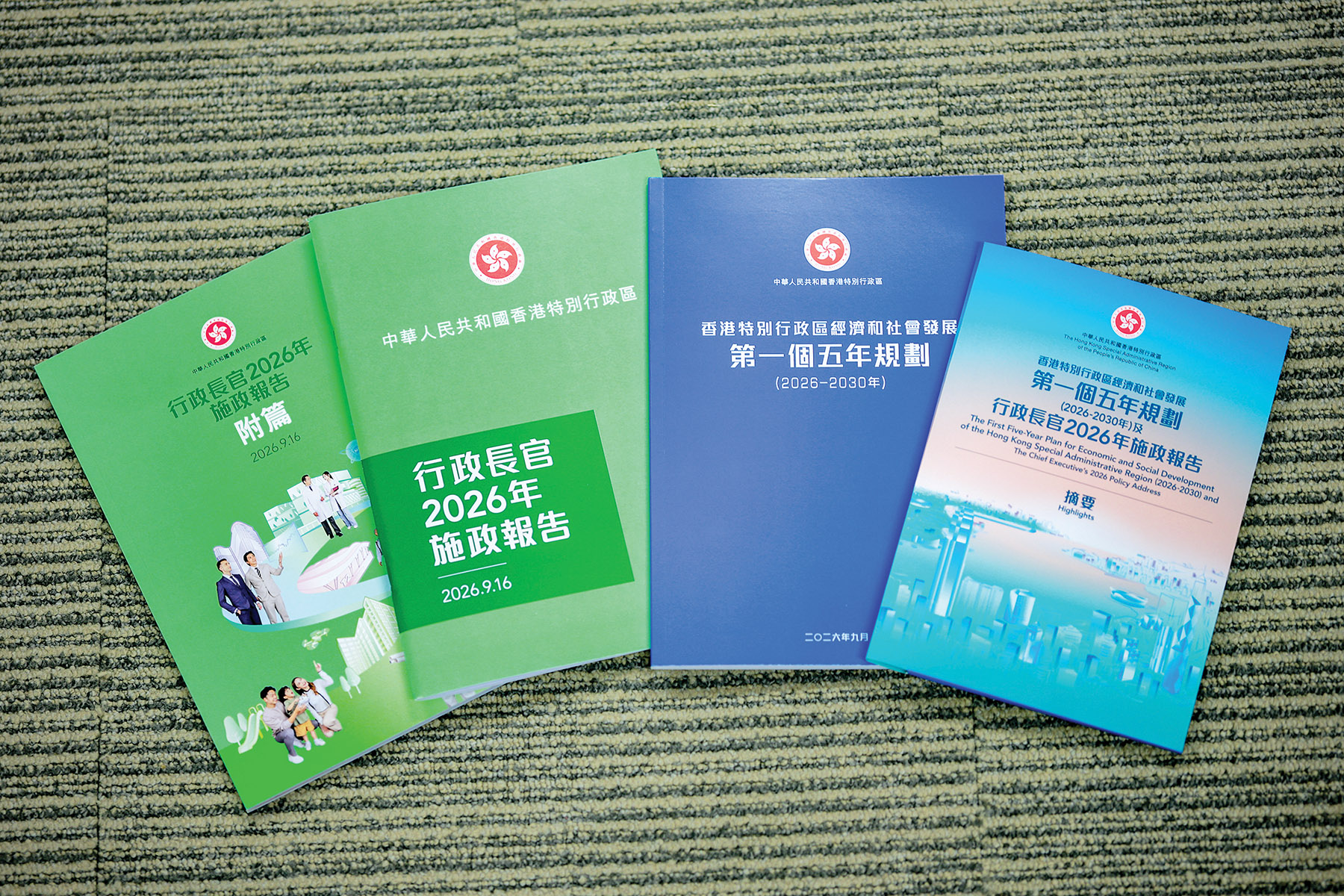
Other finance-related initiatives revealed in the Policy Address include: regularizing the issuance of digital bonds; testing the tokenization of Exchange Fund Bills; promoting dual primary and secondary listings of overseas enterprises; attracting quality overseas real-estate investment trusts to pursue dual-listings in Hong Kong and seeking early inclusion of REITs under mutual-market access; as well as expanding “finance+” initiatives to support the real economy.
“We will leverage infrastructure and cross-border data exchange platforms such as Commercial Data Interchange to promote digital trade and supply chain financing, while also supporting innovation in digital assets, sustainable and green finance, intellectual property financing, and inclusive finance, for enhancing the capacity of financial services to support the real economy,” said Mary Huen, CEO of Hong Kong and Greater China & North Asia at Standard Chartered.
READ MORE: Blueprint for breakthroughs — HK's strategic road map charts a bold new future
The Private Wealth Management Association — the industry association representing local and international private bank industry players in Hong Kong — said the five-year plan supports more innovative and diversified wealth solutions being developed in the city through modernizing the tax and regulatory framework that accommodates a broader range of traditional and alternative assets.
“If successfully executed, the plan will help Hong Kong stabilize growth across cycles and materially raise its potential trend growth rate over the medium- to long-term,” said William Deng, senior Asia and China economist at UBS Investment Bank.
READ MORE: Hong Kong to target breakthroughs in core tech
The economist added: “The five-year plan allows Hong Kong to pursue the development direction as the gateway and the financial and trade hub that connects the Guangdong-Hong Kong-Macao Greater Bay Area’s emerging technology clusters with the rest of the world.”
“The five-year plan could broaden opportunities for Hong Kong’s financial institutions in cross-border financing, asset management, and renminbi-related businesses, although the scale and pace of such opportunities will depend on the Chinese mainland’s financial opening and its approach to managing cross-border capital flows,” explained Betty Wang, lead economist at Oxford Economics — an economic think-tank based in the United Kingdom.
Wang said that there are two key risks related to the execution of the five-year plan. The first one is related to whether the plan can be effectively implemented, given that Hong Kong is a highly market-oriented economy which relies on government department coordination and private sector participation. The second risk is the fiscal implications of longer-term initiatives, particularly infrastructure investment.
