

Mainland establishments rise in rankings with sophistication, cultural motifs, innovative drinks hallmarks of growth
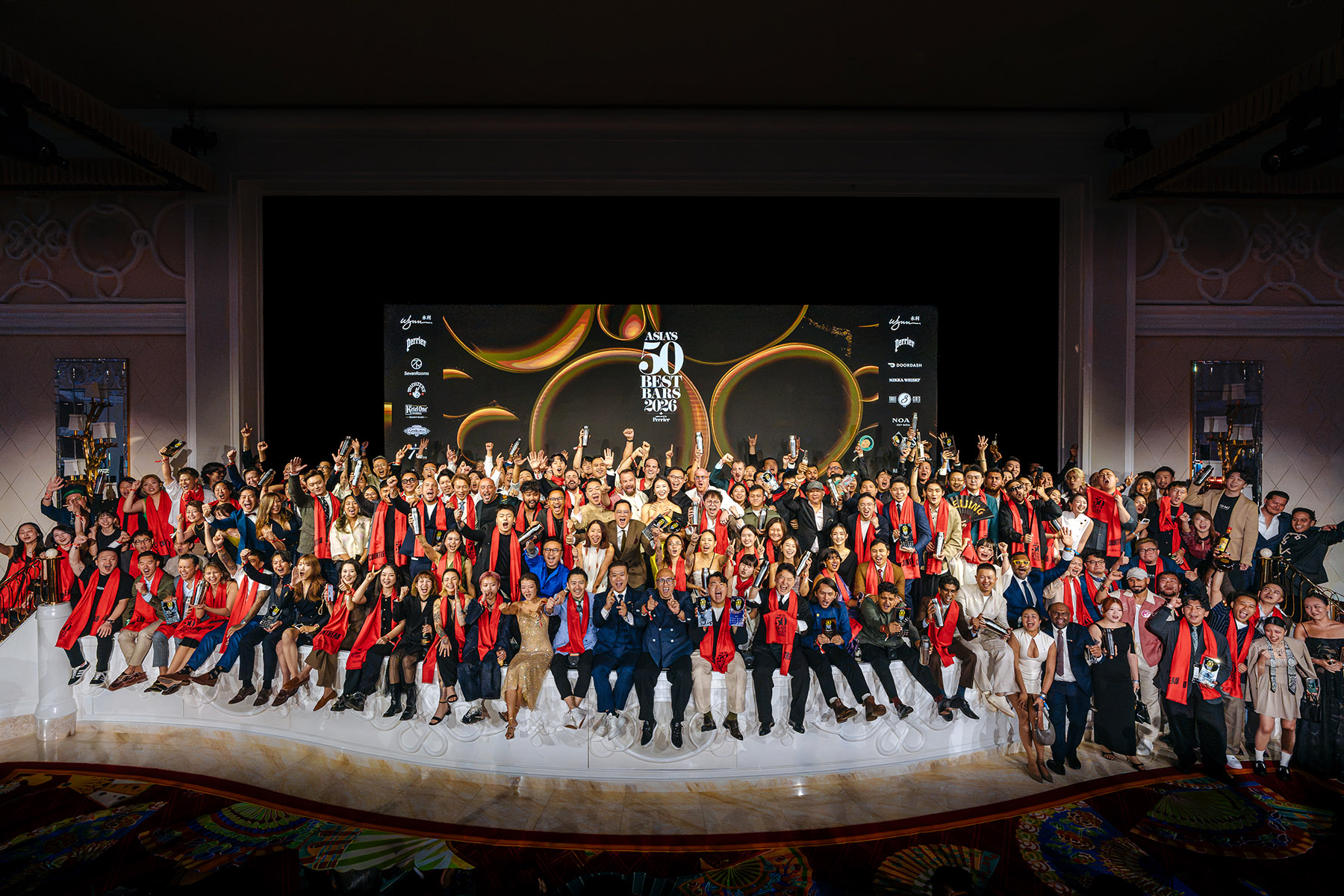
At Asia's 50 Best Bars awards ceremony in Macao this summer, the spotlight finally fell on an establishment tucked behind a traditional Cantonese storefront in Guangzhou's historic Dongshankou neighborhood.
Hope & Sesame was named Asia's No 1 bar — the first time a venue on the Chinese mainland has taken top spot.
"When they announced the No 3 bar, that feeling was already like being No 1 … So when they actually call you, it's very crazy," said Bastien Ciocca, one of the bar's co-founders.
More significantly, it was not an isolated victory.
The 2026 list featured seven bars from the Chinese mainland, with Hope & Sesame, MO Bar Shenzhen and Obsidian Bar, all in Guangdong province, ranked in the top 10. Other mainland entries that made the list were Pony Up in Shanghai, CMYK in Changsha, Hunan province, Ralph's Bar in Chengdu, Sichuan province, and Tiao in Beijing.
READ MORE: Mixology at the world's best bar
The results represent the culmination of the local industry's development, with several mainland bars repeatedly recognized in recent years.
Together, they point to broader growth. China's bar scene is expanding beyond Beijing, Shanghai, and Guangdong's Guangzhou and Shenzhen into regional cities, developing distinctive local expressions and boosting exchanges with the global industry.
Beyond major cities
Liu Ming, co-founder of CMYK, has worked in the bar industry for 27 years and divides the development of the cocktail scene into three stages.
"The domestic cocktail industry has changed dramatically since I returned to China in 2012," he said.
From 2012 to 2016, cocktail culture was concentrated mainly in Beijing, Shanghai, Guangzhou and Chengdu, with foreign bartenders arriving to open venues and Chinese bartenders returning from overseas.
Between 2016 and the start of the COVID-19 pandemic, cocktail bars spread to more cities, while Beijing and Shanghai developed increasingly international scenes. Liu said at that time there were at least 40 cocktail bars within walking distance of one another around Beijing's Sanlitun area, with more than 20 offering high-quality drinks.
The post-pandemic period brought a third stage: rapid growth across the country, accompanied by a high closure rate of establishments.
"The barriers to entry are too low," Liu said. "Many people lack experience in service, menu design and cost accounting, and they simply cannot make the numbers work."
The geographical spread of the industry, however, is clearly changing.
"When Asia's 50 Best Bars launched back in 2016, we noticed that all of the ranked bars were in what you'd consider 'cocktail capital cities'. Now, we're seeing real diversification," said Emma Sleight, head of content for Asia's 50 Best Bars.
CMYK's continued presence on the list demonstrates that regional cities can build sustainable cocktail ecosystems, while destinations such as Hangzhou, Zhejiang province, are also beginning to attract international attention.
The rankings also entice visitors to discover cities through their bar scenes. For regional venues, however, survival depends heavily on local tourism and foot traffic.
Liu calculates that a 30-seat bar aiming to fill its seats every day needs roughly 210 to 300 customers a week. Relying entirely on regulars for survival is difficult.
"For a large bar, you need regular customers to provide a safety net and tourists to add value," he said.
He also believes bars need to form clusters. "The bar industry is an ecosystem. One bar dominating on its own simply doesn't work."
Ralph's Bar in Chengdu represents another business model, bringing together the local expertise of Hope& Sesame and the resources and identity of luxury brand Ralph Lauren.
"We see the fusion not as a simple mix of East and West, but as a dialogue between Ralph Lauren's American sensibility and the cultural energy of Chengdu," a Ralph Lauren spokesperson told China Daily.
The spokesperson added: "The city's rich food and tea culture also sharpens our focus on texture, aroma and balance. Chengdu guests have exceptionally refined palates, so every ingredient must have a purpose."
Served with a twist
The rise of Chinese bars is not simply about better drink techniques. It is also about answering a more fundamental question: How can a drink convey a sense of place?
Sleight identified "culinary precision and technical rigor" as features of the mainland scene.
"Chinese bars are viewing modern cocktail craft as an extension of fine dining," she said.
Pointing to Hope & Sesame, she said that its drinks "are innovative and can be quite challenging, but they remain easy to drink."
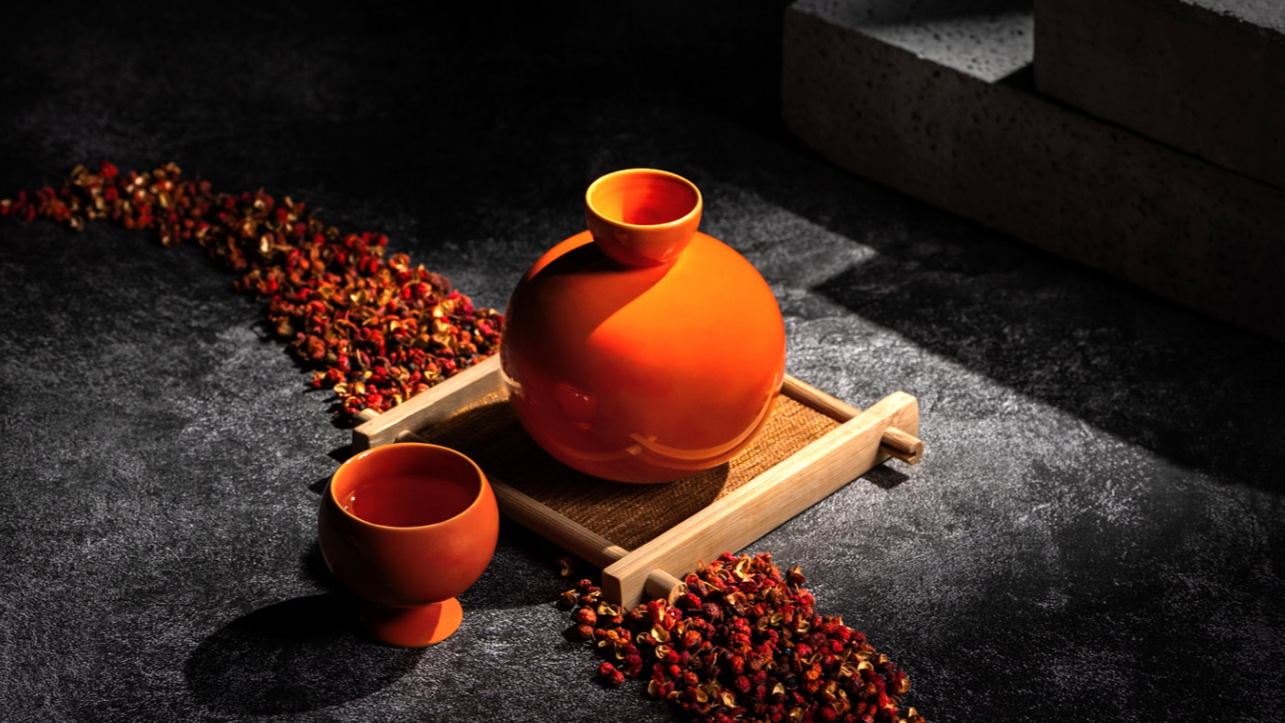
Hope & Sesame draws on the everyday culture and culinary traditions of Guangdong to transform local ingredients into contemporary cocktails. "I think it's not only about the flavors, but more about the history or the way people live," Ciocca said.
In Shenzhen, MO Bar takes a different approach. Its "Colours of China" menu links traditional colors with the 24 solar terms, using the seasons associated with each color to guide ingredient selection.
"We first choose the color of each drink, then look at which season that color represents, and finally use ingredients that are abundant in that season to develop the cocktail," said head bartender Tiger Chang.
Tea is an important ingredient. "When using tea, tea must absolutely be the protagonist," Chang said. "Like wine, tea has layers of aroma that unfold from the first sip through to the finish. The role of the base spirit is to complement the tea and amplify its characteristics."
At Beijing's Tiao, local characteristics are expressed through hutong culture and history. Head bartender Guo Wei describes it as a venue built around "fusion and contrast".
But local identity does not mean putting every regional ingredient into a glass.
Liu cautions against what he sees as an overinterpretation of "locality". "If you put baijiu, vinegar, sesame oil and bird's eye chili into one drink, people simply won't get it," he said.
The starting point, he argues, must always be whether an ingredient makes the drink better.
Sleight views the debate from the perspective of international travelers. "I definitely think that when people travel, they want an experience that feels unique or 'ownable' to the place they're in. That's why they traveled to that specific destination. When bars lean into that, it creates a rich storytelling narrative that guests remember and take home," she said.
Heady mixture
When Liu returned to China in 2012, ordering a good gin and tonic could be difficult, he said. By 2026, even in third — and fourth-tier cities, a well-made version of the cocktail is easy to find. "If you can get a decent one around the corner, why take a 20-minute taxi ride to another bar?" Liu said.
Customers now need a reason to make the journey: better service, an evolving menu, music, guest bartenders or social-media buzz.
Social media has made customers more informed — and more demanding. Guests increasingly arrive with expectations about a cocktail's ingredients, appearance and price. That makes communication part of the experience.
Service has consequently become a key attraction. At Tiao, the team aims to serve an entire table within seven minutes. During peak periods, staff may recommend a neat pour or a gin and tonic while customers wait for more complex cocktails.
When queues become particularly long, Tiao removes stools to create a standing bar, turning waiting into part of the experience, Guo said.
Pony Up in Shanghai has taken a more neighborhood-oriented approach. It opens at 1 pm, offers small shots to customers waiting in line, and serves hamburgers and fries alongside cocktails.
The rise of no — and low-alcohol drinks also reflects changing palates.
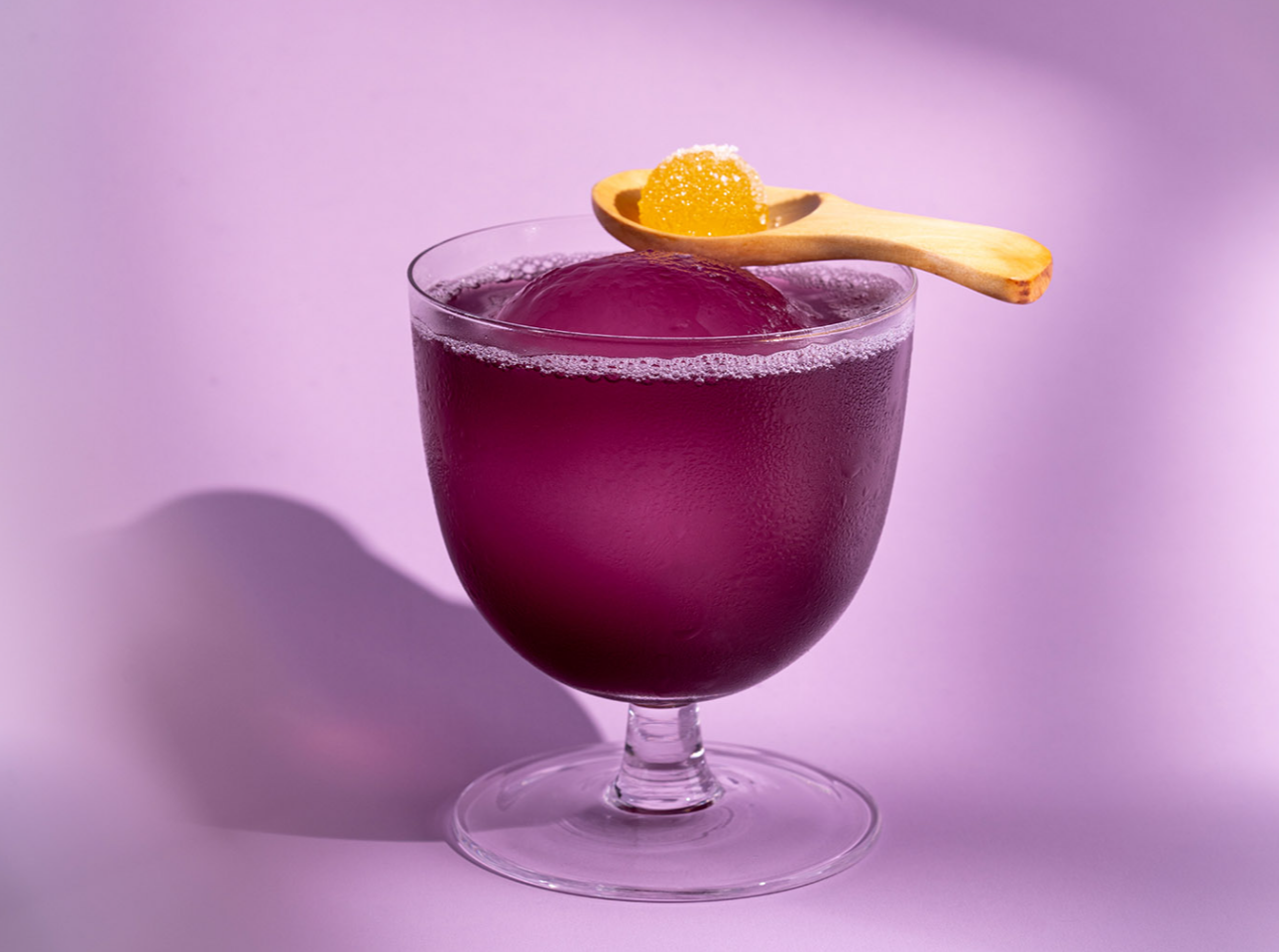
At MO Bar Shenzhen, the Mauve mocktail has become particularly popular. Made with butterfly pea flower tea, which changes color when acidity is introduced, it offers an engaging experience without alcohol.
For many customers, drinking is no longer the sole purpose of going to a bar. For busy urban professionals, the bar is increasingly a place to relax, socialize and enjoy the atmosphere.
Rapid expansion has also exposed one of the industry's biggest challenges. Every venue needs people who understand cocktails, service and operations, yet the supply of experienced professionals has not kept pace with the number of new bars.
"In the past, you would spend three to five years going from being an apprentice, to bartender, to head bartender," Liu said.
Today, some young bartenders with only a year of training open their own venues, then begin training the next generation themselves.
The problem is not simply technical skill. Running a bar requires knowledge of rent, labor, waste, supply chains, training, cash flow and customer retention.
Hope & Sesame has a more structured approach. "We give a lot of responsibility to the head bartenders and bar managers at each venue to train the new staff," Ciocca said.
The group is involved in overseas staff exchanges to broaden employees' professional horizons. "For many staff members, it was their first time flying or getting a passport. Discovering a new country makes them hungry to become better," Ciocca said.
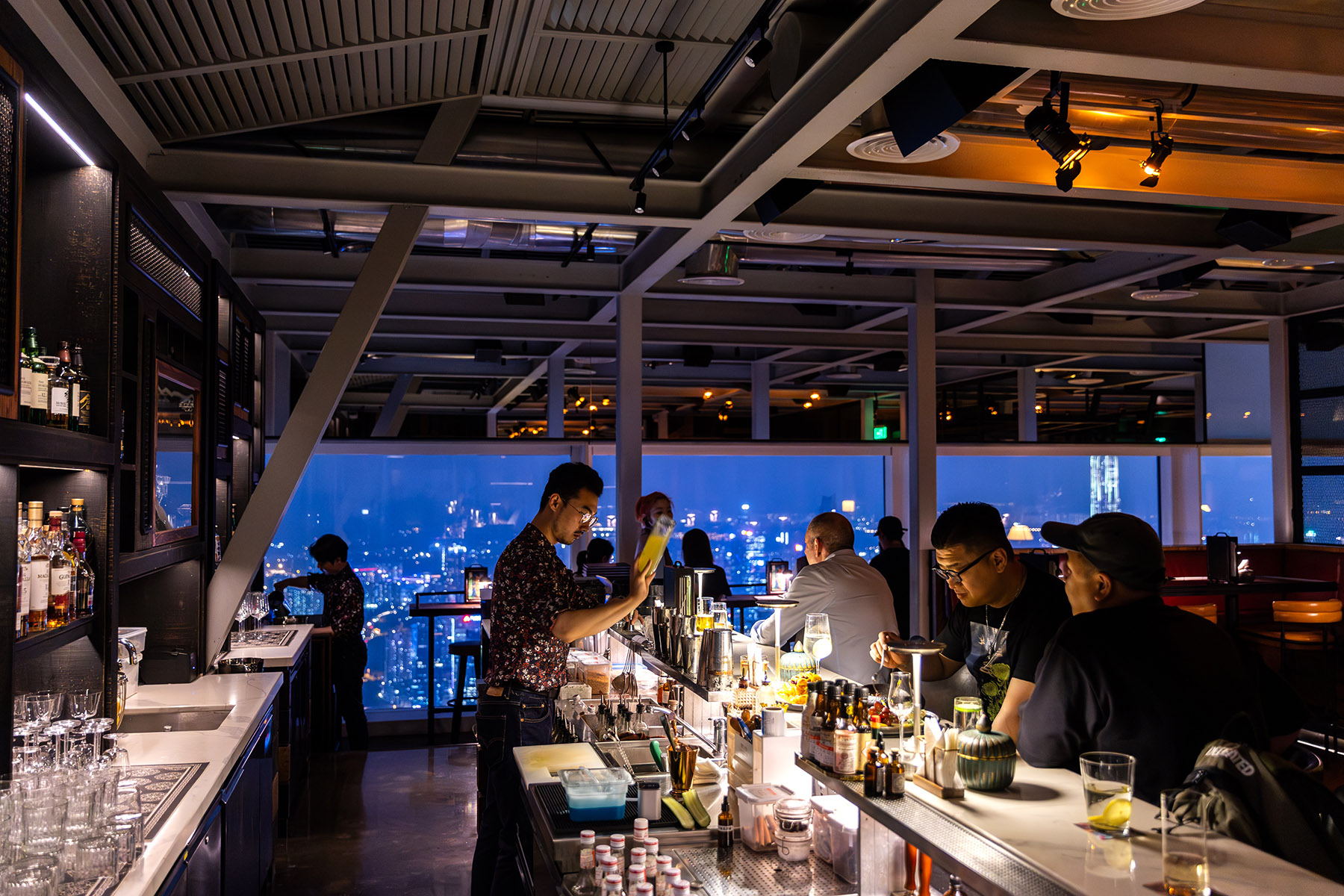
Going global
China's bar industry is becoming increasingly connected to the world, but not simply by importing foreign concepts.
Guest shifts — in which bartenders travel to other cities or countries to work behind another bar — are helping build a wider professional network.
Ciocca and his team have traveled to Europe, Southeast Asia, Australia and the United States for guest shifts, bringing Chinese ingredients and techniques to overseas audiences while inviting bartenders they meet abroad to China.
"Every time we traveled overseas, we invited people back to visit us in China," he said.
The Guangdong-Hong Kong-Macao Greater Bay Area has emerged as one of the most dynamic parts of this transformation.
Hong Kong once served as the main gateway for global cocktail culture in southern China. Increasingly, the relationship has become two-way.
Shenzhen, with its young population, entrepreneurial culture and strong consumer market, has rapidly developed its own nightlife. Guangzhou, Shenzhen, Hong Kong and Macao are increasingly connected through guest shifts, collaborations and professional networks.
Christian Dolenc, general manager of the Mandarin Oriental, Shenzhen, described the relationship between Shenzhen and Hong Kong as "yin and yang".
"When I first arrived in Hong Kong, all the people from Guangdong would travel to Hong Kong to have international-level experiences. Now, it's a two-way street. We have a lot of supporters from Hong Kong coming here to marvel at Shenzhen and everything it has to offer."
Hong Kong brings a mature cocktail culture, while the Chinese mainland offers a large market and a growing talent pool.
ALSO READ: World-Class bars
MO Bar's No 5 ranking on the list has further positioned Shenzhen as a destination for travelers seeking contemporary Chinese hospitality.
"Chinese hospitality at the top level is truly delivering," Dolenc said. "Our role is to tell that story more strongly and more frequently."
Global rankings can also create a powerful multiplier effect. A bar that appears on a major list can attract overseas visitors, generate hotel partnerships and contribute to a city's international profile.
But China's bars cannot build a global identity through individual efforts alone.
"When Chinese bartenders go abroad for guest shifts, foreigners don't distinguish whether you're from Changsha or Shenzhen. To them, you're a Chinese bartender," Liu said.
That makes cooperation within the industry increasingly important — from recommending one another and sharing information to building cross-border connections and creating opportunities for the next generation.
"Through CMYK, we want to let Changsha see the world while bringing Changsha to the world," Liu said.
Contact the writers at liyingxue@chinadaily.com.cn
