

Hong Kong’s exchange-traded fund (ETF) market has continued to surge ahead, with average daily turnover in the first seven months of this year exceeding HK$40.6 billion ($5.18 billion), up 22 percent year-on-year.
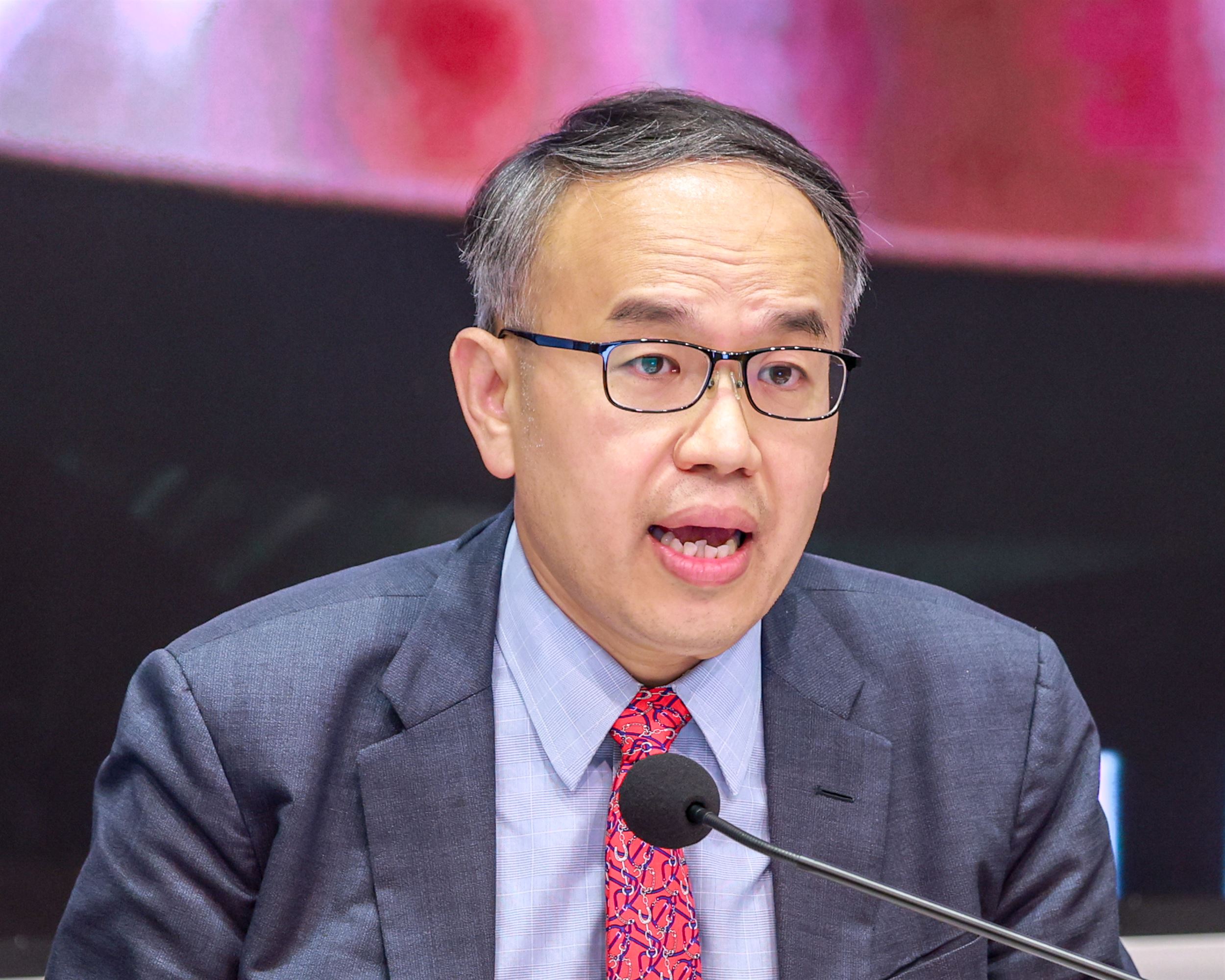
Secretary for Financial Services and the Treasury Christopher Hui Ching-yu said such growth reflects an improving market depth and broader participation, adding that the entry of insurance funds from the Chinese mainland is expected to inject fresh momentum into the sector.
Hui made the remarks on Thursday in his blog, following the National Financial Regulatory Administration’s announcement supporting mainland insurance funds’ participation in the special administrative region’s financial market.
ETFs have holdings in numerous securities in a particular index or sector, similar to mutual funds. But unlike mutual funds, ETFs are bought and sold throughout the trading day, as stocks are.
ALSO READ: Mainland insurance companies get approval to invest in Hong Kong-listed ETFs
The national regulator said on Tuesday that insurance institutions on the mainland will be allowed to invest in ETFs included under the southbound trading of the Shanghai-Hong Kong and Shenzhen-Hong Kong Stock Connect programs.
Highlighting Hong Kong’s more than 220 listed ETFs, Hui said actively managed products have expanded rapidly, with over 40 now available in the local market. Their combined total assets under management topped HK$113 billion, more than three times the number from the same period last year. He added that eight overseas ETFs have also listed in Hong Kong, with assets under management exceeding HK$13 billion.
“These figures show that both issuers and investors are attaching greater importance to the potential and functionality of Hong Kong’s ETF market,” Hui said.
He also said that mainland insurance funds have become a significant source of institutional investment for the SAR, as they continued to increase allocations to Hong Kong’s financial market in recent years. Their participation strengthens the market’s capital base, boosts product demand, and supports the further development of Hong Kong’s asset management industry, he said.
READ MORE: Singapore Exchange eyes single-stock ETFs, tie-ups to grow
Hui said that with the latest policy providing a more convenient and efficient channel for mainland insurers, the move not only expands asset allocation options but also injects new long‑term momentum into the next phase of Hong Kong’s ETF market growth.
ETFs have been tradable under the Shanghai-Hong Kong and Shenzhen-Hong Kong Stock Connect programs since 2022. In the first seven months of 2026, average daily turnover for southbound and northbound ETFs reached HK$5.8 billion and 5.1 billion yuan ($758.35 million) respectively, surging 61 percent and 86 percent from a year earlier, according to the Hong Kong Stock Exchange.
Emily Wu, vice-president of ETF business development at Mirae Asset Global Investments (Hong Kong), said that Hong Kong’s ETF market still has much room to grow compared with neighboring markets such as Japan and South Korea.
She said the latest policy development can be expected to channel stronger mainland capital inflows into the SAR, bolstering the local market and its liquidity. Wu added that mainland institutions are likely to start with ETFs related to large-cap indexes, which offer higher assets under management and deeper liquidity.
The asset management firm’s newly launched Global X Hang Seng High Dividend Yield Enhanced Income ETF began trading on the HKEX on Thursday.
Contact the writer at gabylin@chinadailyhk.com
