

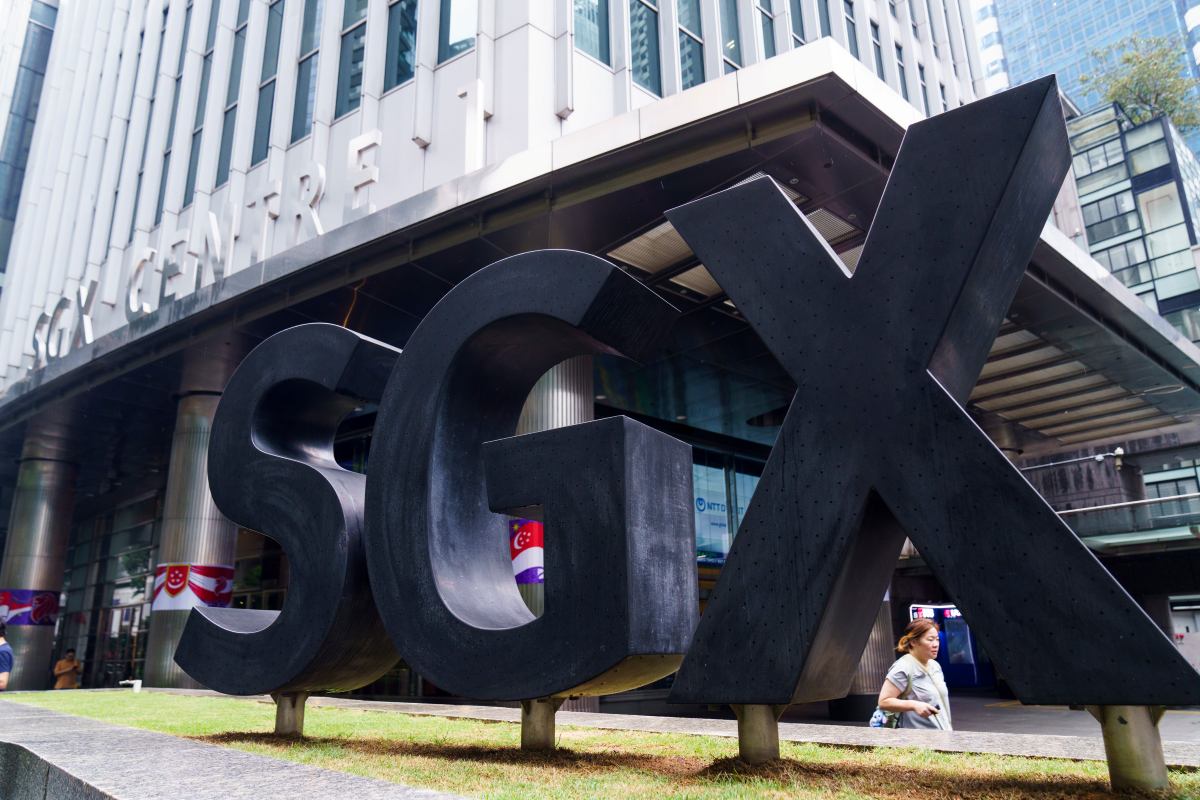
Singapore Exchange Ltd is exploring offering a broader suite of exchange-traded funds and stepping up partnerships across markets as it seeks to bolster its position as Southeast Asia’s key multi-asset exchange.
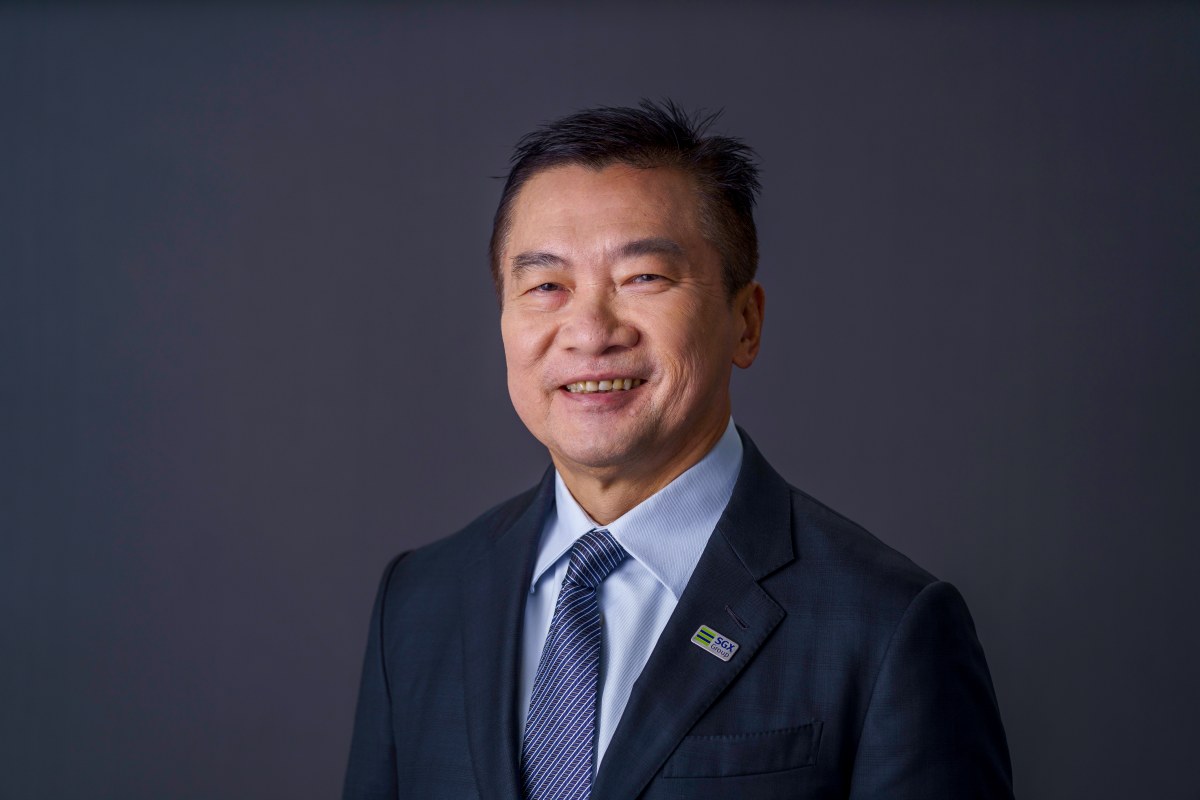
“We are focused on trying to create a wider choice” of ETFs, with representation across the region, asset classes and sectors, said Chief Executive Officer Loh Boon Chye. The bourse may also look into single stock or leveraged products if there is interest, he said in a recent interview.
The bourse currently offers 53 ETFs, with more than S$21 billion ($16.4 billion) in assets under management. It launched its first physical gold ETF in March, and will next month list an active ETF tracking the iEdge Singapore Next 50 Index, which covers the 50 largest companies on SGX after the top 30.
While ETFs have grown in popularity globally, SGX’s consideration of riskier leveraged and single-stock products comes as their rapid growth in South Korea draws scrutiny. Such products can amplify swings in underlying shares and fuel market volatility.
Singapore equities have notched multiple record highs this year, as the market’s heavyweight banking stocks draw investors seeking shelter from geopolitical tensions and volatility surrounding the artificial intelligence trade.
SGX has been among the biggest beneficiaries of the inflows, with its shares gaining nearly 50 percent this year to rank among the top performers on the benchmark Straits Times Index. The gains have come on top of a 33 percent surge in 2025, after authorities unveiled a range of measures to boost the local stock market.
The exchange last week reported record full-year earnings, boosted by volume growth in its equities, foreign exchange and commodities segments. Net income for the year ended June rose 7.8 percent from a year earlier to S$698 million.
Loh said SGX intends to work more closely with other markets in the region to boost fundraising activities. It has tied up with Nasdaq Inc to streamline eligibility for companies to pursue dual listing on the Singapore and US tech gauge, and partnered with the Thai bourse to offer depository receipts of companies listed there.
“Whether it’s an extension of Singapore depository receipts, a dual-listing partnership or a product partnership, I think those are all possibilities,” Loh said.
Loh, who took the helm in 2015, is now looking to capitalize on a revival in Singapore’s capital markets to grow the business and pursue strategic deals that could broaden the exchange’s reach.
The exchange now has more than 50 initial public offerings in the pipeline compared to a year ago, and expects these listings over the next 12 months. “We would think that it could be a better year in terms of actual number of IPOs versus financial year 2026,” Loh said.
