

City urged to improve affordability, collaboration, and branding strategies
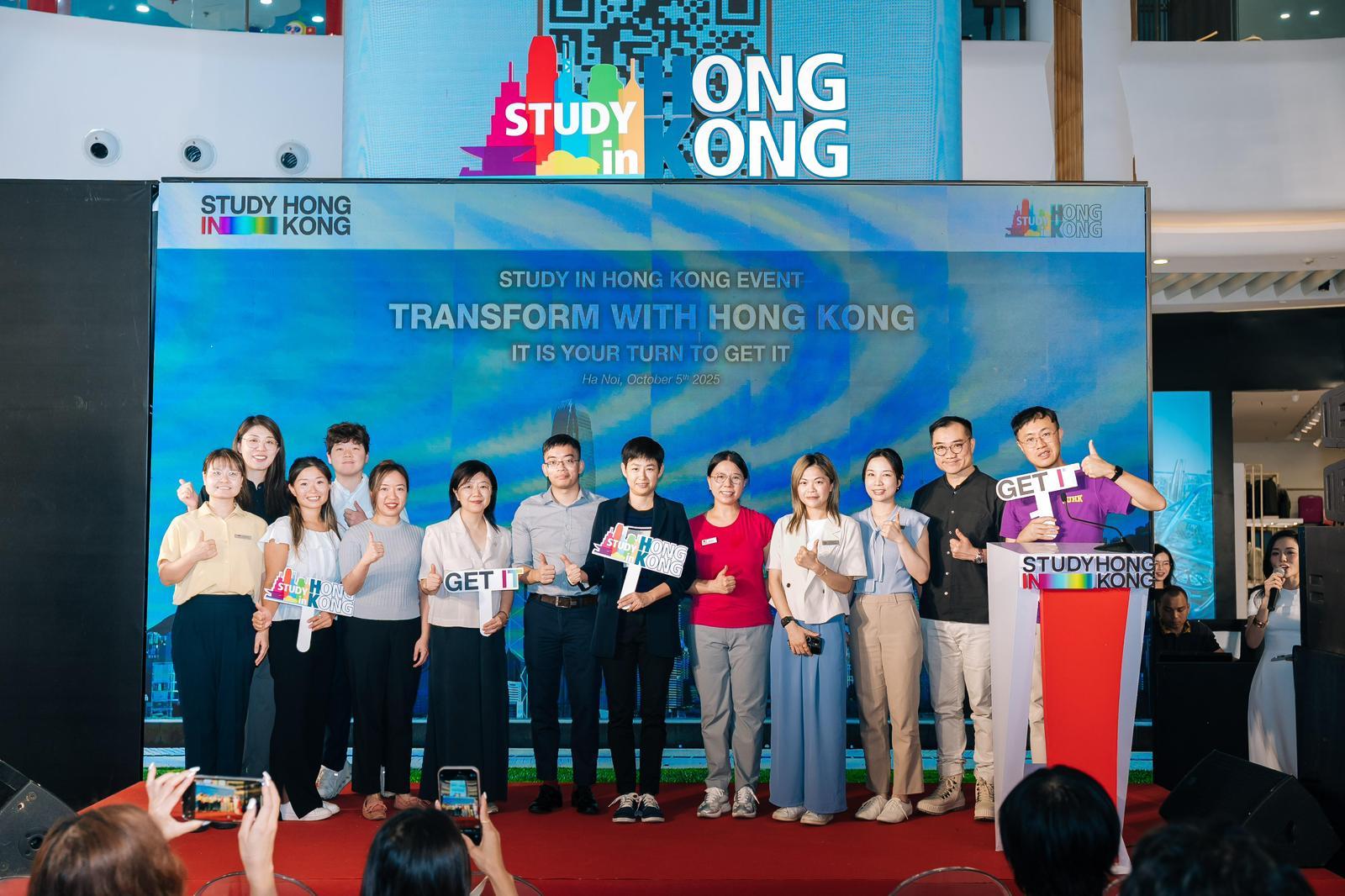
A new global ranking of student destinations recognizes the appeal of Hong Kong’s higher education sector to overseas students — a testament to the city’s efforts to promote the “Study in Hong Kong” brand in recent years.
However, education experts said the city must continue its outreach, lower living costs for nonlocal students, accelerate interdisciplinary curriculum reform, and deepen collaboration with the Chinese mainland to sustain its status as a leading study destination.
In the Best Student Cities 2027 ranking published by the London-based education firm Quacquarelli Symonds on July 22, Hong Kong was ranked eighth in Asia and 17th worldwide.
However, among the 150 destinations evaluated, Hong Kong was ranked 86th in the criteria of affordability.
The city’s average annual tuition for international students is about $18,900 — the most expensive in East Asia and more than twice that of Tokyo. A chronic shortage of student accommodations was also noted as a key factor depressing the city’s affordability score.
In the desirability subranking, Hong Kong fell seven places to 36th, and in student diversity, it fell two spots to 49th.
Boost outreach
For the upcoming 2026-27 academic year, many publicly funded universities are seeing a strong upswing in nonlocal applications — up to a 70 percent increase — and more diverse applicant origins, according to local media reports. This follows a measure announced in the city’s 2025 Policy Address to raise the cap on nonlocal undergraduate enrollment to 50 percent.
ALSO READ: What makes Hong Kong universities shine on global stage
Also last year, the city established a dedicated task force to further publicize the “Study in Hong Kong” brand. It coordinates promotional efforts among the University Grants Committee — Hong Kong’s public university funding body — government departments, and official economic and trade offices.
Lawrence Tang Fei, a Hong Kong lawmaker representing the education sector, said he believes the government-led branding drives will soon deliver greater results.
READ MORE: Historic double for HK: HKU, CUHK in QS world top 20 for 1st time
He also called on universities to enhance global alumni networks, with dedicated chapters to engage high-level political and business figures in strategic economies to sustain long-term ties.
Luke Yick Tak-ming, president of the Hong Kong University Education Alumni Association, said he supports the idea, adding that the current efforts are far from organized, and high-caliber alumni resources are largely untapped.
Affordability gaps
Echoing the QS ranking’s analysis on affordability issues, experts and students said that the city must act quickly to reduce student living costs.
READ MORE: 19 local institutions submit proposals for HK university town
Chen Ziyu, an undergraduate student at HKBU enrolled in the 2024-25 school year, said he paid HK$160,000 ($20,400) a year in tuition. By 2026-27, new students will face expenses of HK$190,000 annually. His monthly food expenses at HK$5,000 are nearly twice what he would have spent if he were studying on the mainland.
Accommodation is an even greater burden. QS reported that of Hong Kong’s 192,000 full-time students, universities can offer only 44,000 on-campus beds.
Chen, initially residing in a dormitory, signed a lease for an off-campus apartment block with 205 beds, which was launched by HKBU in partnership with a private developer in Kwai Chung. A twin room costs about HK$70,000 per year.
In July 2025, Hong Kong’s Development Bureau and Education Bureau launched the “Hostels in the City” program to encourage the conversion of commercial premises into student hostels through self-financed or private-sector initiatives. The program has since been broadened to include newly built projects.
By the end of June, the Education Bureau had received 40 applications under the program, expected to provide about 9,100 hostel places. Thirty-eight have been approved, and four projects are slated for completion before September.
“We expect the figures to keep improving,” Tang said.
Job prospects
Looking ahead, experts said they hope Hong Kong can offer better job prospects for graduates through future-oriented interdisciplinary curricula, and foster real synergy with the mainland’s top universities.
Tang said Hong Kong can offer graduates world-class technology and entrepreneurship opportunities, as the city’s Northern Metropolis is developing into a hub for education, enterprise, talent and industry.
“For global talent who want to build tech startups, Hong Kong is set to become one of the best places in the world to do so,” he said.
To realize the vision, universities must dismantle the silos between faculties to meet the demands of the artificial intelligence and innovation era, Tang added.
READ MORE: Industry-academia synergy sparks rise of HK unicorns
Yick, who also heads the HKU Education Alumni Foundation, said the tech-entrepreneurship potential in the Guangdong-Hong Kong-Macao Greater Bay Area holds real appeal, especially for families from economies engaged in the Belt and Road Initiative.
Mainland and Hong Kong higher education systems have complementary advantages: The former excels in applied technology, while the latter offers polished, globally minded programs in business, management, and communications, he added.
Yick added that authorities should proactively attract leading mainland science and technology universities to set up satellite campuses in the Northern Metropolis, and better align Hong Kong’s endeavor with the nation’s “Study in China” campaign.
Roys Zhang contributed to the story.
Contact the writer at wanqing@chinadailyhk.com
