

Sustainable management, regional partnerships scale China's forestry model for Asia-Pacific
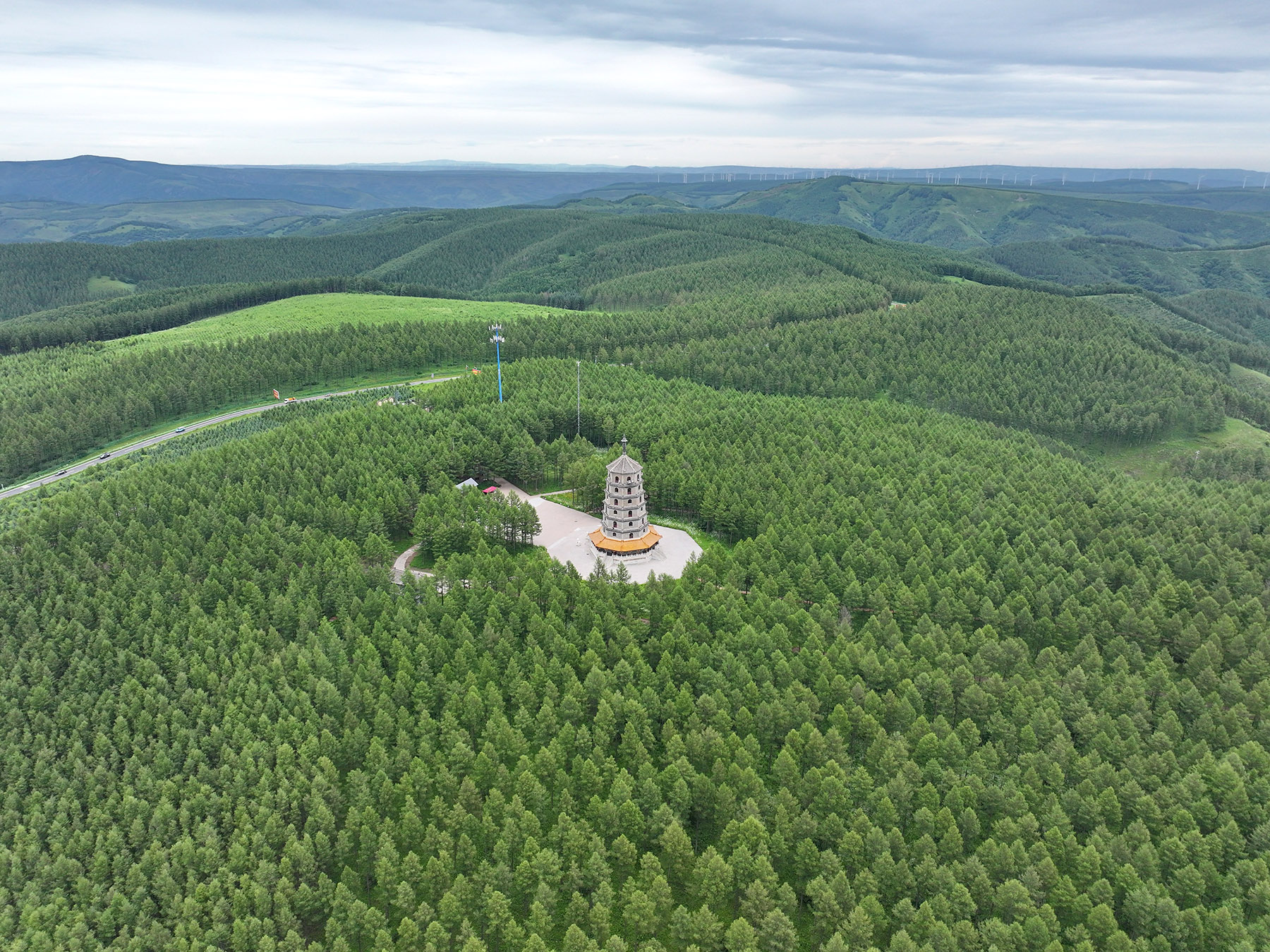
When Song Zhanfeng returned to the forest in Wangyedian, a State-owned forest farm in Chifeng, Inner Mongolia autonomous region, he wasn't thinking about carbon sinks, regional forestry cooperation or sustainable forest management.
He was thinking about whether mushrooms would grow, and whether anyone would buy them.
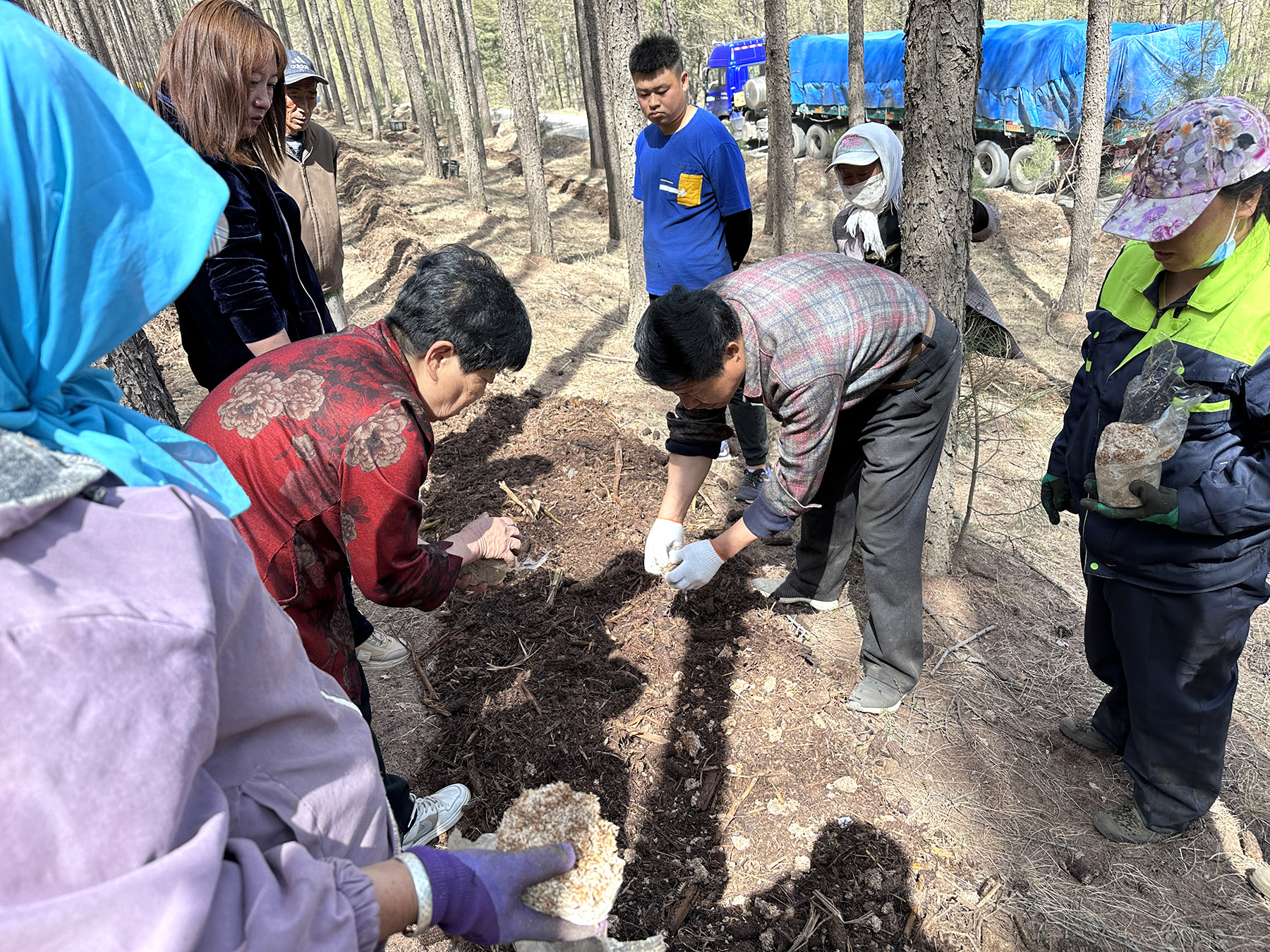
A former worker at the forest farm, Song had struggled after leaving his job during earlier reforms. In 2021, when the farm encouraged him to try growing red pine mushrooms under the canopies, he hesitated. Years of setbacks in business had made him wary of another loss-making venture.
READ MORE: Generations unite to revive wilderness
The forest farm responded with two guarantees: free technical guidance and help connecting growers with purchasers. It also offered rent-free land use in the first year, while the local government provided subsidies for the under-forest economy.
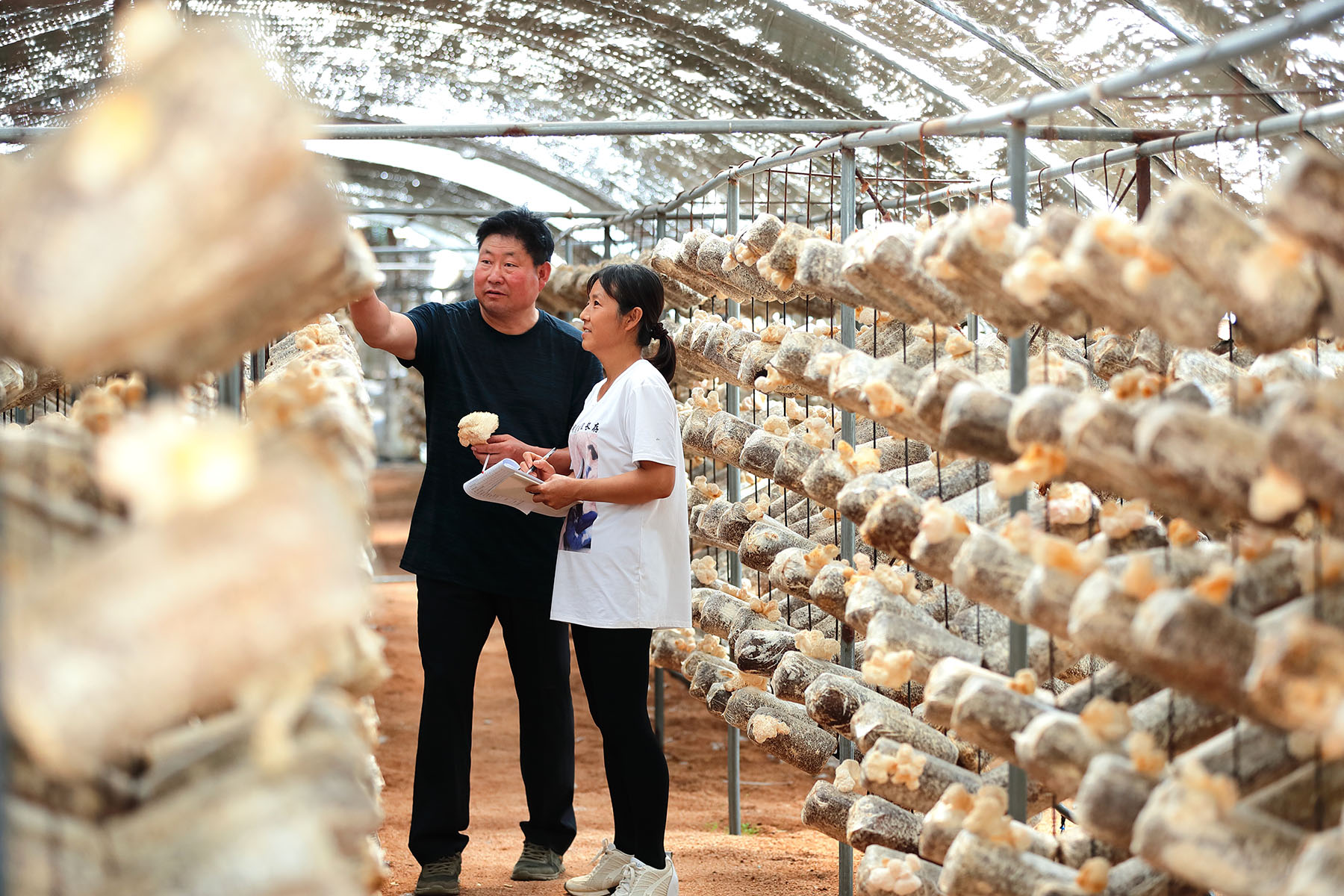
A year later, Song planted some 1.3 hectares of mushrooms. He recovered 140,000 yuan ($20,600) in costs and earned 100,000 yuan in profit. Based on later production conditions, his annual income was estimated at 200,000 yuan.
He then expanded cultivation by another 2 hectares and became a forest ranger, promoter and technician, helping other villagers understand how income generation and forest protection can reinforce each other.
Song's story is becoming more common in China's forestry sector. Forests are increasingly being managed not only as ecological assets, but also as living systems that can support biodiversity, store carbon, provide legal timber and create income for local communities.
Since 2011, Wangyedian has partnered with the Asia-Pacific Network for Sustainable Forest Management and Rehabilitation, known as APFNet, on three phases of multifunctional forest management demonstration projects.
The projects have restored 760 hectares of degraded forest land, rebuilt about 67 hectares of mixed forest demonstration sites on logged areas and established 133 hectares of forest management demonstration sites.
"Red pine mushroom cultivation in Wangyedian has expanded to about 133 hectares, with an annual production of over 5,000 metric tons, making Wangyedian the largest production base of its kind in North China. It also generated over 1,000 job opportunities for local communities, with each laborer seeing an income of over 20,000 yuan," said Ma Chenggong, deputy director of the Wangyedian Forest Farm. The practice has helped turn growers into participants in forest protection, while linking enterprises, research institutes, cooperatives, households and nature education.
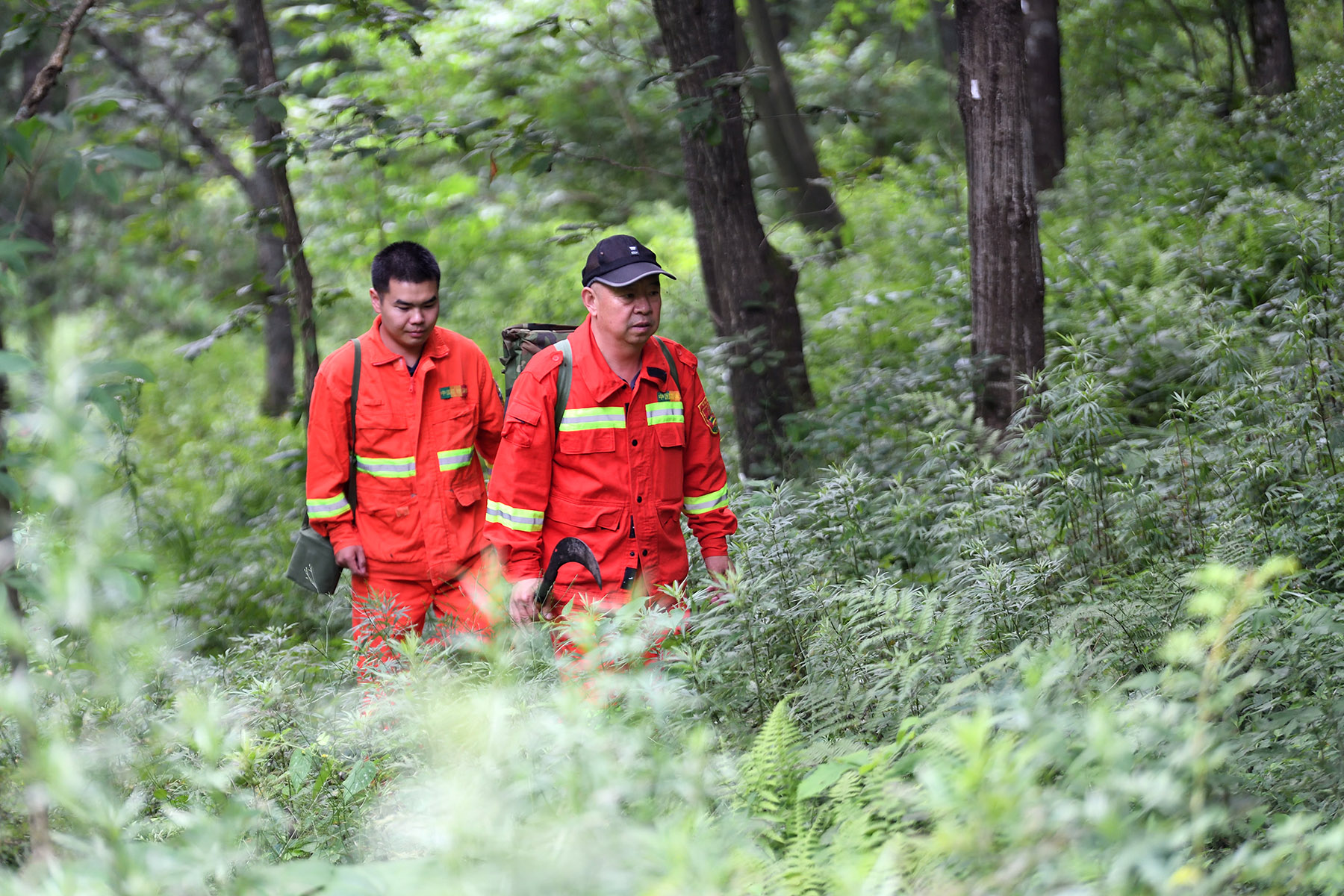
During the 14th Five-Year Plan (2021-25), China's forest coverage reached roughly 25.1 percent, while its forest stock volume rose to almost 21 billion cubic meters, meeting ahead of schedule the 2030 nationally determined contribution target related to forest stock volume, according to the National Forestry and Grassland Administration.
The total output value of China's forestry and grassland industry has approached 11 trillion yuan, with economic forests, wood and bamboo processing, ecotourism and the under-forest economy each becoming sectors with annual output of more than 1 trillion yuan.
The progress has been driven by long-term planning rather than isolated afforestation campaigns. China has built a planning system for forestry and grassland protection and development, with the 14th Five-Year Plan providing targets, implementation pathways and policy support. The system coordinates forests, grasslands and national parks, and links ecological protection with resource management, land-use governance and green industries.

Sustainable forest management has also become a common pursuit of regional cooperation on combating illegal logging and associated trade. Illegal logging is not only a trade or law-enforcement issue, but also a symptom of weak forest governance and unsustainable forest management. Better forest management, legal timber supply and community income can help reduce the drivers behind it.
APFNet has become one of the platforms through which China supports such regional cooperation. During the 14th Five-Year Plan, it supported 79 master's and doctoral students from developing economies, expanding its alumni network to more than 200 people.
It also helped increase the membership of the regional forestry education cooperation mechanism to 58, developed 15 online courses and supported 23 young visiting scholars through the Sino–ASEAN Network of Forestry Research Institutes.
Demonstration projects have been another focus. APFNet has implemented more than 50 projects in 20 member economies in recent years, covering tropical forests, mangroves and dryland ecosystems. These projects have restored 1,327 hectares of degraded land, helped build Myanmar's first national arboretum, supported pilot planting and sustainable management of native sandalwood in Fiji, and established a precious tree species breeding center in Cambodia to conserve 56 tree species.
In Cambodia, a forest restoration project has shown how ecological rehabilitation can be linked with local livelihoods.
Jointly implemented by the Chinese Academy of Forestry and Cambodia's forestry authorities, the project introduced close-to-nature forest management techniques to degraded tropical forest while helping local communities build more sustainable livelihoods in Siem Reap. It established 50 hectares of forest restoration demonstration sites, helped villagers build 20 hectares of home gardens and provided solar power systems for 20 households. A revolving fund of $7,840 was also set up to support livelihood activities.
Such projects show that forest restoration can go beyond tree planting. In many developing economies, degraded forests are closely connected with rural livelihoods, energy access and local incomes. By combining restoration with household gardens, small funds, training and clean energy support, forestry projects can become more acceptable and sustainable for communities.
Another APFNet project in Bang Kachao, Thailand, offers a community-oriented example. From 2013 to 2018, APFNet supported Thailand's Royal Forest Department in developing an urban forestry project centered on a biodiversity conservation and nature education center. More than 100 residents and volunteers were trained as ecological guides, and visitor numbers increased tenfold.
Pamilee Reena, chair of the Bang Kachao urban community forest organization and local coordinator of the project, said she once wanted to change the area's poor environmental conditions but lacked funds and technical support.
After joining the project, she helped promote forest protection among visitors. Taking part in protecting the urban green lung made her feel deeply honored, she said.
China has updated its 2035 nationally determined contribution target, proposing that its forest stock volume reach 24 billion cubic meters by 2035. The target reflects the emphasis on forests as an important carbon reservoir and a key part of climate action.
ALSO READ: Money grown on trees
As China moves from expanding forest area to improving forest quality, its experience may offer references for other Asia-Pacific economies facing the combined pressures of ecological degradation, livelihood needs and climate change.
The lesson from Wangyedian is modest but practical: when forests are managed carefully, they can shelter more than trees. Through planning guidelines, demonstration projects, technical exchanges and capacity building, China seeks to turn such local practices into shared experience.
For Asia-Pacific, where forests remain central to climate resilience, biodiversity and rural livelihoods, sustainable management is becoming not only an environmental task, but also a pathway to green development.
Contact the writers at houliqiang@chinadaily.com.cn
