

From novels and memoirs to Instagram stories, travel writing has come a long way. Amy Mullins hears from some of the writers featured in the ongoing annual Hong Kong Book Fair about their thoughts on the genre and its future in the time of artificial intelligence.
Ching is a thirtysomething Hong Kong marketing manager with a taste for foreign cultures. She travels as much as her annual leave will allow, and as far from Hong Kong and all that is familiar as she can. Before each trip, she doesn’t forget to do her homework.
“I’m a bit of an oddball among my friends. Most of them read Instagram stories, and few read any nonfiction, if they read books at all,” she says, sipping a glass of wine at her local watering hole.
READ MORE: Hong Kong book fair kicks off
“I tend to read things that are steeped in cultural detail, whether it’s fiction or not,” she adds. “I want to come away from a book wondering about and inspired to go to that place and experience it for myself.”
Little wonder then that she is excited about the ongoing Hong Kong Book Fair (HKBF). With “Cultural Legacy, Joyful Journeys” as its theme, the annual event this time aims to go deeper than just drawing attention to food hot spots and heritage markers. Its ambition is to inspire visitors to explore heritage and traditional culture in modern society through reading.
Travel-writing legacies
For many of us, travel books have been reduced to standardized guides — Rough Guide, Lonely Planet — and now Instagram listicles. But travel and culture were intertwined subjects for decades prior to the emergence of the guidebook. There is a long tradition of published works in the forms of exhaustive and elegant adventures, memoirs, and literature about people, places and traditions that can be simultaneously enlightening, frightening, romantic and comedic. Long before Elizabeth Gilbert suggested cultural exchange as a panacea for middle-age crises in her 2006 memoir Eat, Pray, Love, Peter Mayle made a case for embracing the French countryside in A Year in Provence (1989), Paul Theroux waxed lyrical about trains in The Great Railway Bazaar (1975), and Eric Newby introduced his readers to one of the most inaccessible destinations in A Short Walk in the Hindu Kush (1958). In fiction, Paulo Coelho’s The Alchemist (1988), Patricia Highsmith’s The Talented Mr Ripley (1955) and EM Forster’s A Passage to India (1924) demystified locations that might have seemed off limits to readers of the time.
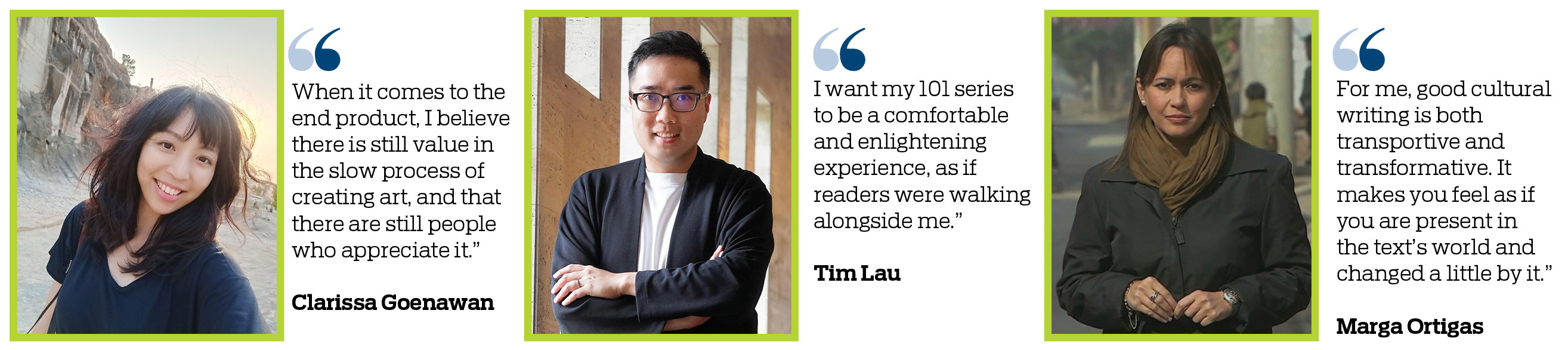
According to Indonesian Singaporean novelist Clarissa Goenawan, though travel involves going to a destination while culture can be rooted in “a perspective or a lived experience”, the two categories often overlap.
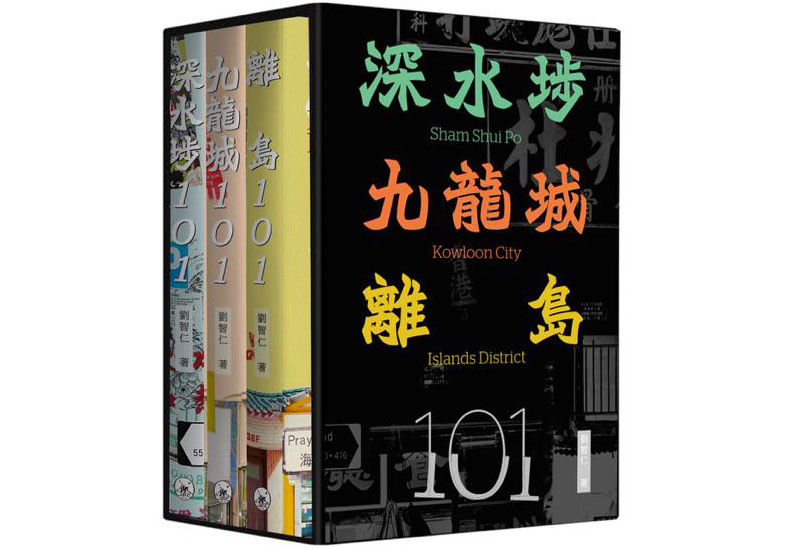
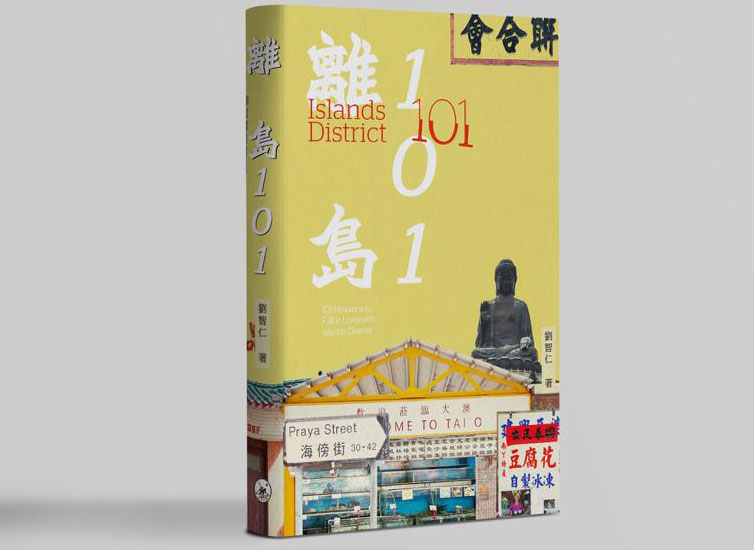
“They can exist as two separate literary forms, but they can also be combined into one to present a richer experience to readers,” says Hong Kong writer Tim Lau. His 101 series breaks down Hong Kong’s 18 districts from a cultural perspective, offering 101 insights that do more than pointing the reader to a district’s best coffee shops.
Filipino journalist and writer Marga Ortigas, a former Asia and Middle-East correspondent for CNN and Al Jazeera, says that exposure to the culture of the place being visited is inevitable. Travel without absorption of culture “confines the experience to the superficial and threatens to be absent of meaning,” she adds.
Lau’s seminar at HKBF, “Untold Stories of Outlying Islands”, is one of the fair’s key themed seminars, which also includes “Prague Uncovered: A Local’s Guide to Modern and Contemporary Architecture” with researcher and author Štepán Beneš and arts manager Dominika Brunegrafová; and “A Look Back at Hong Kong’s Century-Old Attractions, Entertainment, and Events” with folk expert and amateur Hong Kong historian Cheng Po-hung, author of A Century of Hong Kong Island Roads and Streets. “Stories Across Borders: Women Writers, Creativity and Storytelling” features Ortigas and Goenawan, whose Rainbirds explored the mysteries of small-town Japan. Ringo Tang, Lee Jyu-hing and Au-Yeung Ching-chi discuss the impact of City Magazine on local culture in “Shaping Style, Leading Trends — 50 Years of City Magazine’s Journey”. And popular Shenzhen-focused YouTube blogger-turned-guide-writer SaiDorsi leads attendees “on a tour of ancient capitals and famous towns”.
AI vs the human hand
Today, travel writing published in the form of books and legacy media — traditional broadsheet newspapers and their fat Sunday Editions with long-form features — must compete with text-free Instagram, TikTok and Xiaohongshu content that can be consumed in tiny bites. Nonetheless, as Lau puts it, its value lies in “creating a space for imagination, and in a way, it is also a means to mental and spiritual rejuvenation”.
All of which leads to the elephant in the room: the emergence of artificial intelligence (AI). As big tech operators continue to insist that AI is the future, how it might impact travel writing remains an undiscovered country. Travel and culture tomes have evolved since the days of Forster and Newby. Tastes and expectations have changed. The pandemic made travel writing crucial to our collective mental health. Goenawan says that the scope for travel writing has expanded, citing Evangeline Neo’s comic Manga Lover’s Tokyo Travel Guide as an example of a fresh format.
AI is the next big step, and indeed, it and social media have changed our reading habits. Even as we seem to gravitate toward 200-word bites explaining the significance of Lamma Island, AI can produce a 400-page book, in any style and on any subject, in minutes or hours — never mind that the product is based on pilfered material.
Ortigas sees the march of technology now as a time of terrifying precipice in terms of consciousness, identity, and spirituality. Goenawan concedes that AI has the potential to be transformative while raising ethical concerns. “When it comes to the end product, I believe there is still value in the slow process of creating art, and that there are still people who appreciate it. While some people are content with affordable, mass-produced household items, others are willing to spend thousands of dollars on handcrafted artisan tea bowls.”
Lau argues that writers do not simply put words on paper. Insight, personal experience, wit and unseen connections are the writer’s assets — material that AI cannot replicate. Lau visited every single island in Hong Kong’s Islands district and found long-term residents and shop owners that no media had ever spoken to. “AI can’t do that,” Lau states. “I want my 101 series to be a comfortable and enlightening reading experience — as if readers were walking alongside me. … After reading all 101 stories, they not only gain a deeper understanding of each area, but also experience a degree of personal and spiritual enrichment.”
ALSO READ: Book fair hailed as a gateway for deeper intl cultural ties
Ortigas echoes Goenawan, wondering if AI isn’t prompting a new appreciation for slow reading by default. “AI might be able to churn out a ‘book’ in minutes, but the text is usually drivel and quite obviously soulless. Flat,” she says.
Indeed, research by University College Cork and the University of Florida, among others, confirms that AI text often shows a pattern that is different from words written by the human hand. Besides, AI is able to “create” writing about journeys and experiences based on algorithms of the reader — writing that could prompt real-life journeys. However, as Ortigas says, “To rephrase Hemingway: Writing is bleeding on the page. It is authentic, it is raw, it is true. And it necessitates a soul. It has a shape and feel that cannot be replicated by technology.”
“Reading travel books serves as a form of ‘chicken soup for the soul’,” Lau says, adding that books on the subject create room for imagination, rejuvenation and pathways to a different time and space.
“For me, good cultural writing is both transportive and transformative,” says Ortigas. “It makes you feel as if you are present in the text’s world and changed a little by it.”
If you go
Hong Kong Book Fair
Date: Through Tuesday
Venue: Hong Kong Convention and Exhibition Centre, 1 Harbour Road, Wan Chai
www.hktdc.com/event/hkbookfair/en
The writer is a freelance contributor to China Daily.
