

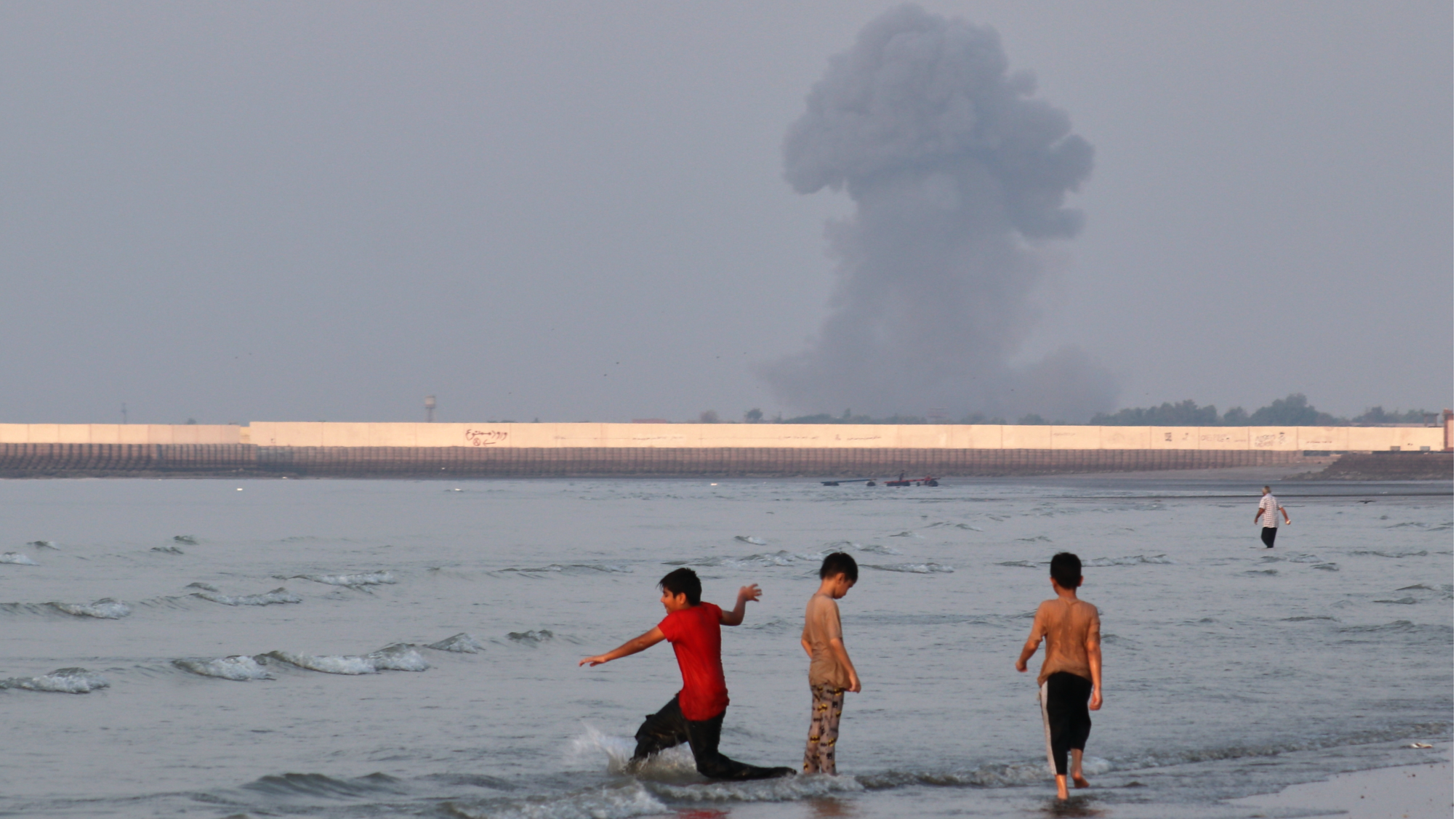
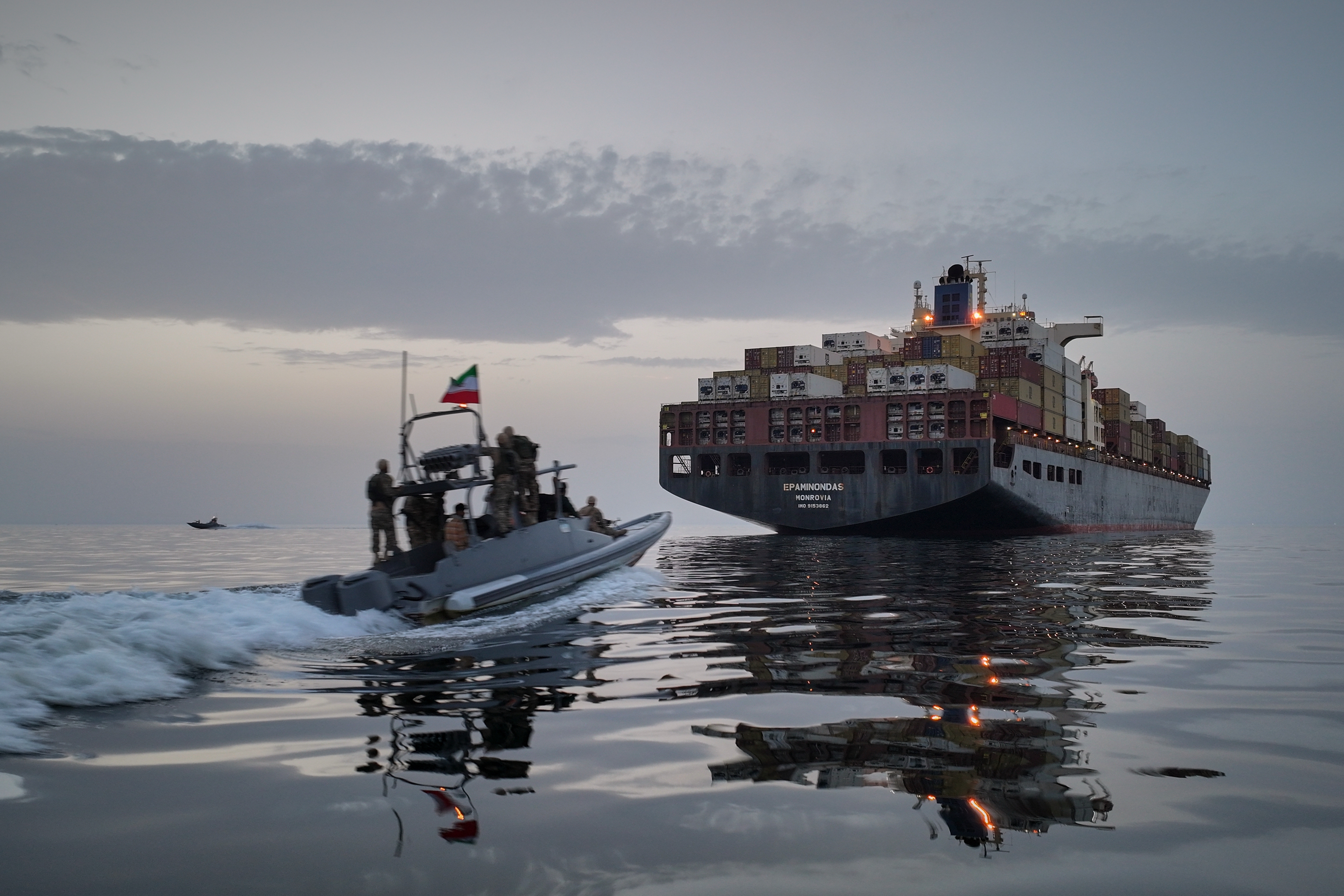
WASHINGTON/TEHRAN/UNITED NATIONS/MANAMA – US forces on Wednesday fired missiles on and disabled an unladen oil tanker attempting to sail toward an Iranian port in the Arabian Gulf, the US Central Command said.
The commercial vessel, identified as Curacao-flagged M/T Belma, "ignored multiple warnings as it attempted to violate the US blockade," the command said in a post on social media.
A US aircraft disabled the vessel sailing toward Kharg Island after firing hellfire missiles into the ship's smokestack, it added. "The ship is no longer transiting to Iran."
US forces reimposed its naval blockade against vessels transiting to or from Iranian ports and coastal areas on Tuesday.
ALSO READ: Fresh strikes stoke jitters in Middle East
The US military on Wednesday conducted two waves of strikes against Iran, the US Central Command said earlier.
"At 3 pm ET (1900 GMT), US forces launched operations for a second wave of strikes today against Iran," the command wrote in a post on X. "The strikes are targeting Iranian military capabilities used to threaten vessels freely transiting through the Strait of Hormuz."
Earlier on Wednesday, the command said that it had begun launching a wave of strikes against Iran at 6 am Eastern Time (1000 GMT). During the 90-minute wave, the forces launched precision munitions against coastal defense systems and cruise missile storage and launch sites on Greater Tunb Island.
On Tuesday, the United States conducted a series of strikes against Iran after resuming a naval blockade of its ports in the strait.
Late Tuesday, the US military said it had hit dozens of military targets, including missile and drone sites, naval capabilities, and coastal defense systems, near the Strait of Hormuz and Iranian coastal areas in strikes lasting seven hours.
Iranian health ministry: 35 killed, over 300 wounded in US attacks
The recent US attacks on southern Iranian provinces had killed 35 people and wounded more than 300 others, the Iranian Health Ministry said on Wednesday.
Hossein Kermanpour, head of the ministry's public relations, said on social media platform X that two women and one teenager were among the victims.
The southern Hormozgan province and southeastern Sistan and Baluchestan province recorded the highest number of casualties, with 72 of those wounded remaining hospitalized, added Kermanpour.
ALSO READ: US-Iran strikes deepen crisis amid dispute over waterway
The Iranian Army said in a statement on its website that seven soldiers were killed and 13 others wounded in an attack early Wednesday, which targeted a garrison in Bampur County in Sistan and Baluchestan province.
The US military has launched several waves of strikes against Iran's southern provinces over the past few days, claiming that the attacks were in response to the Iranian armed forces' targeting of vessels in the Strait of Hormuz and aimed at "degrading Iran's ability to threaten commercial shipping."
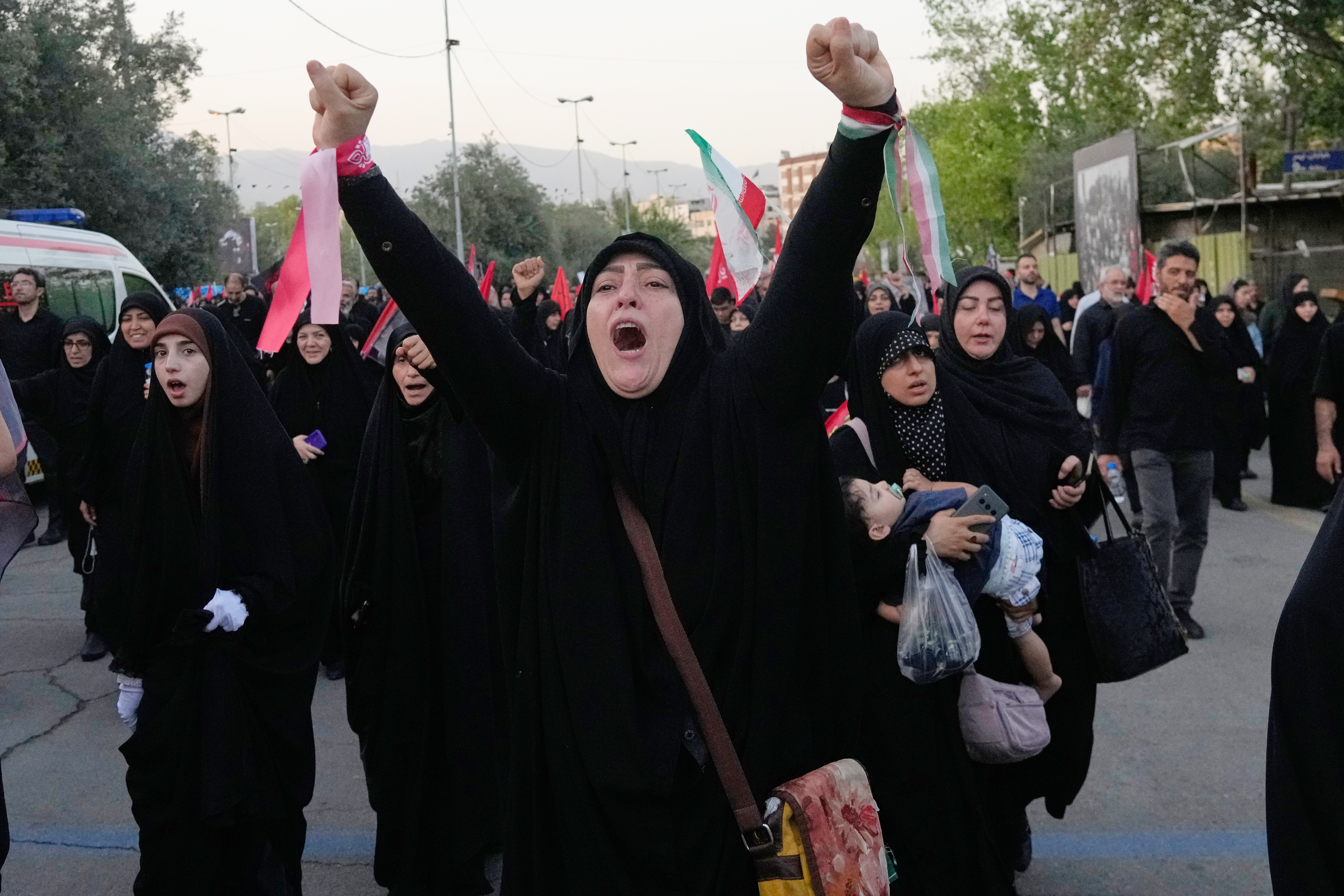
Iran has responded with waves of missile and drone attacks targeting US military bases and facilities in the West Asia region.
Qalibaf: Tehran won't allow enemy to impose its will
Also on Wednesday, Iran's Parliament Speaker Mohammad Baqer Qalibaf said the country's national security is tied to maintaining "Iranian arrangements" in the administration of the Strait of Hormuz, stressing that Tehran will not allow the "enemy" to impose its will.
In a statement, Qalibaf, also the head of Iran's negotiating team, said that the United States seeks to deal blows to Iran whenever possible to advance its own interests, stressing that Iran should adopt its approaches during war or negotiations based on its national interests and security, realism, and long-term strategy.
He noted that Iran does not welcome war, "but we always must be ready for battle" to safeguard national security and interests.
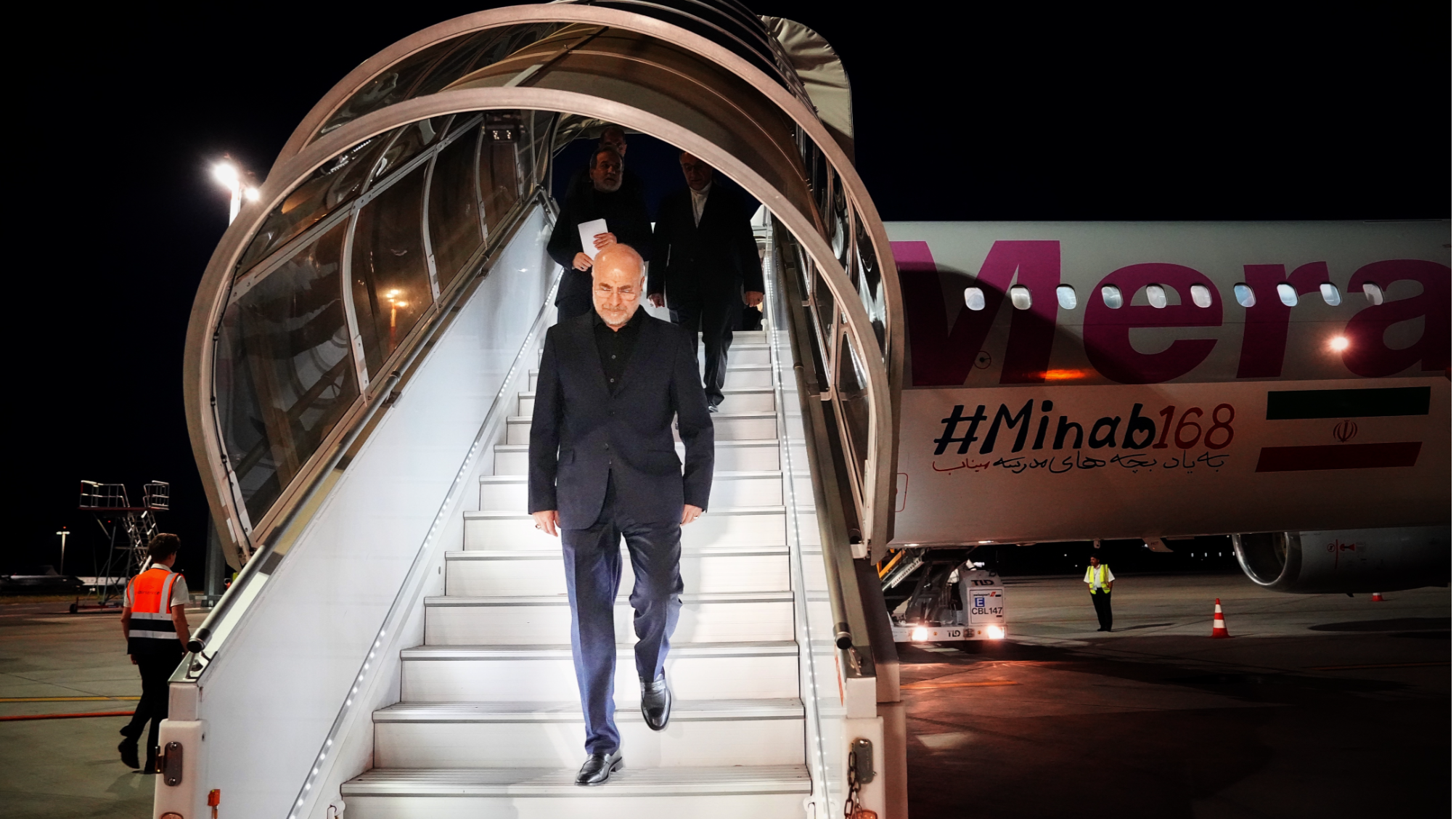
Qalibaf added that diplomacy and negotiation should be pursued in parallel to ensure the national interests.
Addressing the recently signed peace memorandum of understanding (MoU) with the United States, which envisioned a 60-day negotiation period for a final agreement, the speaker said that the MoU is meaningful only when its provisions are honored and implemented; otherwise, if Iran is not supposed to benefit from the deal, it sees no reason to remain committed to it.
The MoU, signed on June 18 and aimed at ending the war in the region on all fronts, including Lebanon, now hangs in the balance as clashes between Iranian and US forces have erupted over the past few days.
UN chief voices concern
At the United Nations, UN Secretary-General Antonio Guterres is deeply concerned by the continuing military escalation in the Middle East region, said his spokesman Stephane Dujarric on Wednesday.
Guterres calls on all parties to take immediate steps for de-escalation and return to the path of dialogue and diplomacy, said Dujarric.
READ MORE: Iran's president says Tehran, Moscow reject unilateralism
"The secretary-general reiterates that a return to full-scale hostilities would exact an intolerable toll on civilians and have catastrophic consequences for international peace and security and the global economy," said the spokesman.
"The secretary-general reiterates his call for the full restoration of international navigational rights and freedoms in and around the Strait of Hormuz. The exercise of navigational rights and freedoms must be respected by all parties in accordance with international law," he added.
Bahrain says air defenses intercepted Iranian projectiles
In Manama, the General Command of the Bahrain Defence Force said its air defense systems intercepted several Iranian projectiles on Wednesday morning.
In a statement, the general command said Iran is continuing its "systematic hostile approach" through missile and drone attacks "targeting civilians" in the kingdom.
Earlier on Wednesday, Iran's Islamic Revolution Guard Corps (IRGC) said it destroyed the command and control center, naval support management center, warehouses, and fuel tanks at the US Fifth Fleet base in Bahrain in retaliation for US attacks.
Iran summons British envoy
Meanwhile, the Iranian Foreign Ministry on Wednesday summoned the British ambassador to Tehran, Hugo Shorter, over the British government's move to designate the IRGC as a national security threat.
Alireza Yousefi, director general for Western Europe at the ministry, who summoned the British envoy, conveyed Tehran's strong protest against the "hostile" action, said the ministry in a statement.
Yousefi slammed recent "inappropriate" anti-Iran remarks by British Security Minister Angela Eagle in an address to the parliament, noting that making "baseless" claims against the IRGC is an "irresponsible move and in contradiction with the British government's international commitments as well as the fundamental principles governing relations among states."
Eagle said in a written statement that Britain has "identified activity linked to the IRGC involving threats to life and intimidation on UK soil." The British government announced Monday that it was moving to designate the IRGC and two other organizations as national security threats.
Trump: Iran released US citizen detained since 2024
In Washington, US President Donald Trump said Wednesday that Iran has allowed a US citizen, who was detained in December 2024, to leave the country.
"She is now safely outside of Iran, and in good condition. The United States of America appreciates this gesture of Goodwill by Iran!" Trump said on Truth Social.
The US citizen, who was later identified as Dena Karari, had been trapped in Iran since December 2024 on bogus charges and is now safe and traveling back to the United States, according to her lawyer Jared Genser.
