

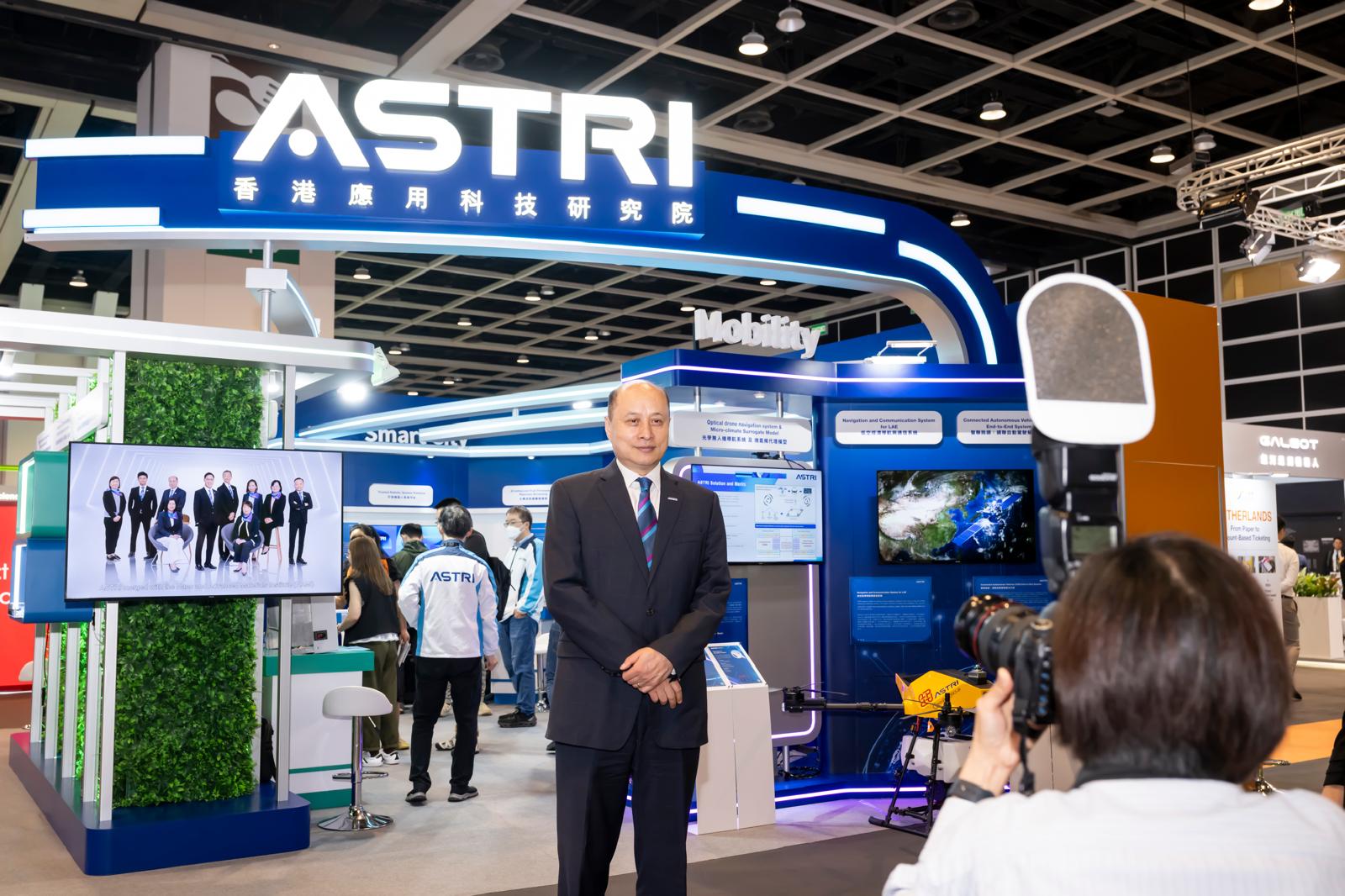
Hong Kong’s leading applied-research body highlighted the need to explore various artificial-intelligence and advanced materials in a way that aligns with industry needs.
Huang Ying, chief technology officer of the Hong Kong Applied Science and Technology Research Institute (ASTRI), shared these insights in a recent interview with China Daily.
ASTRI also outlined detailed advantages and implementation strategies for integrating these technologies with local industries, supported by a large number of practical case studies for reference.
ALSO READ: HK boosts its role as knowledge and innovation hub
One of its key objectives is to enhance Hong Kong’s strengths in converting self-developed innovations into commercial solutions, Huang said.
Huang added that Hong Kong’s research ecosystem has a remarkable record of generating high-quality scientific knowledge. However, significant potential exists to unlock greater commercial value from these innovations.
According to Huang, this challenge stems from the city’s emerging high-tech industrial chain — particularly in areas like semiconductors and advanced manufacturing — which offers room for growth. Strengthening partnerships with industrial stakeholders capable of scaling local innovations will be key to seizing this opportunity.
To foster a better balance, he is encouraging Hong Kong scientists to incorporate commercial considerations much earlier in the research process, particularly during the project design phase. He suggested that public research funding bodies, including ASTRI, emphasize the importance of developing solutions tailored to the needs of “real customers”. By aligning research initiatives with clear industry pain points, Hong Kong can better translate into impactful real-world applications, he said.
Turning to the technology transfer phase, Huang advocated for “government-backed, local pilots” models, which serve as effective mechanisms for testing and refining products before their official commercial launch.
He said that with a proven technology, teams must proactively leverage Hong Kong’s unique geopolitical and economic vantage point — its connectivity linking the local, Chinese mainland and global markets — to learn how different regions operate and adapt technologies to meet diverse cultural and regulatory requirements.
READ MORE: High hopes on HK to spearhead innovation
Hong Kong’s role as a superconnector is on full display, Huang said, citing the ongoing three-day LEAP East 2026 technology fair — which opened on Wednesday — as the latest evidence. The event showcases the city’s bridging power and offers opportunities for local businesses and researchers to understand external market needs and initiate international partnerships.
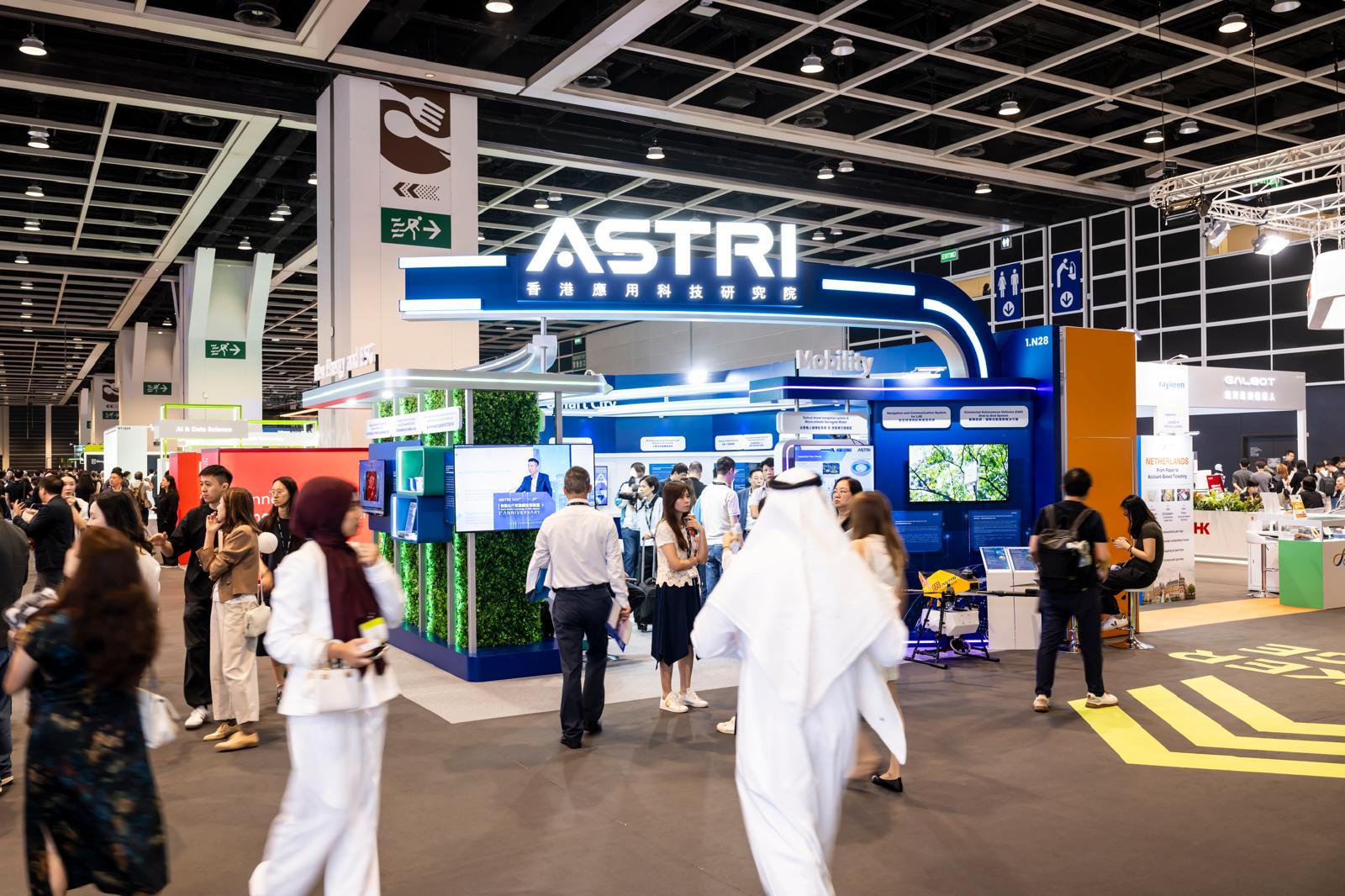
Held at the Hong Kong Convention and Exhibition Centre, LEAP East marks the first expansion of the renowned technology platform originating from the Middle East into the Asia-Pacific region.
ASTRI also displayed a lineup of advanced solutions across renewable energy, intelligent mobility, sustainable construction and green innovation.
Huang said that ASTRI’s participation in LEAP East is more about building stronger connections with Middle Eastern markets and their research communities. Its goal is to get a “precise, firsthand” understanding of how high-tech innovations are currently being adapted to meet the industrial pain points across regions.
On the opening day of the exhibition, ASTRI engaged in productive talks with several Middle Eastern-based research bodies. The conversations reaffirmed that areas such as AI, information and communications technology, green and low-carbon solutions, plus battery and advanced energy storage materials, are directly aligned with Middle Eastern market demand.
Many Middle Eastern countries are now navigating a high-stakes bid to reduce their reliance on oil and gas revenues, diversify their economies, and make sustainability goals a part of their future growth.
Huang added that Hong Kong — bolstered by strong local research-and-development capabilities, globally aligned legal and industry standards systems, and ready access to the mainland — is uniquely placed to forge a “value-added, two-way flow” of innovation.
He said the idea is to make mainland innovations travel outward through the city, international expertise flow inward, and Hong Kong’s homegrown technologies add value to both, yielding integrated products built for a world whose needs outstrip what any one place can offer.
Contact the writer at wanqing@chinadailyhk.com
