

Study indicates China's eastern coastal eating habits can lower risk of obesity, heart disease
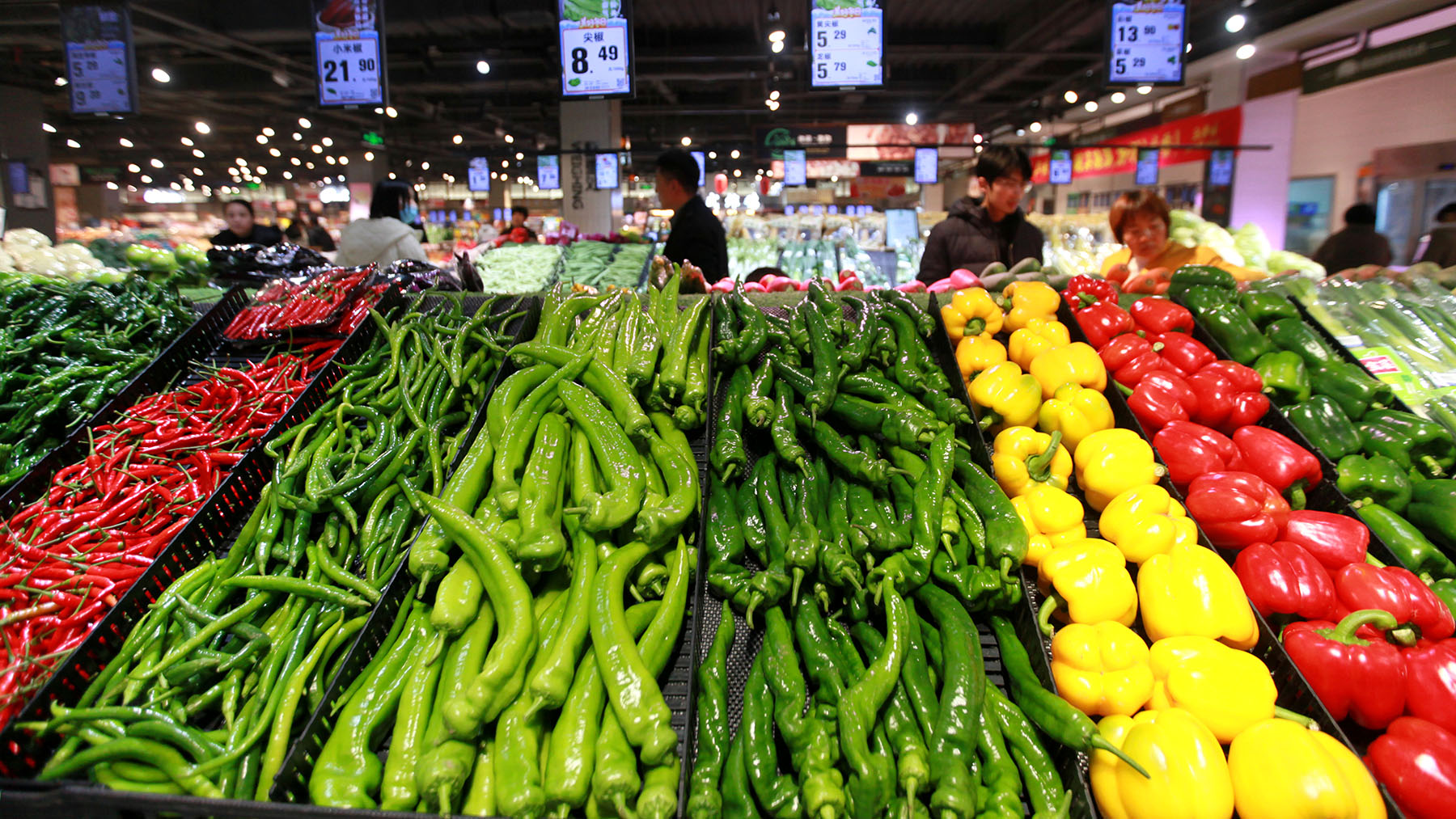
At neighborhood markets in Hangzhou, Zhejiang province, summer mornings begin long before the city has fully woken.
Stalls brim with freshly harvested lotus seed pods, leafy greens glistening with dew, seasonal mushrooms, freshwater fish from nearby rivers and ponds, and tofu and vegetables that have long been staples of local kitchens.
For generations, these foods have simply been part of everyday life in the eastern coastal region south of the Yangtze River. They were never marketed as "superfoods" or assembled according to a scientifically designed nutrition plan. Rather, they emerged naturally from a landscape rich in waterways, fertile farmland and a deep respect for the seasonal availability of produce.
Now, modern science is looking at whether this traditional way of eating may offer important lessons for the future of public health.
A study recently published in Nature Health has identified what researchers call the "EastDiet" — an eating pattern associated with lower risks of obesity and cardiovascular disease and rooted in the food traditions of China's eastern coastal region.
Led by Professor Zhu Shankuan at Zhejiang University's School of Public Health, the study was conducted in collaboration with the National Institute for Nutrition and Health under the Chinese Center for Disease Control and Prevention and the Nutrilite Health Institute.
The findings suggest that people who adhere to this diet have a roughly 22 percent lower risk of major adverse cardiovascular events, and a 17 percent lower risk of central obesity. Among men, the protective effect was even stronger, with cardiovascular risk reduced by as much as 36 percent.
What makes the discovery even more interesting is that the EastDiet was not created in a laboratory or developed as a meal plan. Instead, researchers identified it by analyzing the eating habits of thousands of ordinary people.
The study seeks to answer an increasingly important question: beyond the Mediterranean diet, is there a healthy diet deeply rooted in Chinese culture and lifestyle that can also be validated by modern science?
Zhu said this question was the starting point of the research.
"The concept of the EastDiet was not something we designed ourselves," he said. "We didn't begin with a predetermined answer and ask people to follow it. We wanted to see whether a healthier dietary pattern already existed within the real population."
A real-world recipe
For decades, discussions about healthy eating habits have largely revolved around the Mediterranean diet.
Rich in olive oil, nuts, whole grains, fruits, vegetables and seafood, the diet has been linked to lower risks of cardiovascular disease and metabolic disorders, making it one of the most widely recommended dietary models in public health.
But China's culinary traditions, food systems and eating habits differ dramatically from those of the Mediterranean region. From the hearty stews of the northeast and the spicy cuisine of Sichuan and Chongqing to Cantonese soups and the freshwater specialties of the eastern coastal region, China's food culture is far too diverse to fit neatly into an imported framework.
If healthy eating should be grounded in everyday life, could China already have its own healthy diet?
Seeking answers, Zhu's team turned to existing data.
The study drew on the WELLChina cohort, which recruited nearly 10,000 residents from three urban districts of Hangzhou between 2016 and 2019. Researchers followed 8,931 healthy adults for an average of 6.3 years.
Rather than deciding in advance which foods were healthy, the team employed an unsupervised clustering approach, allowing patterns to emerge naturally from data based on the consumption of 22 food groups.
Two major dietary patterns surfaced. Nearly 46.8 percent of participants fell into one distinct cluster, which researchers named the East-Diet.
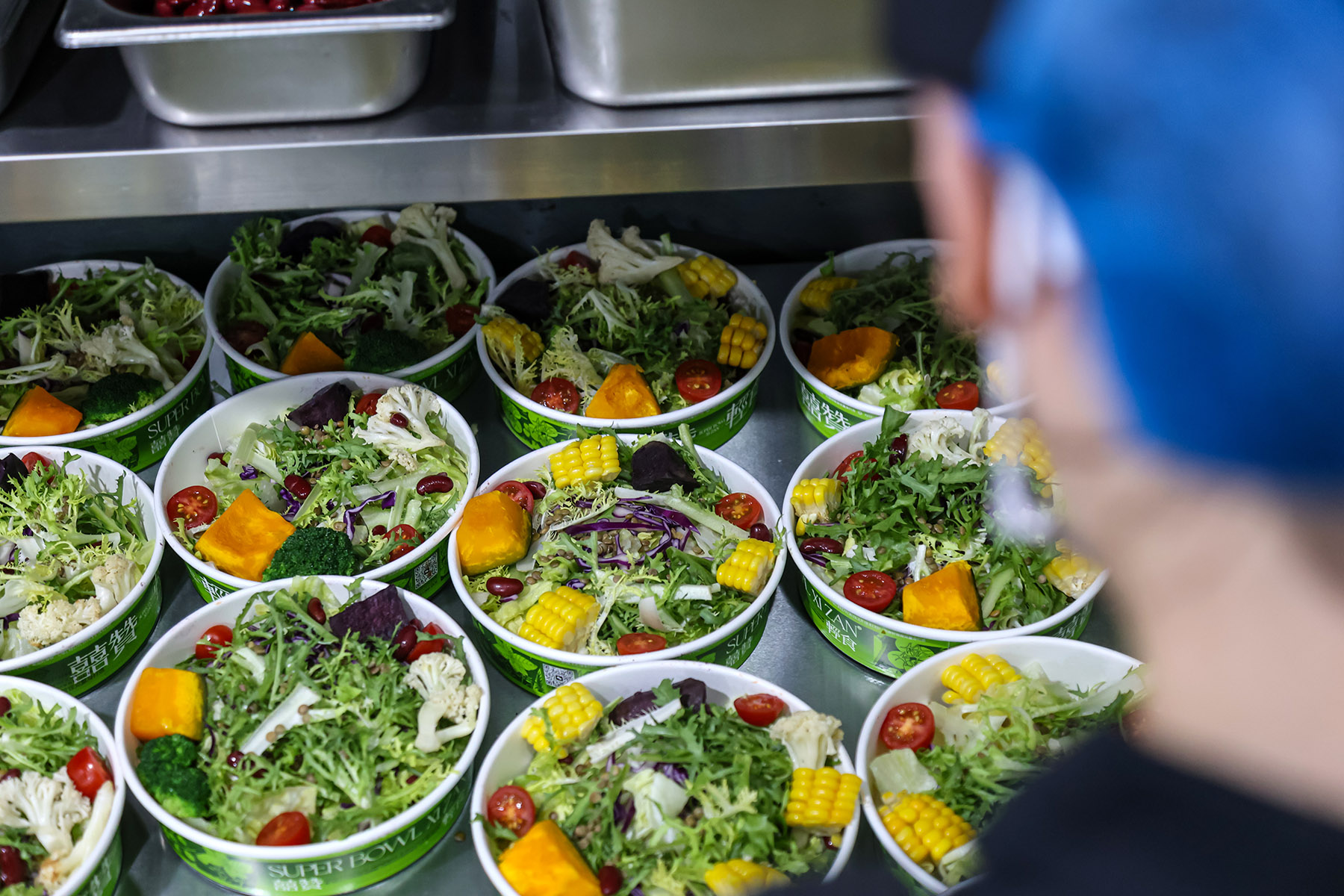
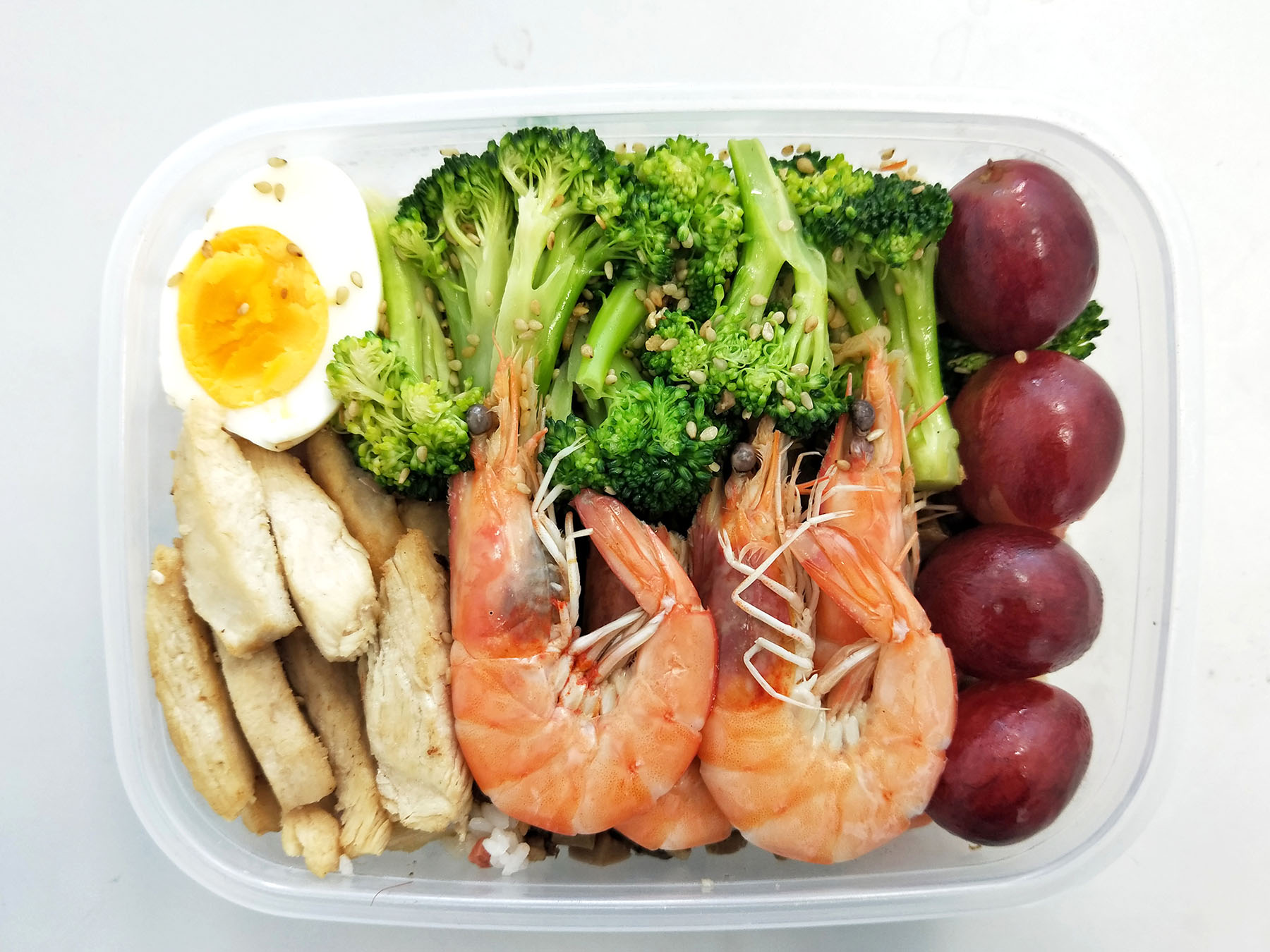
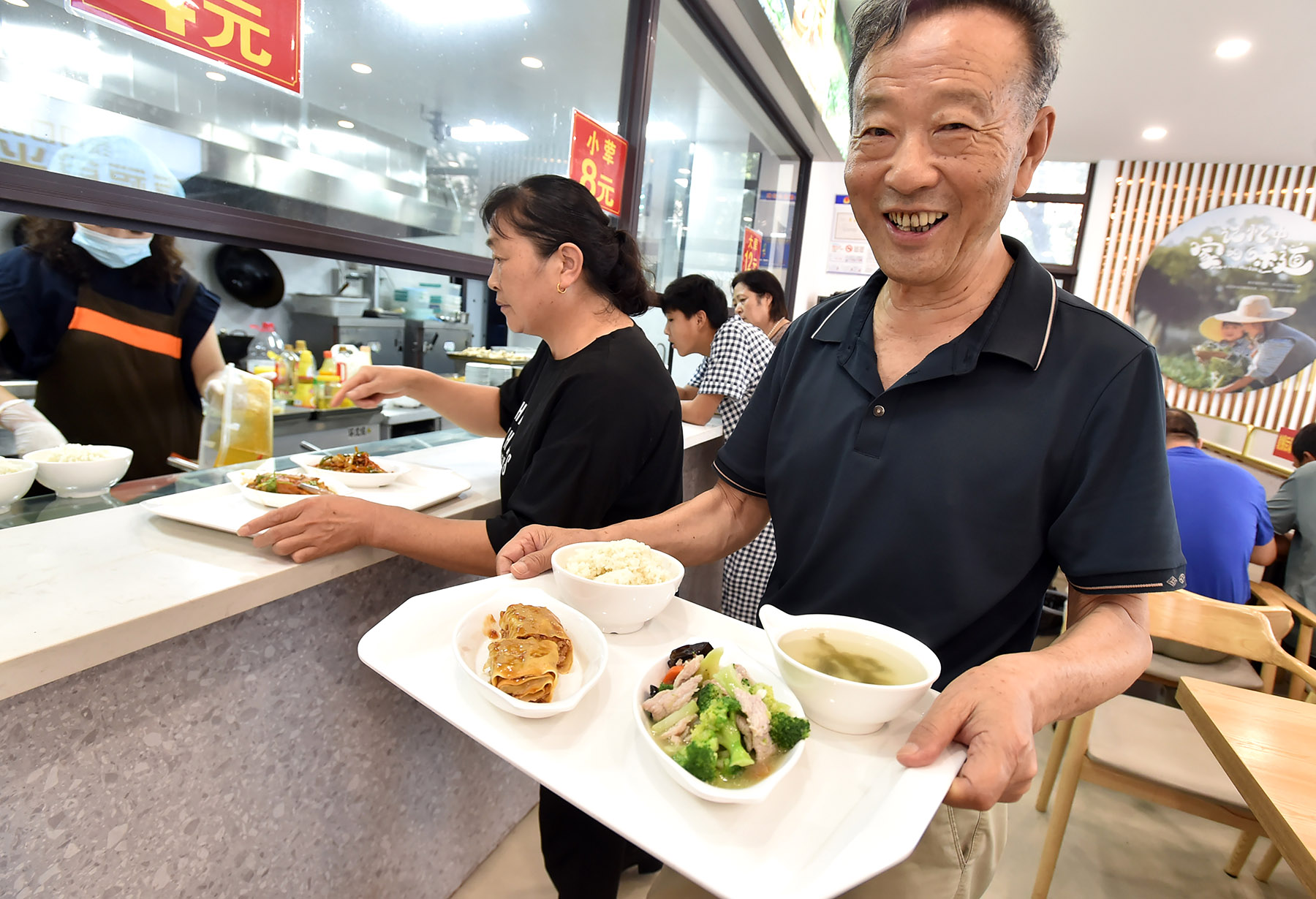
The pattern was characterized by higher consumption of vegetables, fruits, whole grains, nuts, dairy products and eggs; greater intake of seafood and freshwater fish; more soy products, mushrooms and starchy root vegetables such as sweet potatoes, taro and lotus root; and lower consumption of refined grains, fried foods, red meat, processed meat and alcohol.
Shi Yuwei, the paper's first author and a doctoral student at Zhejiang University, said the logic behind the EastDiet is straightforward.
"It is essentially a diet with more plant-based foods, more whole grains replacing refined staples, a greater diversity of high-quality protein sources, and less processed food and excessive red meat," Shi explained.
The pattern aligns closely with modern nutritional recommendations, yet it was not invented by nutrition scientists. "It has always existed in Chinese daily life," Zhu said.
What makes region special?
A closer look at the diet reveals unmistakable characteristics of China's eastern coastal region.
Freshwater fish and aquatic products, tofu and other soy foods, bamboo shoots, mushrooms, lotus root, taro and a wide variety of seasonal vegetables all feature prominently in the dietary pattern.
Yu Bin, founder of the Michelin two-star restaurant Jie Xiang Lou in Hangzhou, said this is hardly surprising.
The diet, he said, was shaped not by health-conscious planning but by geography and generations of accumulated culinary wisdom. "Hangzhou places tremendous emphasis on terroir (the combination of soil, climate, and sunlight) and seasonal freshness," Yu said.
In the eastern coastal region's culinary tradition, the changing seasons dictate not only the landscape but also what is put on the dining table.
Spring brings shepherd's purse, Indian kalimeris and bamboo shoots. Summer offers lotus seed pods, water caltrops and tender freshwater delicacies. Autumn is the season of lake crabs and aquatic produce, while winter features winter bamboo shoots and preserved foods.
This seasonal rhythm naturally increases dietary diversity, a characteristic increasingly recognized by nutrition researchers as a hallmark of healthy eating.
Modern nutritional science suggests that good health rarely comes from eating a single "superfood". Instead, it emerges from a varied and balanced diet.
The traditional food culture of China's eastern coastal region appears remarkably consistent with contemporary understandings of healthy eating.
The region's dense network of rivers and lakes has also shaped its protein sources. Unlike many regions where livestock has historically dominated the dinner table, freshwater fish, shrimp and other aquatic products have long played a central role in local diets. Soy products such as tofu, dried bean curd and tofu sheets further diversify protein intake.
What may appear to be ordinary dietary choices today, researchers argue, form the nutritional backbone of the EastDiet.
The study also uncovered a culturally intriguing feature: people adhering to the EastDiet generally preferred lighter flavors. For many consumers accustomed to heavily seasoned food, "light" flavors are often associated with blandness.
Yu disagrees. "People should be able to taste the ingredient itself," he said. "Freshness comes from the ingredient. Seasoning should be restrained."
This philosophy has long shaped Hangzhou cuisine, where steaming, braising, poaching and gentle simmering are widely used to highlight natural flavors rather than mask them.
What traditional cooks describe as qingdan xianhua — light, fresh and smooth — is, in essence, respecting the ingredient's original taste.
Remarkably, this culinary philosophy aligns closely with modern nutritional advice to reduce excessive salt, sugar and ultra-processed foods.
Unlike the Mediterranean diet, which relies heavily on olive oil, China's eastern coastal food culture developed its own form of what might be called "subtraction cooking" — preserving natural flavors while minimizing unnecessary calories and sodium.

Microbes matter
If culinary traditions explain how the EastDiet emerged, biomedical science is beginning to explain why it may be beneficial.
The researchers found significant associations between the EastDiet and 96 circulating blood metabolites. They also identified 21 gut microbial genera linked to the dietary pattern.
Many of these microbes are involved in the fermentation of dietary fiber and the production of short-chain fatty acids, compounds increasingly associated with reduced inflammation, improved metabolic health and cardiovascular protection.
The study further found higher levels of several beneficial metabolites among EastDiet followers, including indole-3-propionic acid (IPA), a gut-derived compound that has attracted growing attention for its potential protective effects against cardiometabolic disease.
Together, the findings suggest a biological pathway linking diet, gut microbes, metabolism and disease risk.
Nutritionist Gu Zhongyi was not surprised by the results. "Food shapes the gut microbiome," he said. "The foods people eat over time select certain microbial communities, and those microbes in turn influence metabolism."
At the same time, Gu cautioned against overinterpreting the findings. "This remains an observational study," he said. "Further randomized controlled trials are needed before causality can be firmly established."
Still, he believes the study's greatest strength lies in its real-world relevance.
"This isn't an idealized dietary intervention designed in a laboratory," he said. "It reflects what people are actually eating. Seeing a roughly 20 percent health benefit under real-life conditions is already very meaningful."

Cost-effective benefits
For ordinary consumers, the value of the EastDiet lies less in complex metabolic pathways than in its practicality. Gu argues that the diet offers not a rigid menu but a set of principles that can be adapted to modern life.
One of the most important lessons, he said, is reducing reliance on refined carbohydrates.
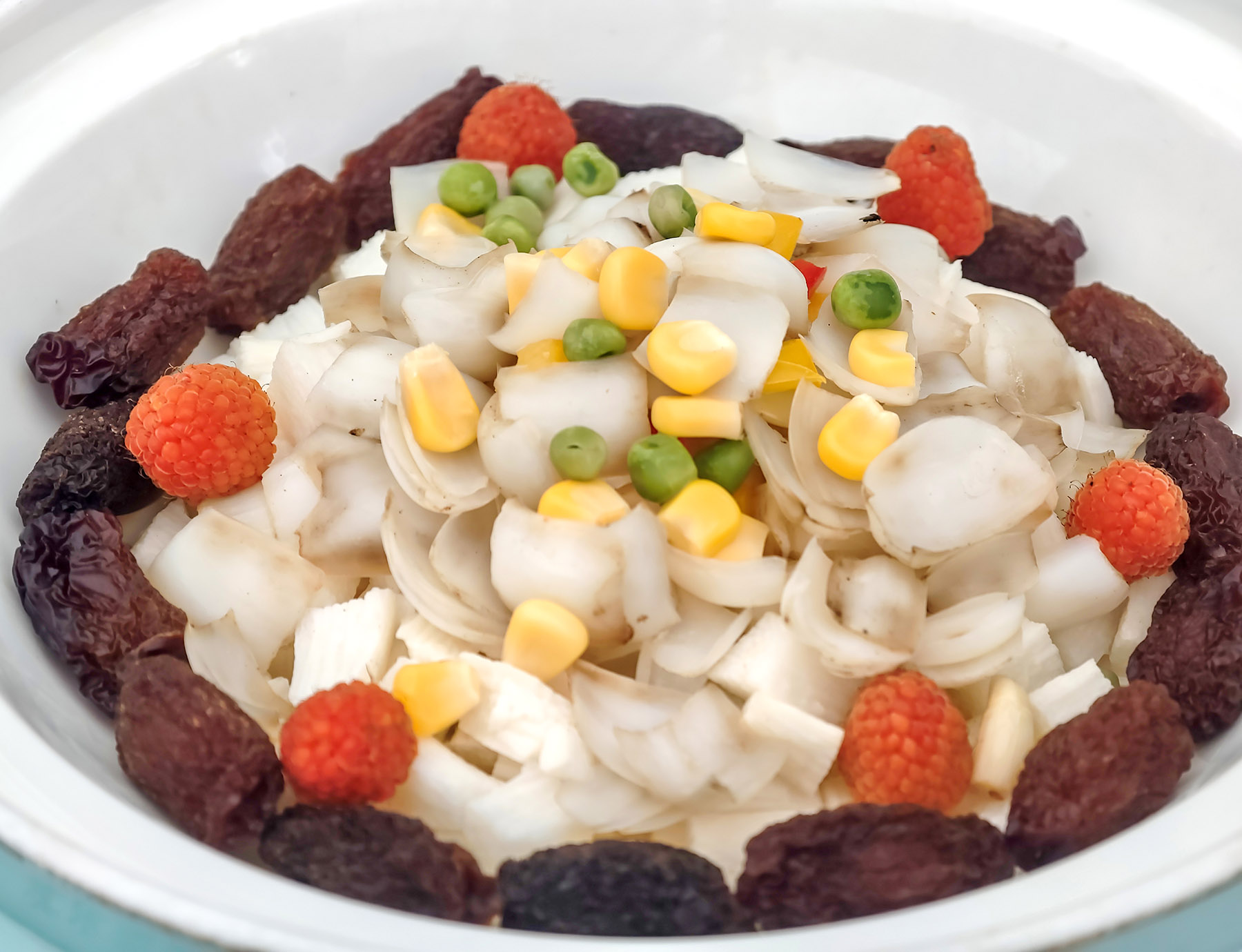
The EastDiet incorporates a variety of root vegetables, including sweet potatoes, taro and lotus root, to replace some of the refined rice and wheat products that dominate many modern diets.
This simple substitution can increase fiber intake, stabilize blood sugar levels and provide fuel for beneficial gut microbes. Meanwhile, tofu, dried bean curd, mushrooms and other traditional ingredients remain affordable and widely available throughout China.
"They are among the most cost-effective health foods you can find," Gu said.
For young urban professionals increasingly dependent on food delivery services, he recommends focusing on achievable improvements rather than perfection. "The first step is finding reliable restaurants," he said.
He also encourages consumers to ensure each meal contains vegetables and quality protein while limiting fried foods and heavily seasoned dishes.
"Healthy eating doesn't have to be expensive, nor does it require a complete lifestyle overhaul," Gu said."Small changes sustained over time often produce the biggest results."
A Chinese model
To determine whether the East-Diet was unique to Hangzhou, researchers subsequently validated the findings in an independent cohort spanning multiple Chinese cities.
The results were strikingly consistent. Both the dietary pattern itself and its association with lower risks of central obesity were replicated across the validation cohort.
The findings suggest that the EastDiet may represent more than a regional eating habit. It could serve as the foundation for a broader Chinese framework for healthy eating.
The research team has already extended follow-up data through early 2026 and plans to develop an EastDiet scoring system that can be used in future intervention studies and public health assessments.
Zhu said the study's significance extends beyond nutrition science.
ALSO READ: With child weight gain on the rise, hospitals innovate
For decades, discussions about healthy eating in China have often looked outside the country for answers. This research suggests that some of those answers may already exist within China's own culinary traditions.
"We can think of the EastDiet as a Chinese version of the Mediterranean diet," Zhu said. "But unlike a diet that was designed, this one grew naturally out of the real lives of Chinese people."
From the fish, lotus roots and soy foods of China's eastern coastal region to the metabolomic maps and microbiome analyses of modern laboratories, the EastDiet represents more than a new scientific concept.
It is a rediscovery of a way of eating that has existed for generations — one that modern science is only now beginning to measure, understand and validate.
As dietary habits around the world become increasingly homogenized and chronic diseases continue to rise, the evidence emerging from China's own dining tables may offer a new vision of healthy eating for the future.
Contact the writers at liyingxue@chinadaily.com.cn
