

Captivating drama delves into the rich traditions of Chinese artistry, intertwining history and storytelling to celebrate a national heritage, Xu Fan reports.
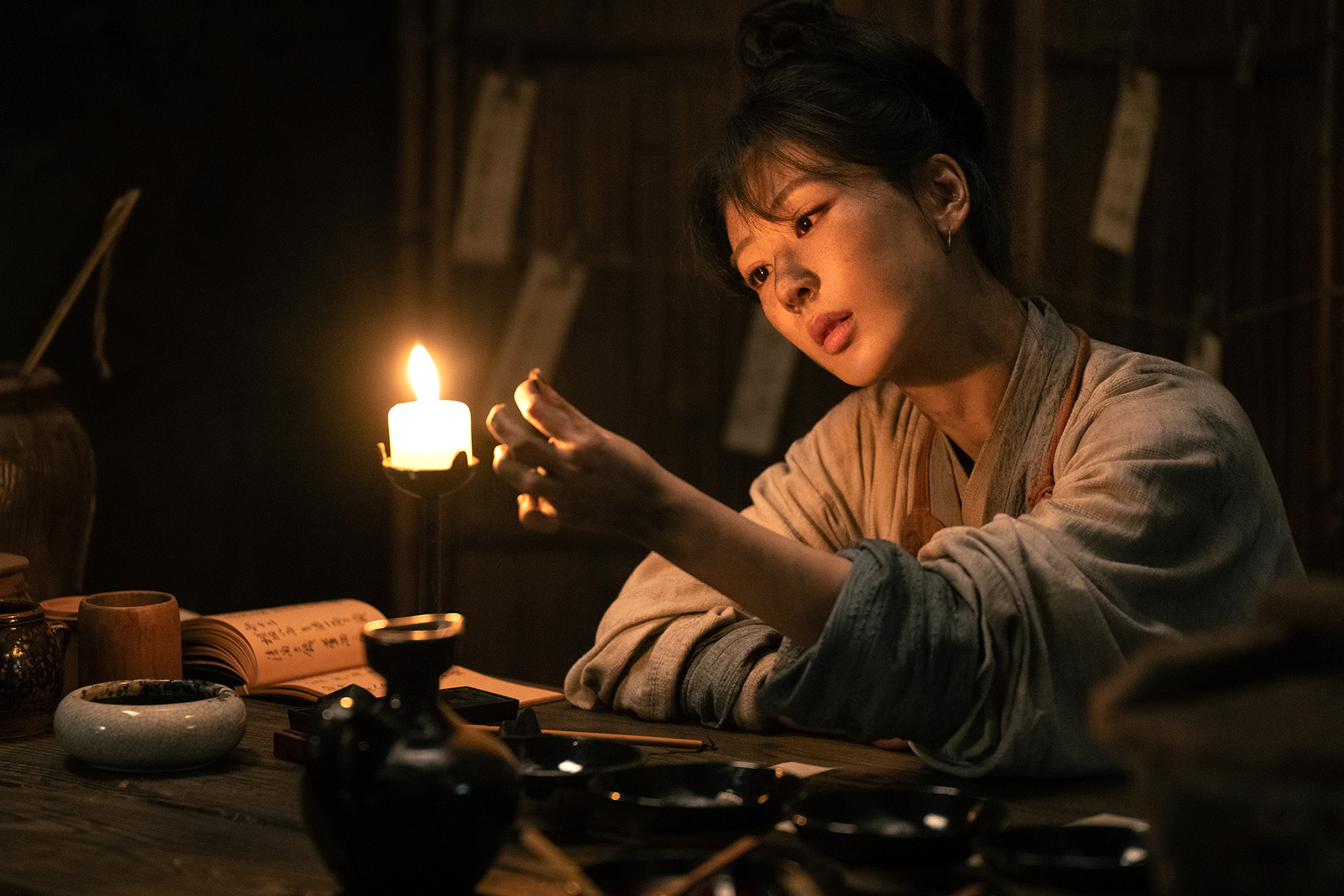
Just add a few drops of clean water and gently grind the ink stick against an inkstone. Soon, rich black ink begins to dissolve and spread across the stone's surface — a scene so familiar to Chinese intellectuals that it once felt as natural as breathing.
As the essential material for Chinese calligraphy and brush painting, ink — one of the "four treasures of a scholar's study" — holds a special place in Chinese culture. Historical records show that making a single stick of Hui ink, one of the most famous types of Chinese inks, requires 36 steps, from collecting soot to carving and gilding. The process can take anywhere from four months to a year.
Huizhou, shortened as Hui, refers to an ancient geographical area covering parts of today's Huangshan city and Jixi county in Anhui province, as well as Wuyuan county in Jiangxi province.
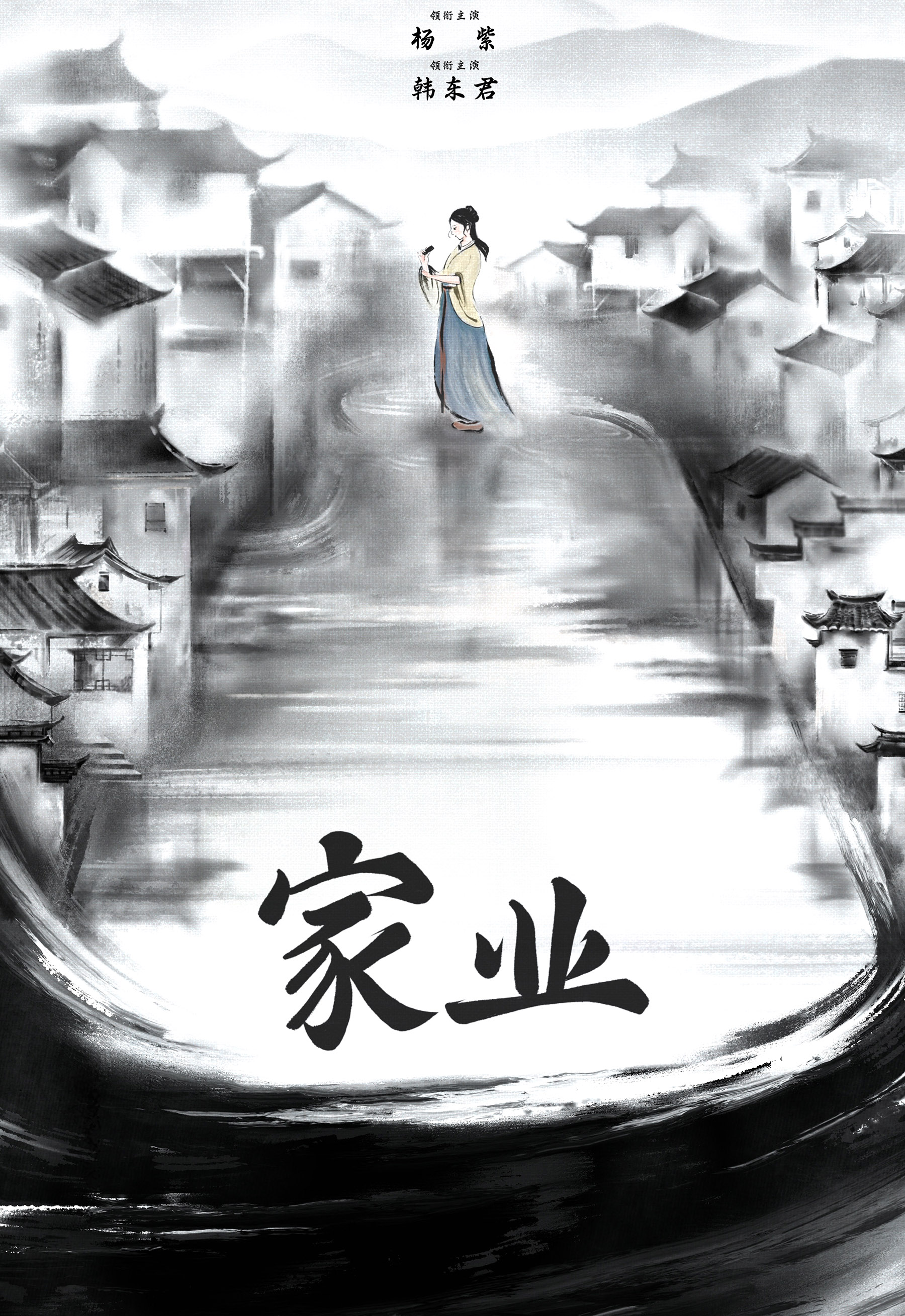
Recently, this centuries-old craft, which originated in the late Tang Dynasty (618-907) and flourished in East China's Anhui province during the Ming (1368-1644) and Qing (1644-1911) dynasties, has taken center stage in the hit TV drama The Heir.
ALSO READ: Series re-creates nostalgia for 1990s Beijing
Regarded as China's first television series focused on the inheritance of Hui ink culture, the drama is set during Emperor Jiajing's reign (1522-66) in the Ming Dynasty. It tells the story of Li Zhen, a talented young woman who is determined to carry on her family's ink-making tradition.
Played by actress Yang Zi, Li shows a gift for ink-making from an early age. But after her father is framed and blamed for an accident involving tribute ink for the imperial court, the family is expelled from its clan and falls into poverty.
Despite the setback, Li refuses to give up. Through hard work and determination, she learns and hones her skills with fellow craftsmen and her grandfather. Alongside her childhood friend Luo Wenqian — the youngest son of another well-known ink-making family — she turns rivalry into cooperation. Ultimately, Li strives to produce the finest Hui ink sticks, defeats a Japanese rival, and protects the craft's reputation.
Behind the drama's success lies a lot of preparation.
Director Hui Kaidong, known for hits such as Story of Yanxi Palace, traveled to Huangshan — the heart of the ancient Huizhou region and a major center of ink production — to immerse himself in the culture. Within six months, he studied the craft with inheritors and explored the region's distinctive traditions, from Hui-style architecture to wood carving, fish-shaped lanterns and local cuisine.
"We visited nearly every historic village, constantly searching for locations that could best bring the story to life," Hui recalls.
Authenticity was a key priority. Most of the tools used in the series were borrowed from local ink workshops, while 80 percent of all the scenes were filmed in Huangshan, mainly in its historic and picturesque villages, including Hongcun and Xidi. The other scenes were filmed in Chun'an county and Hengdian town in Zhejiang province and Nanjing in Jiangsu province.
The screenplay also underwent a lengthy development process. Xiong Zhouhu, the drama's chief scriptwriter, says the script — adapted from a popular online novel — was refined for more than three years.
Born in Bengbu in northern Anhui, Xiong has long been fascinated by Huizhou culture, which he believes was shaped by the region's unique commercial traditions.
Historically, the mountainous land of Huizhou offered limited farmland. As a result, many local men left home at a young age to pursue trade, leaving women to manage households and clan affairs.
This social structure gave Huizhou women a degree of responsibility and authority uncommon for the time.
"They not only raised children and cared for the elderly, but also managed clan affairs and helped oversee family businesses," says Xiong.
Customs reflected this status. When a daughter married, the family often had a well dug at the husband's home — so she would not depend on her in-laws even for water. The dowry might even include a coffin, representing the parents' wish to provide complete life security for their daughter, symbolizing that her life would be whole from beginning to end.
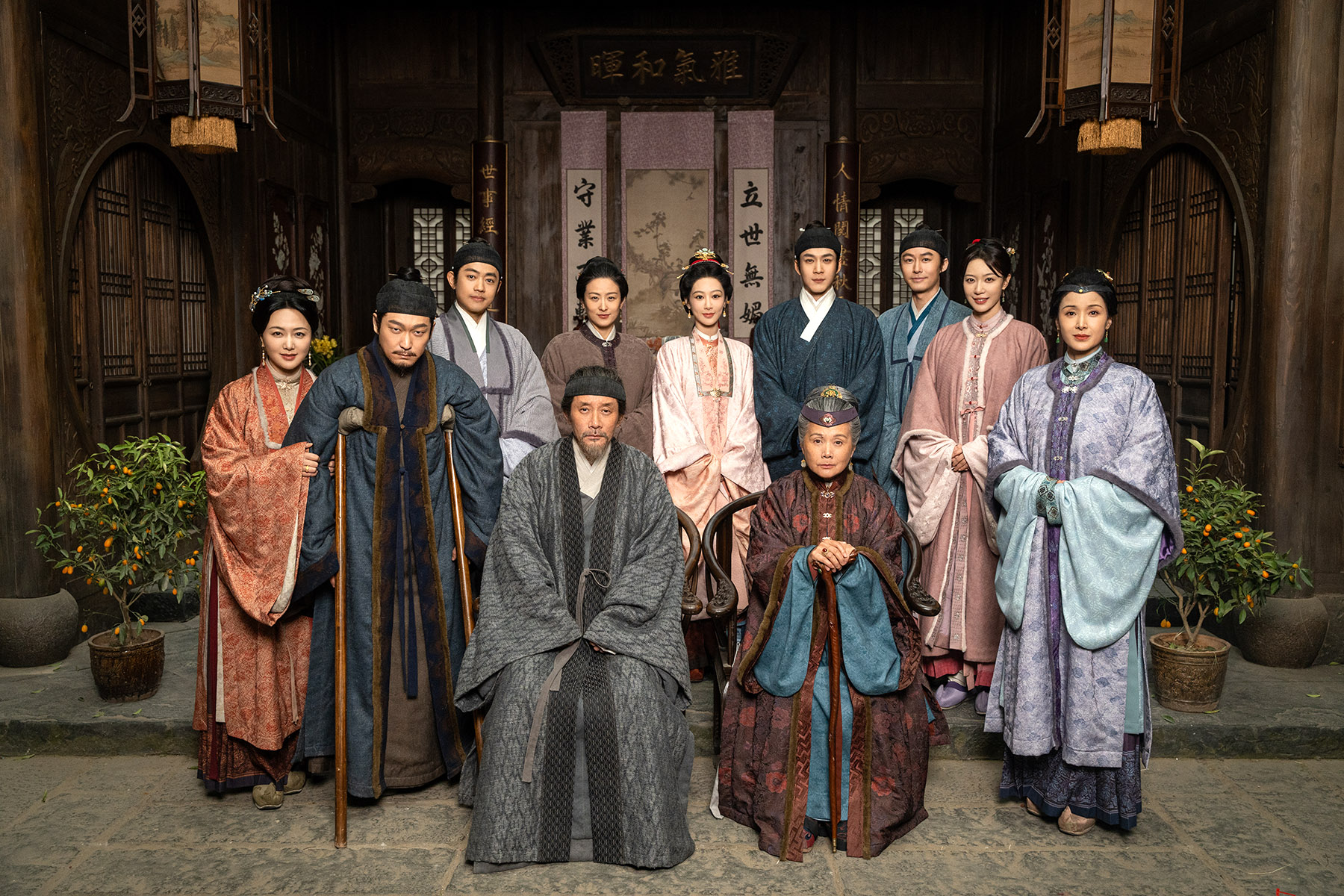
These details helped shape the drama's central themes. In the story, Li's clan is led by her grandmother, while Li herself eventually rises to become a leading figure in the local ink-making community.
"I think this was quite unusual in ancient society. It was closely tied to Huizhou's unique commercial civilization," Xiong says.
The drama also highlights another lesser-known aspect of Huizhou history: its connections with the outside world. One of the most memorable supporting characters is Wang Hua'er, Li's cousin, whose striking auburn-red hair reveals her mixed heritage.
When the role first appeared in the 8th episode, viewers on the streaming platform iQiyi immediately flooded the screen with danmu — real-time comments that flash across the video — mostly asking the same question: Which country was her mother from?
According to Hui, the character was inspired by archival records and expert interviews uncovered during the production team's research.
"As early as the mid-Ming Dynasty, Huizhou merchants had already traveled across the oceans and reached Europe. That gave us a great deal of room for imagination," he says.
ALSO READ: Forging peace from dynastic chaos
Building on that background, screenwriter Xiong created Wang as the daughter of another prominent merchant family. In the story, her father travels overseas on business, falls in love with a woman of European descent, and later brings their daughter back to Huizhou.
"The character serves two purposes," Hui explains. "First, she reflects the global reach of Huizhou merchants. Second, she offers a glimpse into the cultural exchanges between China and the outside world during that period."
Xiong adds that tea and silk were the main goods transported along the oceanic trade routes. However, since ink was primarily sold to Southeast Asia — where the Spanish and Portuguese had arrived as early as the 16th century — it opened up opportunities for Chinese ink merchants to interact with Europeans.
Through its captivating depictions of craftsmanship, family bonds and cultural exchange, The Heir has won widespread popularity online. According to the National Radio and Television Administration, the series earned high ratings in 13 countries and regions during its run, including the United States, Japan, Australia, Malaysia and Thailand.
Contact the writer at xufan@chinadaily.com.cn
