As artificial intelligence rapidly reshapes the global industrial landscape and redefines workforce demand, education providers worldwide are starting to rethink and transform their talent training approaches to stay competitive and navigate the shifting dynamics of the AI era.
Hong Kong Metropolitan University’s Li Ka Shing School of Professional and Continuing Education, or LiPACE, is a leading higher diploma provider in Hong Kong. It is committed to nurturing well-rounded talent through its forward-thinking paradigm, equipping the younger generation with “soft skills” that are irreplaceable and invaluable in contemporary society.
Founded in 1992, LiPACE is one of HKMU’s eight constituent schools specializing in vocational and professional education and training. It offers 13 higher diploma programs, six of which are open to students from the Chinese mainland. The programs span business, creative industry, tourism, healthcare and engineering, providing a clear path for those seeking to progress to the senior years of bachelor’s programs upon completing a two-year, full-time program in the special administrative region.
To better equip students for the era of digital transformation, the school is enhancing its teaching and learning approaches. While students are encouraged to leverage AI as a learning aid, they must use it responsibly and ethically.
“AI should serve as a learning aid rather than a substitute for independent thinking, and students should develop the ability to think critically, evaluate information, and use these tools appropriately,” says LiPACE’s Associate Director Yvonne Chen Yi-fan.
Thus, cultivating students’ “soft power” remains central to LiPACE’s focus as the school believes that human strengths will be irreplaceable even in the digital age.
“While machines excel at calculation, information retrieval, automation and knowledge storage, human strengths lie in emotional intelligence, value judgment, original creativity and teamwork. These are precisely the scarcest and most critical skills in the age of AI,” says Chen.
This endeavor has been embedded in LiPACE’s Total Learning Experience through the Three-I Initiatives — internationalization-in-place, intercultural awareness and inclusion — which, according to the institution, are designed to cultivate students’ competencies beyond formal classroom learning.
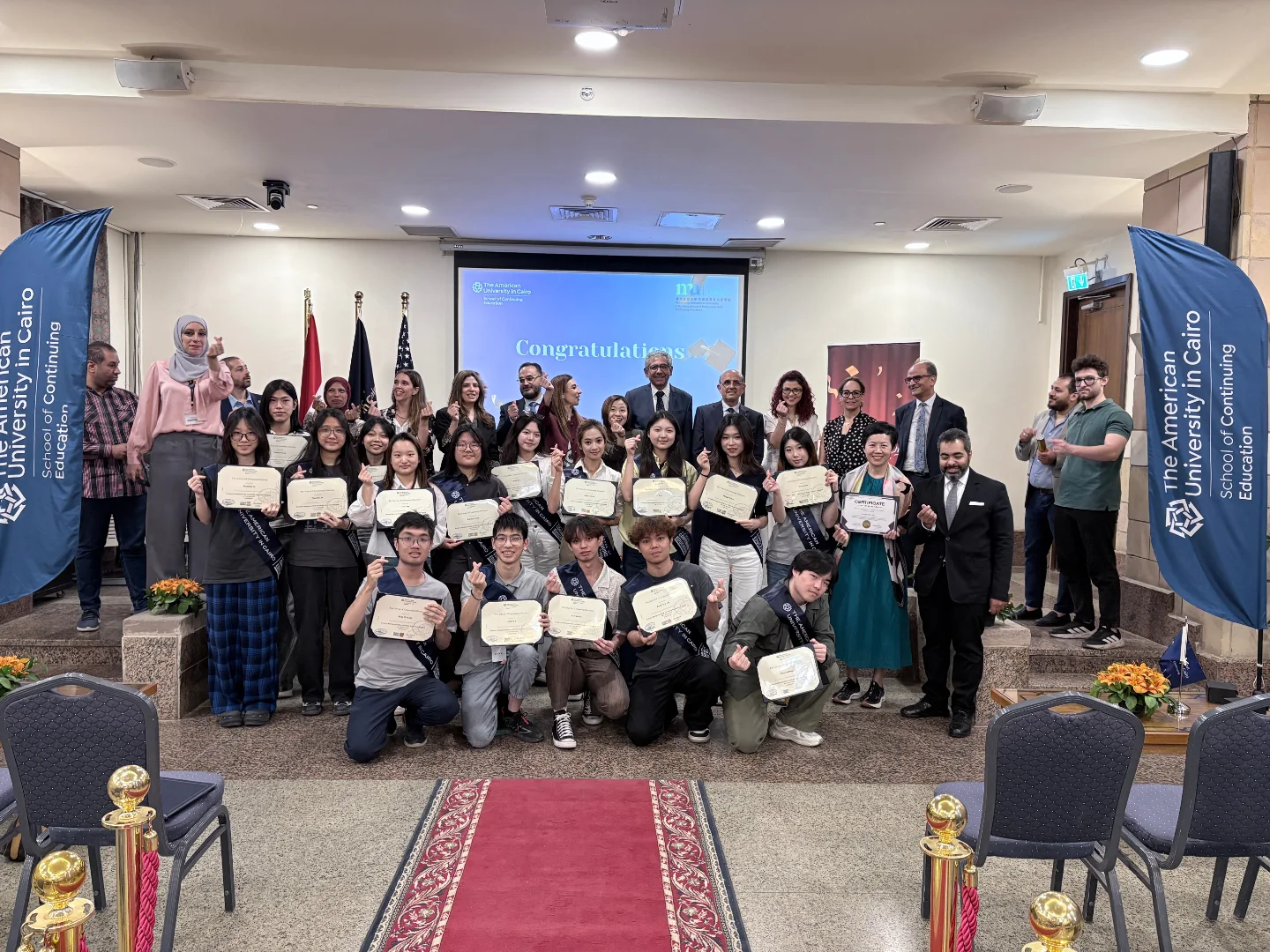
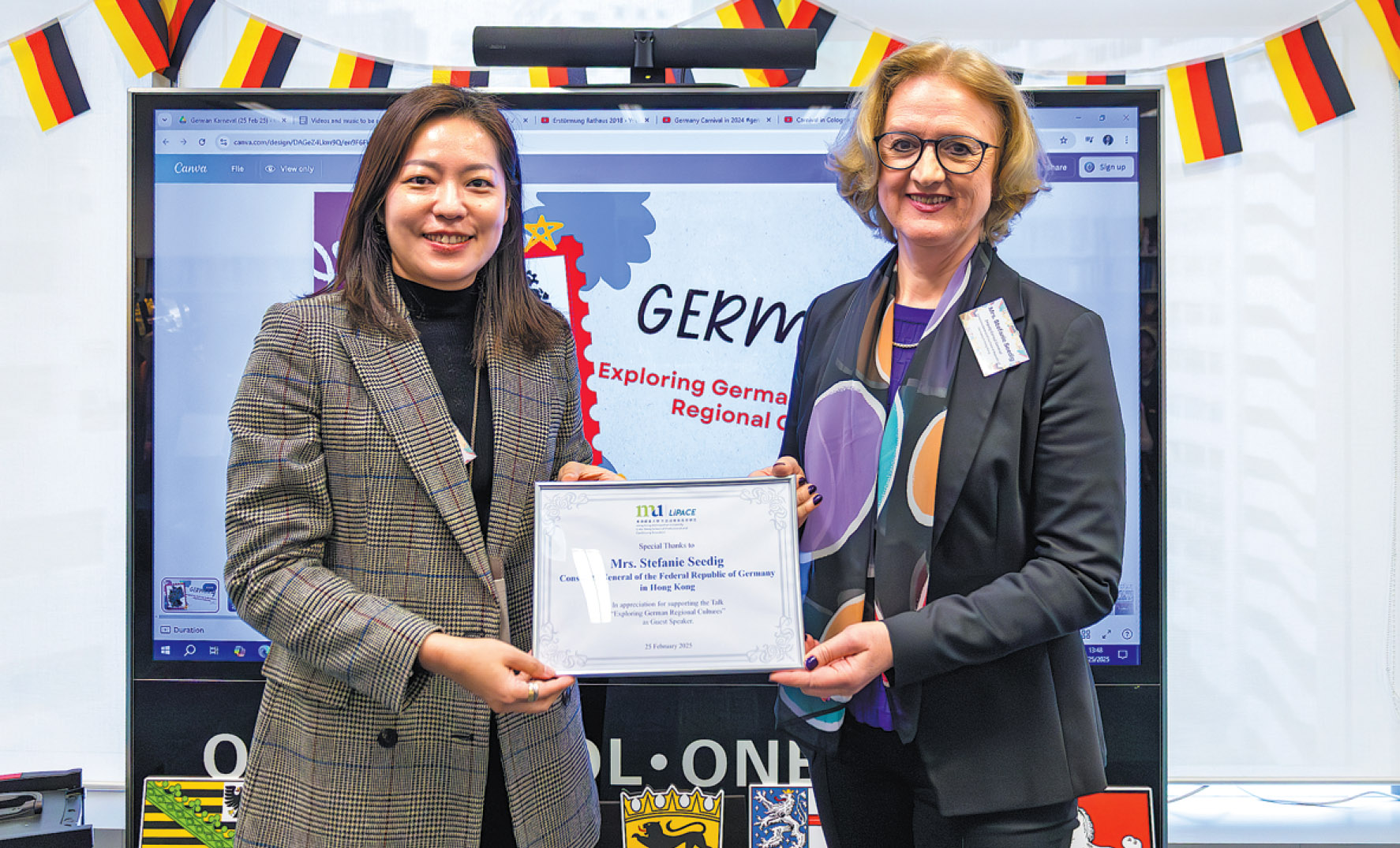
“We meticulously decorate our campus with different cultural corners, and regularly run themed cultural events in collaboration with the consulates general of various countries to create an immersive learning environment for our students through sharing, books, films, music, food and more.
“We’re committed to equipping graduates with a global outlook, adaptability, resilience, and cross-cultural communication and collaboration skills, enabling them to thrive in an AI-driven, diverse world with lasting, future-proof advantages,” Chen adds.
Aligning with industry development trends is another strategic priority for LiPACE in designing its teaching and learning approaches.
As a Hong Kong-based institution, LiPACE stays attuned to the Guangdong- Hong Kong-Macao Greater Bay Area’s industry needs. For example, in LiPACE’s Higher Diploma in Digital Business Practice Program, which provides students with practical insights into industry trends and the latest AI applications in the Greater Bay Area, the school partners with Shenzhen University of Information Technology and integrates real-world cases into teaching, from broad themes such as smart city development and industrial upgrading to specific areas such as cloud services, data analytics and digital marketing.
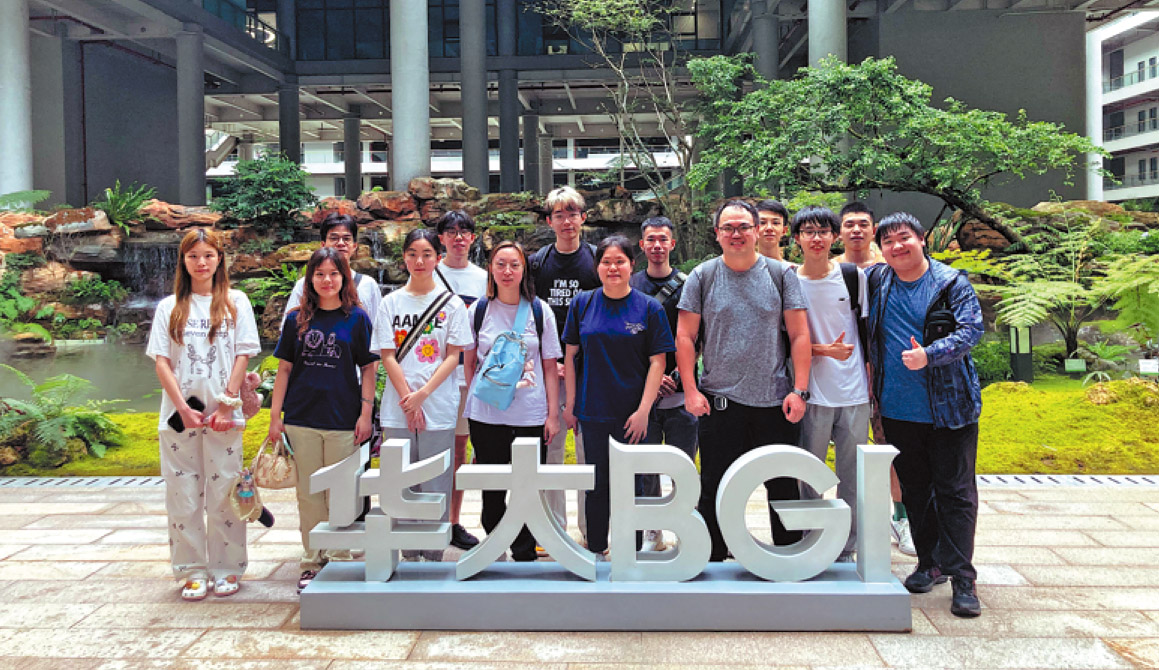
The biomedical and pharmaceutical sector is also one of the emerging industries in the Greater Bay Area. Through partnerships with world-leading research institutes and companies, including BGI, SGS, the Chinese University of Hong Kong, Shenzhen and the Hong Kong Polytechnic University, LiPACE is dedicated to cultivating lab-based professionals armed with an innovative and critical mindset via its Higher Diploma in Health and Molecular Testing.
LiPACE graduate Long Guan-xiong, who is from the Chinese mainland and now works as a supply chain assistant at Huawei’s Hong Kong office, says the school’s distinctive teaching approach has supported his development.
“Classes at LiPACE aren’t one-way lectures but focus, instead, on case studies, group discussions and industry-based simulations. Teachers encourage us to think independently and express our ideas rather than relying on rote memorization,” says Long, who went on to earn a bachelor’s degree from HKMU after completing his studies at LiPACE. “This approach has greatly strengthened my critical thinking and problem-solving skills.”
Long says LiPACE’s diverse environment has helped him adapt to an international workplace while staying aligned with the needs of the Greater Bay Area.
“This was a key factor for me in securing a role at a leading company like Huawei and has enabled me to progress steadily toward my career goals,” Long adds.
Hu Tong, a 2022 graduate and now a master’s student in AI, Ethics and Society at the University of Hong Kong, highlights LiPACE’s unique learning atmosphere, which he believes differs from mainland campuses.
“Compared with my high school experience on the mainland, the biggest difference I’ve found studying in Hong Kong is that there are more opportunities to take initiative,” Hu says. “Through this process, I’ve discovered my leadership potential, both in terms of team management and professional development.”
Zhang Xinyun, a 2025 graduate in Creative Culture and Media Practice, says her two years at LiPACE have thoroughly prepared her for her bachelor’s degree studies.
Recalling her experience, Zhang describes it as a process of continuously building a professional portfolio. “Our courses were highly hands-on. We learned skills including web design, graphic design and video editing, and all the work I produced became part of my portfolio.”
She adds that the courses have significantly enhanced her aesthetic sensibility. “In this AI age, while technology continues to evolve, what remains scarce is our aesthetic judgment and creative vision. These are exactly the most valuable things LiPACE has given me in the past two years.”