

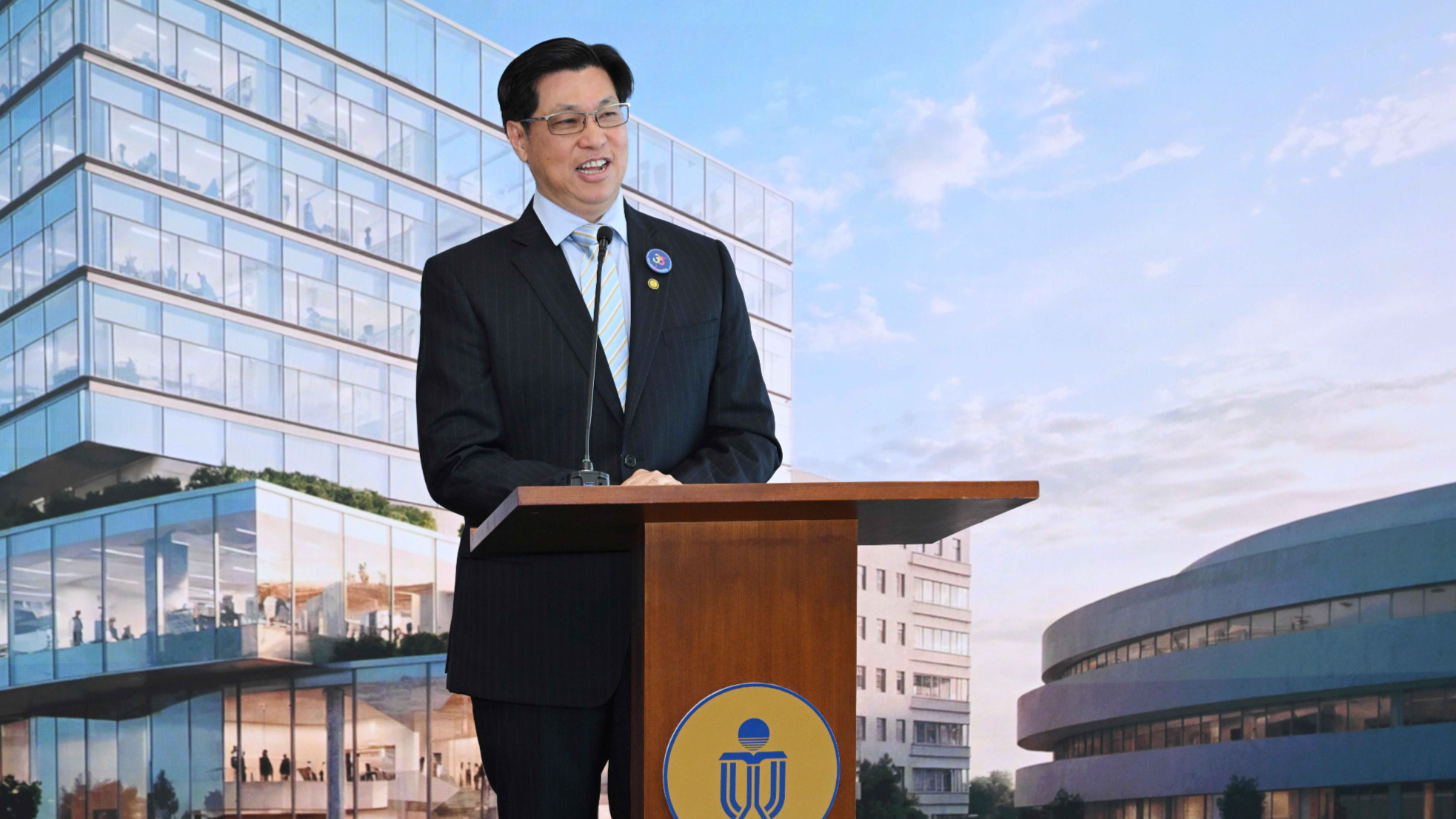
King Li, a Hong Kong-born physician-scientist, assumed office on Monday as the founding dean of the city’s third medical school under the Hong Kong University of Science and Technology.
At a media conference, Li pledged to cultivate innovative medical talent and contribute to the medical development of the Guangdong-Hong Kong-Macao Greater Bay Area and the nation at large.
“I am excited to build a medical school that reimagines physician training through the integration of engineering, data science, and biomedical innovation,” he said.
READ MORE: Lee: HK’s third medical school to nurture new generation of doctors
Li, who left Hong Kong for overseas studies after secondary school, expressed gratitude for the opportunity to return home and help shape what he called a forward-looking medical school.
From 2016 to 2021, Li served as the founding dean of the Carle Illinois College of Medicine at the University of Illinois Urbana-Champaign in the United States — one of the world’s pioneering engineering-based medical schools. He is also an adjunct professor of radiology at the Stanford University School of Medicine.
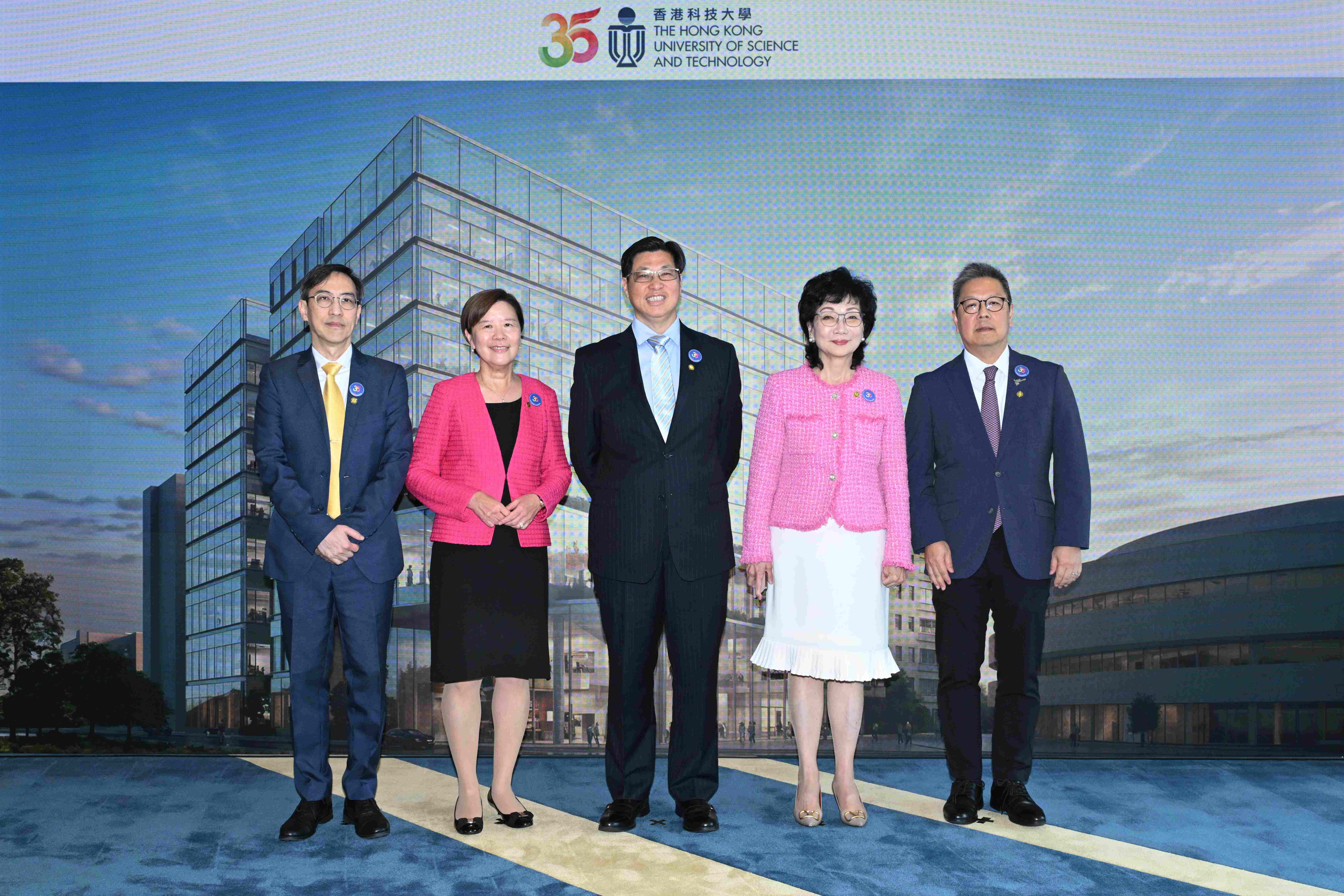
HKUST won the bid to establish and operate the city’s third medical school in November, with a planned investment of over HK$7 billion ($893 million). The school will offer a four-year, graduate-entry Bachelor of Medicine and Bachelor of Surgery program, with its first class expected in the 2028-29 academic year.
Li outlined three priorities for medical system improvement, which also serve as “missions of the third medical school”. They are: providing quality medical services; making medical services more affordable; and ensuring timely access to treatment.
He said his institution will nurture doctors equipped with clinical competence, strong ethics, and innovative capabilities.
READ MORE: HKUST study looks into ‘healthy longevity’ of Chinese people
The new medical school will work closely with other HKUST faculties, Hong Kong’s two existing medical schools, and the entire healthcare system.
“Apart from contributing to the Greater Bay Area and the special administrative region, we may even exert an influence across China and the entire world,” he said.
HKUST President Nancy Ip Yuk-yu expressed her confidence that Li will set a clear direction and lay a solid foundation for HKUST’s medical education system.
Li was selected from more than 100 candidates following a rigorous global recruitment process that lasted several months.
“Li is one of the few leaders capable of building a medical school from scratch,” Ip said, citing his experience as a founding dean, his academic excellence, and forward-looking vision for technology-driven medical education.
HKUST said in a statement that Li is known for his interdisciplinary approach, bridging fields such as radiology, bioengineering, computer science, and nanotechnology. This expertise will be instrumental in shaping HKUST’s innovative model of medical education, the university said.
During his tenure at the University of Illinois Urbana-Champaign, Li developed a technology-oriented curriculum, recruited founding faculty, and forged academic-clinical partnerships. He holds 20 issued patents across the US, Australia, and Europe, and has founded a company based on his translational research.
Contact the writer at atlasshao@chinadailyhk.com
