

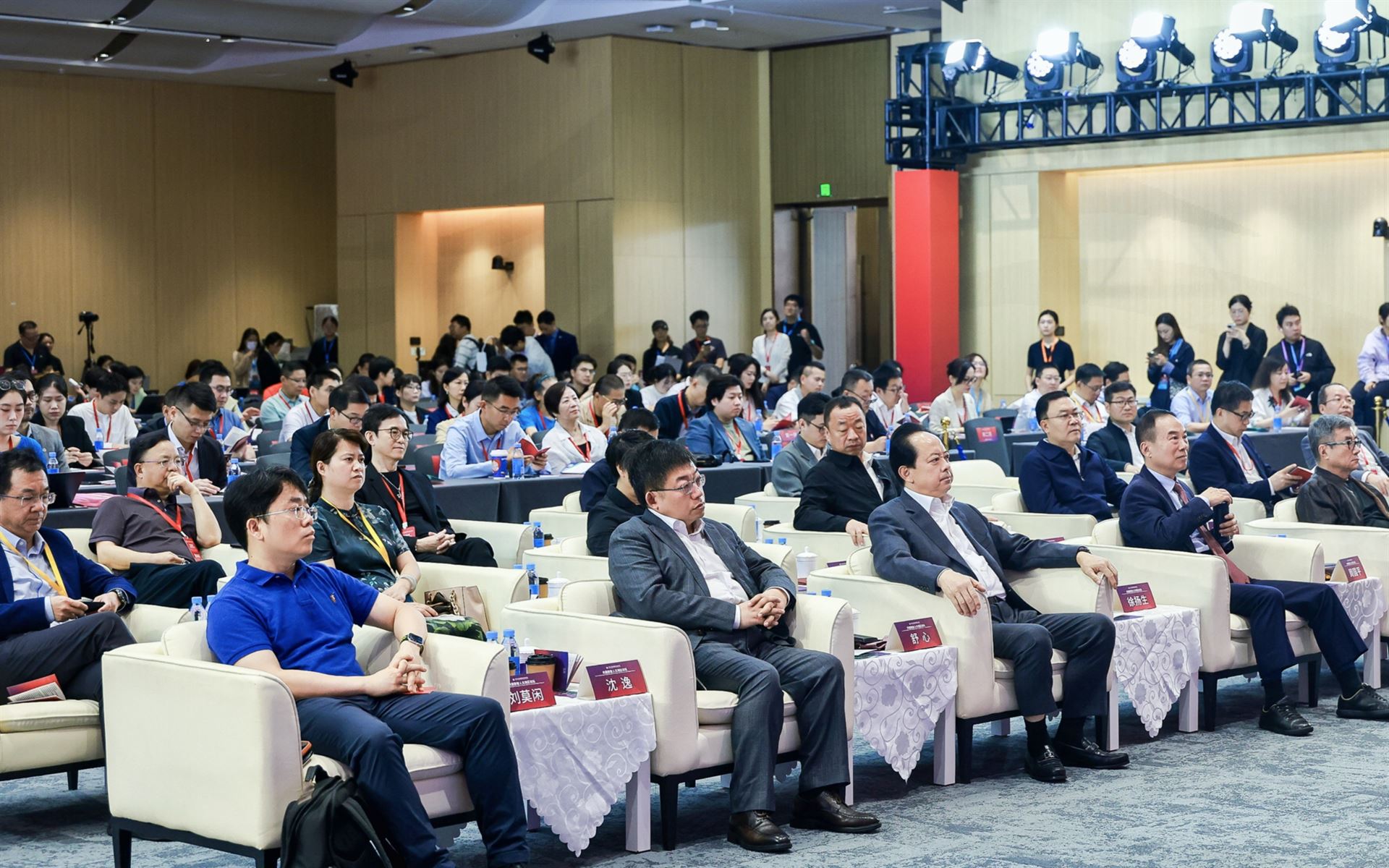
Scholars who described digital technology as the new engine for revitalizing cultural heritage called for better utilization of these powerful tools to promote cross-regional cultural sharing, exchange, and innovative integration.
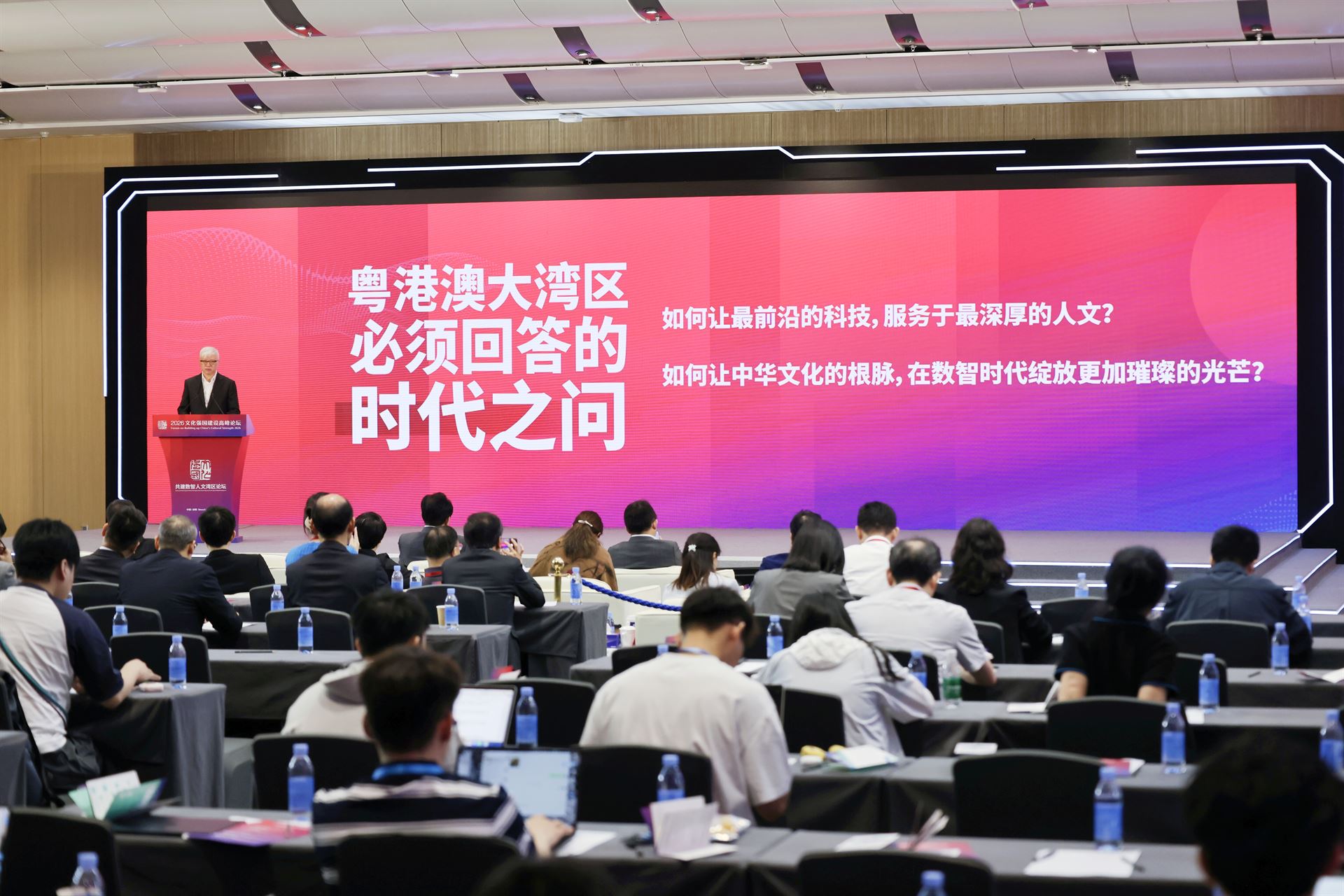
They presented the initiative at the Forum on Enhancing the Cultural Strength of the Greater Bay Area in the Age of Digital Intelligence in Shenzhen on Friday, which is part of the Forum on Building up China’s Cultural Strength 2026.
Shu Xin, president of the Hong Kong Philosophy Research Institute, said that digital technology is playing an increasingly important role in bringing cultural heritage to life, deepening cultural exchanges, and empowering cultural industries.
He advocated for the Guangdong-Hong Kong-Macao Greater Bay Area to jointly develop a digital cultural repository with unified copyright protection standards, enabling seamless sharing of cultural resources.
ALSO READ: Forum: Embracing AI while preserving human spirit in digital age
With this move, he said, he hopes to deepen Hong Kong’s distinctive cultural strengths — such as its Cantonese pop culture and rich historical and cultural heritage — while driving the upgrading of its film, television, music, and other cultural industries. Ultimately, he aims to position Hong Kong as a central hub for the international dissemination of Chinese culture.
Through deepening cross-regional cooperation, he also aims to better promote other cultural treasures in the Greater Bay Area — including the belief in the sea goddess Mazu, the enduring bonds between overseas Chinese and their families at home, and the Lingnan-style intangible cultural heritage.
Pang Chuan, vice president of the Macau University of Science and Technology, said that the focus of cultural exchange has shifted from traditional art exhibitions to in-depth dialogue in the digital age.
He suggested establishing a joint research center within the Guangdong-Macao In-depth Cooperation Zone in Hengqin, focusing on digital humanities in China and Portuguese-speaking countries.
In his vision, the research center could harness artificial intelligence to break down language barriers, sort out historical documents scattered across different civilizations, digitally restore them, and conduct in-depth analysis.
“In this way, we can find shared resonances among civilizations through the deeper academic and historical logic, enabling Chinese culture to engage in a truly equal dialogue with the civilizations of Portuguese-speaking countries in the digital realm,” Pang said.
Shen Yi, a professor at the School of International Relations and Public Affairs of Fudan University, said that in the turbulent international environment, the exchanges and clashes in the digital culture realm have also become a key aspect of cultural competition among major powers on the international stage.
With a strong foundation in digital culture, he believes that the Greater Bay Area has great potential to build a shared community in this field and promote the creative transformation and development of local culture.
Under China’s initiative to build a community with a shared future for mankind, the Greater Bay Area can further explore the establishment of an international hub for digital cultural exchange and facilitate the peaceful coexistence and positive interaction of diverse civilizations.
Contact the writer at bingcun@chinadailyhk.com
