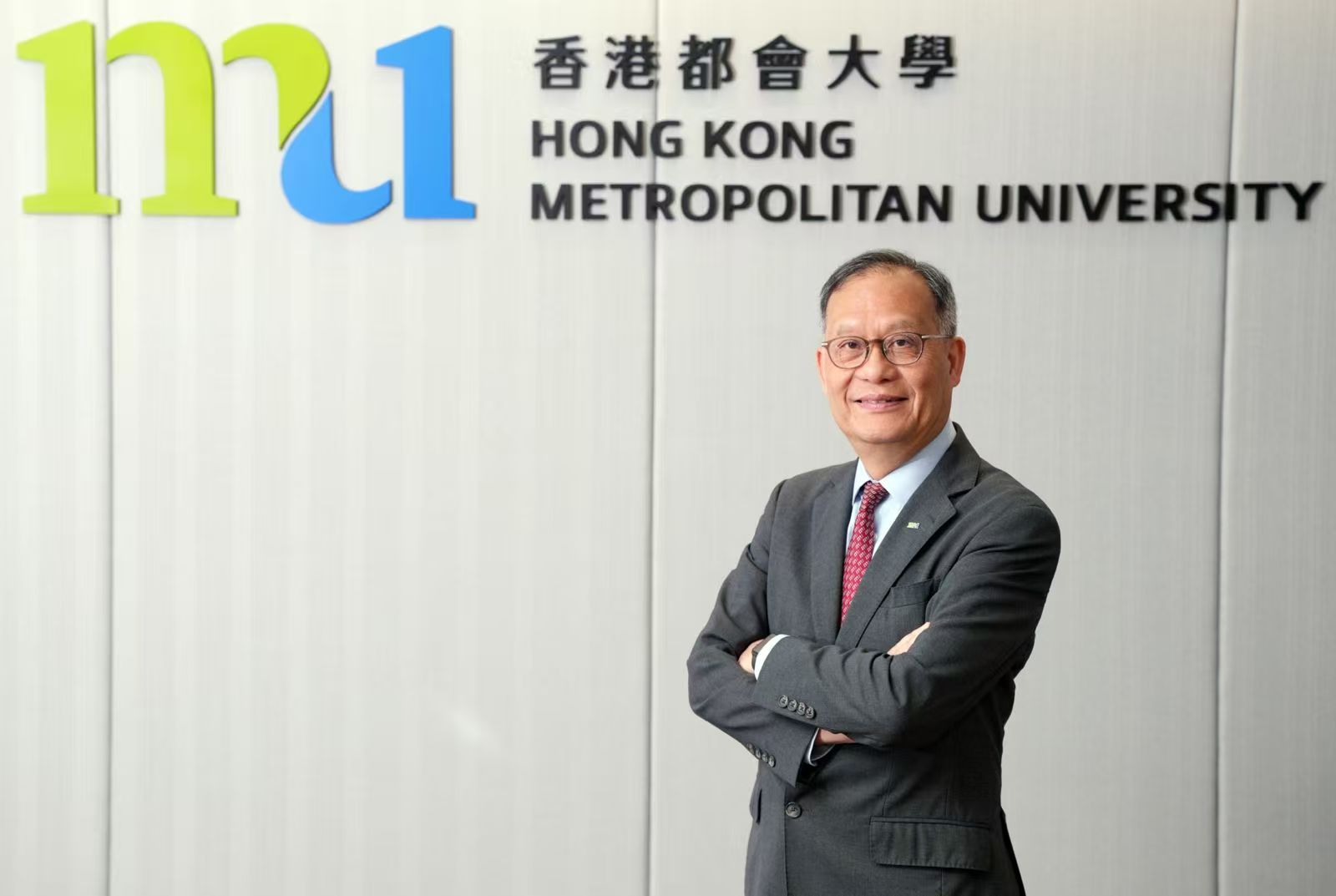
Hong Kong Metropolitan University, the city’s first university of applied sciences, revealed its blueprint for future development in April. As a self-financing university, HKMU is set to integrate into national development while preparing students to thrive in a competitive global landscape with unmatched practical skills and international exposure.
In an exclusive interview with China Daily, HKMU President Paul Lam Kwan-sing said that the university is entering a new phase of development in alignment with the national 15th Five-Year Plan (2026-30) and Hong Kong’s overall development priorities, strengthening its capabilities in teaching, research and innovation to nurture high-caliber talent. At the core of this blueprint is the university’s commitment to equipping graduates with not only a strong foundation of knowledge but the skills necessary for lifelong success.
“At HKMU, we understand that the talent we develop today will step into a rapidly changing world,” said Lam. “Recognizing that future graduates will face intense market competition, HKMU goes beyond traditional education.” He said that acquiring present-day knowledge is essential but not enough, and that graduates need the ability to adapt and be ready to embrace innovations.
Hosting the fourth-largest number of undergraduate students in Hong Kong, HKMU, Lam said, empowers students with sharp analytical skills, logical thinking and robust communication abilities. “It’s also important for them to be adept at assessing themselves, recognizing their strengths and weaknesses, and being able to innovate and adapt continuously to meet global challenges,” he added.
As a comprehensive university offering bachelor’s, master’s and doctoral degree programs across disciplines, HKMU aims to foster students’ holistic development by integrating deep cultural roots with technological readiness.
Lam stressed the importance of cultivating a strong foundation in Chinese culture, humanities and arts. This cultural grounding deepens students’ understanding of diverse cultures and their sense of national identity, giving them the resilience to tackle future challenges.
Beyond cultural enrichment, the university ensures students are fully equipped for the digital era. HKMU has pioneered new initiatives to prepare students to become “artificial intelligence-ready” talent. By mandating AI-related core courses for all undergraduates starting in the 2026- 27 academic year, the university equips them to master AI technologies with creativity, critical thinking and responsibility.
“We at HKMU are open to the possibilities of AI, recognizing its undeniable progress and the great benefits it can offer. Beyond teaching students how to use AI, we focus on building their AI literacy, ensuring ethical use of AI and encouraging them to grow with the technology,” Lam explained.
Bridging the gap
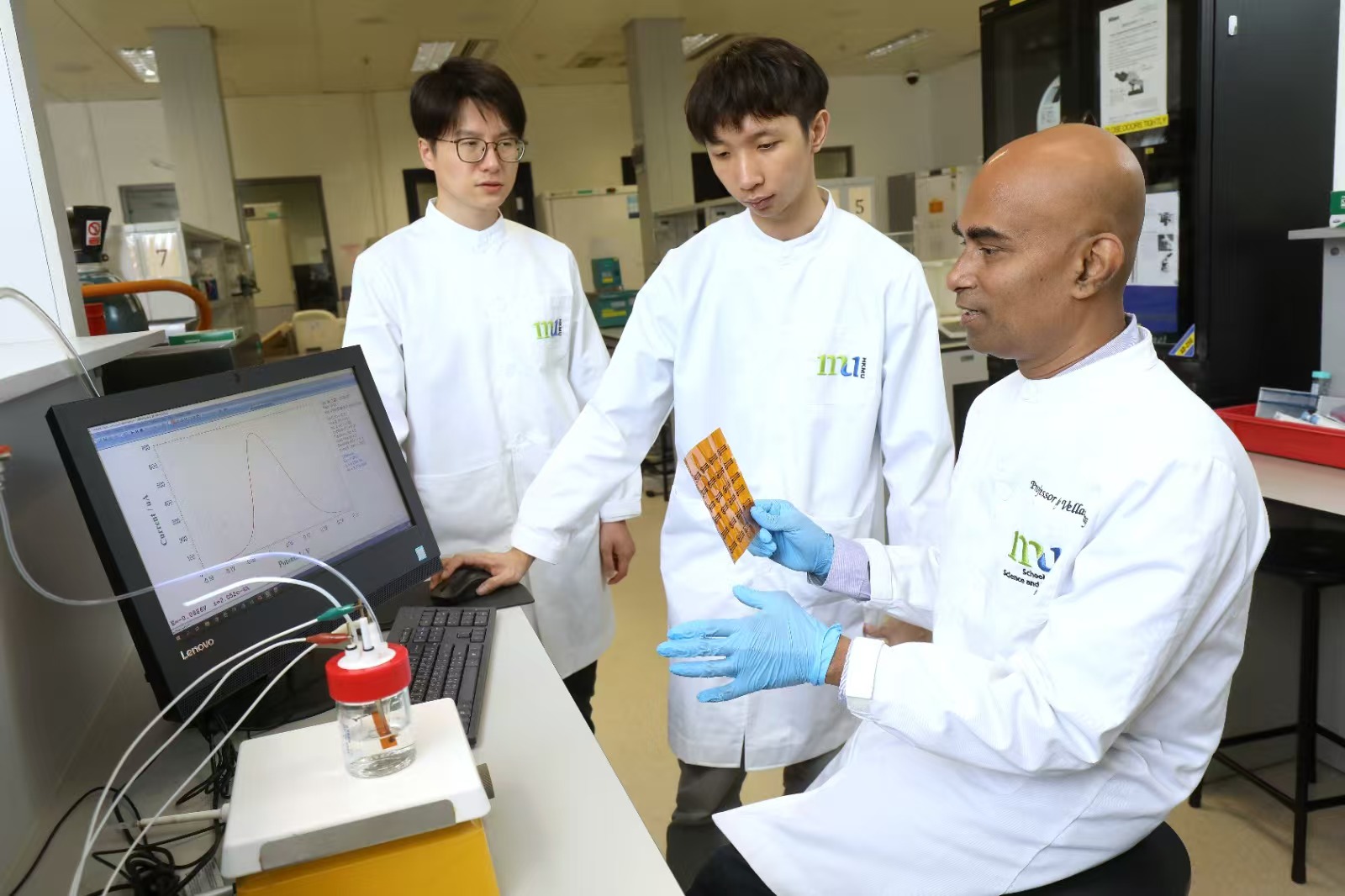
“HKMU works closely with industry partners to understand what skills are needed now and in the future, and we incorporate these insights into our courses. Industry experts are invited to mentor students, providing them with the latest industry knowledge and trends,” he said.
This practical mindset not only enhances students’ ability to solve real-world problems and advance their careers, but also encourages them to turn innovative research into tangible products and drive industrial innovation.
To solidify these efforts, HKMU signed memorandums of understanding with industry partners, including the Chinese Manufacturers’ Association of Hong Kong and the Federation of Hong Kong Industries, marking the latest steps in strengthening collaboration between academia and industry.
Lam stressed that these collaborations, which integrate academic research and development with corporate expertise to codevelop innovative projects, will continuously inform the university’s future applied research, driving an industry-academia-research synergy.
Forging new frontiers
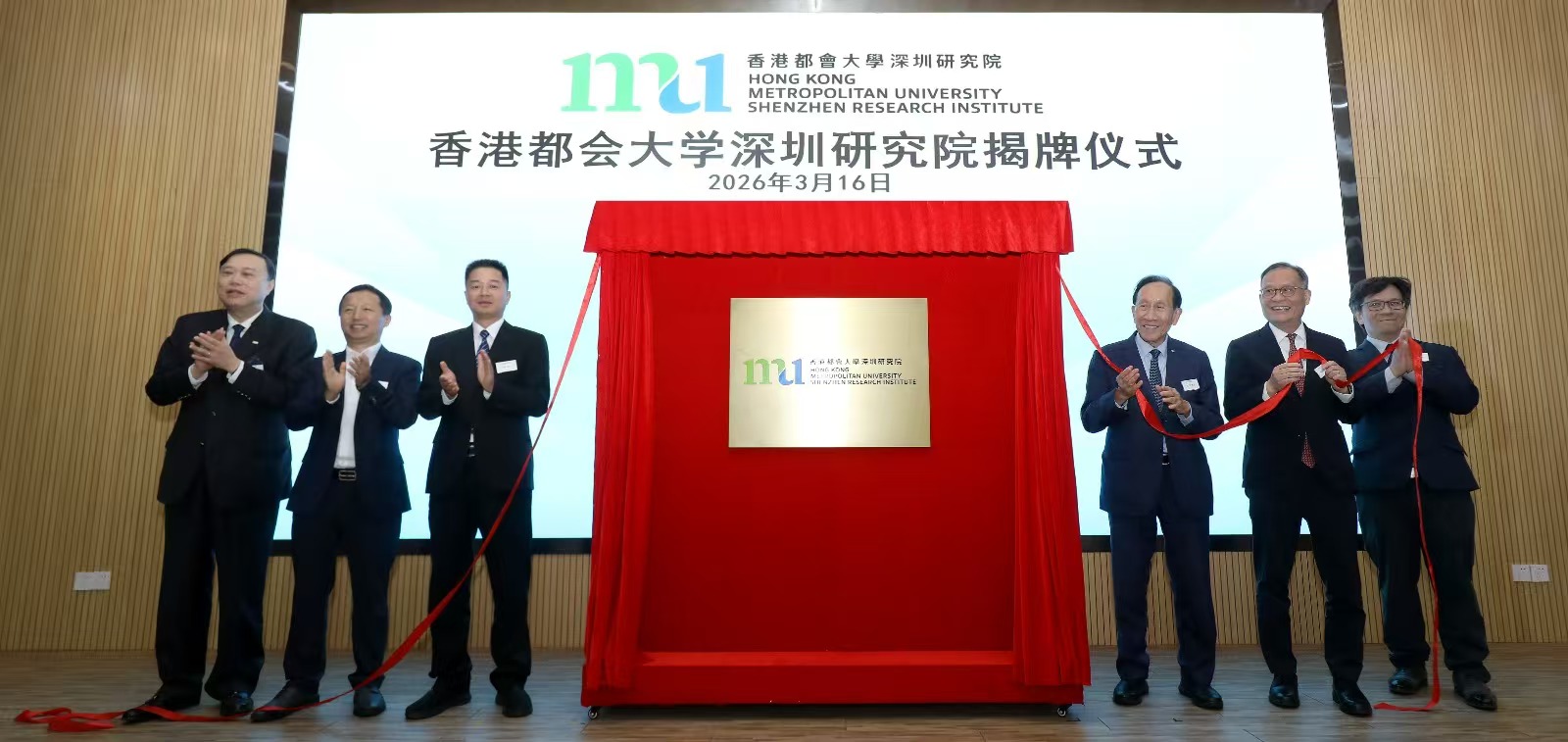
Offering exposure to the thriving innovation landscape of the Guangdong- Hong Kong-Macao Greater Bay Area, HKMU officially established its Shenzhen Research Institute in March at the Shenzhen Virtual University Park. As a “National University Science Park”, it integrates resources of domestic and international universities and develops an innovative demonstration base for collaboration among industry, education and research.
As HKMU is the first self-financing university from Hong Kong in the SZVUP, it shares innovation cluster with more than 70 prestigious universities. This milestone allows the university to engage more deeply in national development and collaborate widely with other research institutions.
Following the institute’s registration as a public institution in December 2025, Lam said: “The significance of the institute lies in this official designation, which allows us to directly apply for national research funding. It also serves as a strategic base to expand our collaborative efforts across other Greater Bay Area cities and throughout the entire country.”
Lam said that HKMU will leverage its strengths in talent and innovation to build a research platform at its Shenzhen Research Institute and advance projects in four cutting-edge areas. These include the fields of biomedical sciences, environmental science, quantum technology, and digital fabrication and art tech. By conducting research initiatives and projects, HKMU aims to promote the transformation and application of scientific research results and contribute to society.
Cultivating partnerships
To foster a vibrant campus, HKMU employs faculty of diverse nationalities and attracts top-tier overseas students, especially from the countries involved in the Belt and Road Initiative.
Beyond recruiting global talents, HKMU is dedicated to sending its students abroad to expand their horizons. The university introduced a “Minor in Global Studies” program in early 2026, enabling undergraduates to study abroad for one semester at partner institutions around the world.
“We provided 100 scholarships this year to support our students in gaining overseas learning experience,” Lam said.
For students seeking an international edge, the university collaborates with prestigious overseas educational institutions to offer dual degree programs, with rapidly growing partnerships in countries such as the United Kingdom, France and Germany.
Looking ahead, Lam stressed that every strategic move the university makes is driven by one core mission: creating opportunities and fostering an optimal environment for students to excel, whether in academics, career development, or personal interests.
“We are committed to supporting them in every possible way. HKMU is centered on our students,” Lam said.