

Educators, students, players united by bonds of curiosity, common goals
It began with a dizi, the traditional Chinese small bamboo flute with a tone both piercing and plaintive, capable of sliding effortlessly between virtuosic runs and tender fragile whispers.
Born and raised in San Antonio, Texas, 37-year-old composer Niccolo Athens, a faculty member at The Tianjin Juilliard School, vividly recalls the first time he heard dizi music played at the Central Conservatory of Music in Beijing. It felt like discovering a new musical universe, he said.
"It was fluent, sophisticated, and completely unfamiliar to me," Athens said of hearing a piece for three dizi composed by Guo Wenjing. "It combined modern compositional techniques with a deep understanding of the instruments."
READ MORE: Passing the baton
A graduate of Cornell University in New York, Athens was awarded a Fulbright grant, and spent an academic year in residence at the Central Conservatory of Music in Beijing in 2014, beginning a China journey that would also include Shanghai and Tianjin.
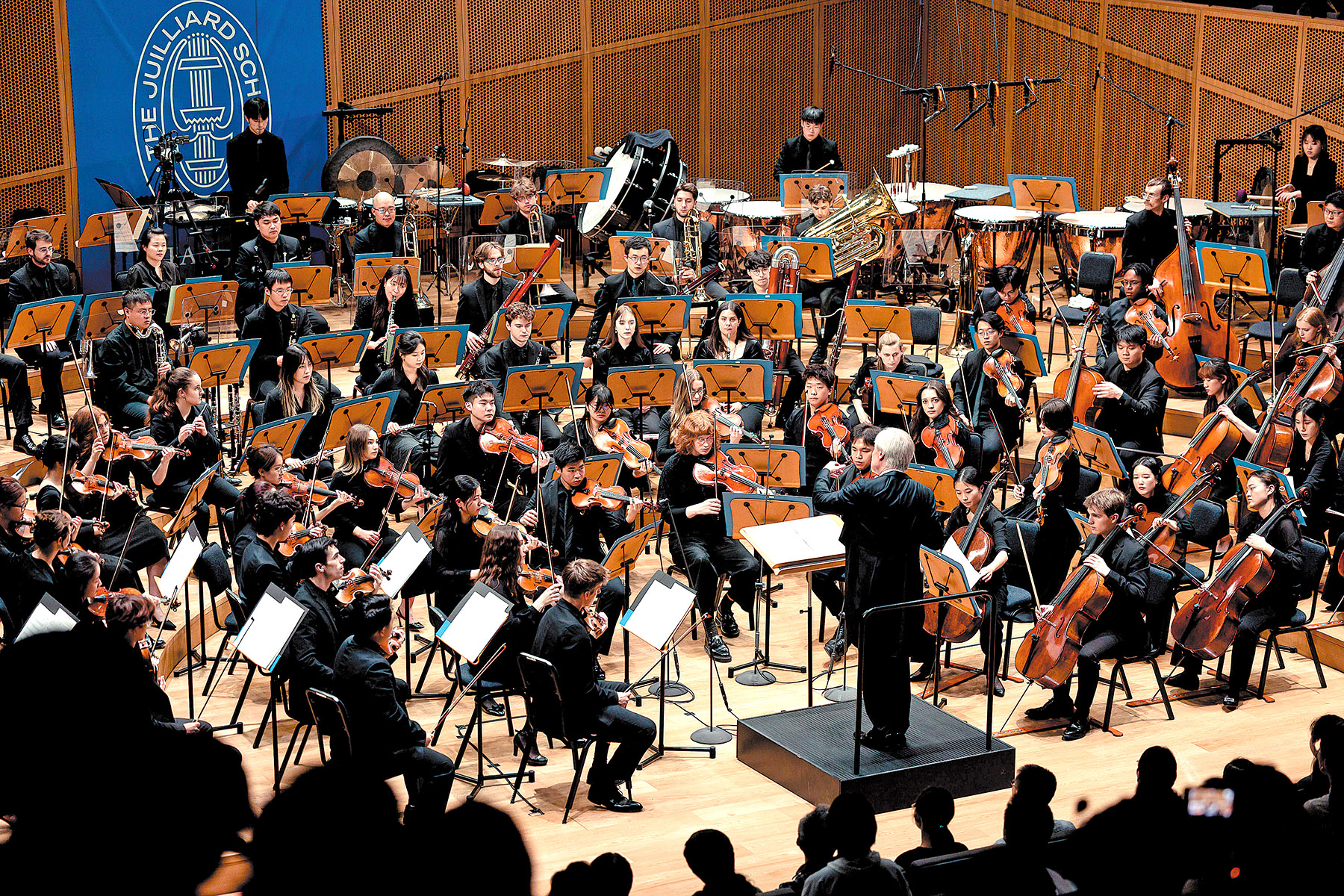
In 2019, he was appointed to the inaugural faculty of The Tianjin Juilliard School.
As the first overseas branch of the renowned New York Juilliard School, the Tianjin campus broke ground in 2017 and offers a US-accredited master's degree from the prestigious school. The Tianjin school's graduate program opened in the fall of 2020 with the first intake of students.
Instrumental changes
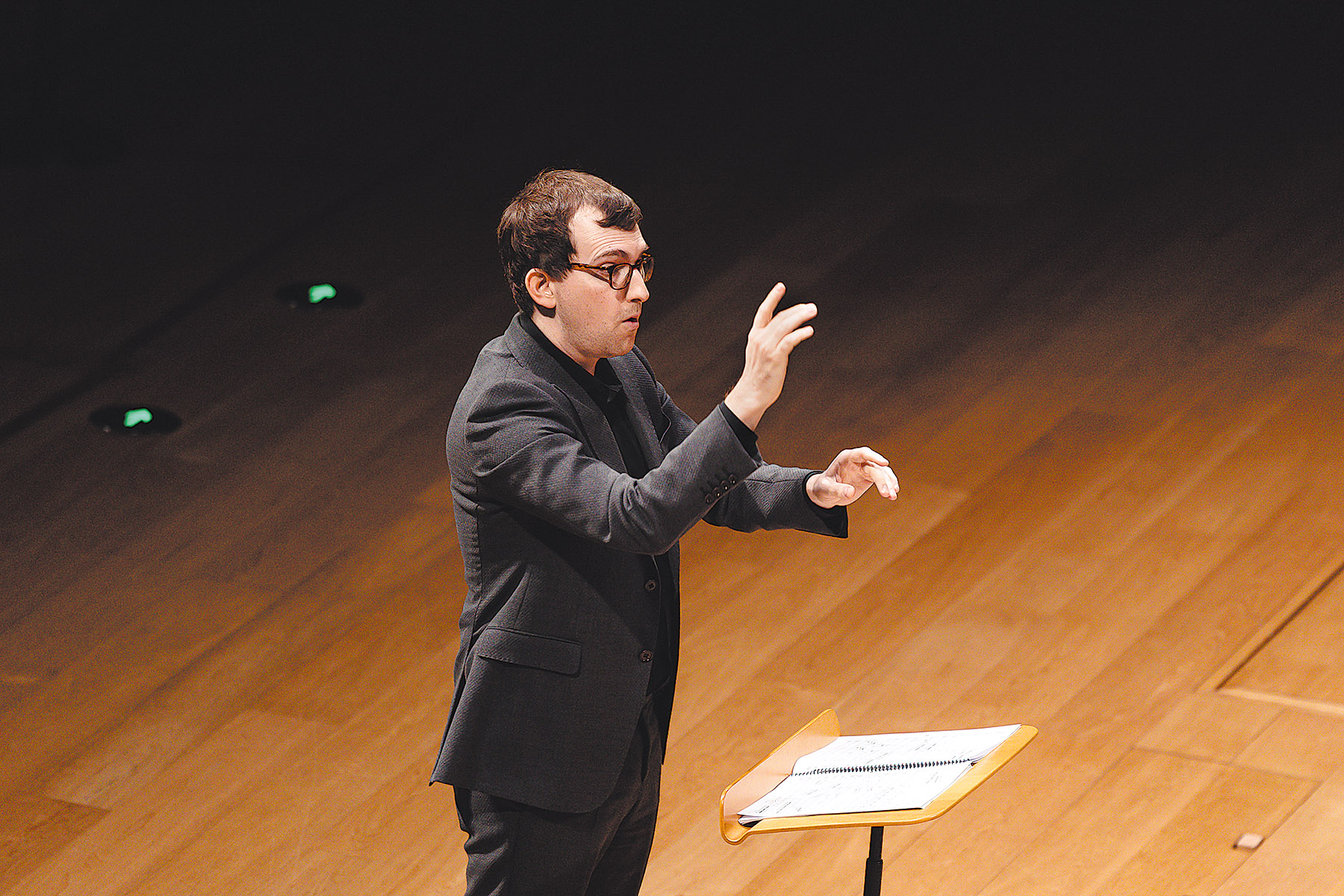
Two of Athens' new works are going to be premiered at the Tianjin school. He recently composed Five Classical Lyrics, based on classical poetry from the Tang (618-907) and Song (960-1279) dynasties chosen by his students, and featuring music drawing inspiration from lesser-known Sichuan folk songs preserved in provincial songbooks from the 1980s.
He believes music carries a unique capacity to foster connection. "There's really nothing that bridges these two countries right now in the same way music can," he said.
He still vividly recalls his time at the Central Conservatory of Music in Beijing. Athens said he encountered intense dedication to performance and an unexpected embrace of contemporary composition, which inspired him to compose his own works. Unlike Western music conservatories, where classical repertoires often dominate, Chinese musicians actively sought new works from living composers, creating a vibrant culture of collaboration and innovation.
"The people I met are what really sticks with me," Athens said. Friendships formed in classrooms, concerts, and workshops became as formative as any formal instruction.
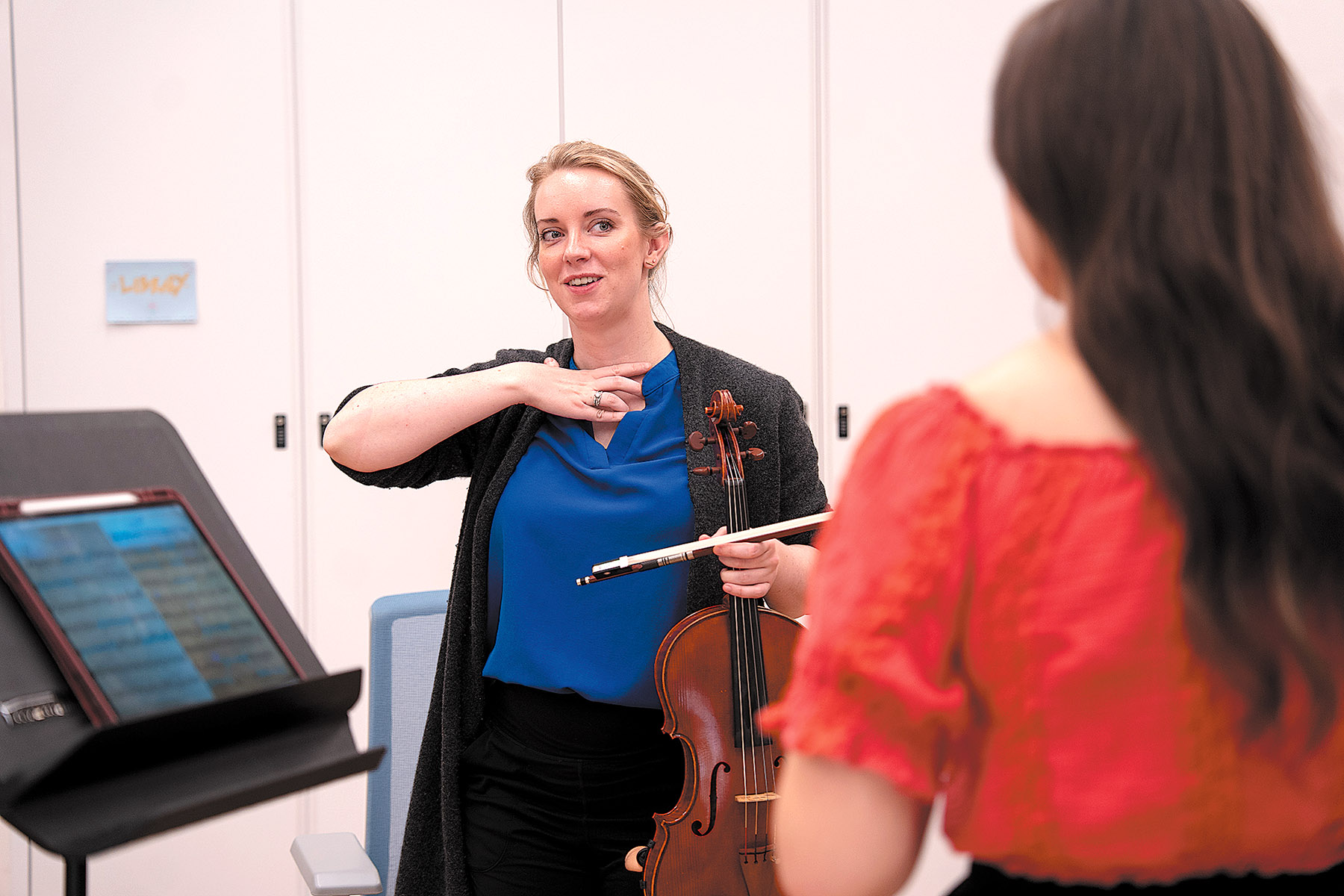
Learning to compose music for Chinese instruments proved a gradual process. His early attempts involved the pipa (a traditional lute) and sheng (a free-reed wind instrument), which he mostly learned about from video tutorials and guidance from friends abroad.
"I had to adapt my writing to the character of the instruments," he said. "It wasn't about capability — they (musicians) could play all the notes — but about understanding the way the instrument wants to speak."
He said the first piece he wrote that he felt truly reflected both his voice and the instrument's spirit was for the guqin (traditional Chinese zither) and string quartet, a milestone in his creative journey.
Language, too, was a path of careful immersion. Athens began studying Chinese while at the Juilliard in New York, where he received his Bachelor of Music in composition in 2010, motivated by a desire to engage fully with the culture.
"Some people ask me how I feel in China now, and I just tell them it feels like home," he said.
Beyond language
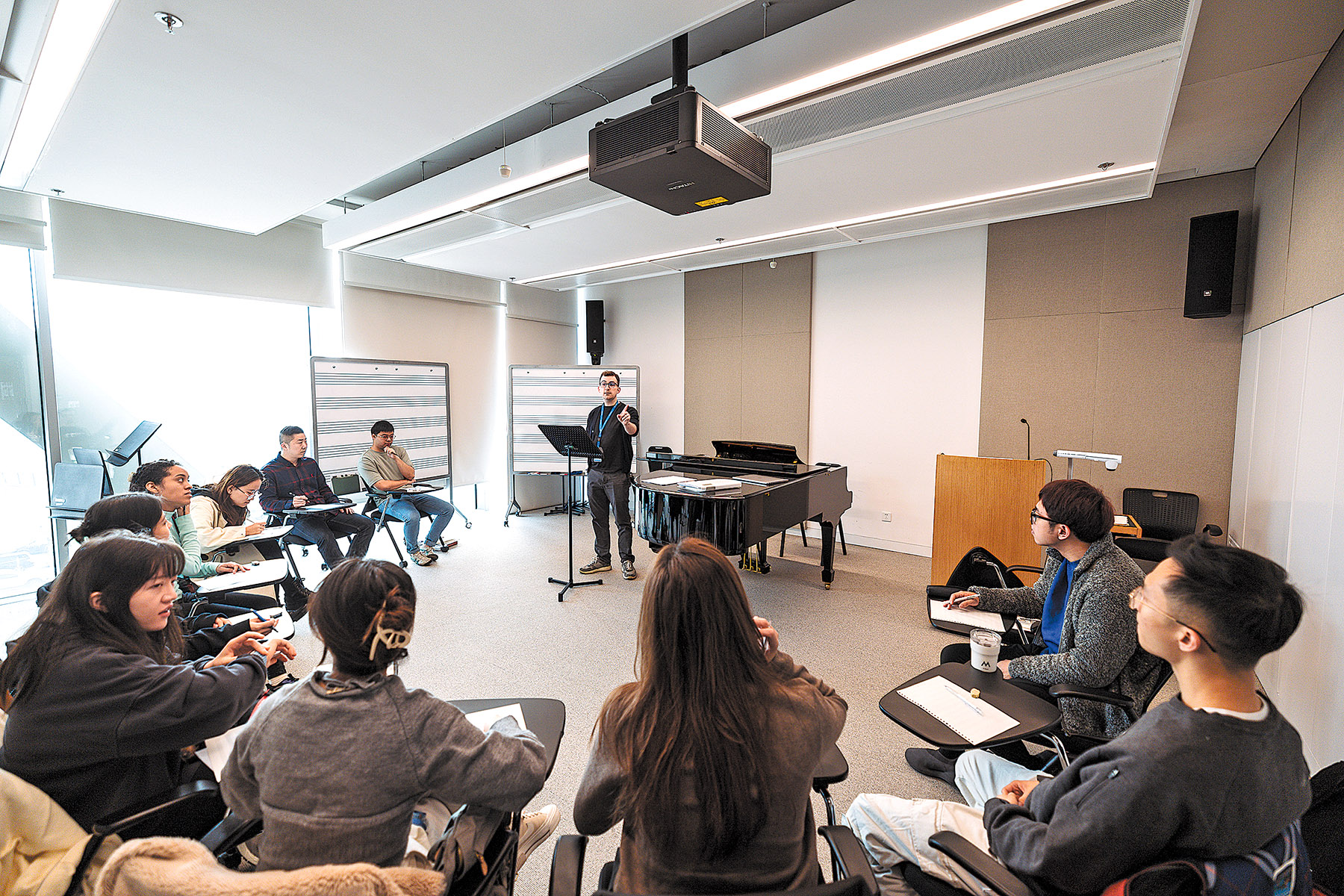
For the students at Tianjin Juilliard, the bridging of cultures is not theoretical — it is a daily practice.
When the 23-year-old Manou Magdalena Chakravorty arrived in Tianjin from Chicago last August to study cello, she expected the city to feel foreign and overwhelming.
During her undergraduate study, her professor was He Sihao, a former faculty member at the Robert McDuffie Center for Strings at Mercer University. But instead of being overwhelmed, she found herself captivated by Tianjin.
"The campus was incredibly beautiful. Sometimes I just walk along the river and take it all in — it's very calming," said Chakravorty, who grew up in a multicultural family that embraced the cultures of both Europe and Asia.
Chakravorty, who started playing cello at the age of 4, has embraced Chinese music as part of her studies.
Performing pieces with flowing melodies and microtones that differ from Western compositions, she has learned the subtle art of Chinese music.
"Music here allows you to communicate across language barriers. Even when words fail, playing together creates understanding," she said.
"Before I came to China to study at the Tianjin Juilliard, I planned to go back home after graduation. But now, I am thinking about working here," she added.
ALSO READ: Composing success
Apollo Rayme Parish Mitchell, 23, born and raised in San Francisco, shares the same sentiment.
Drawn to Tianjin's historic streets and lively rhythm, Mitchell has immersed himself in both Chinese culture and rigorous musical study. He has attended concerts, explored historic sites in Shanghai and Xi'an, Shaanxi province, and engaged deeply with Chinese musical traditions.
In 2024 and 2025, he also toured with the Tianjin Juilliard Orchestra, with concerts performed in Beijing, Guangzhou of Guangdong province, and Hong Kong.
"Even when language was limited in rehearsals, we communicated through music. It's immediate, visceral, and universal," said Mitchell, who studied with the oboist Mingjia Liu at the school in Tianjin.
"Living here has taught me that music can communicate even when words fall short. That's the real power of what we do," Mitchell said.
Contact the writers at chennan@chinadaily.com.cn
