

Through daily interactions and shared experiences, Chinese youth overseas are turning development projects into bridges of friendship and trust.
At a humble street food stall in Luanda, Angola, Yang Xin sat sipping local drinks with her driver, an Angolan colleague. Despite his modest income, he treated her to a meal and asked sincerely about her well-being.
This simple gesture of kindness became a quiet testament to friendship during Yang's time as an expatriate. It also reflects the broader spirit of many young Chinese working abroad under the Belt and Road Initiative (BRI), building bridges of connection overseas.
Yang, a young woman from Guangzhou, Guangdong province, is a veteran contributor to the initiative. Since arriving in Angola in 2014, she has been involved in clean energy planning, water resources management, infrastructure development, and housing construction. Although her main role is as a translator, her responsibilities extend far beyond language interpretation.
"I handle almost all cross-cultural communication and inter-agency coordination. I've traveled to nearly every province in Angola," she said, highlighting the wide range of skills required for work overseas.
READ MORE: Cross-border tourism on the right track
Over the years, Yang has witnessed the evolution of Chinese enterprises in the country. After Angola's infrastructure was devastated by civil war, Chinese firms were among the first to step in to help rebuild. Private companies specialized in civil engineering and housing, while larger, state-owned enterprises handled major projects in water, power, and renewable energy.
More recently, the presence of Chinese businesses in Angola has diversified. Beyond large corporations, individual Chinese-run retail stores have spread across Luanda, and new ventures like milk tea shops and food delivery services have emerged. The local Chinese culinary scene, once dominated by Sichuan restaurants, now features a variety of regional cuisines, including Cantonese dim sum, Fujian snacks, southern-style rice noodles, and northern dumplings.
"As a native of Guangzhou, enjoying authentic home cooking abroad gives me a deep sense of belonging," Yang said.
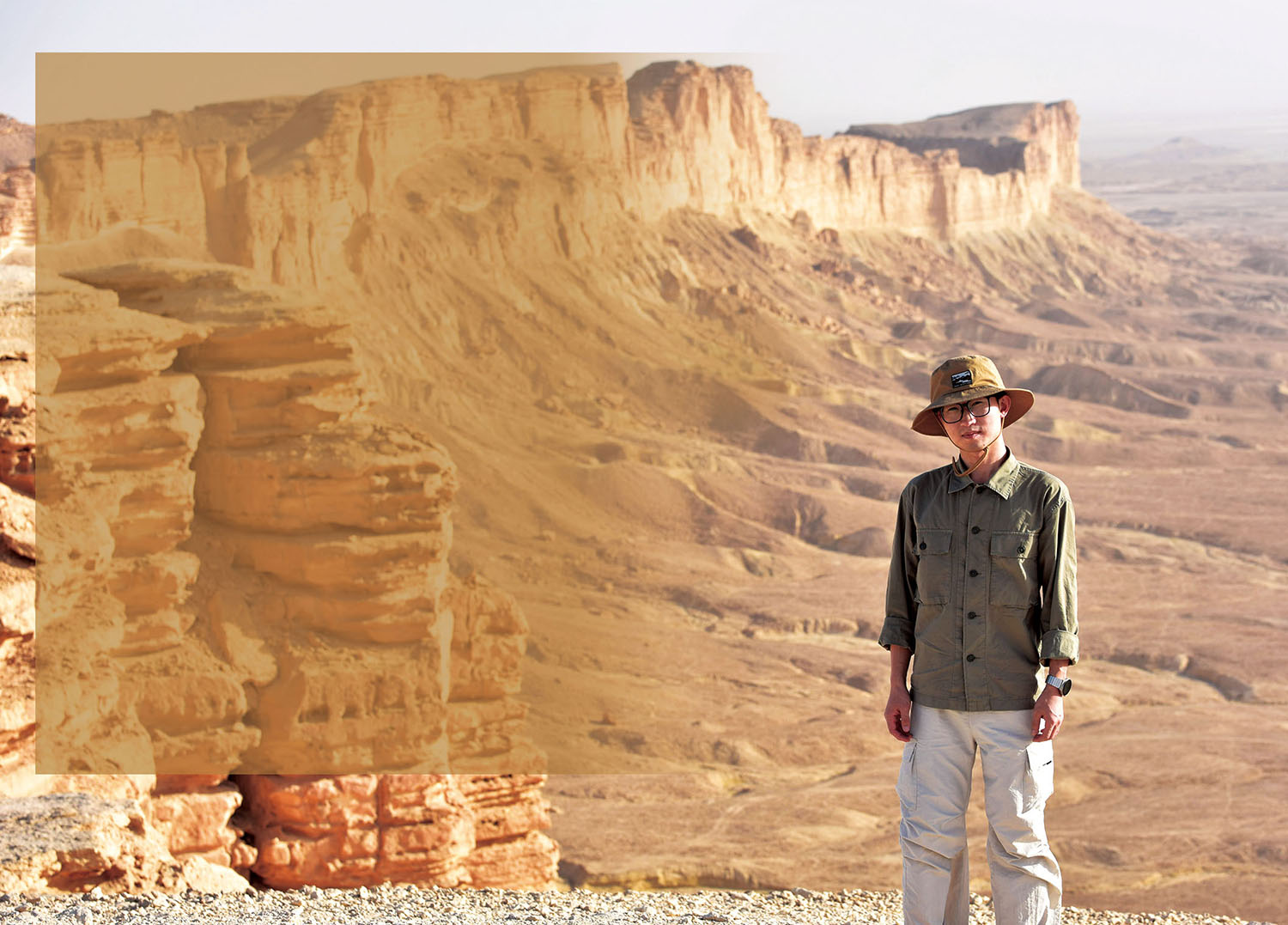
Unlike Yang Xin, who chose to settle in one place, Yang Meihang, a young man from Shangrao, Jiangxi province, moves across different countries and cultures, gaining a rich understanding of global diversity and thriving in a rapidly changing world.
Yang Meihang has a background in electronic information engineering and translation. In 2024, he was stationed in the Philippines working in energy business development. He later traveled to Oman, Kuwait, and Saudi Arabia, leading market expansion efforts across the Middle East.
He observes that market conditions differ widely by region. "The Philippine market is relatively mature while the Middle East offers tremendous potential for infrastructure investment and attracts significant foreign capital, which brings both opportunities and challenges," he said.
Amid the grand narrative of the BRI, Yang Meihang finds that the warmth of everyday interactions leaves the deepest impression. He experiences this warmth not only in personal encounters but also through the local people's appreciation of Chinese culture and products.
"Local shops in Middle Eastern countries are full of products made in China, and many people are eager to learn Chinese. In Saudi Arabia, parents often encourage their children to greet Chinese visitors in Chinese — I've experienced this several times," he recalled.
"In their eyes, Chinese people 'only do business and do not fight'. There are no ideological conflicts. Our interactions are always peaceful and sincere," he added.
The same goes for Yang Xin. "The BRI is more than construction projects and contracts — the genuine connections between people we build along the way are just as important," she said.
She remembers a school principal in Angola, passionate about Chinese history, who once gifted her a book he had written on Chinese cultural studies. On another occasion, when no company drivers were available for an urgent trip, a local client offered her a ride on his motorcycle.
"Being stationed abroad isn't a one-way export; it's about mutual understanding. We brought steel and concrete, and in return, we gained friendship," she said.
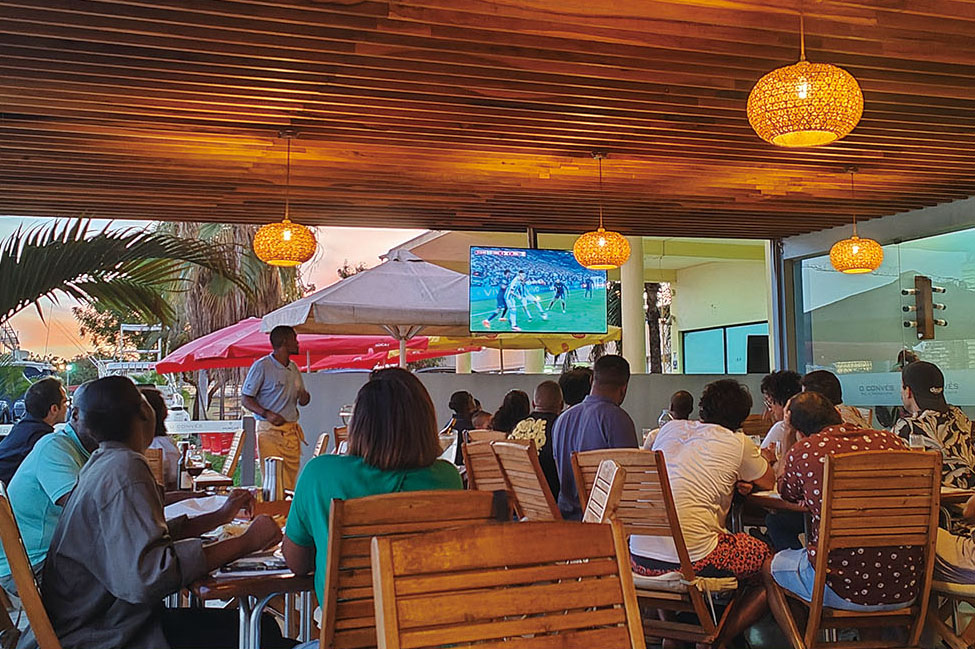
Growing abroad
Overseas experiences have not only made these two young people active participants in the BRI but have also led to significant personal growth.
For Yang Meihang, the five-hour time difference between Saudi Arabia and China amplified his sense of isolation each evening. Spending long hours alone, he taught himself Arabic and established a running routine.
Living in a completely different environment also strengthened his sense of responsibility and helped him better understand himself. At first, the differences in appearance, culture, and cuisine made him feel like a stranger. Over time, as he connected with locals and fellow Chinese expatriates, he gradually found his footing and embraced his new life.
"As a member of the new generation of overseas builders, you must have the determination to navigate unfamiliar environments," he reflected. "An open mind and curiosity are essential for understanding local customs — only then can you truly thrive abroad."
Yang Xin brings a female perspective to her overseas experiences. She acknowledges that women often face additional societal pressures around marriage, childbirth, and personal safety, but she believes that working abroad can empower women, giving them courage and broadening their horizons.
ALSO READ: Decade of discovery
"Overseas salaries are competitive, and many of my female colleagues have even bought their own apartments, achieving financial independence for the first time," she said. "This freedom allows us to make choices confidently and live life on our own terms."
Now back in China, Yang Xin has transitioned from full-time employment to freelancing. She occasionally takes on overseas translation projects, manages a social media account where she shares reflections on her time in Angola, and offers consulting to young people interested in overseas postings.
Through these efforts, she continues to apply the lessons and confidence she gained while working abroad.
On her social media account, she wrote: "Experiences like these show young people that the world is vast, challenges can become opportunities, and life offers far more possibilities than we often imagine."
Contact the writers at guiqian@i21st.cn
