

Key industry shifts from quantity to quality, cost competitiveness to system-level capability
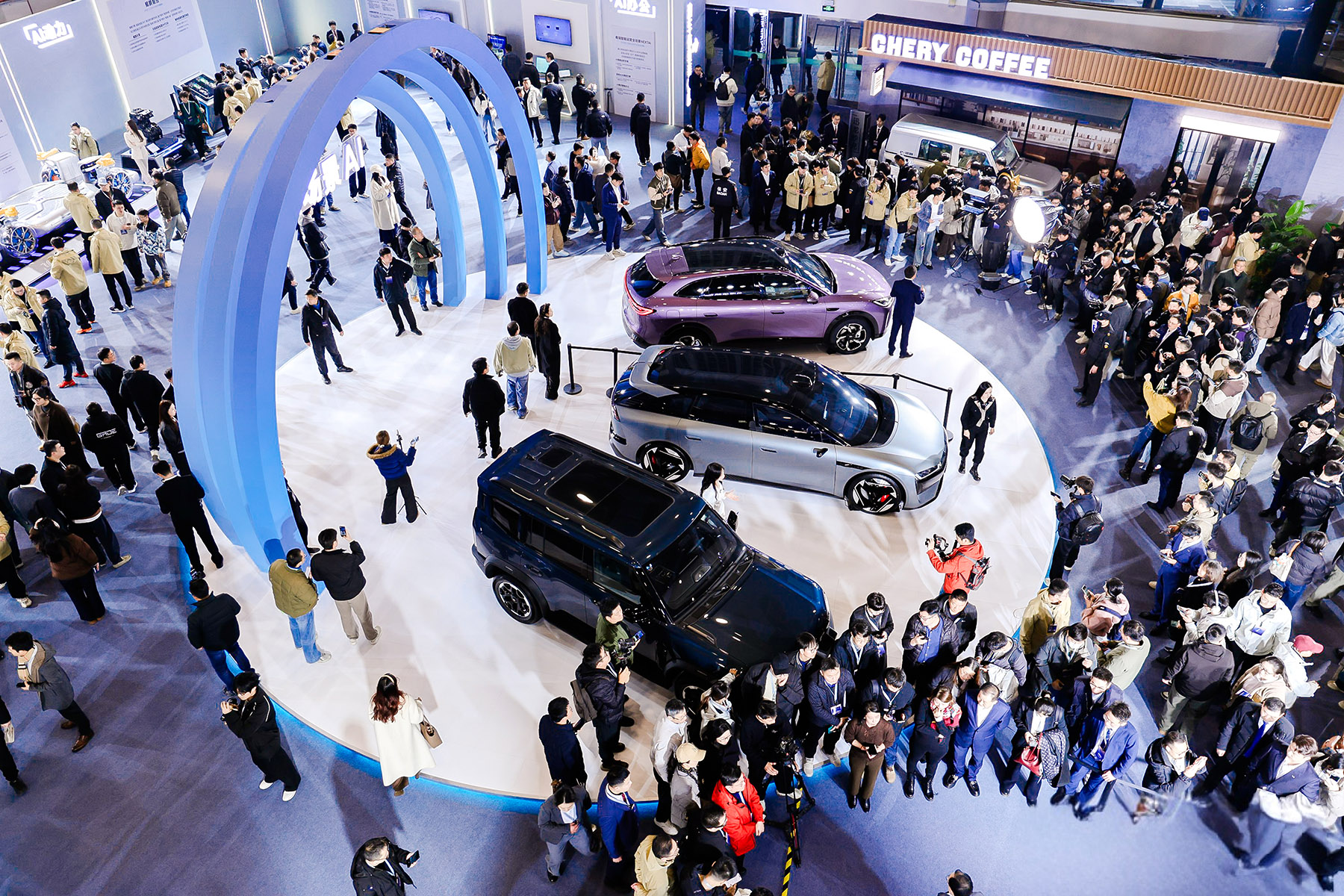
When leading Chinese automaker Chery Automobile recently swept five of the 2025 J.D. Power awards, the auto industry's most closely watched quality benchmarks, the headline was easy to write: a domestic brand had claimed a rare five-crown sweep across new car quality, product appeal, sales satisfaction, after-sales service and long-term reliability.
What was harder — and more consequential — was what lay beneath the hard-won achievement.
For decades, China's auto industry has been defined by scale: the world's largest production base, the fastest-growing electric vehicle market, and, more recently, the biggest exporter of cars.
But Chery's performance points to a quieter shift now underway, one that industry insiders increasingly describe as a transition from quantity to quality, and from cost competitiveness to system-level capability.
READ MORE: Chinese automakers make inroads across world
Su Jun, president of J.D. Power China, said: "Chery's five-crown result is not about a single model or a single strength. It reflects consistency across the entire lifecycle, from purchase to ownership to long-term use. That's much harder to achieve, and it signals a structural upgrade."
The significance of Chery's achievement lies in the breadth of the metrics. J.D. Power's studies, which include initial quality study, automotive performance, execution and layout, sales satisfaction index, customer service index, and vehicle dependability study, track different stages of the ownership journey. Taken together, they form what industry insiders call a "closed loop" of quality perception.
In previous years, Chinese automakers occasionally topped individual categories, often in new car quality or pricing-related satisfaction. A clean sweep across all five, however, has been rare.
Xu Hua, Chery's vice-president, said: "Quality is 1. Everything else is 0. Without quality, scale or globalization cannot go far."
Xu framed the company's strategy in stark terms: sales can fluctuate, but quality rankings reflect "long-term product competitiveness and user trust".
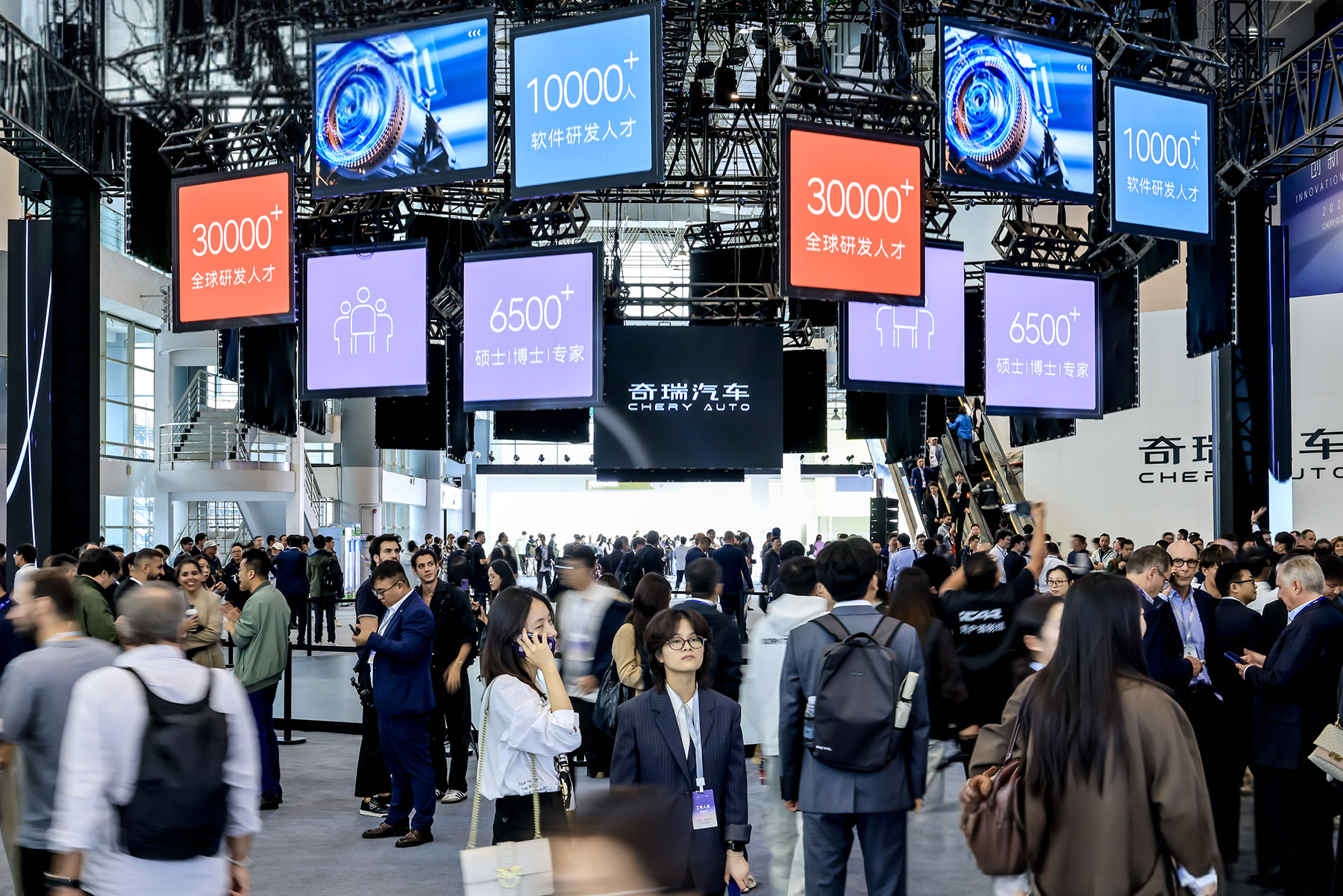
Xu said that philosophy has been institutionalized across the company. From executive-level quality pledges to internal "red lines" and accountability systems, Chery has embedded quality metrics into decision-making processes.
The goal, Xu said, is to shift from "selling products" to "selling quality", a subtle but important repositioning aimed at supporting brand elevation and pricing power.
The approach extends beyond traditional engineering.
"In the era of electrification and intelligent vehicles, quality is no longer just about mechanical reliability," Xu said. "It includes battery safety, software stability, data security. Without that foundation, any advanced feature is just a castle in the air."
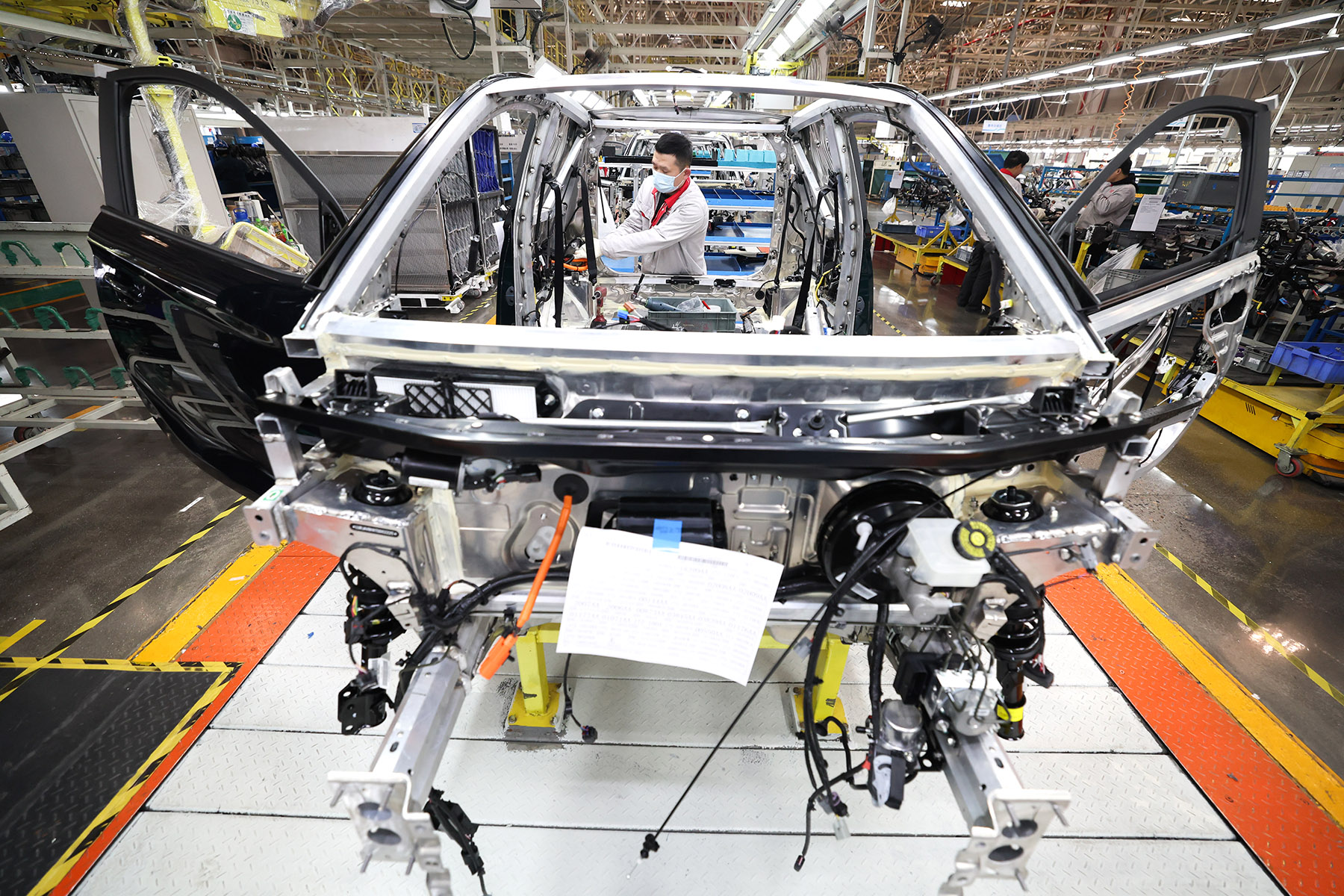
Notably, Chery has built what it calls a global quality assurance framework — covering product development, validation, manufacturing and supply chain management — with roughly 30 core quality control activities, about 40 percent more than the industry average.
It has also developed nearly 1,000 overseas-specific test scenarios to account for regional differences, from extreme heat in equatorial markets to cold starts in northern climates — reflecting the realities of selling into more than 130 countries and regions.
That global exposure, Xu argued, has raised the company's internal standards.
"When you serve markets with very different regulations and environments, you are forced to build a more robust system," he said.
Quality, however, is no longer confined to engineering metrics. Chery's design and engineering teams emphasized a broader definition — one that includes sensory experience, emotional resonance and user interaction.
In an interview with China Daily, Hong Gaoming, vice-president of Chery, described how the company has restructured its design process around what he called a "six-step methodology": from brand DNA and benchmarking to user co-creation and emotional design.
"Cars today are not just functional tools," Hong said. "They also need to deliver emotional value."

That shift is visible in both aesthetics and user experience.
Chery's design teams have become younger and more international, with about 60 percent of designers born after 1990 and 15 percent recruited globally. Cross-disciplinary input — from consumer electronics to fashion — has also been introduced to broaden perspectives.
The arrival of Jan Philip Kaul, Chery's chief interior designer and a former head of interior design at Mercedes-Benz, marked a turning point in the company's design evolution.
"The Chery design team has grown from a local group into a global creative collective," Kaul said. "From surfaces and proportions to materials and craftsmanship — every detail is sculpted to create warmth and emotional resonance. That's what defines our design DNA."
On the engineering side, the company has invested heavily in sensory experiences.
In its acoustic labs, a team of more than 100 "golden ear" specialists fine-tune audio systems using AI-assisted calibration. In air quality testing, engineers deploy so-called "golden nose" teams to ensure low odor emissions, using materials and processes designed to meet European environmental standards.
Seat design, another often-overlooked area, is based on a database covering 95 percent of body types, with multilayer cushioning systems aimed at reducing fatigue during long drives.
Even powertrain transitions — such as the switch between electric and hybrid modes — are engineered to be nearly imperceptible, with vibration reduced by up to 70 percent and cabin noise increases limited to less than one decibel.
"The goal is 'no sensation' — the driver shouldn't feel the system working," Hong said.
One of the more striking changes has been how automakers engage with customers. Chery has introduced what it calls a "user co-creation" model, bringing engineers and designers directly into contact with consumers during product development.
"For one model, we held more than 100 co-creation sessions with over 1,000 users before launch," Hong said.
Those sessions have led to features that go beyond traditional specifications: a "baby mode" to maintain quiet cabin conditions, fatigue-alert systems for long-distance driving, and one-touch rest modes designed for in-car relaxation.
"Engineers used to sit in labs," Hong said. "Now they go to the front line and listen."
Chery's rise comes at a pivotal moment for China's auto industry. After years of rapid expansion, the sector is entering what policymakers and analysts describe as a "quality phase", where long-term competitiveness will depend less on volume growth and more on reliability, brand perception and technological depth.
According to the China Association of Automobile Manufacturers, China was producing more than 16 million new energy vehicles annually by the end of 2025, with charging infrastructure surpassing 20 million units.
Total vehicle production and sales climbed to over 34 million units, while exports exceeded 7 million vehicles, making China the world's largest auto exporter.
Wu Songquan, a senior expert at the China Automotive Technology and Research Center, said in a separate interview that high-quality development is replacing pure expansion as the industry's core logic. "The next stage is about building global trust — on safety, reliability and brand value."
That shift is also being driven by external pressures.
Trade barriers in Europe and the United States, stricter regulatory requirements, and rising expectations from global consumers are forcing Chinese automakers to upgrade their capabilities.
Wu said that exporting products is one thing, but exporting systems — standards, services, brand — is much harder.
ALSO READ: China accelerates move toward low-carbon growth
Chery has reported rapid growth in high-regulation markets such as the United Kingdom and European Union, with sales in some regions growing over 200 percent year-on-year in the first quarter. In March, it ranked second in the UK market, ahead of several established international brands.
For China's auto industry, the ultimate test lies in perception. "In some markets, buying a German luxury car is about status, buying a Japanese car is about long-term value," Xu said. "If Chinese cars are only seen as transportation tools, that's not enough."
Changing that perception requires consistent performance over time — particularly in areas such as resale value, reliability and brand trust.
VDS, the J.D. Power metric that tracks three-year vehicle dependability, is often viewed as a key indicator of this shift.
"It directly reflects whether a car is built well and lasts," Su said.
Xu from Chery said: "The five-crown moment is less an endpoint than a milestone. It's a result of long-term investment. But more importantly, it's a starting point of China's future auto development."
Contact the writers at chengyu@chinadaily.com.cn
