

Through education and student initiatives, cross-cultural exchange deepens China-Central Asia ties while fostering mutual understanding and long-term people-to-people connections.
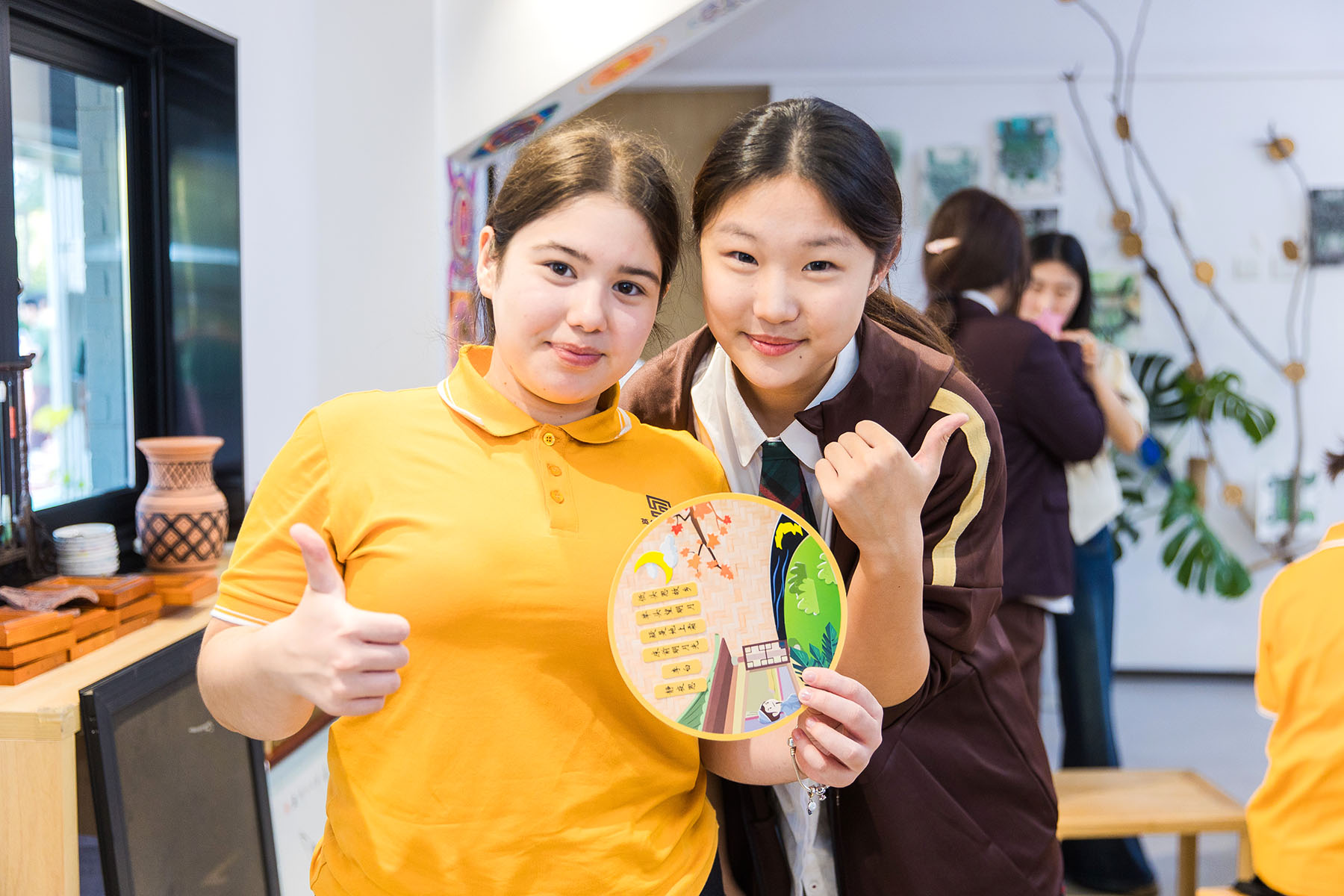
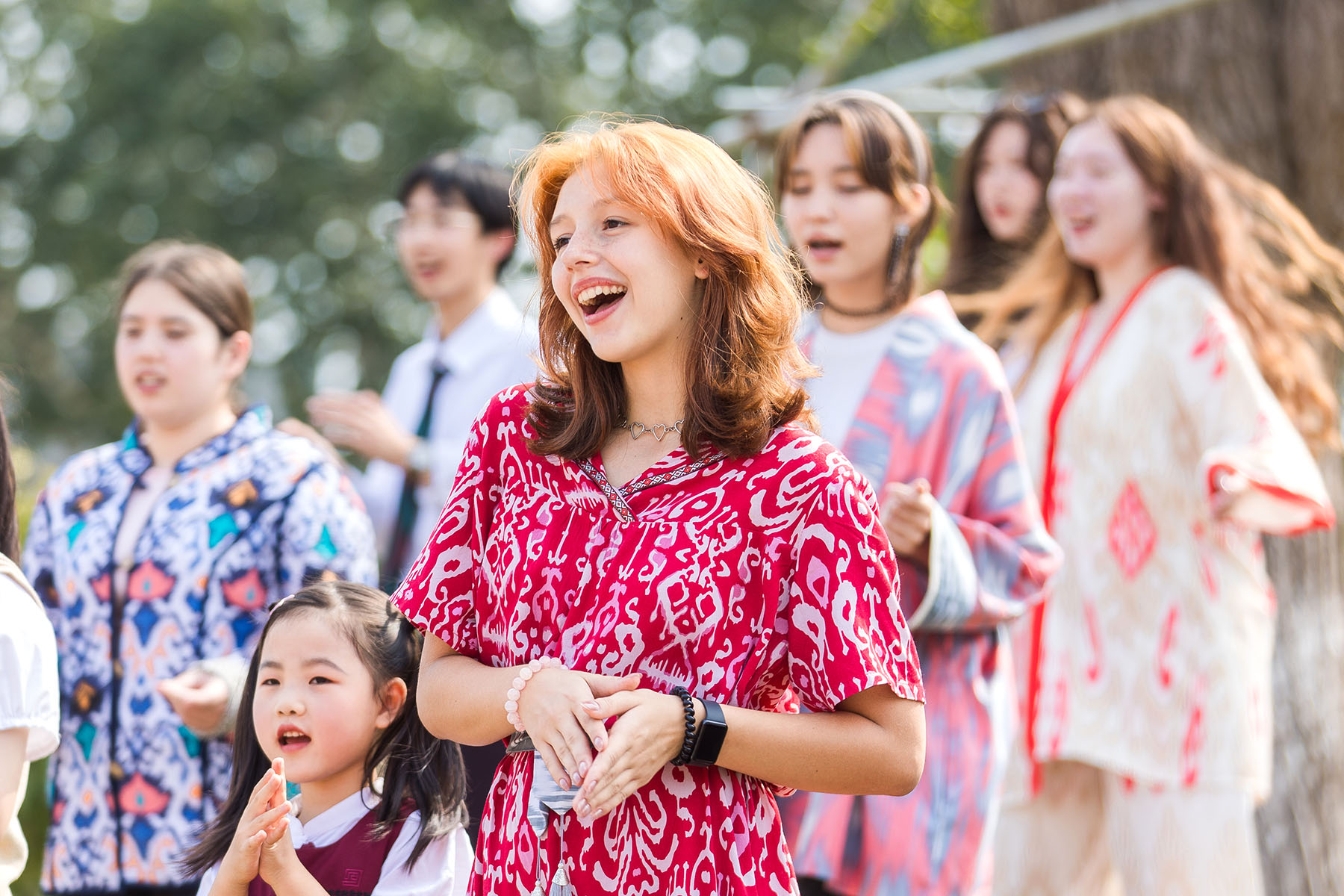
Kurbonov Temurmalik has been busy lately making baklava — a kind of pastry from West Asia — along with preparing traditional clothing from his home country. At the school's RE-26 Carnival this month, he and his classmates will set up a booth to showcase the culture of Uzbekistan and help raise funds for charity.
"We hope to gain a deeper understanding of other countries' traditional cultures and customs while showcasing our own," said Temurmalik.
Every April, Yinghua Academy of Tianjin in Wuqing district holds a grand charity carnival. Entirely led and planned by students, the event has been held for five consecutive years, drawing nearly 3,000 participants each year from China, Uzbekistan, Tajikistan, Bulgaria, and other countries.
The venue buzzes with vibrant booths and market stalls, including a Belt and Road-themed specialty street, creative workshops, and a variety of handmade cultural items.
READ MORE: A cup full of meaning
All funds raised during the event are donated, in the name of the Yinghua Yiqi Charity Foundation, to the Sunshine Counseling Center for Rare Diseases (Tianjin), supporting individuals with rare diseases and children with Down syndrome.
For Temurmalik, the carnival is more than a one-day event. It reflects his own journey in China.
He came to study in the international students department of Yinghua Academy two years ago after graduating from junior high school in Uzbekistan. Since its establishment in 2005, the department has enrolled over 500 international students from 24 countries.
"During these two years, I've not only gained knowledge and friendship but also experienced the more delicate aspects of traditional Chinese culture through elective courses like paper-cutting and calligraphy," he said. "I also hope to have the opportunity to apply to the best universities in China."
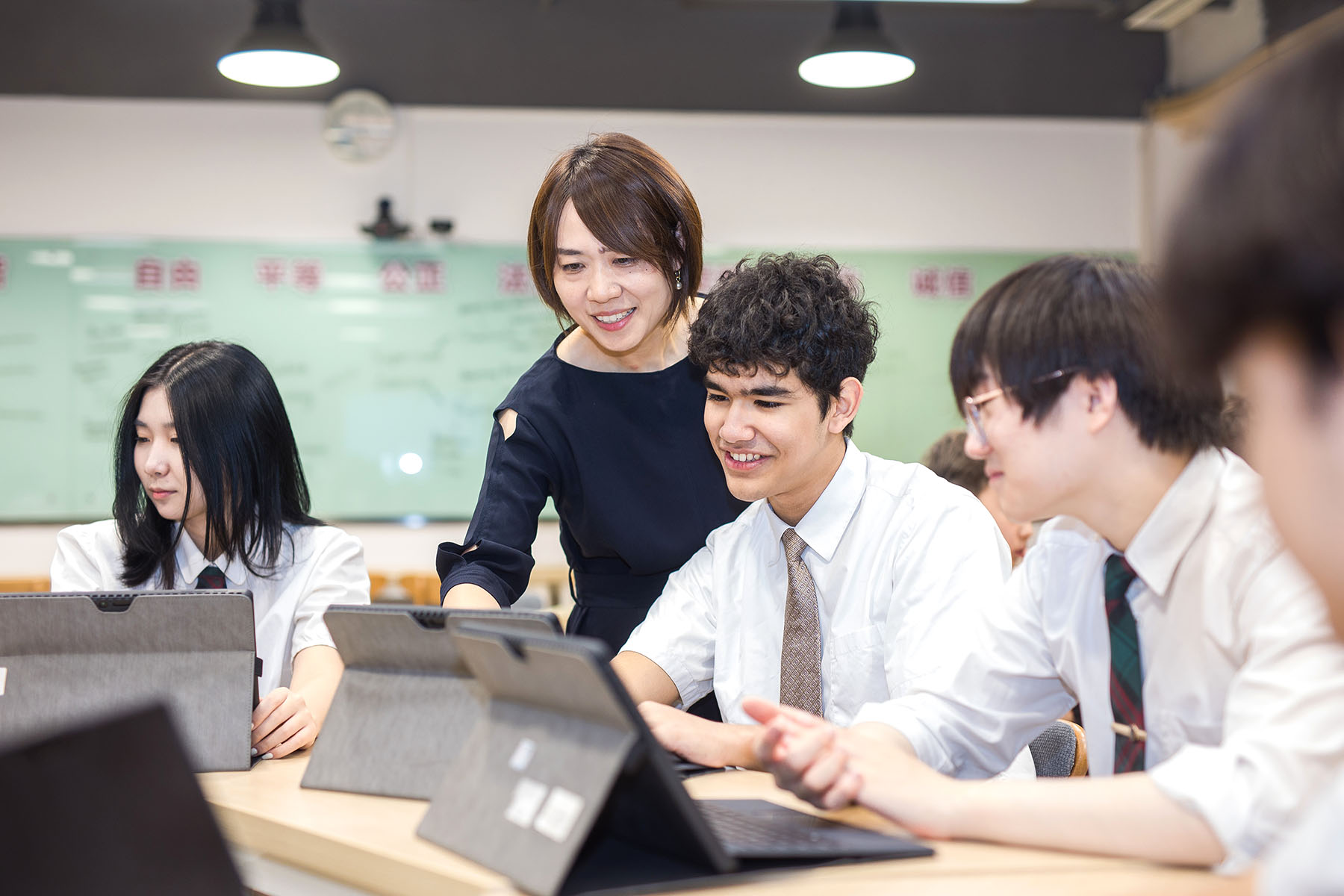
According to Li Xiaolin, a teacher at the department, each classroom brings together students from five to seven different countries, sitting side by side. Daily interactions — sharing meals, working on group projects, and preparing for events like the carnival — become natural opportunities for cultural exchange.
"Some students not only improve their Chinese proficiency but also pick up several other languages, largely influenced by their classmates," Li said. "The classroom is like a 'mini-United Nations', and each student serves as a cultural ambassador."
This spirit of exchange is also reflected in short-term programs like the China-Uzbekistan Friendship Class.
Typically lasting one to two weeks, these programs combine academic learning with cultural experiences. Students take core courses such as HSK-level Chinese, mathematics, and English, along with electives in Chinese culture, including calligraphy and Peking Opera. Outside the classroom, they visit iconic landmarks like the Forbidden City and the Great Wall in Beijing.
"I really love traditional Chinese culture," said Oybek, a student from Tashkent who participated in the program. "The teachers and classmates are incredibly warm and welcoming. In the future, I hope to continue my studies here. I'm really looking forward to learning more about China and making new friends."
For many participants, these experiences leave a lasting impression.
"Short-term exchanges often become the starting point for deeper connections with China, broadening students' understanding of different cultures," said Zhou Yan, director of the International Affairs Office at Yinghua.
"We hope to recruit outstanding students from all over the world and expect them to become leaders in various fields after graduating from Yinghua," said Lin Xiangyang, board chair and head of Yinghua Academy.
Some alumni have gone on to work in government, business, and diplomacy, continuing to play an important role in China-Uzbekistan exchanges. For example, Atabaev Khusniddin formerly served in Uzbekistan's Parliament. G'ulomov Qurbonali is the head of Oasis Eco Foods in Uzbekistan.
"Our experience at Yinghua has given us memories of Tianjin that we will cherish forever," said Qurbonali. "Today, we are both participants in Uzbekistan-China economic and trade cooperation and promoters of friendship between our two nations."
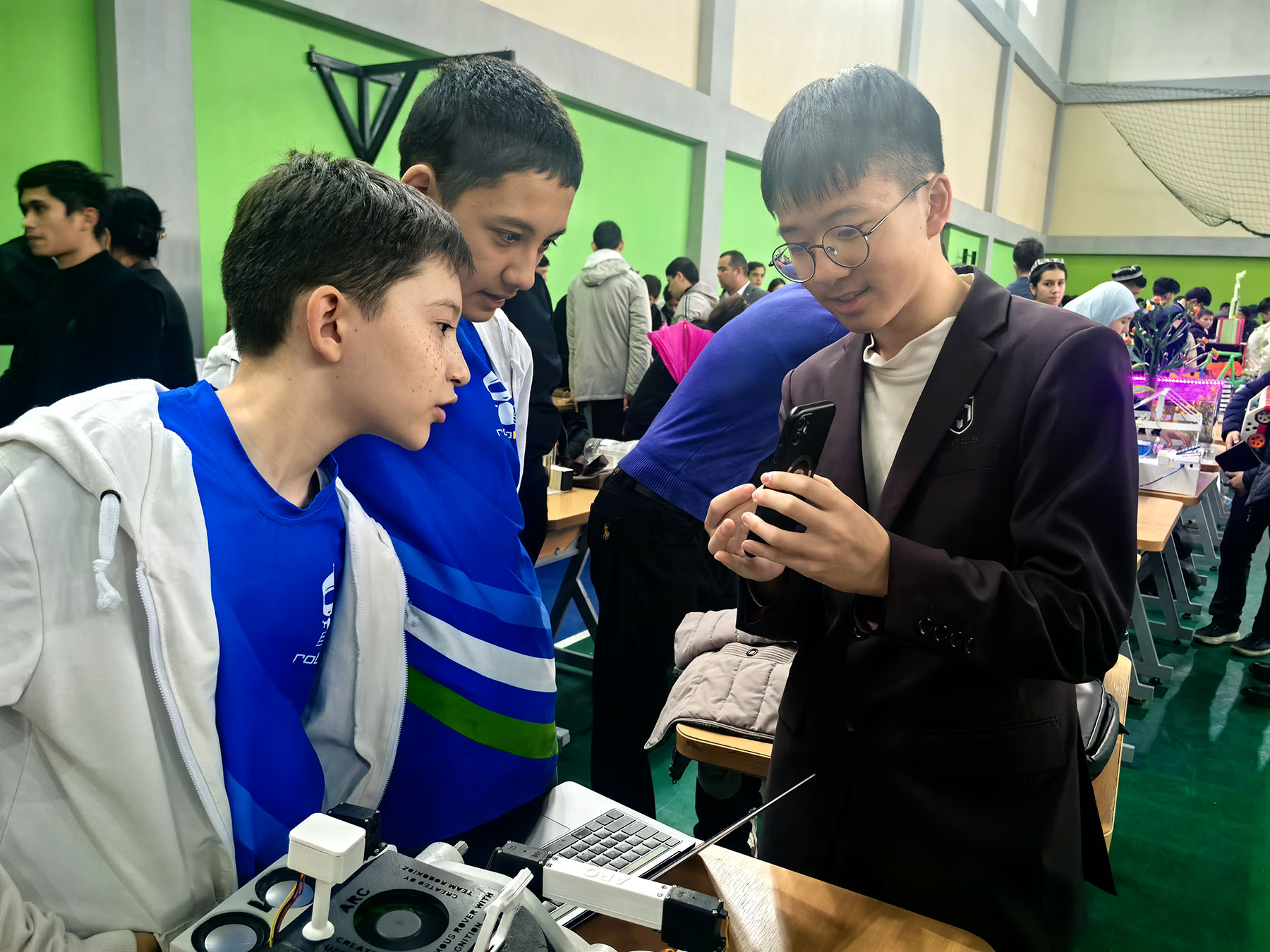
But Yinghua's efforts are not limited to bringing international students to China."We also hope our Chinese students can visit different countries and regions through study trips, creating a two-way exchange and joint training program," Lin said.
That vision has been reflected in recent exchanges.
Last December, a student delegation from Yinghua traveled to Uzbekistan to participate in the Digital Generation IT Week international science and innovation competition. Their projects, ranging from research topics to student-led innovation designs, received high recognition, with two projects winning a special grand award.
"This was not just a competition, but a comprehensive learning experience," said He Chang, a teacher at the school's innovation program. "It allowed students to explore technology, connect with others, and gain new insights about themselves in a real international environment."
ALSO READ: Beyond the guidebook
Looking ahead, a public presidential Chinese language specialized school — jointly operated by Yinghua and the Agency for Specialized Educational Institutions under the Ministry of Preschool and School Education of the Republic of Uzbekistan — is scheduled to open this September. Yinghua will oversee teaching and provide faculty support for the school's Chinese language curriculum and will also offer artificial intelligence courses as part of an extended program.
"We aim to cultivate individuals who do not merely repeat the Chinese language, but are cultural decoders who can grasp the pulse of China," Lin said.
He added that Yinghua is also working with Uzbek partners to co-establish a Chinese international school locally.
"Through initiatives such as co-developing curriculum standards, teacher training systems, and educational management models, we hope to bring high-quality educational resources and teaching approaches to Uzbekistan," Lin said.
Meng Jiarui contributed to this story.
Contact the writers at yandongjie@chinadaily.com.cn
