

Returning to the stage in Beijing, Alice Sara Ott highlights little-known nocturnes while linking them with master composer's sonatas, Chen Nan reports.
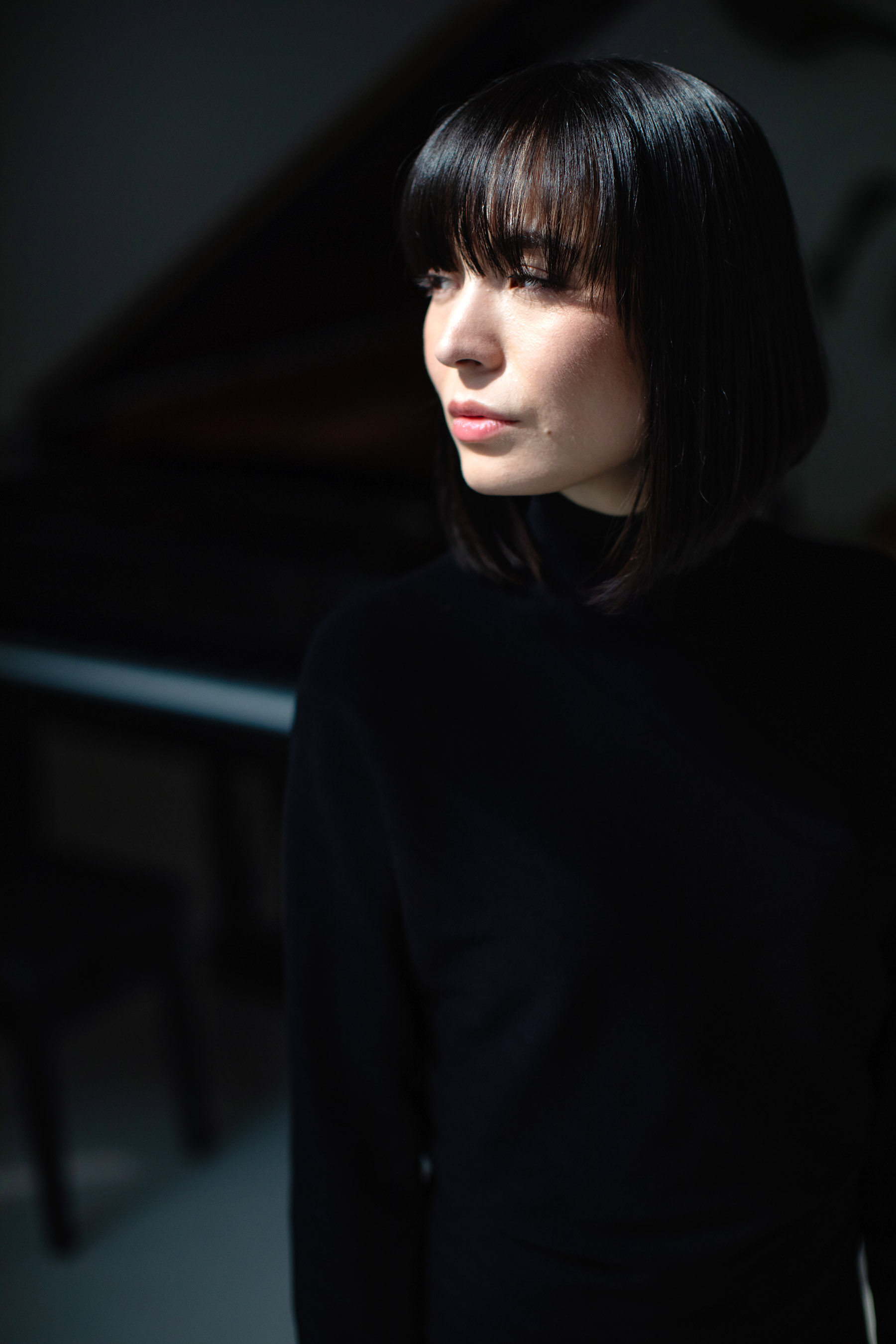
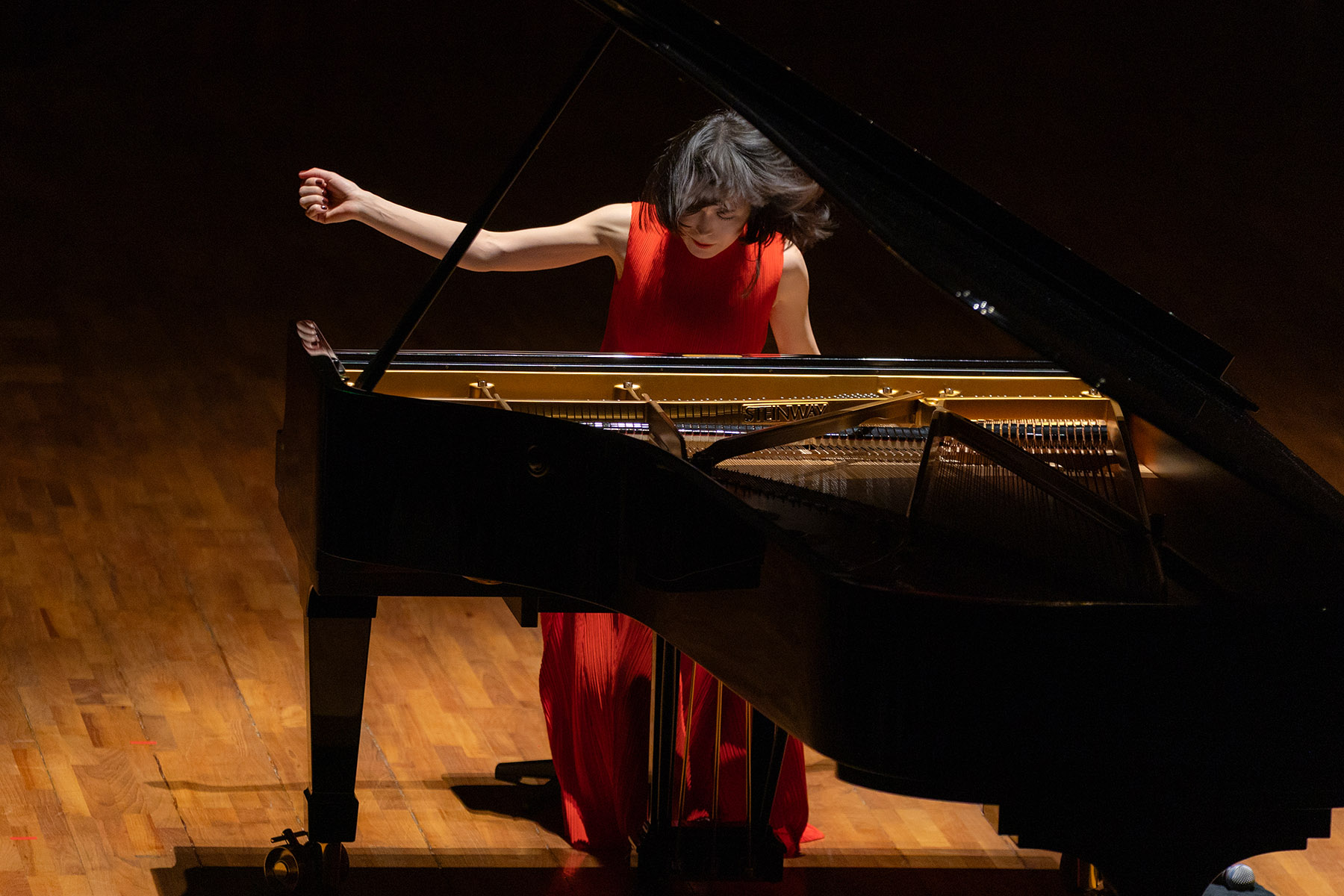
Alice Sara Ott closed her eyes for a moment before touching the piano keys, feeling the quiet energy of the Forbidden City Concert Hall around her. The German-Japanese pianist was back in Beijing on March 29 to share the music that had captivated her during the long months of lockdown in the days of the COVID-19 pandemic: the luminous nocturnes of John Field and the powerful, architectural landscapes of Beethoven. Each note was a personal story, each pause a space for connection with an audience that had waited as long as she had.
"I first discovered John Field during the pandemic," Ott told China Daily the day after the concert in Beijing. "His music wasn't something I studied as a child. Hearing those nocturnes for the first time was strange — nostalgic yet completely new. I became obsessed and wanted to share them with audiences."
Pairing Field with Beethoven felt natural."They lived at the same time, might have had the same teacher, and I found similarities in their works. Beethoven is a towering figure today; Field is lesser known. Bringing them together allows listeners to hear those connections and contrasts," she says.
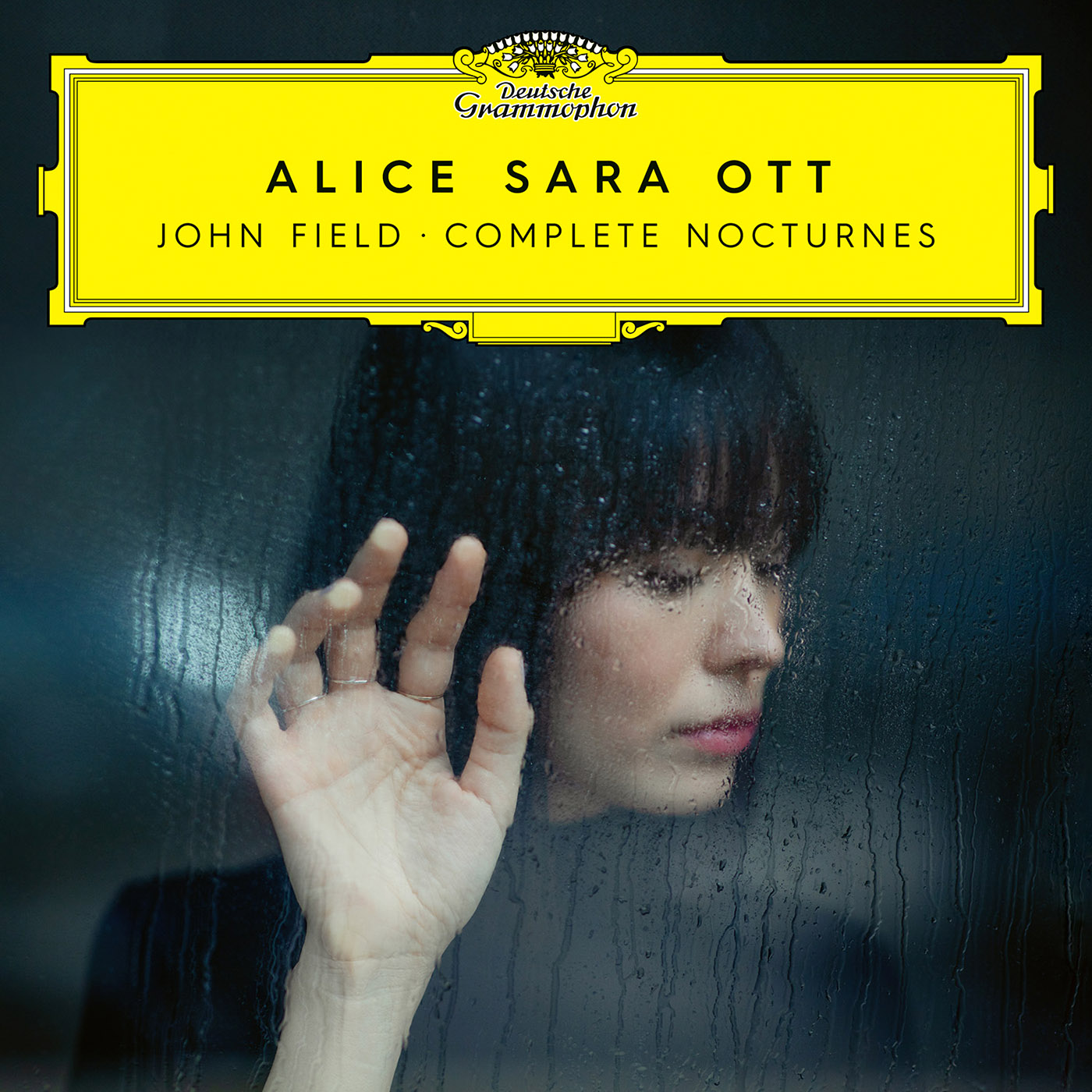
A year ago, Ott released her Deutsche Grammophon recording of Field's complete, rarely performed nocturnes — 18 in total. While this genre is often associated with Chopin, it was pioneered, if not invented, by the lesser-known Field. Later, Ott undertook a 17-city European tour of Field's nocturnes with sonatas by Beethoven.
The album, John Field: Complete Nocturnes, has been named Apple Classical's most-streamed classical album of 2025, marking a major milestone for the pianist.
Recording an album of Field's music was about preservation but also invitation. "I hope young pianists will discover Field and include him in their programs. His nocturnes may seem simple, but the deeper you go, the more layers you uncover. Some pieces even became favorites over time, surprising me," the pianist says.
Ott's approach to interpretation blends rigorous study with intuition.
READ MORE: In adversity, pianist finds positive note
"I start with the score — structure, harmonies, dynamics — but performance is also personal. Context matters. Playing a Field nocturne on its own is different from pairing it with Beethoven. And live performance adds another layer: every instrument, hall and audience changes everything," she says.
The audience itself, she adds, is an essential part of the music.
"Music is a shared experience. Silence, pauses, the resonance in the room — they're as important as the notes. In a live concert, we endure a moment together, fully aware of it. That makes it powerful and valuable in today's busy world."
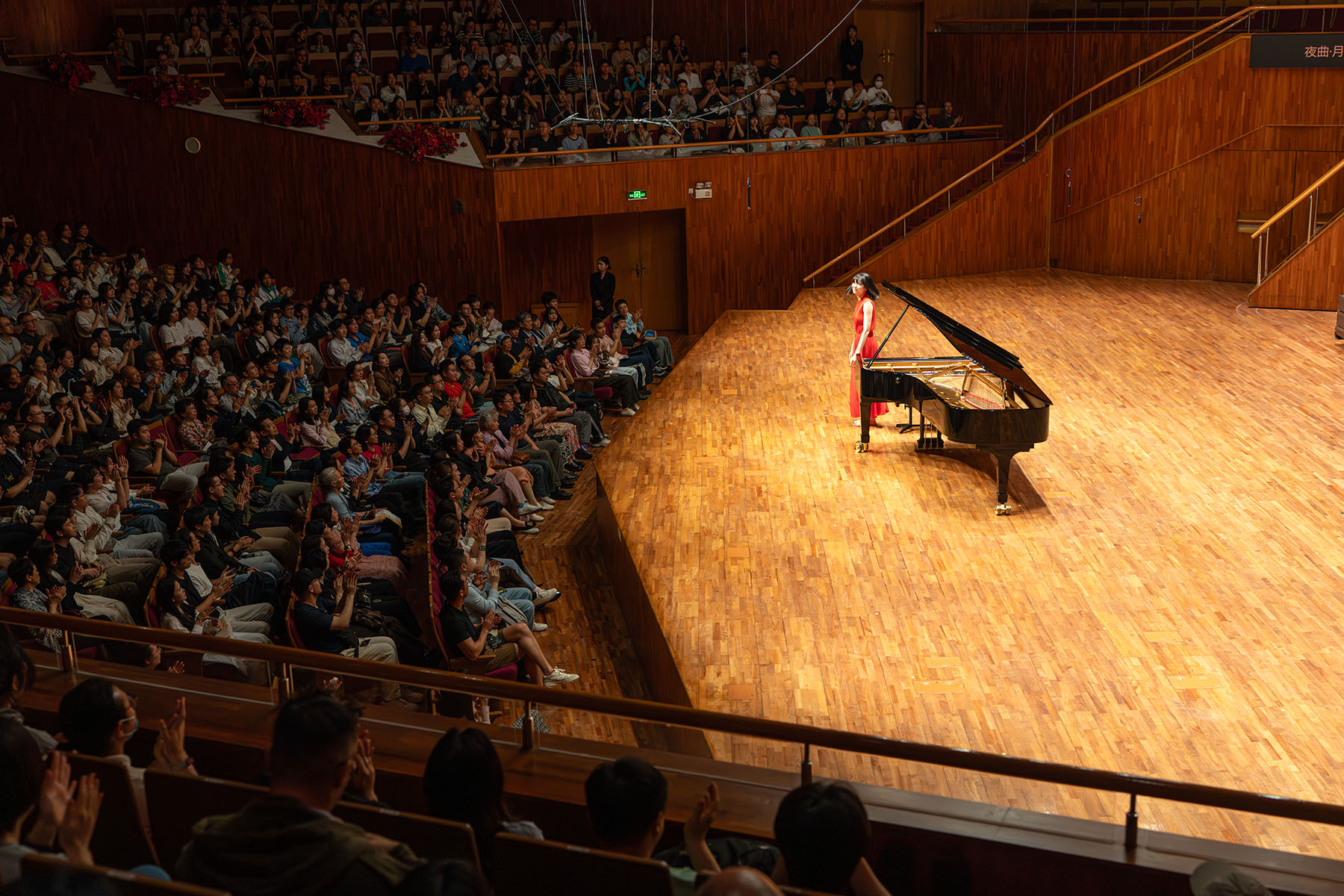
With her tours in China over the past decade, Ott has built up a large fan base in the country and her recent tour, which took her to Guangzhou, Guangdong province, Shanghai and Beijing, excited her fans.
"Choosing to champion John Field is admirable in itself. The true inventor of the nocturne remains little known today, yet Alice has discovered the unique magic in his music. Such dedication to a lesser-known composer is rare among the younger generation of leading pianists," reviewed an audience member on the social media platform Xiaohongshu (RedNote).
"Alice's interpretation of Field's nocturnes is a refuge for the anxious mind — each note gentle and calm, each arrangement a thoughtful conversation between composers across time," wrote another fan.
"China has a very devoted, very young audience. People are very knowledgeable and passionate about music, which I think is great. And I love that so many young kids here play an instrument," Ott says.
"What I also love to see is that people acknowledge the work I put into curating a program. When they recognize all the work I have done to create a certain project, I appreciate it a lot because I put so much work and effort into my programs," says Ott, who last performed in China in 2019, when she used a video installation as part of her concept.
"As a woman, I am used to always being commented on for how I look. Objectification happens very often because of someone's appearance. But I am a real person, and I care so much about what I do. So if people actually recognize the artist in me, that's the biggest compliment I can get, and I can see that change slowly through my programs," she adds.
On March 6, her latest Deutsche Grammophon album Johann Johannsson — Piano Works was released. Presenting a collection of world-premiere recordings of music by Johannsson, the recording project took her to Iceland to work on the piano music of the Icelandic composer.
The 30-track album draws on an edition of solo piano transcriptions of his works, which span the composer's career, from studio albums such as Englaborn and Orphee to the pioneering scores he wrote for documentaries and feature films, such as Copenhagen Dreams, Personal Effects and the Golden Globe-winning The Theory of Everything. The visionary work of Johannsson, a highly influential figure in contemporary music and a multi-award-winning film composer, has continued to captivate listeners and inspire musicians since his untimely death in 2018.
"I hadn't met him personally, but collaborating with people who knew him helped me connect with his music. We recorded on an upright piano, which created a sense of intimacy. Close microphones made listeners feel almost beside me. That closeness reflects the way I want music to be shared,"Ott says.
Recording on the upright piano was transformative. She doesn't make a big distinction between upright and grand pianos but "every piano is different, and I always adjust", she says.
"Sometimes, an instrument challenges you. Notes can be uneven, tones unpredictable, and then you spend mental energy just managing it. That's part of the job. But this upright … it was like walking on clouds," the pianist says. "Everything became easy, even pieces I had struggled with at home. I didn't have to fight the instrument; I could just play. It was effortless, and I can't remember the last time I felt so in love with a piano."
Known for her remarkable versatility and experience in both contemporary and core classical repertoires, Ott developed a love for the piano at the age of 3, when her parents took her to a concert because they couldn't find a babysitter. A year later, she started taking piano lessons.
ALSO READ: Chinese pianist Lang Lang's foundation promotes music education, cultural exchanges
Her journey as a pianist has also been one of personal evolution. When she signed with Deutsche Grammophon at 19, she came from a very traditional musical background. She had plans for her first albums, but then realized that people were expecting an artistic identity from her — and she had no idea how to develop one.
Through collaborations and self-reflection, she began to question traditions and explore her own voice. She also changed her views about marketing."I used to consider promotion tasteless, but as a musician, our goal is to share our passion. If I'm not involved in shaping the narrative, others control it. Being involved allows me to create authentic work I can fully stand behind," she says.
Ott's reflections extend to technology and AI. AI is here, and it won't go away, as she puts it.
"The only thing separating us from AI is human imperfection. AI will be flawless, but it can't replicate human unpredictability, emotional nuance or experience. That's why artists need ownership and active involvement in creation. The more we invest ourselves in our work, the more uniquely human it becomes," Ott says.
Contact the writer at chennan@chinadaily.com.cn
